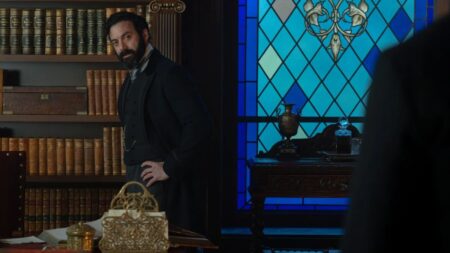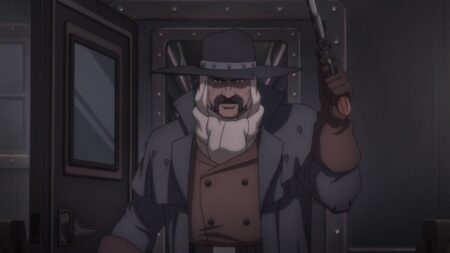

The problem with VisionQuest Episode 7 is the same problem the MCU and any long-running franchise or IP adaptation has at this point: prioritizing lore over character. There’s this modern expectation – fixation, even – that every audience member is going to be clued in to the same facts and same history. In doing so, VisionQuest and Marvel are forgetting key truths about what made its first phase work so well. They were, as much as superhero films can be, character-driven.
Iron Man was a man guilt-ridden and laden with PTSD, helped immensely by Robert Downey Jr.’s soulful, vulnerable performance. Captain America debuted a classic American hero whose heroics would damn him to a life out of time. Thor was about the broken relationship between brothers. And while, yes, The Avengers pieced these unlikely heroes together, the build-up didn’t feel overtly or inorganically orchestrated. Instead, you could technically watch The Avengers without needing to know each bit of history and baggage the heroes had.
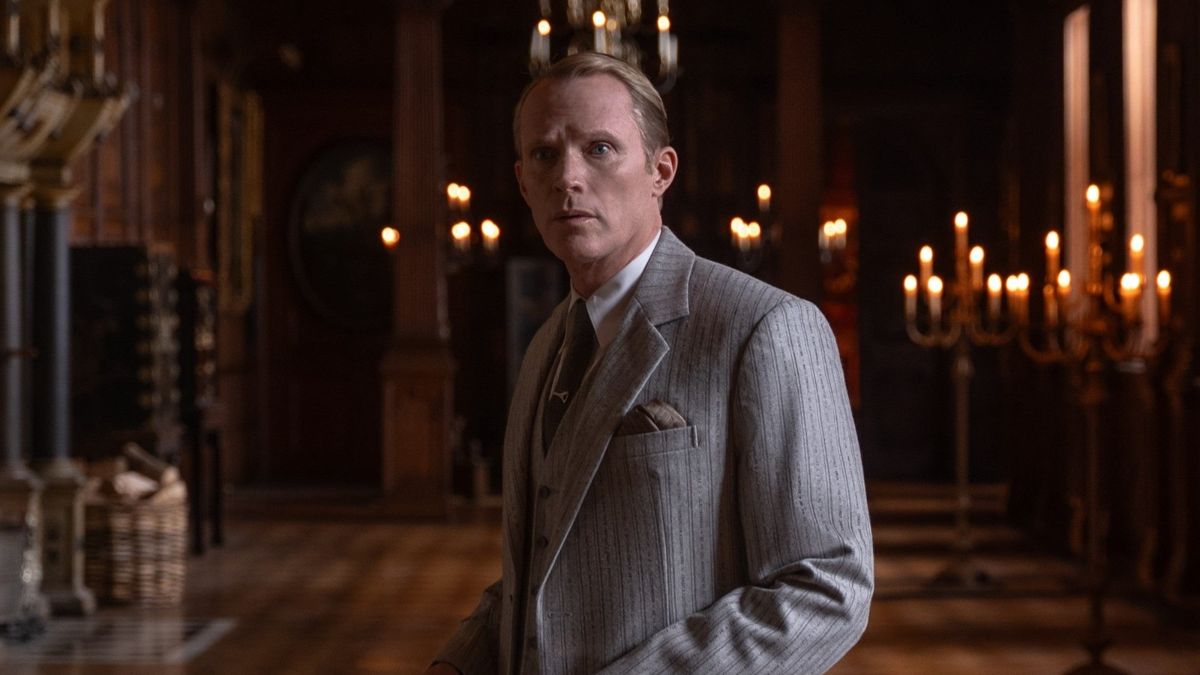
VisionQuest Episode 7, and most of the MCU’s most recent decision making, is based so much on what fans know, Easter Eggs, and the mountains of content that have come before that it and the series seem ambivalent on making us care about these characters. Everything is told to us rather than conveyed. Rather than naturally pulling at the thread of Vision’s (Paul Bettany) relationship with his son, Tommy (Ruaridh Mollica), “Immolation” forces the issue through a drawn-out and dull exploration of Vision’s own psyche.
VisionQuest Episode 7 invites us to Vision’s subconscious.
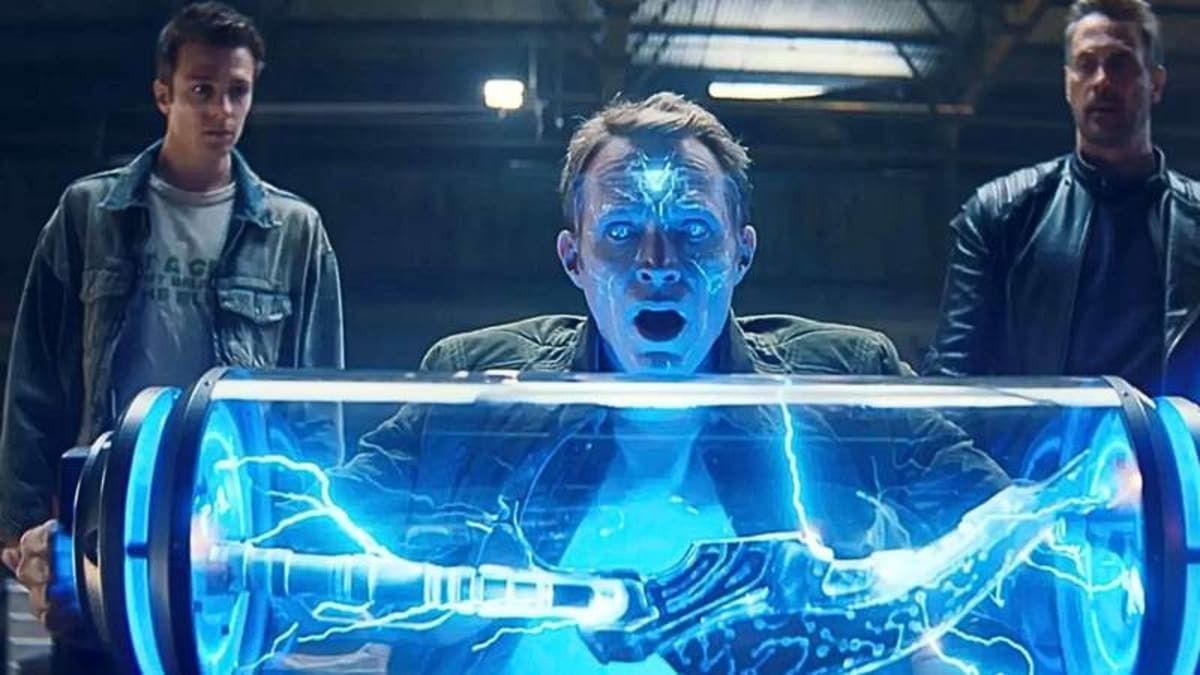
It, like our titular hero, feels too manufactured. Despite this character’s longevity, there’s not enough effort to make us care. “Immolation” is the annoying kind of self-indulgence that lets an actor play multiple personalities but not to the desired effect. VisionQuest Episode 7 looks for meaning and, instead, succumbs to its worst instincts even when barreling through an excessive amount of plot.
Surely to some fans in the know, the teases will work. From the creation of J.I.M., the original Vision and his place in superhero fodder, there’s plenty for comics fans to latch onto. However, for the rest of us it’s simply overload. As always, there are interesting elements, especially as the series works to use Vision and Jocasta (T’Nia Miller) as parallels, two people who aren’t quite what they’re meant to be, either too human or not enough. And as both accept the Client’s deal to access their subconsciousness, this is expanded on further.
Jocasta is an interesting character who the series has yet to truly wrangle with, too invested in her relationship with Ultron (James Spader). Miller remains superb, however, adding the necessary gravitas to a character who is immensely powerful but also caught in an uncertain limbo. She outpaces Bettany too, making it a shame she isn’t given the same ample opportunity to show off in the same way.
James Spader and T’Nia Miller remain fantastic, but Paul Bettany struggles to sell the emotion.
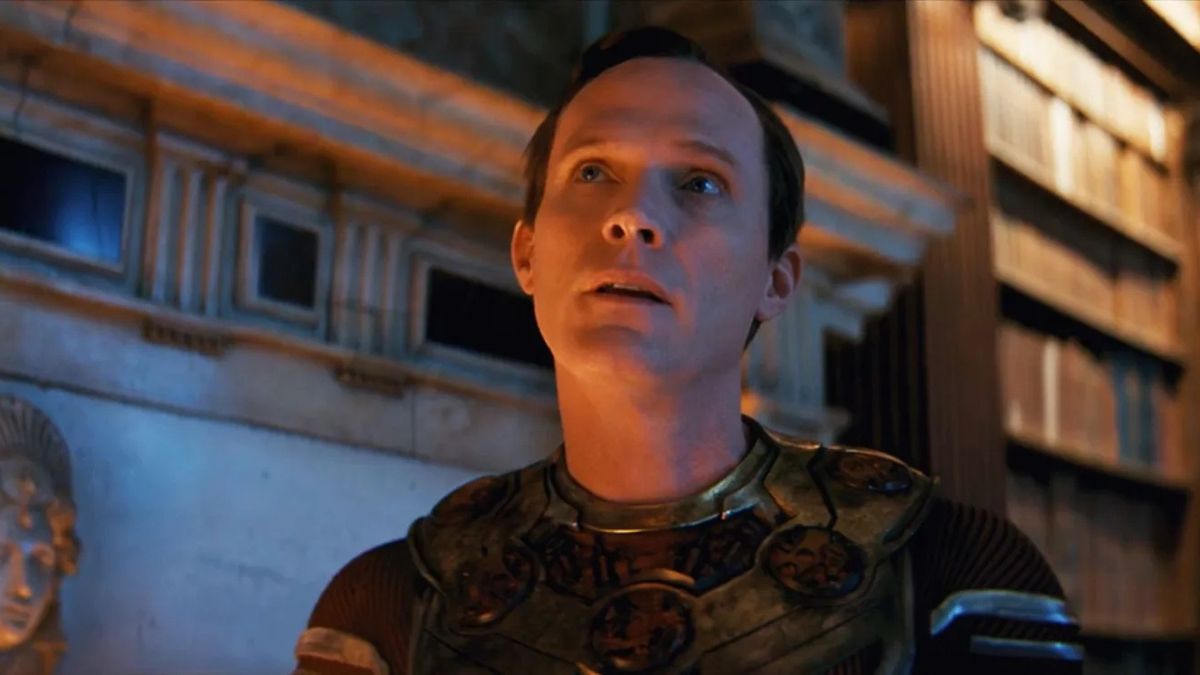
VisionQuest Episode 7 is committed to his dive into his subconscious, but Matthew Okumura’s script does little to truly sell us on it. And, not to be a broken record, but it is in part because this has all been done before and better in WandaVision and Agatha All Along. Some of the best parts of the episode are the highlight reels of WandaVision. As Vision grapples with the truth of his nature, that he is all of the many versions of his life, just as any humans build upon themselves, he comes to the realization that Tommy truly is his son and not a remnant of another lifetime.
What’s meant to be a powerful declaration and a triumphant return to self falls flat. In part because there’s a “well, yeah, obviously” feeling to it, but also because the emotion itself is dulled because it all happens between two versions of Vision. If James Spader brings the charm to the series, it’s Mollica who delivers the heart. Bettany is fine and necessary, but he doesn’t bring the same level of emotional investment as Tommy does, who everything is happening to rather than with.
“Immolation” ends on a note of reckoning and surrender, as Vision both realizes his role and surrenders his heart to his tucked away grief, ready to confront a world in which he believes Wanda and Billy are both absent. Lisa is saved, and Vision and Jocasta are captured by the Client (who wears the face of Ultron’s avatar) The plot is running full tilt towards the finale.
VisionQuest struggles to prove its worth.
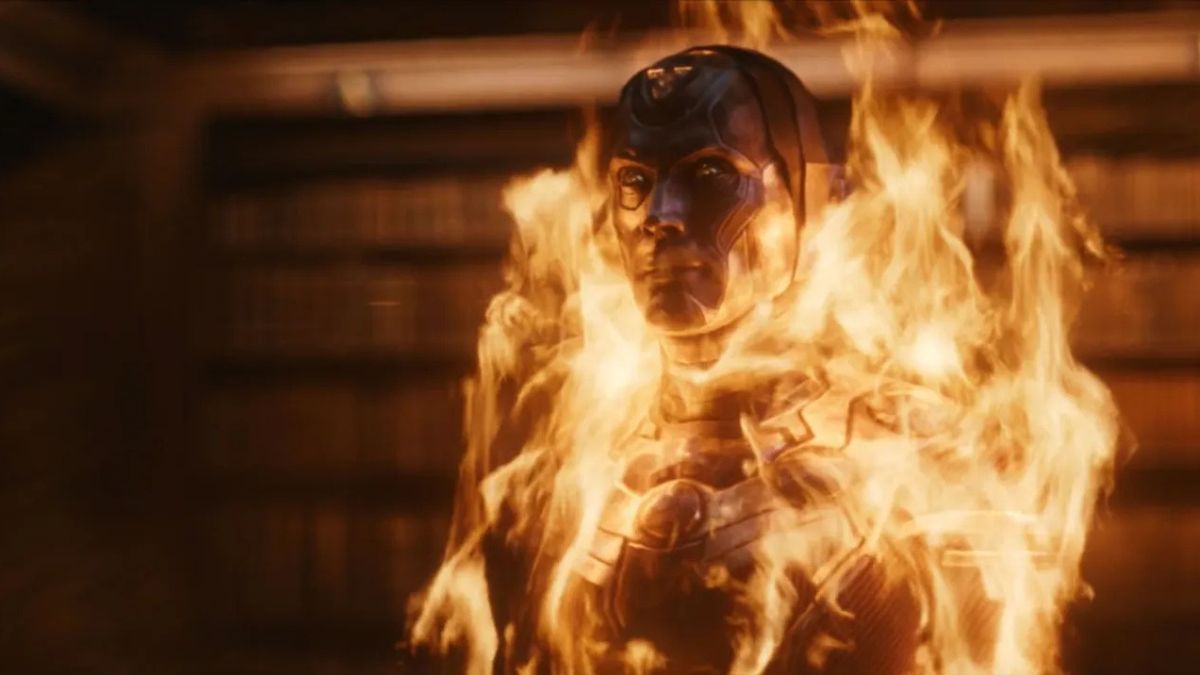
Maybe the finale will justify the expense of the series and the eight plus hours spent with B-tier characters and a somewhat regurgitated story. But all in all, it feels like another time investment with no real reward beyond the chance to exist with characters in an undoubtedly beloved world. But the MCU, with its billions of dollars and Hollywood grip, can afford to do better than act as a placeholder between mega box office hits.
VisionQuest Episode 7 drags. Despite the character revelations and the quick clip the pacing adopts, there’s no denying that the series takes effort to get through. No matter the fun stylization and the continued glee Spader takes in his roles, the intrigue diminishes because we don’t care about these characters, even when the writing is shouting at us to.
VisionQuest Episode 7 is available now on Disney+.
Previous Episode | Next Episode
VisionQuest Episode 7
-
Rating - 4/104/10
TL;DR
VisionQuest Episode 7 drags. Despite the character revelations and the quick clip the pacing adopts, there’s no denying that the series takes effort to get through.