
In February of 1986, Nintendo kicked off a new era of video game making when they released The Legend of Zelda. 40 years later, it remains one of the most popular video game franchises of all time. With 21 unique games and 8 remakes or HD remasters, there are 29 ways to play The Legend of Zelda, not including spin-offs like Hyrule Warriors. Every home console and handheld made by Nintendo, save that of the ill-fated Virtual Boy, has had at least one Legend of Zelda title.
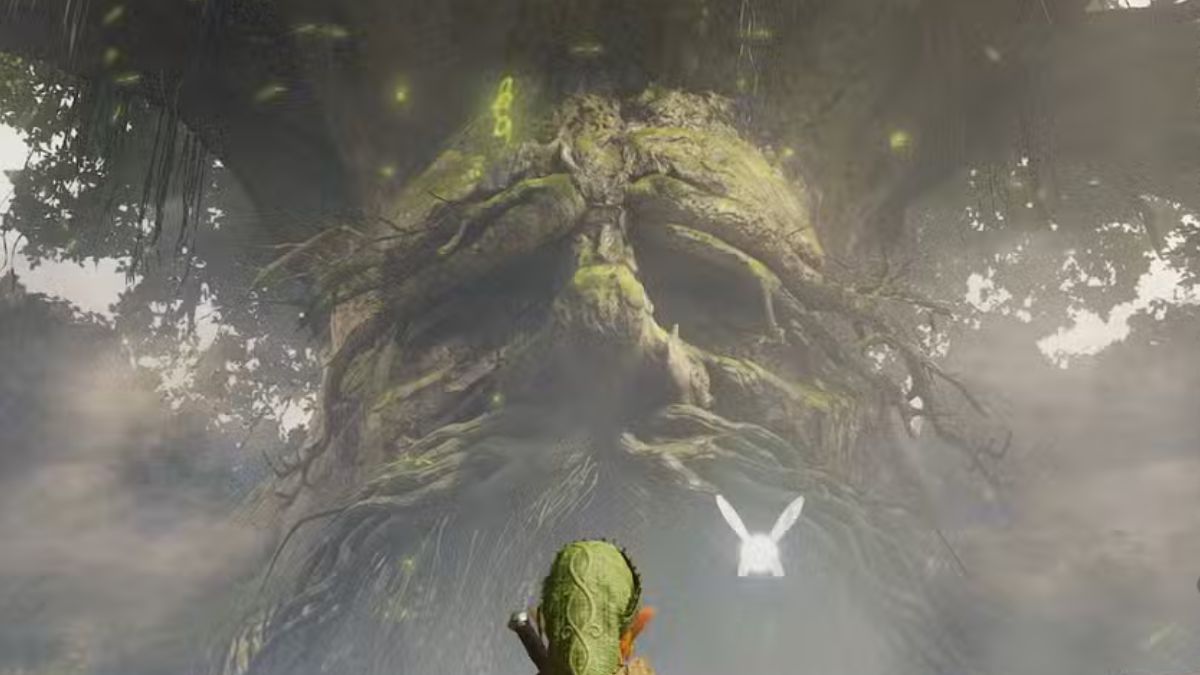
As part of the 40th Anniversary of The Legend of Zelda, Nintendo released a ground-up remake of one of its most popular titles: The Legend of Zelda: Ocarina of Time. Growing up, there were few games that had as lasting an impact on me as Ocarina of Time. It was Nintendo’s first attempt at making a Zelda title with a fully explorable world.
Additionally, it was the first Legend of Zelda game with a fully fleshed-out narrative. That’s not to say that Zelda games didn’t include a sense of deep lore and storytelling, but how that lore was delivered drastically changed in 1998 with the release of The Legend of Zelda: Ocarina of Time.
Remakes and HD remasters have always been important to The Legend of Zelda series.
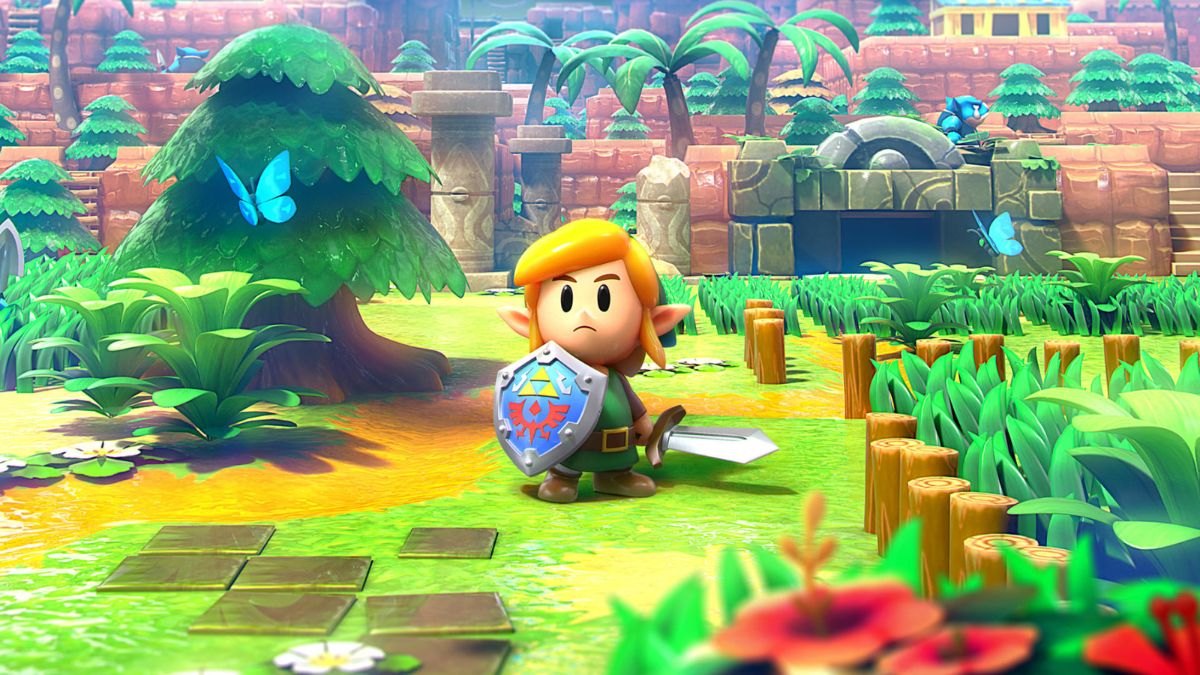
Zelda games aren’t new to remakes and remasters. With the long production cycle between titles, Nintendo has regularly used them to keep Zelda fans happy while working on the next big thing. Most hardcore Zelda fans remember the long wait between the Wii’s Skyward Sword in November 2011 and Breath of the Wild on Wii U and Switch in March 2017, but it was the next production cycle that holds the record for the longest wait between new games.
The Legend of Zelda: Tears of the Kingdom came after a gap of 6 years, 2 months, eclipsing the previous wait of 5 years, 4 months and the previous record of 5 years, 5 months set by the wait between 1993’s Link’s Awakening and 1998’s Ocarina of Time. In each of these gaps, remakes and remasters were used as stretch pieces to make the wait just a little more tolerable.
The Legend of Zelda: Ocarina of Time on Nintendo Switch 2 is a different story altogether. Instead of just being used primarily to keep Zelda fans happy during an exceptionally long wait between games, it’s being used to celebrate one of the franchise’s pillars.
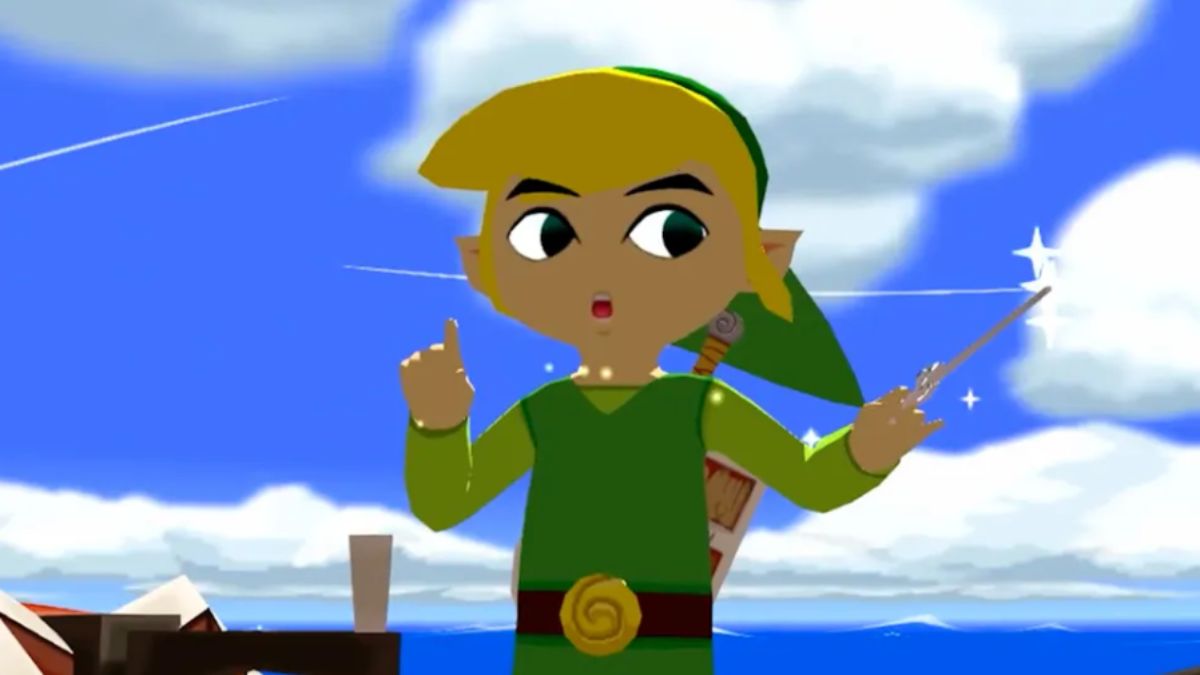
Fans of Nintendo’s Zelda remakes and HD remasters have been begging for a remake of Ocarina of Time for many years. While the beloved video game was remade as an early title for the Nintendo 3DS, many fans considered the remake deeply flawed and less faithful to the original than they expected. For years, people have been putting together HD shots of iconic scenes and locations in Ocarina of Time, showcasing what the game could look like.
Unfortunately for Nintendo, The Legend of Zelda: Ocarina of Time comes at a time when remake fatigue is at an all-time high. The online discourse about the increasingly controversial practice is understandable. People want new stories and new experiences. On social media, people call remakes “lazy” and “not creative.”
Having played at least 500 hours on the original version of Ocarina of Time between my time with the N64 and the GameCube port, I have a relationship with it that’s certainly not unique amongst gamers of a certain age. It’s important to remember that remakes serve a function beyond simply playing a game.
Nintendo developing Ocarina of Time in-house makes a major difference.
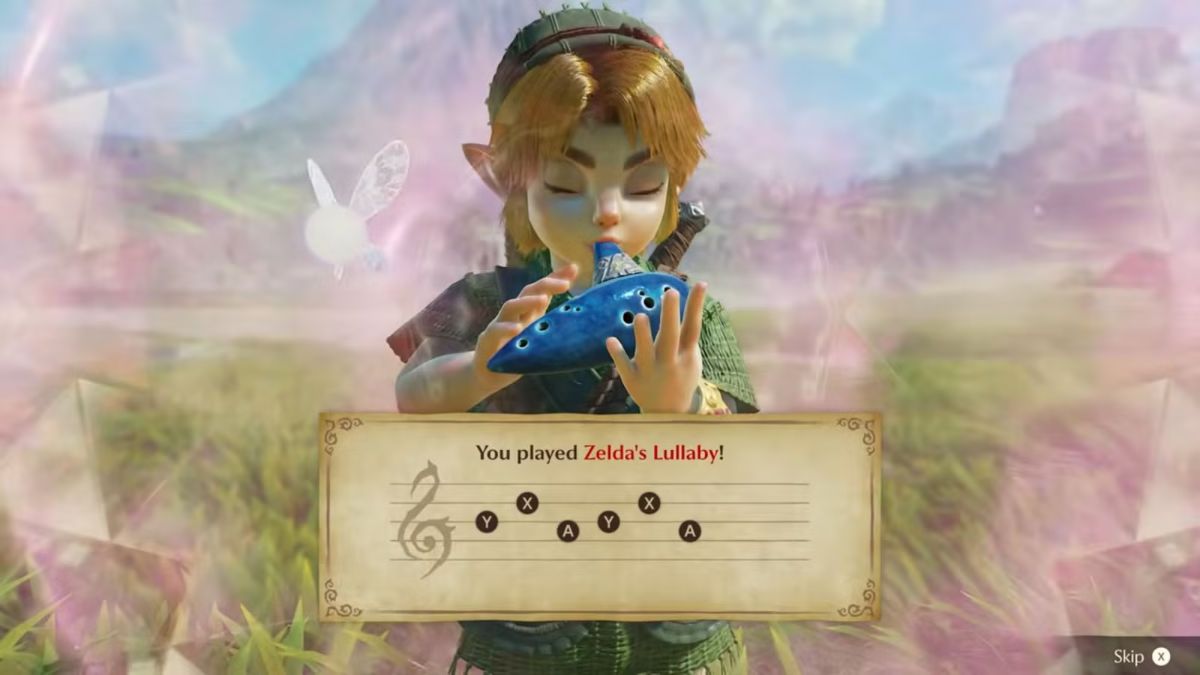
When people complain about the culture of remakes and remasters that has crept into the gaming industry, it always comes down to a personal preference. They want games to be prioritized that fit into the mold of how they personally would like to consume video games.
The problem is that dedicating more resources to Zelda games wouldn’t necessarily make them come out any faster. While The Legend of Zelda: Ocarina of Time was remade from the ground up in-house, many remakes and remasters we’ve seen over the years were developed entirely by other companies.
Ocarina of Time 3D and Majora’s Mask 3D were developed by Grezzo. The same is true of the Switch remake of Link’s Awakening from 2019. The Windwaker HD and The Legend of Zelda: Twilight Princess HD were both developed by Tantalus Media.
Additionally, remakes are a highly sought-after experience. Nostalgia is the love language of millennials and younger Gen-Xers. Memory lane and bars are the only safe spaces we’ve consistently had over the last 25 years. These nostalgic trips to our favorite video games like The Legend of Zelda: Ocarina of Time provide warmth, comfort, and a way to share some of the most defining moments of our lives with the next generation of gamers that we’re actively raising.
Remakes really do help younger audiences discover older games.
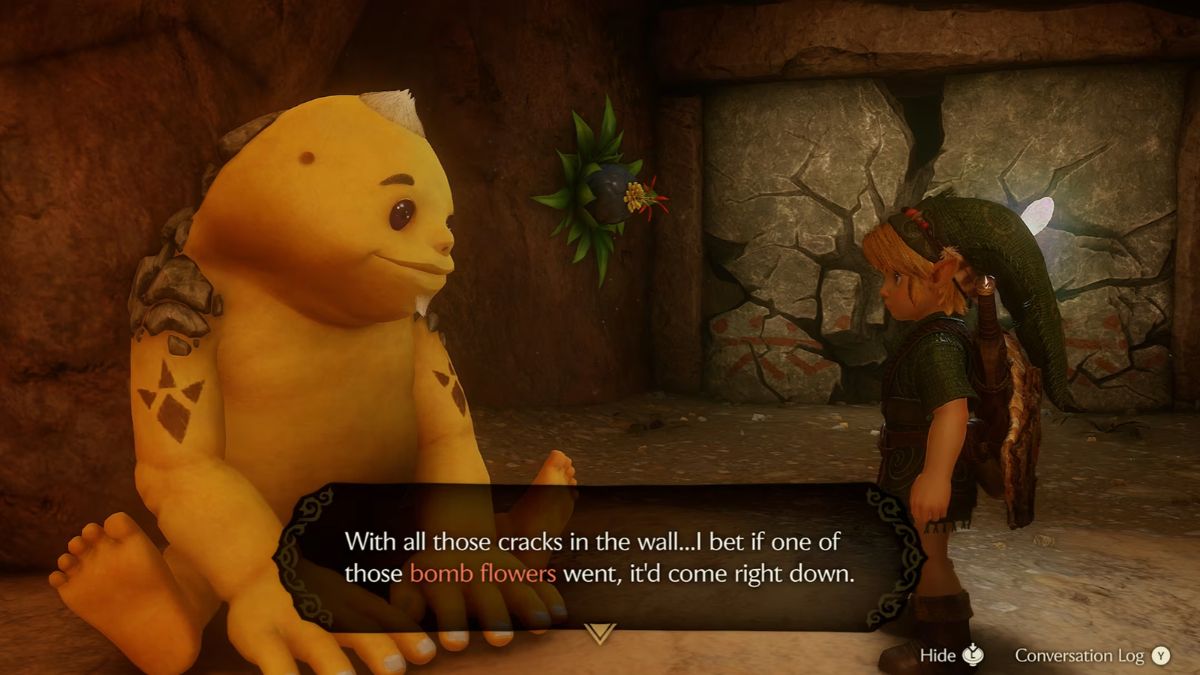
We live in a world where kids have a phone by the age of five and teenagers are ready to tune out their parents in favor of doomscrolling through TikTok or Reels. These experiences aren’t new, but they can create some of the best new memories a kid has with their parents.
I personally got to experience it twice. My adult son watched me play The Legend of Zelda: Ocarina of Time when it was ported to the GameCube. It was one of the earliest gaming experiences he had, and now that he’s 23, he’s a huge Zelda fan. My 13-year-old, by contrast, is more into Fortnite and Madden but has taken an interest in watching as I play through Ocarina of Time, largely because of how spectacular the remake looks.
Getting to experience this one game with both of my kids during their most formative years has been a great privilege for me. My older son has easily put in over 150 hours into playing Ocarina of Time 3D on his 3DS and even more time than that watching videos of speedrunners, HD reimaginings, and more. My teenager may never get into Zelda the same way we have, but that’s okay; I’ll still cherish the days he put down his phone and just watched me play one of my favorite games of all time.
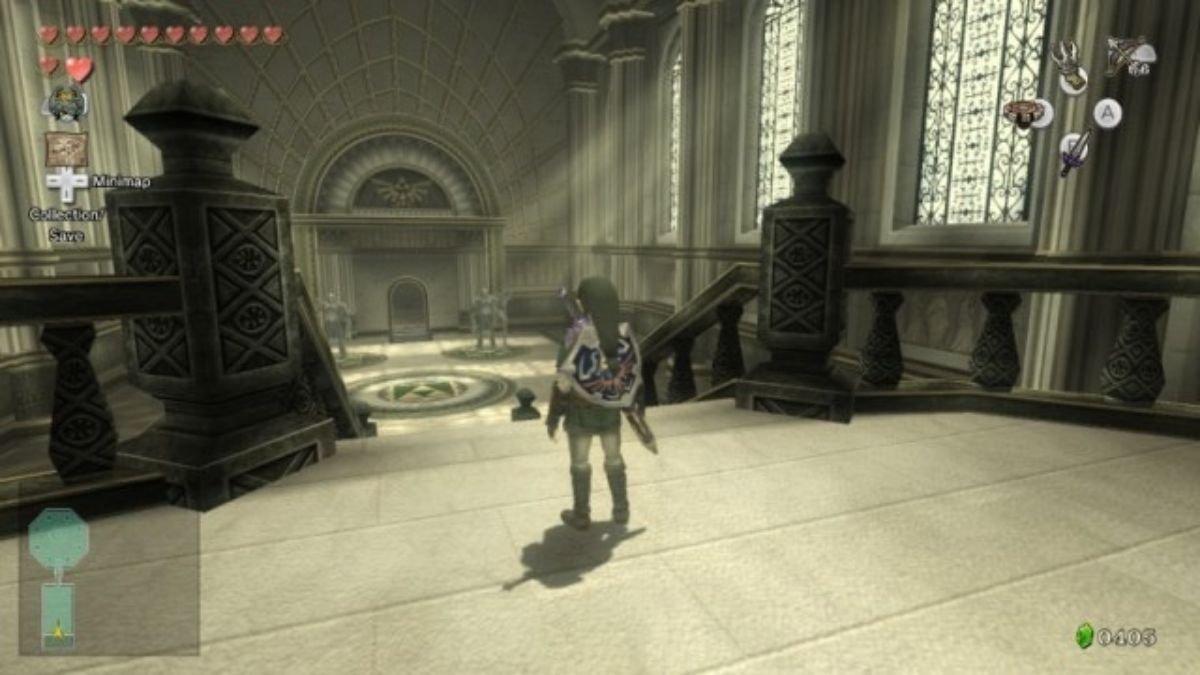
Yes, obviously remakes and remasters are a cash grab. Nintendo isn’t putting out these games because it wants to help parents make memories with their kids. Nintendo’s job has always been and always will be to make more money. It’s been widely reported that their consoles are sold at about cost or even at a minor loss, with profits coming mostly from first-party software sales.
Remakes and remasters are undoubtedly commercial products designed to capitalize on nostalgia, but that doesn’t make them inherently bad. Gamers genuinely want these experiences, and they provide emotional and generational value that the criticism of remake culture often overlooks.
No one is watching 8 remakes and HD remasters from Nintendo and thinking that the goal wasn’t to make money. Still, there’s a reason why they keep being made. People vote with their wallets. If remakes weren’t selling well, it’d be foolish for a company that depends so heavily on software sales to keep operating at a loss.
As long as Nintendo keeps making remakes this good, there’s no reason they shouldn’t.
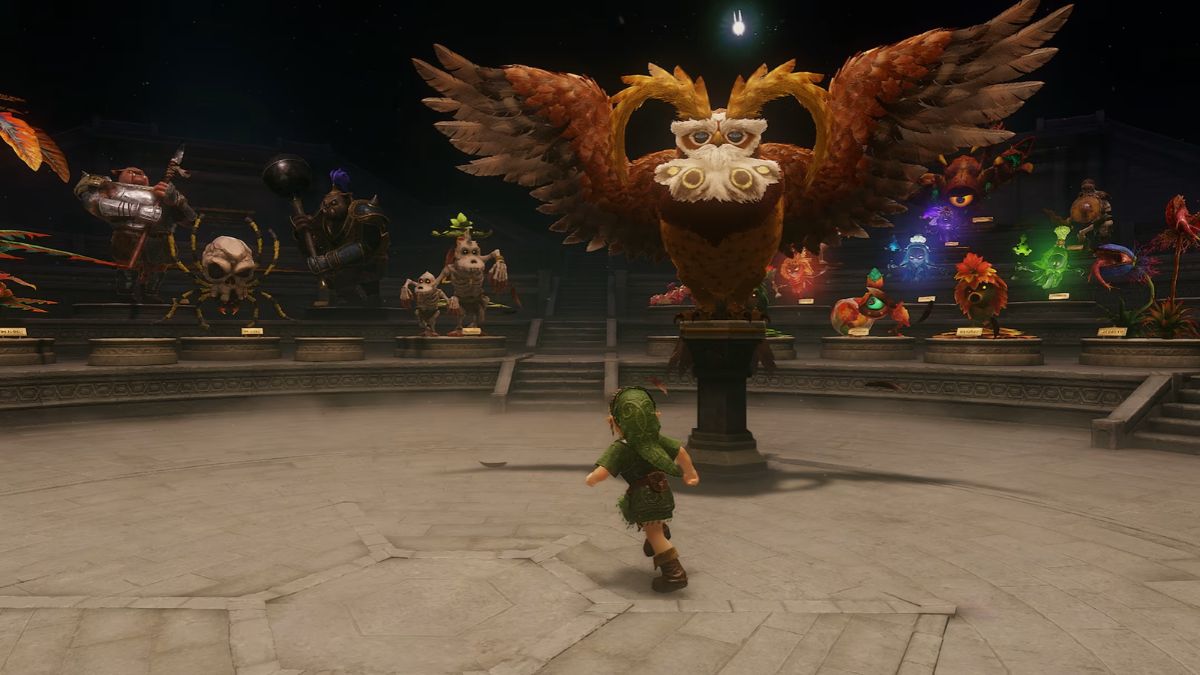
Rather, people’s enthusiasm transcends the complaining and online debates because remakes aren’t just a cash grab; they’re a cash cow. Ocarina of Time 3D on the 3DS and Link’s Awakening for the Nintendo Switch each sold over 6 million copies. Windwaker HD was released on the Wii U, a console that only ever sold 13.5 million units in its entire life cycle. With 2.37 million copies sold, that’s an attach rate of over 17 percent, while games seen as successful typically aim for 5–10 percent.
Frankly, as long as Nintendo keeps making remakes this good, there’s no reason they shouldn’t. The Ocarina of Time remake on the Nintendo Switch 2, along with every HD remake they’ve ever made for Zelda, serves as the definitive edition of the games they represent. And yes, they’ll keep asking for $60-$70 because they know people will gladly hand over their hard-earned money for another trip down memory lane.
The Legend of Zelda: Ocarina of Time is available now on Nintendo Switch 2.