

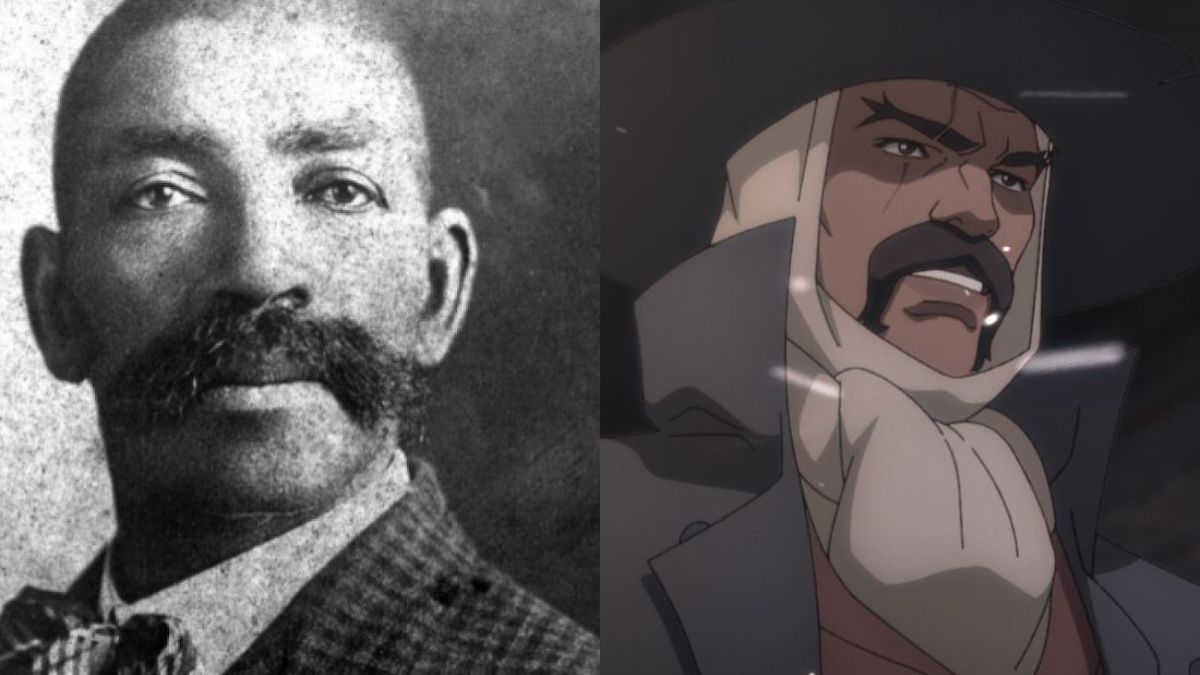
Before Netflix reimagined the legendary lawman as a steampunk gunslinger in Bass X Machina, the real-life Bass Reeves was making history on the American Frontier. Inspired by the life and legacy of Bass Reeves, one of the first Black deputy U.S. Marshals, Netflix’s animated series Bass X Machina takes certain creative liberties to reimagine Reeves’ story in a new, original story.
While the series is an entertaining and imaginative take on Reeves’ legacy, the renowned lawman who inspired it lived a life worthy of its own spotlight, too. Bass X Machina introduces audiences to Bass Reeves, his story, and his remarkable accomplishments that inspired the series. Especially since Bass X Machina might be the first time many viewers have ever heard of Reeves. Here are some interesting things to know about the real-life Bass Reeves.
Born into Slavery

Bass Reeves was born into slavery in Crawford County, Arkansas, sometime around July 1838. Both his mother and father were enslaved by the Reeves family, who would later relocate their farm and slaves to Grayson County, Texas. Much of Bass’ life was shaped by the brutality of slavery.
As an enslaved person, Bass was forbidden from learning how to read and write, which left him illiterate. This detail is mentioned in the new Netflix animated series. Despite his upbringing as a slave, Bass would go on to accomplish great things and build a life no one of the time would have expected.
Escape from Enslavement
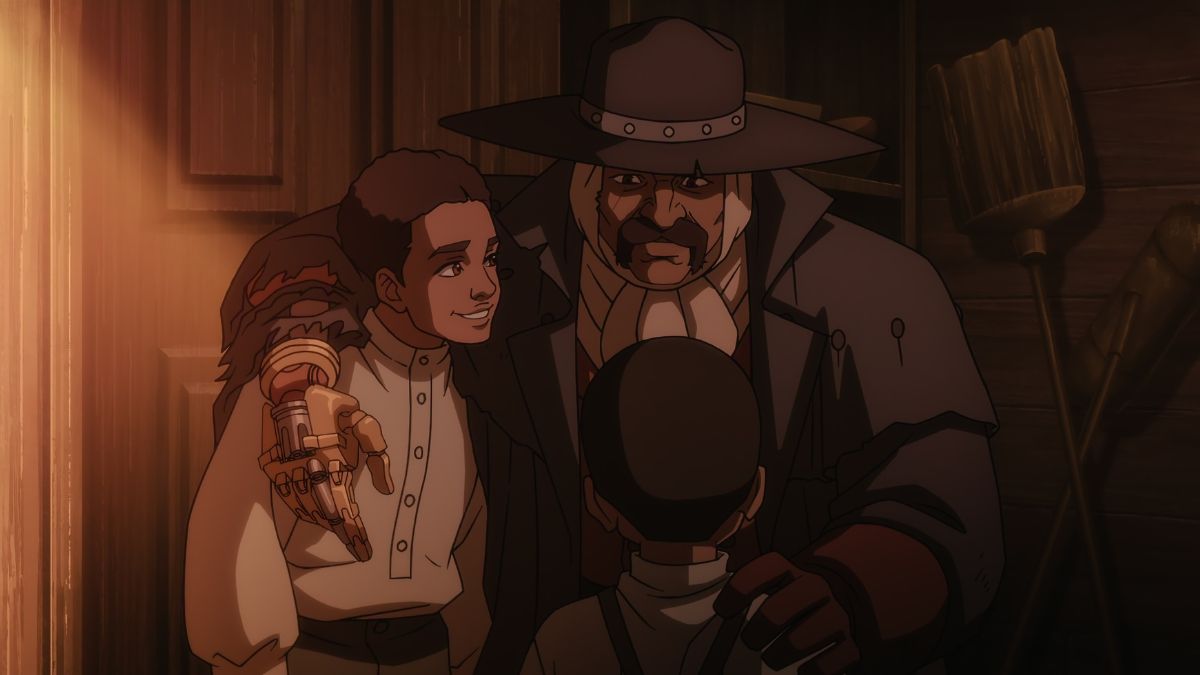
Although Reeves’ exact whereabouts during the Civil War are unknown, He himself claimed to have served in the Battles of Pea Ridge, Chickamauga, and Missionary Ridge for the Confederacy, having been forcibly enlisted under his then-master, Col. George Reeves. Bass Reeves’ family has claimed that Bass escaped from his owner between 1861 and 1862 into Indian Territory.
After the Civil War and the abolition of slavery, Reeves returned to Arkansas to settle down with his wife, Jennie, and start a family. In Bass X Machina, Reeves’ experience with enslavement and the violence inflicted upon him is reimagined through a science-fiction lens, including his prosthetic steam-powered arm and the brutal, inhumane experiment that transforms his body. While these elements are fictional, they reflect the series’ interest in examining the dehumanization and racial violence that many Black people were subjected to during this time period.
Expert Tracker and Outdoorsman

Like Bass X Machina’s storyline, Bass lived among the Cherokee, Creek, and Seminole Nations in the Indian Territory, known today as Oklahoma, after escaping enslavement. During his time amongst these tribes, Bass learned how to track, learned multiple Native American languages, and developed his marksmanship and horsemanship skills. Because of Reeve’s knowledge of the Indian Territory, his tracking skills, and his fluency in Indigenous languages, the local U.S. Marshal’s office often hired him as a freelance scout to guide federal deputies through the territory.
Not a Bounty Hunter

Unlike Bass X Machina, Bass was not actually a bounty hunter; instead, he was a commissioned federal law enforcement officer. Many iterations of Reeves’ story in the media embellish the roles of bounty hunter and enforcement officer, since both involve tracking down and apprehending fugitives.
Reeves’ career with the U.S. Marshals is especially remarkable because he used federal authority during a time period when Black Americans continued to face discrimination and racial violence. Despite the deep racial prejudices of the Reconstruction Era, Reeves’ unmatched tracking skills, marksmanship, and expert navigation of the Indian Territory earned him a commission as the first Black Deputy U.S. Marshal west of the Mississippi River in May 1875.
Deputy U.S. Marshal Career Achievements
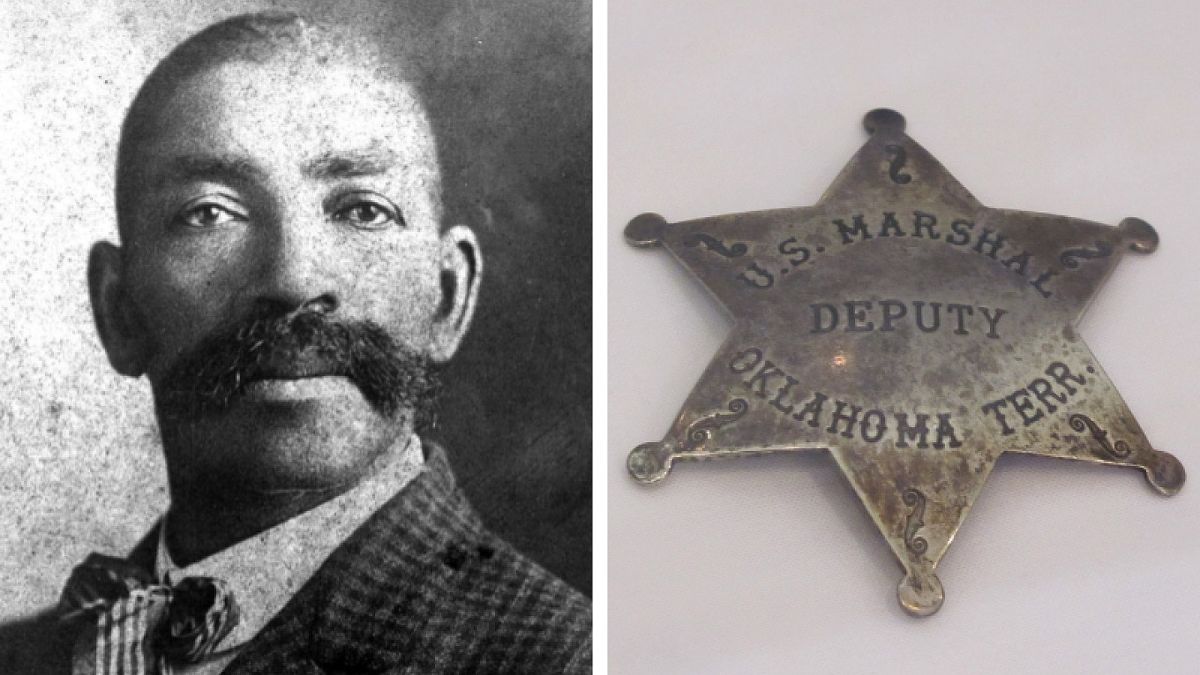
Bass Reeves served as a Deputy U.S. Marshal for 32 years, which made him one of the most successful lawmen in American history. Over his impressive career, Reeves apprehended more than 3,000 outlaws throughout the Indian Territory. Bass Reeves also found creative ways to overcome his illiteracy by memorizing every warrant before heading out on his mission. Reeves had a deep dedication to justice and respect for the law. His integrity for the law was so deep that he even arrested his own son for murder.
In addition to his respect for the law, he had a strict personal honor code never to shoot at an outlaw first. Even while hunting down some of the most dangerous outlaws of his time, Reeves saw his role as a peacekeeper responsible for delivering fugitives alive to the court of law.
Reeves, known for staying composed in dangerous situations, drew his weapons only after a fugitive shot at him first. However, this was a fatal mistake for the fugitives, as Reeves’ expert defensive marksmanship let him outshoot his targets with lethal accuracy. Throughout his career, Reeves only killed 14 fugitives during his time with the U.S. Marshals.
Master of Disguise

Although Reeves’ strength and unique skills made him a formidable officer, he was also known for being very creative in the field. Reeves often used disguises and assumed different identities to approach suspects. He would sometimes disguise himself as a gunslinger, farmer, or even an outlaw to get closer to his targets.
Reeves’ resourcefulness is an interesting point of comparison in Bass X Machina because it highlights how, despite his illiteracy, Reeves was very intelligent and outsmarted his opponents with his wits, not just his guns. The animated series briefly nods to Reeves’ disguise skills when he infiltrates Rivenbark’s science conference, quickly changing his outfit into that of an eccentric inventor. Throughout the series, Reeves also uses his adaptability and ability to outthink his adversaries without killing them unless necessary.
Bass’ Legacy Continues to Inspire Western Media and Storytelling
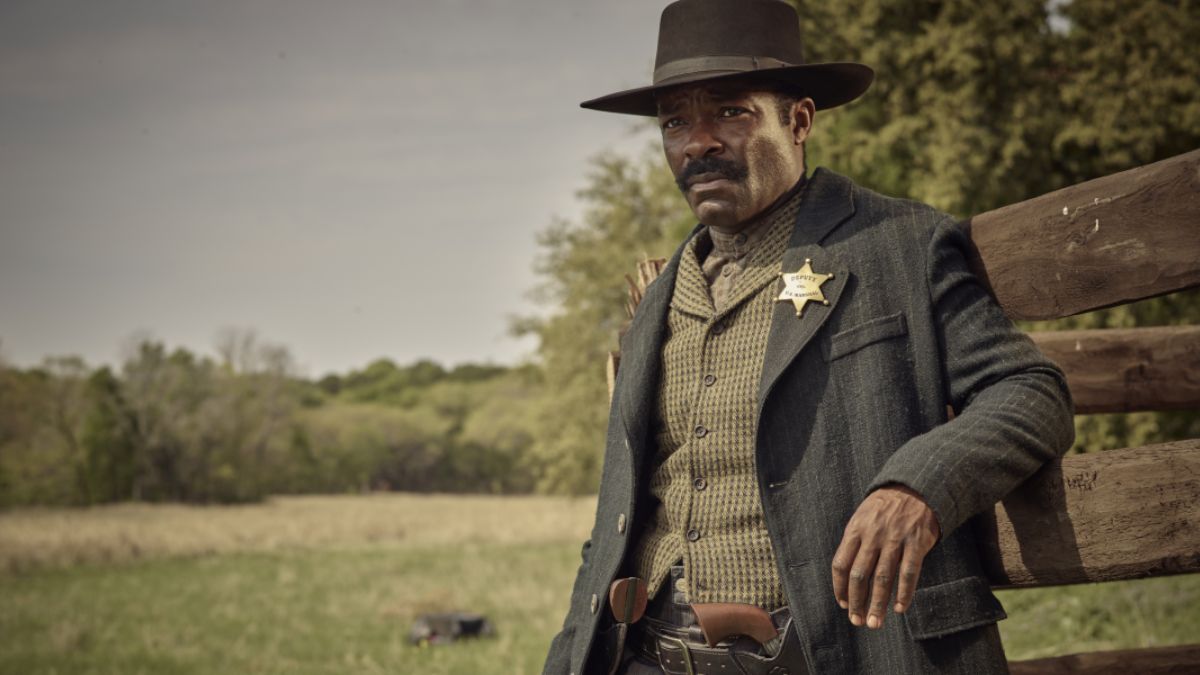
Bass Reeves’ accomplishments have made him a key figure in the history of the American West. Reeves’ story challenges the stereotypical image of the frontier as shaped exclusively by white cowboys, settlers, and outlaws. Black cowboys, scouts, settlers, and lawmen like Reeves were also part of that history, even though their contributions received far less attention in Western storytelling. Over the years, films and television shows like The Harder They Fall, Black Rodeo, Concrete Cowboy, Lawmen: Bass Reeves, and now the Bass X Machina animated series have given more recognition and attention to Black individuals like Reeves, who helped shape the American Western frontier.
Netflix’s Bass X Machina offers a great opportunity to bring Reeves’ story and legacy to a wider audience. Although the series is a fictional reimagining of Reeves’ life that takes considerable creative liberties, it still finds ways to honor the impact and contribution Reeves made to American history.
The new animated series gives audiences whose interest was piqued by Brian Tyree Henry’s character a chance to look beyond the show’s fictional story, learn more about Reeves, and be introduced to a remarkable figure in Black and Western history.
Bass X Machina is streaming now, exclusively on Netflix.