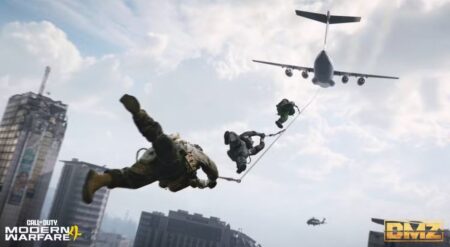

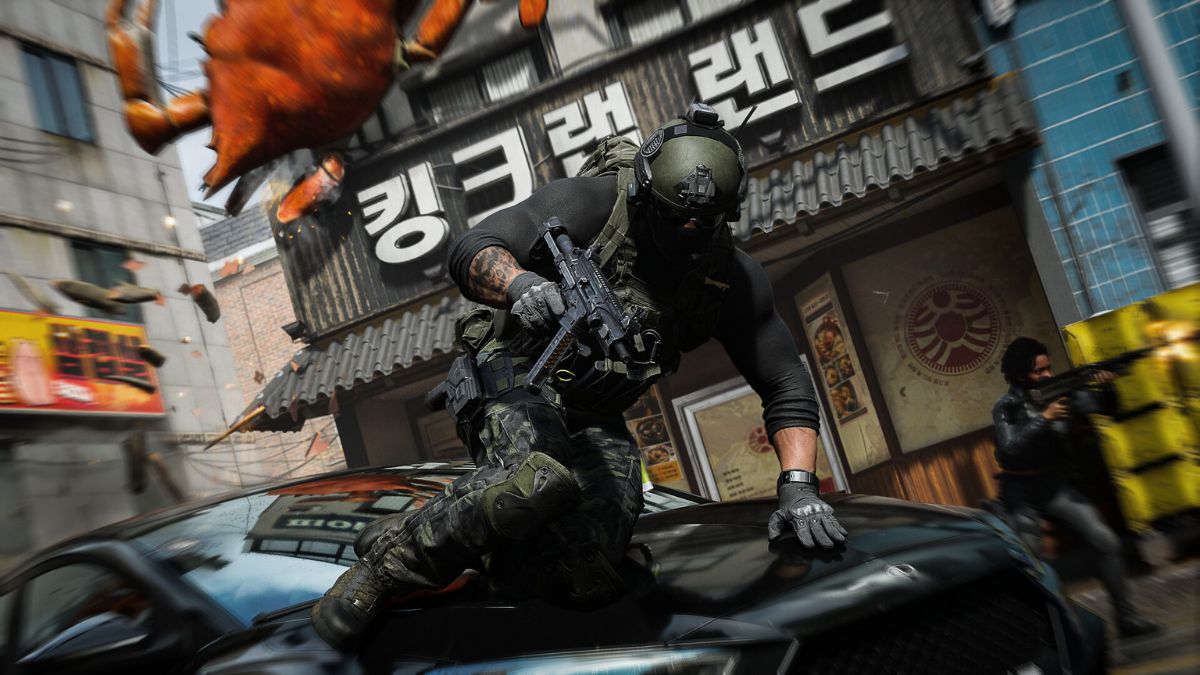
In 2013, Activision released Call of Duty: Ghosts on Wii U. Since that time, Nintendo hasn’t featured a single Call of Duty title until now. Call of Duty: Modern Warfare 4 is the first CoD game to be on a Nintendo console in 13 years. The result is a mostly successful FPS experience for dedicated Nintendo players.
In 2022, Microsoft announced its intention to purchase Activision, the studio behind the popular Call of Duty franchise. In order to get their $69 billion all-cash purchase approved by regulators, Microsoft had to sign binding agreements that Call of Duty would continue to appear on PlayStation consoles and come back to Nintendo.
Despite having a PC and other gaming consoles over the years, I’ve always been a Nintendo fanboy. My earliest gaming memories are of getting up in the middle of the night to play Super Mario Brothers on the NES. When the Nintendo Switch hit the market in 2017, I was a day 1 adopter, just as I was in 2025 for the Switch 2.
The problem the Switch has always had is that handheld FPS has become synonymous with compromise. Unfortunately, while the Switch 2 provides a perfectly playable edition of Modern Warfare 4, it still makes compromises that the other current-gen consoles don’t have to make.
According to Digital Foundry’s analysis, the Switch 2 caps framerate for the campaign at 30 fps. In the online co-op mode, DMZ, the Switch 2 locks in at 40 fps provided that you have a 120 Hz display. In the absence of that, it locks at 30 fps in DMZ instead.
The Switch 2 may have technical limitations, but that doesn’t hold Call of Duty back from being great.
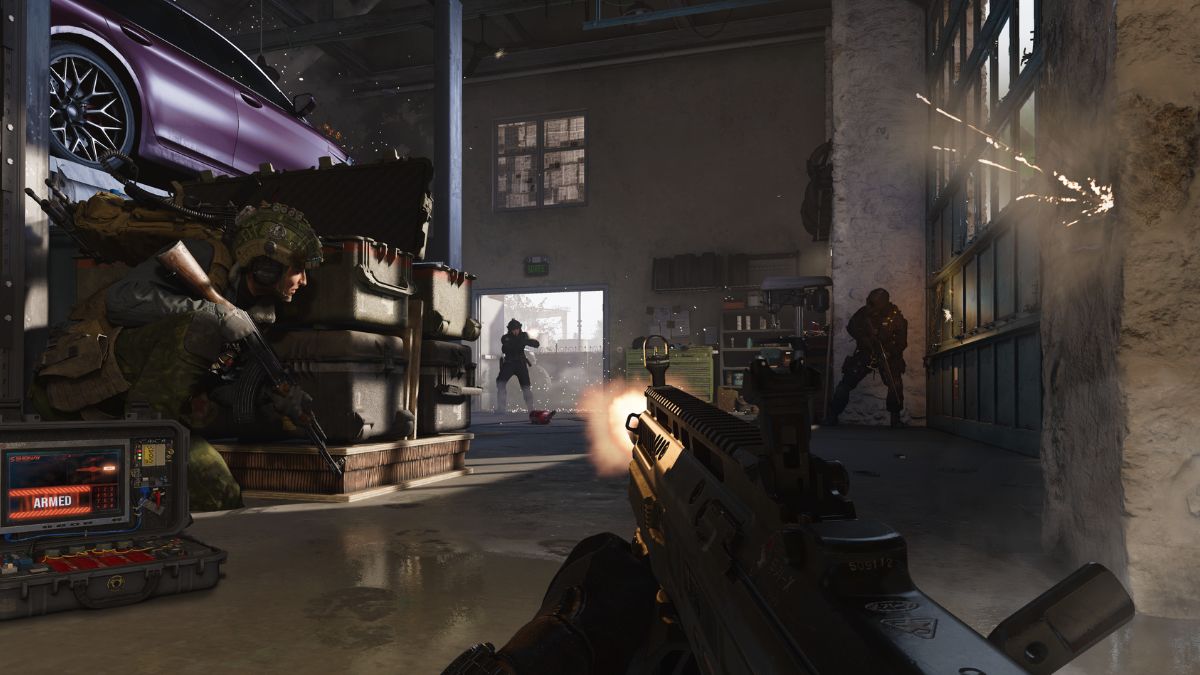
Multiplayer delivers the best framerate performance, aiming for 60 fps. When the load is heavier, it may dip as low as the 40s, but Infinity Ward made every effort to keep multiplayer performance comparable to competitors on different hardware.
The framerate compromise in the campaign allows for a smoother experience, but sub-60 frames come with higher latency issues. In multiplayer, the goal is 60 fps, but when it dips below that, the response time can be as much as double that of the PS5. However, Variable Refresh Rate (VRR) keeps it from being terribly noticeable on-screen.
Some of the issues depend on what graphics setting you choose for image rendering. Its own SMAA T2X and NVIDIA’s DLSS options each have their own pros and cons. SMAA T2X provides a sharper image, but some of the smaller details are noticeably flawed. On the other hand, smaller details are almost fully resolved, and the quality is more stable with DLSS, but the overall picture is much softer than SMAA T2X.
The mouse function feels like a gimick, but when docked, Modern Warfare 4 plays like a charm.
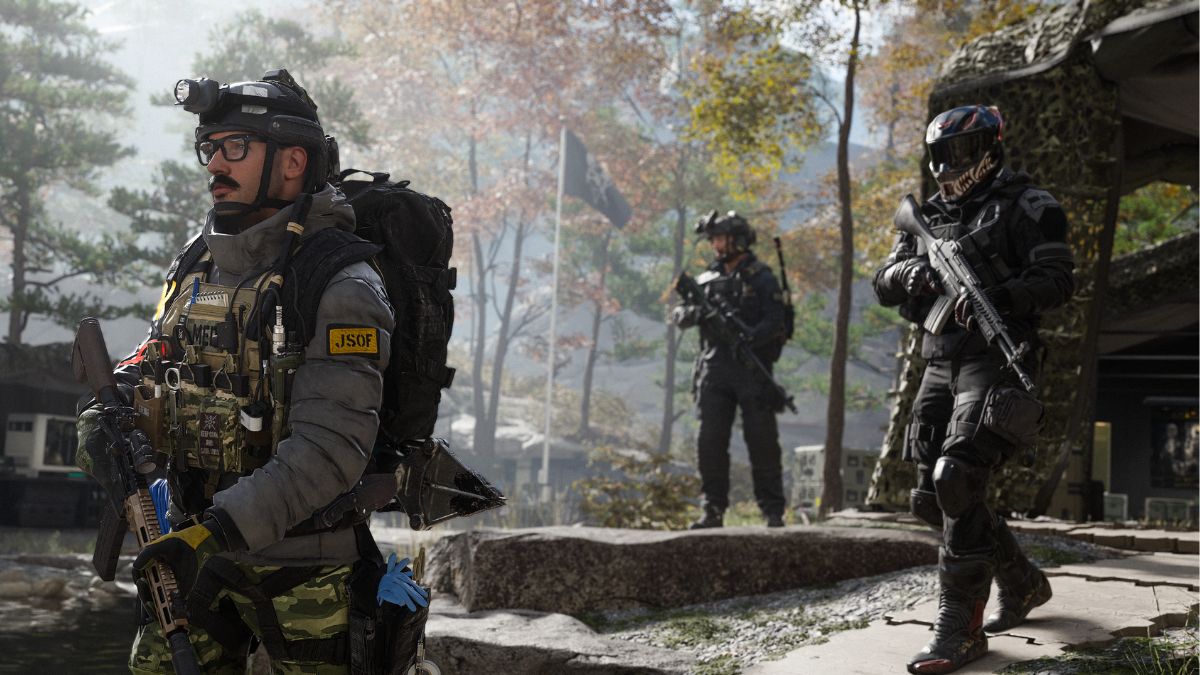
The question isn’t really about whether it’s a technical masterpiece. No one reasonably expected Nintendo’s newest console to keep up with a PlayStation 5, an Xbox Series X|S, and certainly not a gaming PC. There’s a reason that Call of Duty: Modern Warfare 4 isn’t being supported on PlayStation 4 or Xbox One, despite the Switch 2 having hardware capabilities more closely aligned with that generation of consoles.
Still, the VRR and stable 30fps in campaign make it a surprisingly accessible edition, so long as you are looking specifically for a console experience. Nintendo enabled mouse controls by turning the right Joy-Con on its side. Unfortunately, it’s just not that good an option. It plays like a forgettable gimmick that doesn’t add anything of substance to the Nintendo Switch 2.
That, however, isn’t inherently a bad thing. The Nintendo Switch 2 isn’t a PC and, by and large, people aren’t buying it because it can mimic one. The real question is, “Does Call of Duty: Modern Warfare 4 deliver an experience that caters to Switch 2 players without making it unplayable?”
Modern Warfare 4 absolutely works on Switch 2.
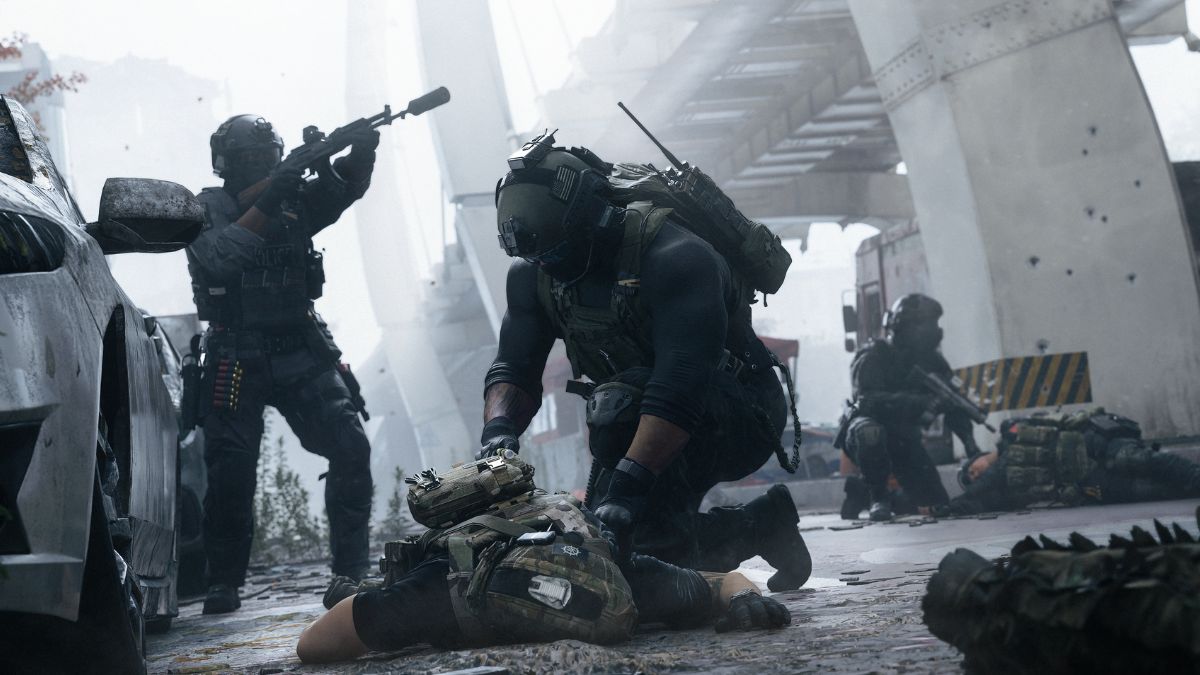
Simply put, Infinity Ward absolutely delivered on that premise. Setting the less-than-perfect technical aspects aside, Modern Warfare 4 is fully playable in both docked and handheld mode. Yes, it requires an internet connection anytime you’re playing, but if you’ve got your Switch 2 and an internet connection, Modern Warfare 4 can be played virtually anywhere.
I played for many hours in handheld mode. Sometimes I was at home, but my family had something on the TV. Sometimes I was in bed getting ready to go to sleep. Sometimes I was out and about, and even when using my phone’s hotspot, I had a stable enough internet connection to dive into a match or two.
Since the first iteration of Nintendo’s popular hybrid console, the Switch’s greatest asset and biggest draw has always been versatility. That’s important because if people aren’t buying Modern Warfare 4 for the Switch 2’s ability to mimic a PC experience, what’s the draw? The draw is that they can play it wherever they want.
The Switch 2 hasn’t eliminated the compromises associated with playing shooters on Nintendo hardware, but it has reached a point where those compromises no longer prevent a genuinely enjoyable experience. Nintendo’s first Call of Duty outing in 13 years isn’t a flash in the pan. It’s fundamentally changing how much access players have to one of gaming’s most popular franchises. With dedicated Nintendo players finally having a viable option to play Call of Duty, the future looks good for shooters on the Switch 2.