

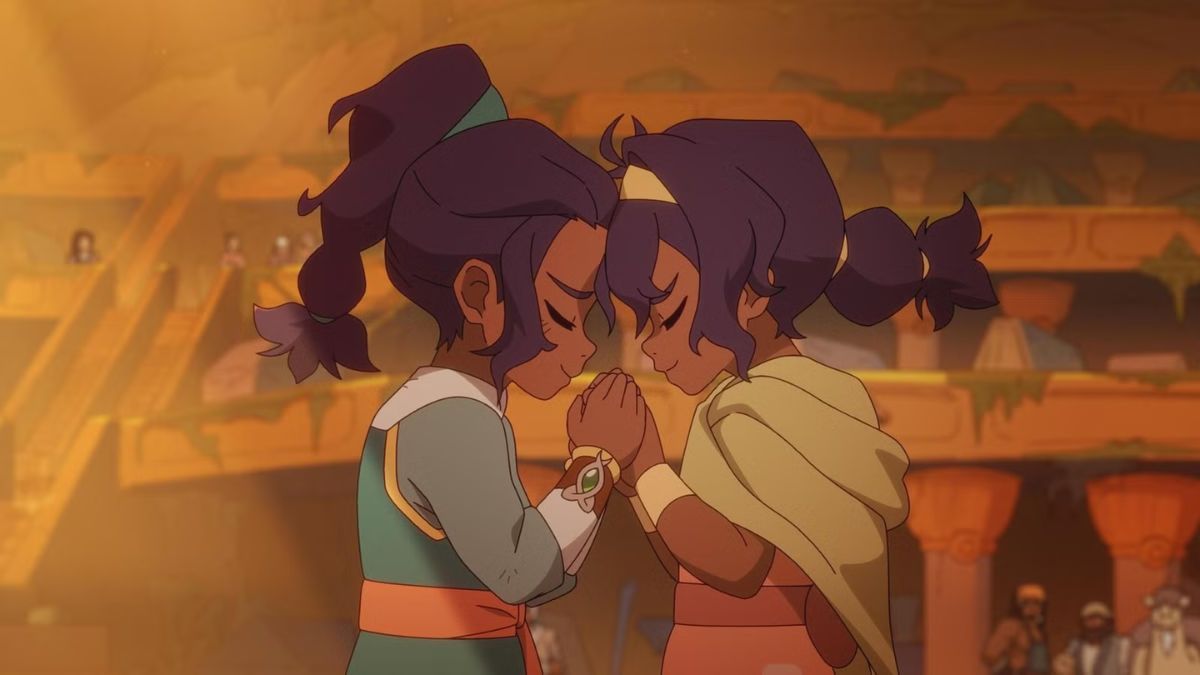
In the run-up to Avatar: Seven Havens Episodes 10-13, the finale of Book One: Survival, Avatars Pavi (Saheli Khan) and Nisha (Aishu Devan) are in their most dire state yet. After Nisha revealed herself as an Avatar to Ellora in an attempt to defend its rulers against the Faceless rebels, hoping that she’d be seen as a hero, she was soundly beaten by leader Agam (Sakina Jaffrey) and immediately villainized and scapegoated by those same elites, especially Kayako (Jennifer Sun Bell).
Karthik (Akshay Khanna) and the rest of the White Lotus secure Nisha’s escape from Ellora at the cost of their freedom, and Jae (Major Curda) seemingly betrays the team to Ellora’s rulers. Now, Nisha and Pavi are separated, on their own, and the supposed “anomaly” that feeds on fear seems just to be getting stronger. Heading into the last batch of four episodes of Book 1, Avatar: Seven Havens Episodes 10-13, how can things get any worse? Or better, for that matter?
Chapter 10 of Avatar: Seven Havens, “Ghosts and Spirits,” is written by Jennifer Cho Suhr and directed by Kenji Ono. Chapter 11, “The Battle of the Ruins,” is written by Peter H. Lee and directed by Michael Chang. Chapter 12, “The Dome,” is written by Sehaj Sethi and directed by Jasmine Goggins. Chapter 13, “The Root Chakra,” is written by Chad Quandt and directed by Ono and Alexandra Chiu.
Avatar: Seven Havens Episodes 10-13 prove the latest Avatar series has the best debut season.
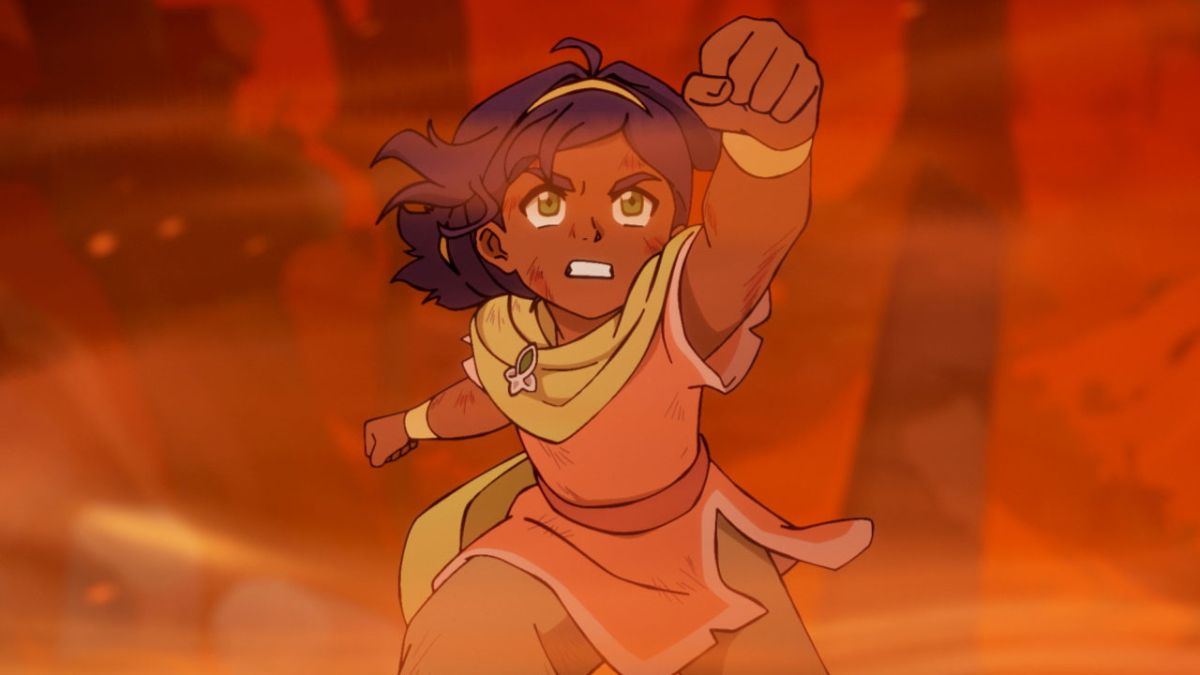
This last batch of episodes of Book 1: Survival cement Avatar: Seven Havens as having the best first season of the three Avatar Legends shows so far. Of course, Book 1 of Avatar: The Last Airbender and The Legend of Korra are exemplary in their own ways, with the former being an extraordinary season that sets up this world we love so much.
But as a cohesive narrative that builds upon that foundation, exploring sociopolitical and interpersonal dynamics, with emotional stakes that go to unexpected places, exploring the rawness of the struggle to achieve spirituality, along with stellar animation that continues throughout these various series, Avatar: Seven Havens has somehow managed to be even better than its foundational predecessor. It’s a testament to series creators Bryan Konietzko and Michael Dante DiMartino and the new team they’ve assembled, especially co-executive producer and show developer Sehaj Sethi, that they could achieve this.
While so many bemoaned the premise of Seven Havens deconstructing what we had known before in this series, it proved to be for the best. It solidifies Avatar Legends‘ core theme that the only constant is change, and that we must always strive for balance, harmony, trust, and love among one another, even in the moments where it might seem impossible, as we see in these magnificent, heart pounding, and tearful Avatar: Seven Havens Episodes 10-13.
Pavi and Nish uncover shocking truths while exploring their abilities.
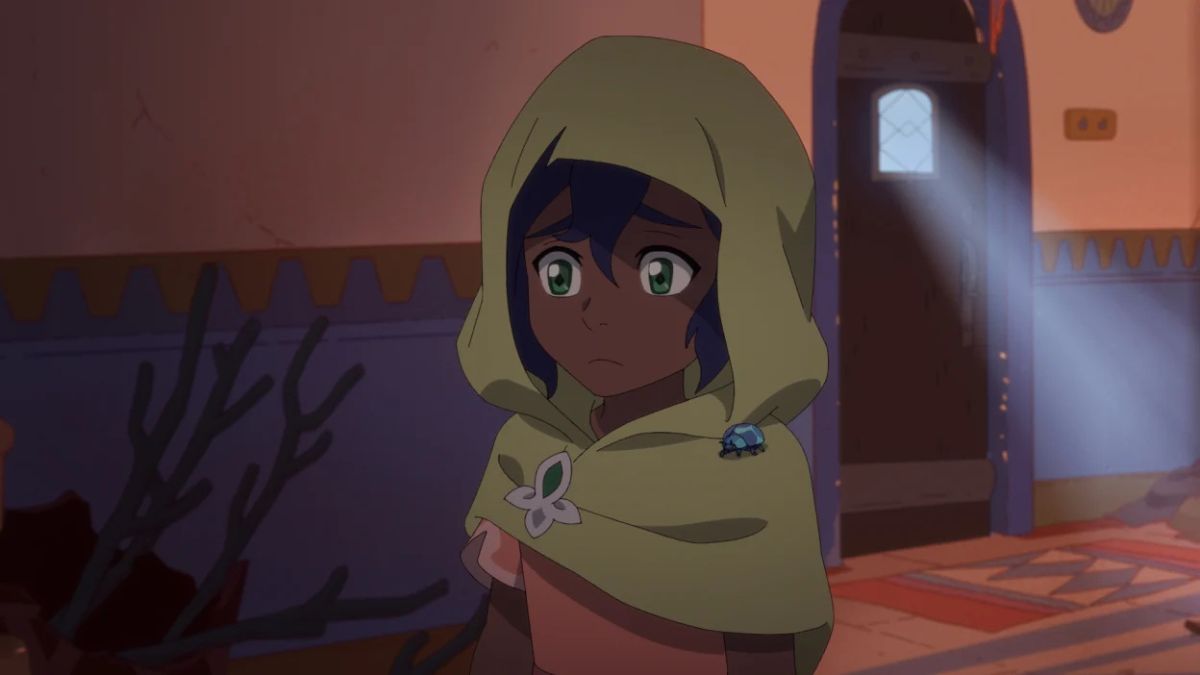
The finale makes abundantly clear that Avatar: Seven Havens is a grounded, human story above all. It’s a morally messy story about how we all affect one another, what secrets and feelings we keep and share with each other, and how we work through the messy and complicated challenges that life throws at us and that we can ultimately only make through together.
It has shocking decisions from characters we thought we already understood. The end of this season will leave you intentionally unsatisfied, but in doing so it is brave enough to withhold the answers. We don’t get the answers to most of the mysteries, but what we do get is just tantalizing enough to leave us only wanting more in the best way possible.
The intelligent writing explores how these children would react and respond to the revelations that Pavi and Nisha uncover. They are not driven by the logic that comes with maturity and experience, but by raw, primal emotion that drives the Avatars of Two to make consequential decisions that will change them and the world writ large.
We continue to explore their ability and willingness to step into their power, to either great or devastating impact. The Avatar is the crux on which the world must hinge for balance, and the risks and simultaneous opportunities for the world to achieve balance are on full display in the first season finale of Avatar: Seven Havens.
Saheli Khan and Aishu Devan deliver outstanding and raw performances as Pavi and Nisha.
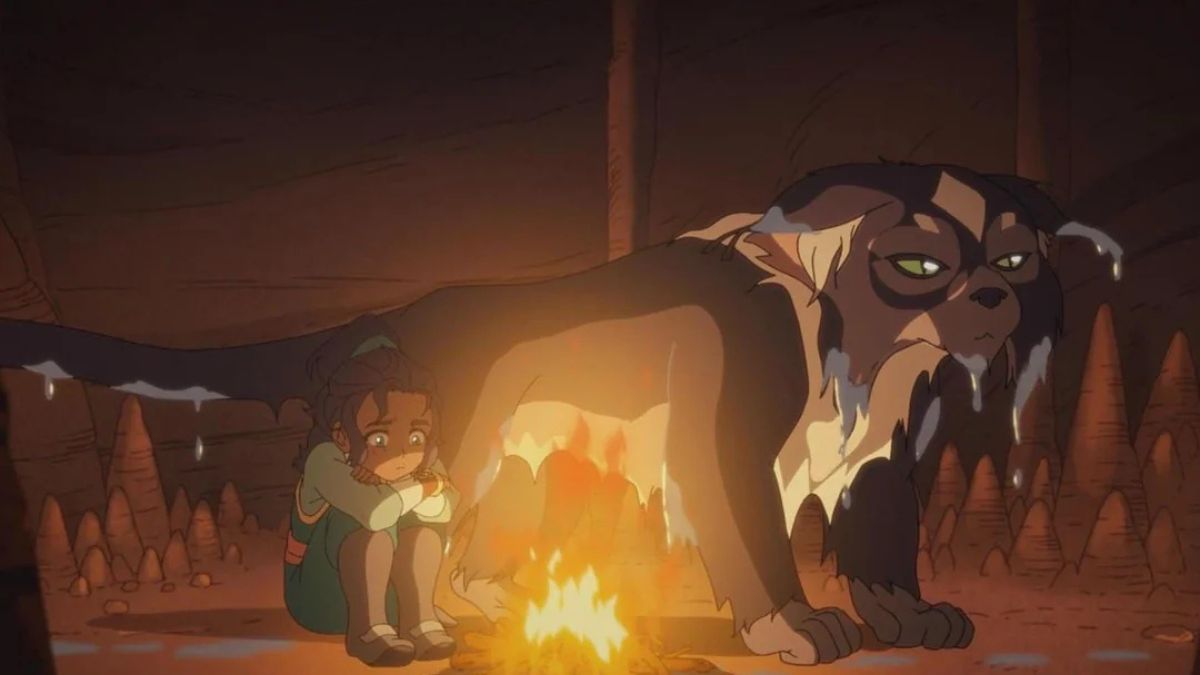
Khan and Devan have been outstanding in their performances throughout the season, but they are even more exemplary in this last batch of episodes. Each conveys so much grief, regret, fear, courage, determination, vulnerability, and strength as the young Avatars. It’s all the more impressive considering how young both they and their characters are.
And it’s especially amazing to watch as our young Avatars confront their deepest fears as they must save Ellora from itself. You will empathize immensely with both these young girls, as their story puts you through the wringer in ways you may never have anticipated.
Thankfully, their beloved Cat-Monkeys, Ruhi and Geet (Dee Bradley Baker), provide them both with constant companionship they both need at such a tender age. Along with the heartbreaking writing and vivid animation, Devan and Khan make you weep with the sheer weight and depth of their performances. It’s an absolutely mesmeric pair of performances that warrant the young actors deserved acclaim.
Nisha’s declaration reveals the ugly underpinnings of Ellora.
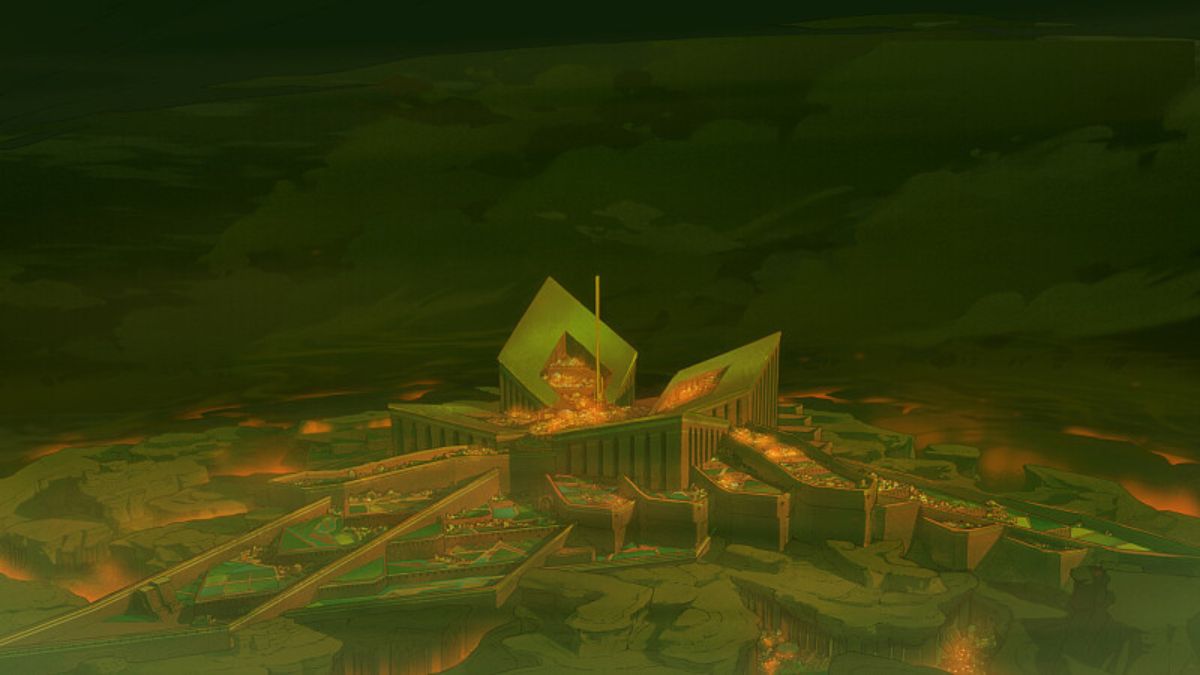
Now that Nisha has revealed herself as an Avatar, the fascism of Ellora and its leader Kayako is fully unleashed. The chancellor commits atrocious acts in her hunt for the nine-year-old twins. Her character and Sun Bell’s performance bring echoes of the problematic fave Princess Azula from the original series, but she stands on her own as a unique character. She’s losing it in her slipping grasp over Ellora. She’s somehow still convinced that everything she’s doing is for the best, to enraging effect as we watch her devolve. Bell delivers a brilliant performance.
Additionally, Agam has grown into one of the best characters on the show. A caring renegade Earthbender conveying immense wisdom and knowledge, she gives a needed lightness to the show, in some ways resembling the wryness of Toph. Jaffrey’s performance imbues Agam with shrewdness, wit, care, and so much more that will have fans clamoring for more. Zi (Dianne Doan) also has an expanded role, as do the rest of the Faceless as we get to know their rebel society even more, increasingly rooting for them in their struggle against Elloran tyranny.
And of course our Airbending mentors Karthik and Jae continue to stand out as each deals with their own personal journeys of love and loss. Jae, in particular, must navigate deepening relationship conflict with his beloved Datu (Topher Ngo), as well as contend with his place in Elloran society, as Curda continues to give an amazing performance. Karthik likewise must continue to face his cherished Kayako during her descent into borderline villainy, with Khanna delivering a wonderfully mature and vulnerable performance.
Avatar: Seven Havens remains gorgeous, settling into its distinctive animation style.
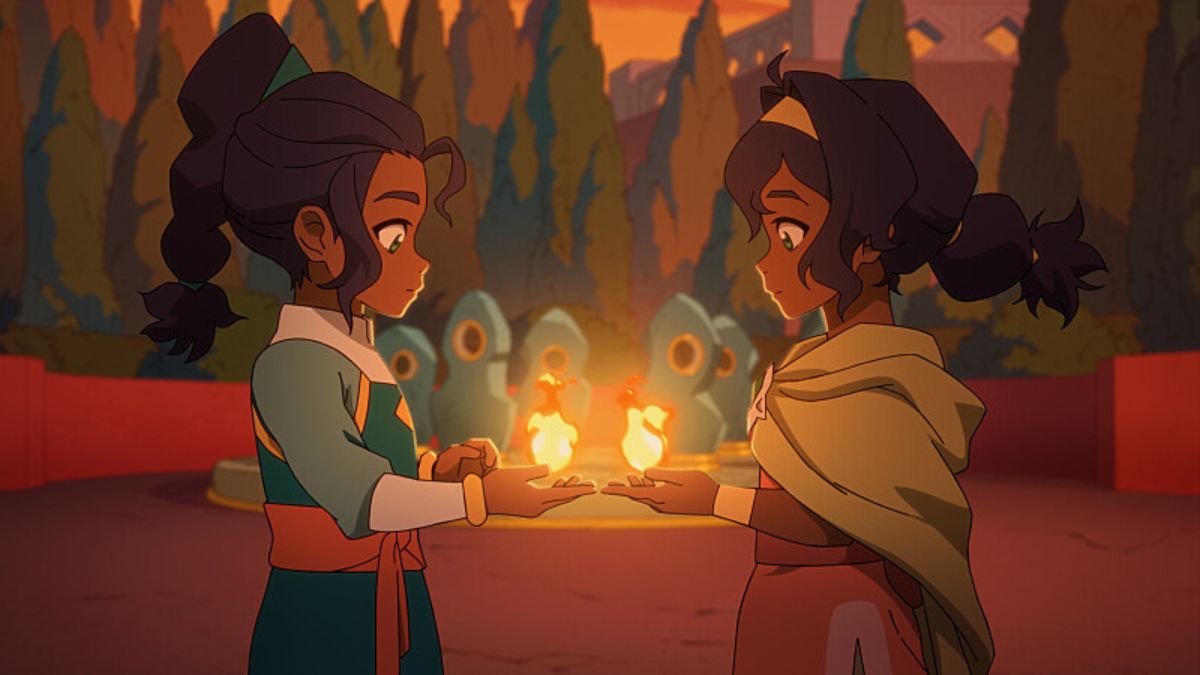
The show was intentional in showing the Bending Arts as rather stunted in the beginning, in order to reflect the loss of care for the art form as well as the loss of spirituality in Elloran society. The season has gradually improved the Bending that we see as the strict metaphorical walls of Ellora are broken down and Pavi and Nisha must face more threats.
We see absolutely beautiful bending from the Avatars and the cast writ large, along with some outstanding animation relating to the Spirit World. While different from its predecessors in some of its animation styles, Avatar: Seven Havens remains gorgeous to watch, especially in its finale episodes.
And of course, Jeremy Zuckerman’s score continues to fire on all cylinders. In particular, he builds on the themes established early in the season, carrying them to an extraordinary crescendo in the finale episodes. Along with the themes that he established in Avatar: The Last Airbender and The Legend of Korra, it’s absolutely riveting to hear as well as to watch on the screen.
Avatar: Seven Havens Episodes 10-13 closes Book 1: Survival on a powerful note.
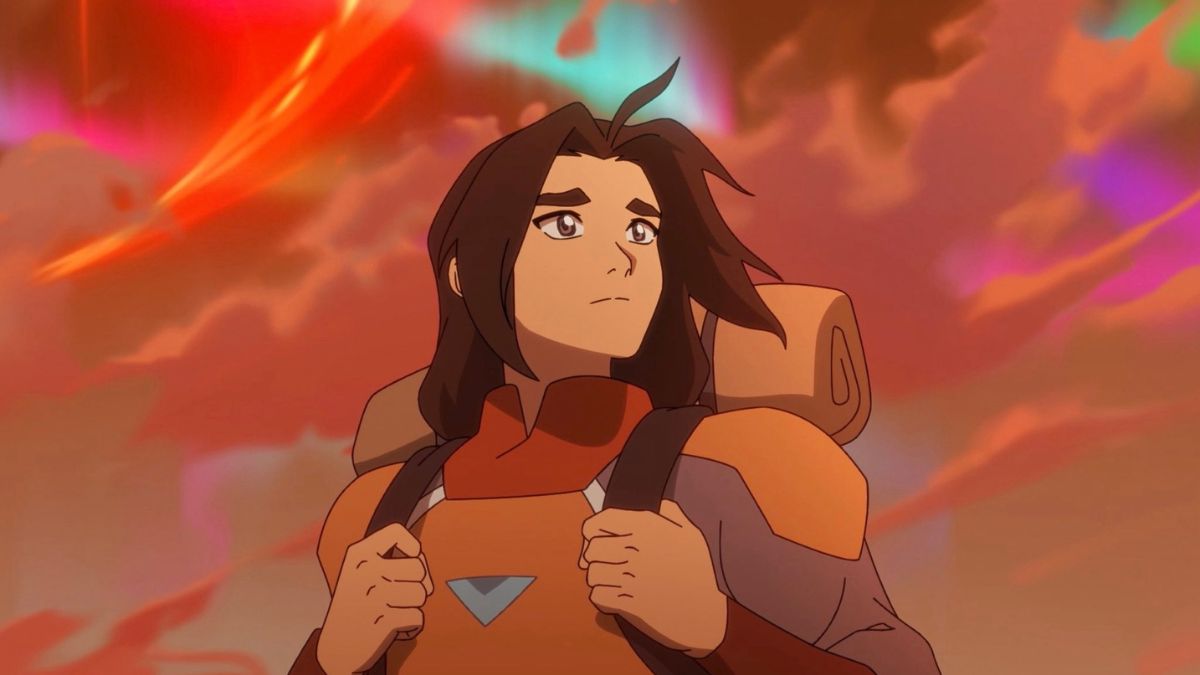
Avatar: Seven Havens Episodes 10-13 solidify Book 1: Survival as the best first season among all the Avatar Legends shows. With their rich, dramatic, and morally complex story, outstanding performances from Khan, Devan, and the rest of the cast, beautiful animation, stirring and heartbreaking themes, gorgeous score, and so much more, these episodes showcase the sheer depth of ability of Avatar Studios, and promise a bright future for more Avatar: Seven Havens.
It’s an outstanding achievement, especially considering how bold the creators were to make such a break from the settings of the previous shows and give us something that feels both new and a natural evolution of this beloved world. It certainly wasn’t an easy set of decisions, but the Avatar Legends universe is all the richer for it, with an incredibly bright future ahead. Bravo to the entire cast and crew, who deserve all the recognition for making something truly remarkable.
Previous Episodes | Next Episodes
Avatar: Seven Havens Episodes 10-13
-
Rating - 10/1010/10
TL;DR
Avatar: Seven Havens Episodes 10-13 solidify Book 1: Survival as the best first season among all the Avatar Legends shows.