

Spoilers for episodes 1-3 follow, along with setup spoilers for episodes 4-6
After the groundbreaking reveal that we have not one but two Avatars in Pavi (Saheli Khan) and her twin sister Nisha (Aishu Devan), as well as the revelations of clues and uncovered memories about their mysterious past, Avatar: Seven Havens Episodes 4-6 hit the ground running. With their new mentors Karthik (Akshay Khanna) and Jae (Major Curda), among other members of the White Lotus, the twins must pursue their Avatar training in the Bending Arts and uncover the mysteries surrounding their past and those of Ellora today.
Chapter 4, “The Faceless,” is written by Lauren Bradley and directed by Kenji Ono. Chapter 5, “The One Left Behind,” is written by Jennifer Cho Suhr and directed by Kenji Ono. Chapter 6, “Night of the Afflicted,” is written by Peter H. Lee and directed by Jen Bennett,
Pavi and Nisha have clearly grown close as sisters in the last few episodes. It never feels rushed, especially given that they’re gradually recovering their lost memories of each other growing up before the three years they were separated and had their minds somehow wiped of their family. It’s an effective narrative technique that helps the audience buy into their sisterhood even more easily, alongside the superb chemistry Khan and Devan bring to their dual-protagonist performances.
Avatar: Seven Havens Episodes 4-6 haven’t lost their roots from the previous series.
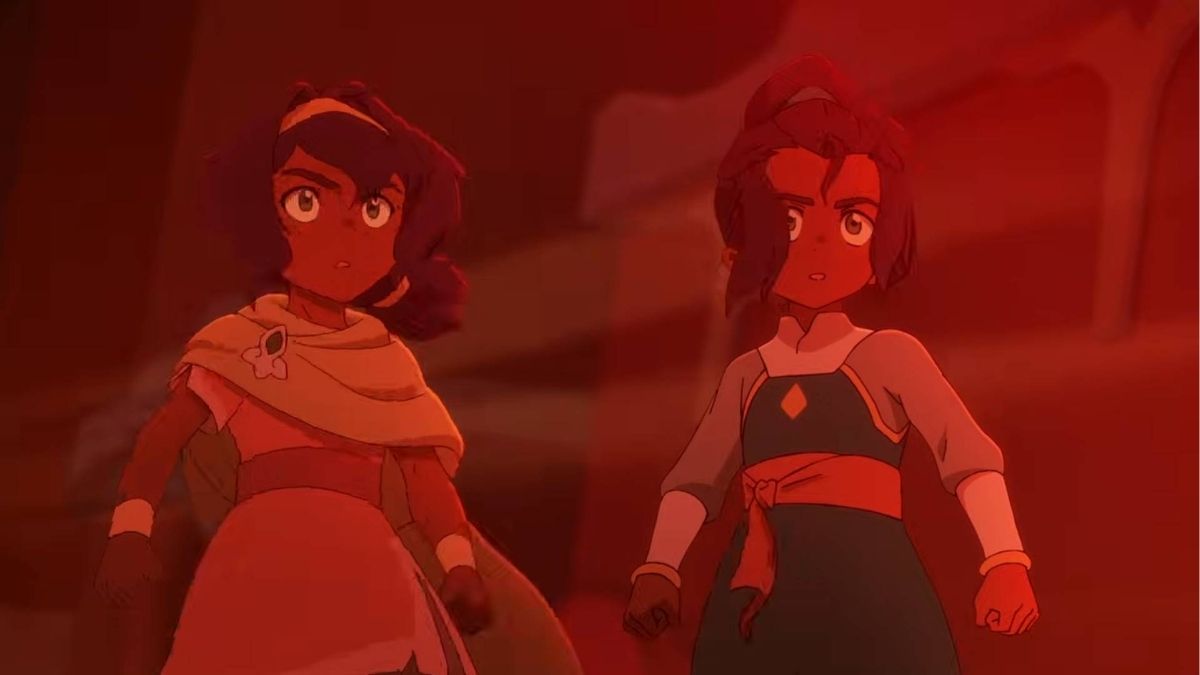
The contrast between Nisha and Pavi remains excellent, with the former’s boldness pushing Team Avatar forward on their adventures and the latter’s relaxed pacifism giving the Twin Avatars a softer touch. The show is dedicated to the theme of Yin and Yang, with them as opposite but complementary forces who need each other, not just in the visuals of their Cat-Monkeys (Dee Bradley Baker) as walking Yin-and-Yang symbols, but in their personalities and their clear love for each other. It’s never too on the nose, and feels organic to the story unfurling onscreen, a credit to the writing, animation, and superb performances and chemistry of Devan and Khan.
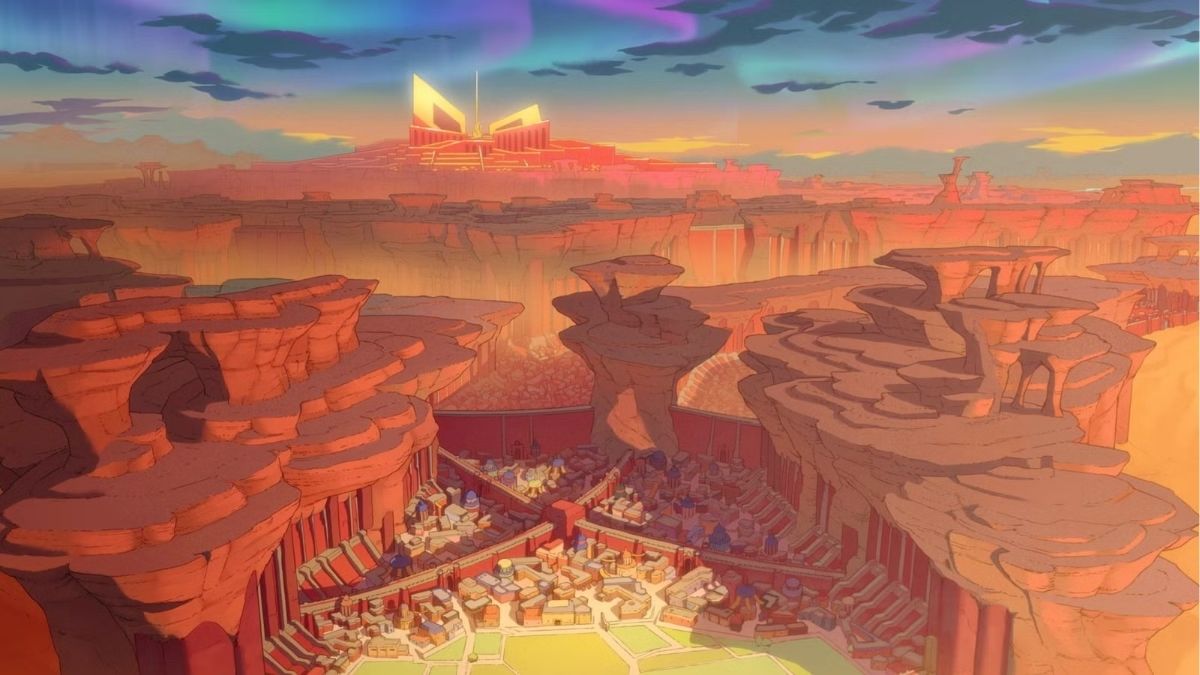
Despite how different Ellora is from anything we’ve seen before in the Avatar-verse, the attention to the details of its citizenry showcases the continuation of this world’s cultural traditions. For example, when Team Avatar visits fellow bender Uki’s (Kimberly Woods) family, we see a blend of blue-wearing Water Tribe-coded family members and orange- and red-wearing Fire Nation-coded family members.
While the Four Nations no longer exist in this new age, the people still do, intermixing with one another (as has happened and continues to happen throughout human history) but still carry on their traditions in clothing, food, and other aspects. It’s a nice touch that further shows that Avatar: Seven Havens Episodes 4-6 haven’t lost its roots from the previous series.
Seven Havens is, above all, a drama.
The casting of Indigenous American actors to voice Uki’s family members (along with Asian-voiced family members) like Kallik (Robbie Daymond) and Toklo (Gary Farmer), as well as Barnett, who has Cherokee heritage along with Japanese, for Daemin, further showcases Avatar Studios’ excellent new track record of incorporating meaningful Asian and Native American diversity in their casting, writing, and directing, as well as their animation.
“The One Left Behind” reinforces that Seven Havens is a drama, with secrets at every corner. It is a particularly strong character-building piece for Nisha, as she is forced to confront more of her own feelings of loneliness and abandonment. Additionally, she must question things her mentor Karthik told her about her past, making for some particularly heart-gripping scenes. Again, Devan gives an incredibly emotionally stirring performance as the young Avatar.
We also see the pressure rack up on Jae, who must keep the Avatars’ secret from even his beloved boyfriend, Datu (Topher Ngo), who is increasingly suspicious, along with the rest of his fellow guards, about the strange recent occurrences in Ellora. The plotline increasingly gives Jae ethical quandaries to navigate, as Curda continues to imbue the young Airbender with vivacity, anxiety, and a fierce protectiveness for his friends and community.
Avatar: Seven Havens Episodes 4-6 introduces waterbender Daemin (Darren Barnet), who is a delight.
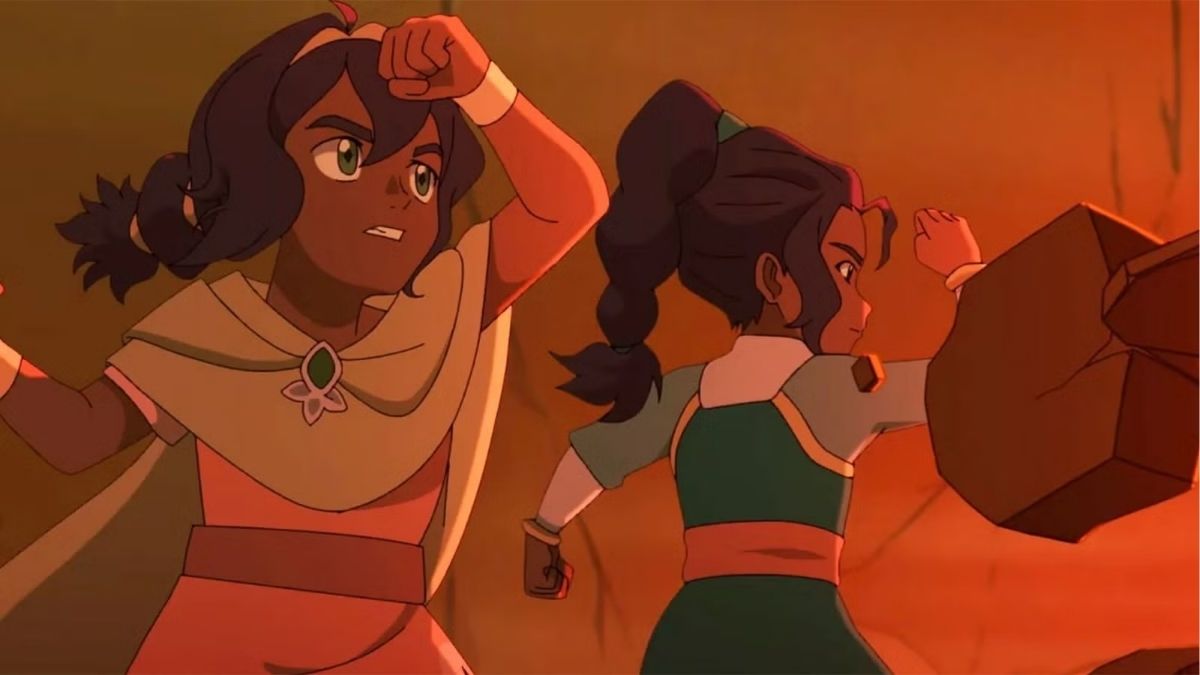
The Bending Arts continue to be a magnificent display, showcasing both the older techniques of Water, Earth, Fire, and Air that we’ve seen so often before along with some new moves, particularly from Jae and Karthik in their Airbending. It’s great to see Airbenders so often outside of The Legend of Korra, where they made their return, showcasing Avatar: Seven Havens Episodes 4-6’s steadfast commitment to portraying as much of the Bending Art as possible.
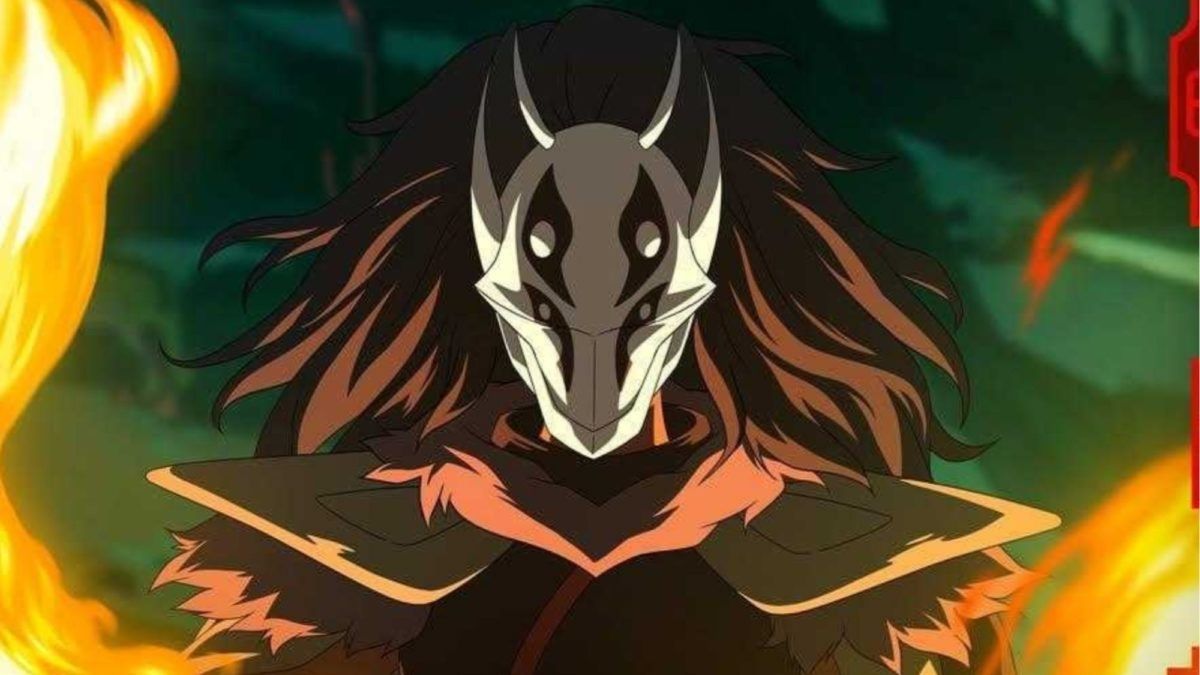
Karthik continues to be a fascinating mentor character, with Khanna’s voice work lending wisdom, experience, and exasperation to the Master Airbender and White Lotus member. He’s clearly dealing with a lot in protecting the Twin Avatars and Ellora writ large, clearly driven to wits end by the young girls and Jae but clearly being proud of them all the same. But there continues to be a mystery to his character, as he continues to withhold secrets from Nisha and Pavia, Jae, as well as Ellora writ large. He retains a fascinating mystique that will keep you gripped for these episodes and those to come.
Avatar: Seven Havens Episodes 4-6 introduces waterbender Daemin (Darren Barnet), who is a delight. Charismatic, somewhat aloof but still focused when he needs to be, and sincerely friendly, he is overall a great addition to the cast. It would be great if, down the line, he becomes this new Team Avatar’s resident Waterbender to support Pavi and Nisha on their journey.
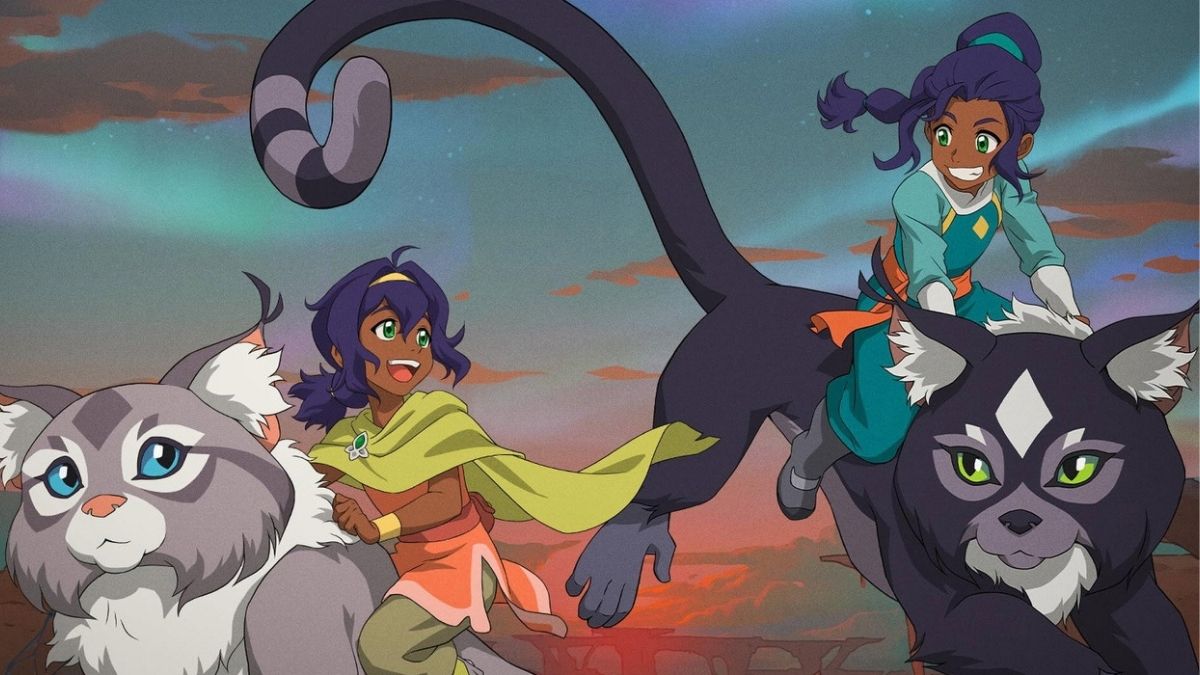
Additionally, Sakina Jaffrey is always wonderful as Agam, the warm, incisive restaurateur who offers advice and delicious Desi food in abundance to her various customers. And other voice actors like Anjali Bhimani, Zehra Fazal, Tobit Raphael Capati,<a “href=”https://www.imdb.com/name/nm3999319/?ref_=ttfc_fcr_3_24”>Dianne Doan,Xanthe Huynh fill out the cast spectacularly and affirm the fullness of this Asian and Native American based world.
A key theme that is building to the detriment of Ellora’s ruling class is the rebounding backlash of their propaganda to hold their haven aloft. While consistently beckoning for unity and strength among their people, the natural disasters keep getting worse, the Faceless keep stealing from Ellora’s food supply, and rumors of the Avatar spread, putting more and more pressure on the rulers, particularly Kayako (Jennifer Sun Bell). It’s quite a brilliant commentary by the writers on these sociopolitical dynamics that reflect the manipulative tactics of politicians on the masses, and how they can often come back to bite them in the behind.
“Night of the Afflicted” beautifully portrays Pavi’s struggle with her disability, offering a rare insight in children’s animation into the life of a young amputee. And that latter part is a revelation to Pavi and the audience this episode, as she had previously believed she was born with a missing limb, but in fact she lost her lower left leg in the past few years, evidenced by her phantom limb pain. Pavi, having been on her own for so long, is insistent that she can do everything on her own, with Khan continuing her riveting performance in this aspect of the young Avatar’s life.
Avatar: Seven Havens Episodes 4-6 continue to make this show a superb successor.
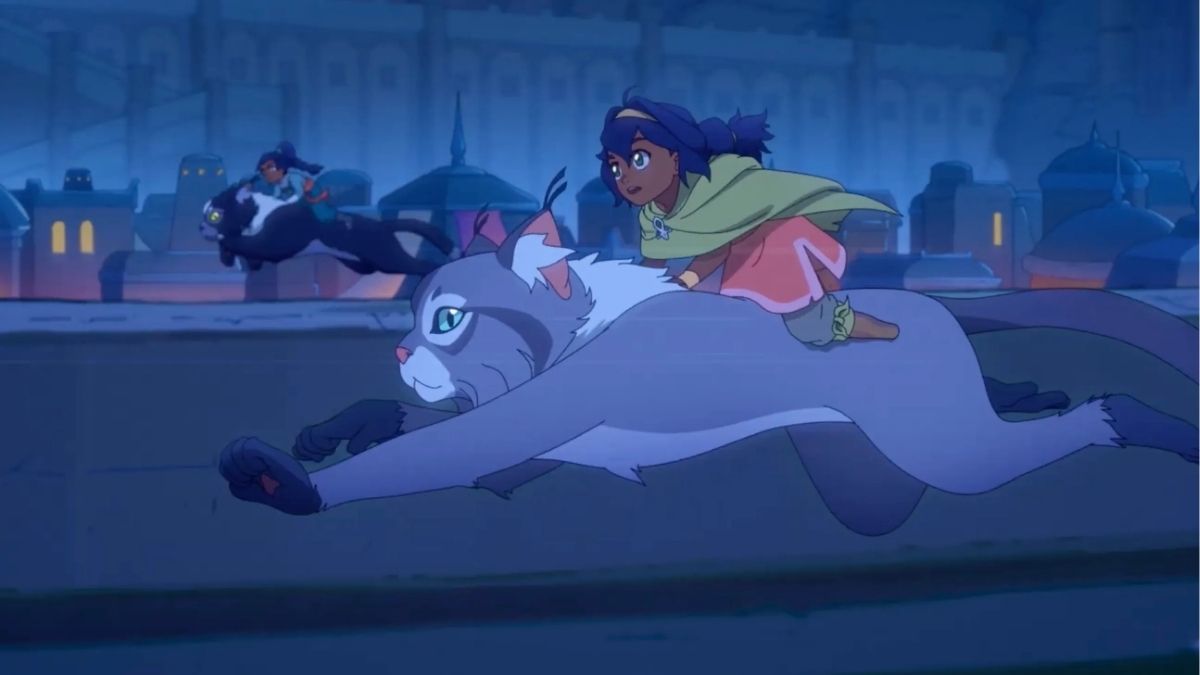
As Nisha tries to help Pavi while accidentally dabbling in some assumptions about her condition, we have a raw and realistic look at how close siblings might deal with one having a disability. Pavi is realistically defensive, as Nisha learns more about her sister’s condition and what she can actually do to help. It’s a nuanced and cathartic look into this experience, continuing and deepening Avatar Legends’ generally positive track record of disability that started with Toph and her blindness. To have Pavi as a main protagonist with this experience makes Seven Havens all the more wonderfully and meaningfully inclusive.
The mysteries set up in the first batch of episodes, particularly the mystery of what this red and yellow spirit diamond thing is, only deepen. It’s a slow burn for sure, but a gratifying one at that as we see Elloran citizens dealing with the fallout of whatever this spiritual energy is. It’s a subtle mystery that comes together nicely once you put the scant pieces together. If you dig into a certain arc in the original show, Avatar: The Last Airbender, it’ll make even more sense.
Jeremy Zuckerman’s superb soundtrack continues to be the delectable icing on top of the various other elements that propel the show to its excellent standing. It’s varied in its use, from playful moments with Pavi and Nisha to serious fight scenes to giving scenes the required aura of mystery, all of which keep audiences even more immersed in the world.
Avatar: Seven Havens Episodes 4-6 continue to make this show a superb successor to Avatar: The Last Airbender and The Legend of Korra. Pavi and Nisha’s growing relationship, their dynamics with Jae, Karthik, and the rest of the White Lotus, plus the gorgeous animation, music, cultural touchstones, and stirring story and mysteries, make this an incredibly engaging watch. Even though we’re already halfway through the season, we’ve already gone on a great journey that I can’t wait to continue.
Avatar: Seven Havens Episodes 4-6 are now streaming on Paramount+.
Previous Episodes | Next Episodes
Avatar: Seven Havens Episodes 4-6
-
Rating - 9.5/109.5/10
TL;DR
Avatar: Seven Havens Episodes 4-6 continue to make this show a superb successor to Avatar: The Last Airbender and The Legend of Korra.