
Some people make games; BioWare made worlds. Its pursuit of meaningful storytelling through the interactive medium we love changed many people’s understanding of what games could be, myself included.
The studio’s worlds were diverse, filled with nuanced situations and complicated problems that rarely had easy answers. But as they say, art imitates life, and BioWare’s art didn’t just imitate it; it expounded on it. Through their games, I learned about who I was and discovered who I wanted to become.
This is the type of piece I hate writing the most. EA has announced that they are shutting down BioWare as a studio and, with it, disrupting the lives of 400 developers in a mass layoff. I type with tears in my eyes as I look back on how the studio’s art and creativity changed me. I don’t want to be here. I don’t want to say goodbye to what was and be left wondering about what might’ve been. But I can’t let them go quietly into that night.
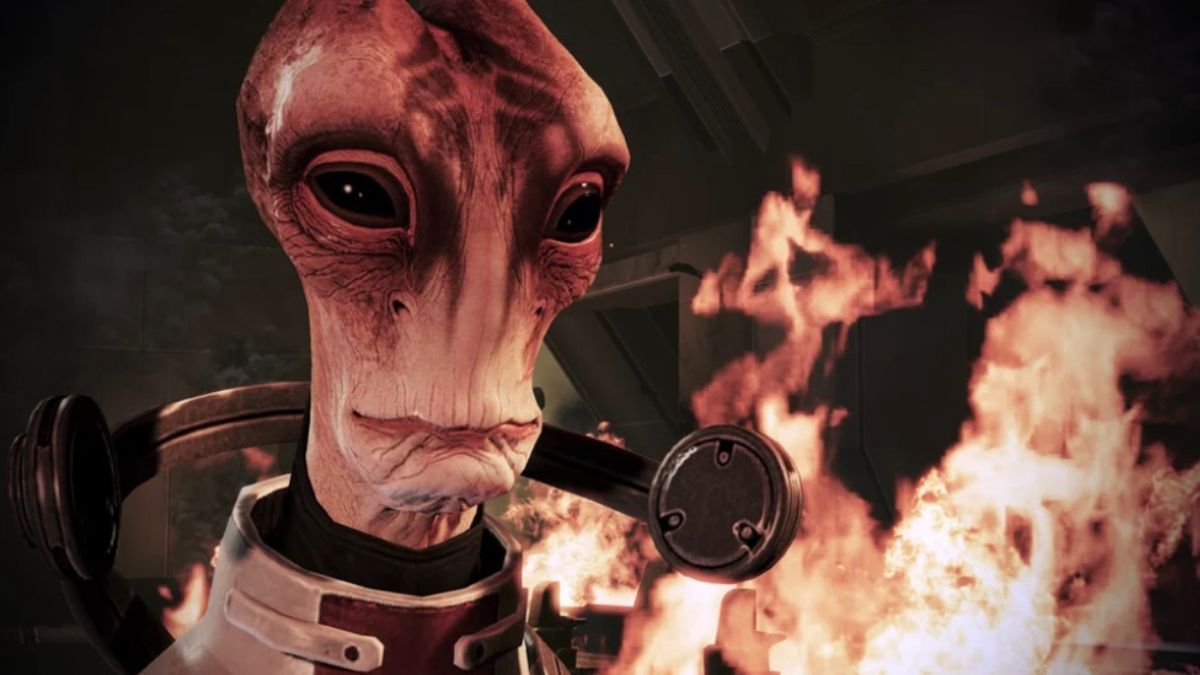
So, I’m gonna take a deep breath, center myself, and remember the words of our favorite Scientist Solarian: Had to be me. Someone else might’ve gotten it wrong.
…All right. I’m ready now.
During the PlayStation 2/Xbox Era, I was largely absent from the gaming sphere. My high school years were tumultuous, to say the least, and video games were a luxury I had neither time nor money for.
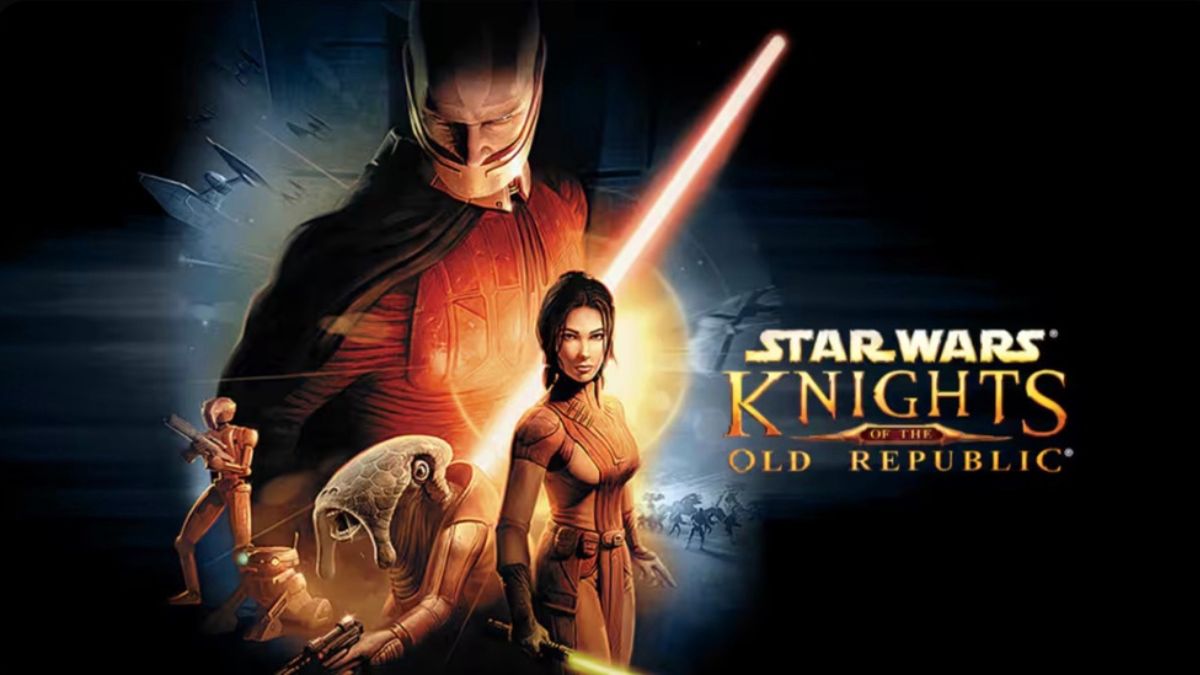
As I moved out on my own in the tail end of that era, one of my roommates had an Xbox and a hot new RPG set in one of my favorite fictional universes. So Star Wars: Knights of the Old Republic introduced me to the magic of BioWare and a new level of choice-driven narrative that would change how I saw the medium forever.
Looking back now, KOTOR holds so many fond memories. Despite the often heavy-handed morality involved in its choices, the experience completely changed what I thought games could be. Comparing my choices to my friend’s, seeing how our paths differed was exciting and cool. And of course, KOTOR delivered narrative twists that stand with the greats, like “Would you kindly?” and “The Cake is a lie.”
Another thing that I will always be thankful to KOTOR for is introducing me to one of my other favorite studios: Obsidian Entertainment. As Obsidian stepped onto BioWare’s shoulders to make KOTOR II: The Sith Lords, my experience with the studio’s unique personality and approach to RPGs continues to this day, in my love of The Outer Worlds and Avowed. Here’s hoping those games can continue to carry on the tradition BioWare helped pioneer.
Mass Effect defined the sci-fi genre, even if KOTOR was BioWare building another studio’s world.
While BioWare showed they could play in other people’s sandbox universes, they were destined to craft their own. And I would argue, no one has ever done it as well. My first time playing through Mass Effect was revolutionary.
Everything about the world felt organic and real. It was one of the few games where I read every codex entry and talked to every person. I was enthralled by the depth of the world-building and how unique the setup was. The mystery of the mass relay system, and how it shaped intergalactic society, was so original.
But while the scope of the universe was breathtaking, the nuanced problems it faced made it real. The slow death of the Krogan species due to the genophage created countless moments of discomfort and conflict as the choices of past generations demanded solutions from those who hadn’t made them.
How the Council had chosen to put out one proverbial intergalactic fire by starting another, only to then turn on the fire for being hot, smacked of real-world political expediency in a way I’d rarely seen in gaming. And that wasn’t even the deepest question Mass Effect would go on to ask.
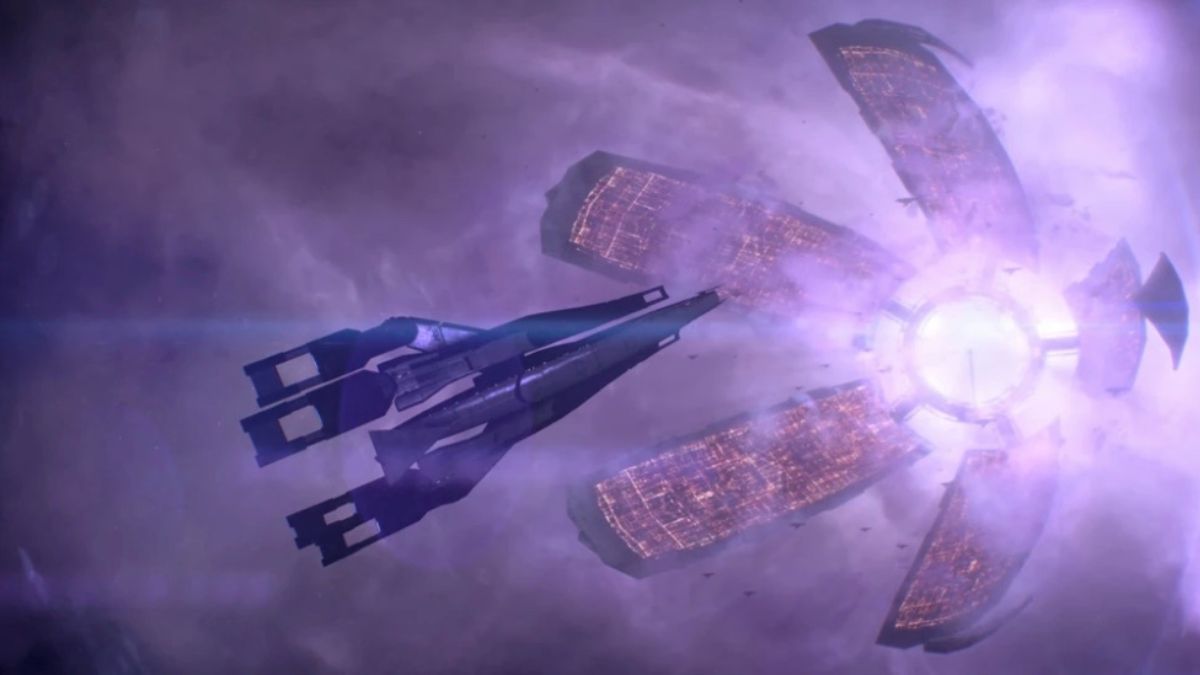
There is a moment in ME 1 that I never hear anyone talk about, but it is the exact moment when I realized gaming was truly mature. After confronting Sovereign for the first time and learning the galaxy’s secret history, Shepard can talk with their crewmate, Ashley. During this, Ashley asks, “Do you believe in God, Shepard?”
For someone who was raised Catholic but had turned away from that path, this question had deep, personal meaning to me. Not only that, but it is a deep societal question that has always been, and seems likely to remain, a dividing point for humanity. And this game was posing it to me with complete seriousness.
A game from a medium that once was nothing but plumbers jumping on mushrooms to me, and fantasy adventures where gods only got brought up right before I killed them. But here, the question was grounded and real. It was mature in the best form of the word. Gaming had grown up.
Mass Effect made everything mean so much more.
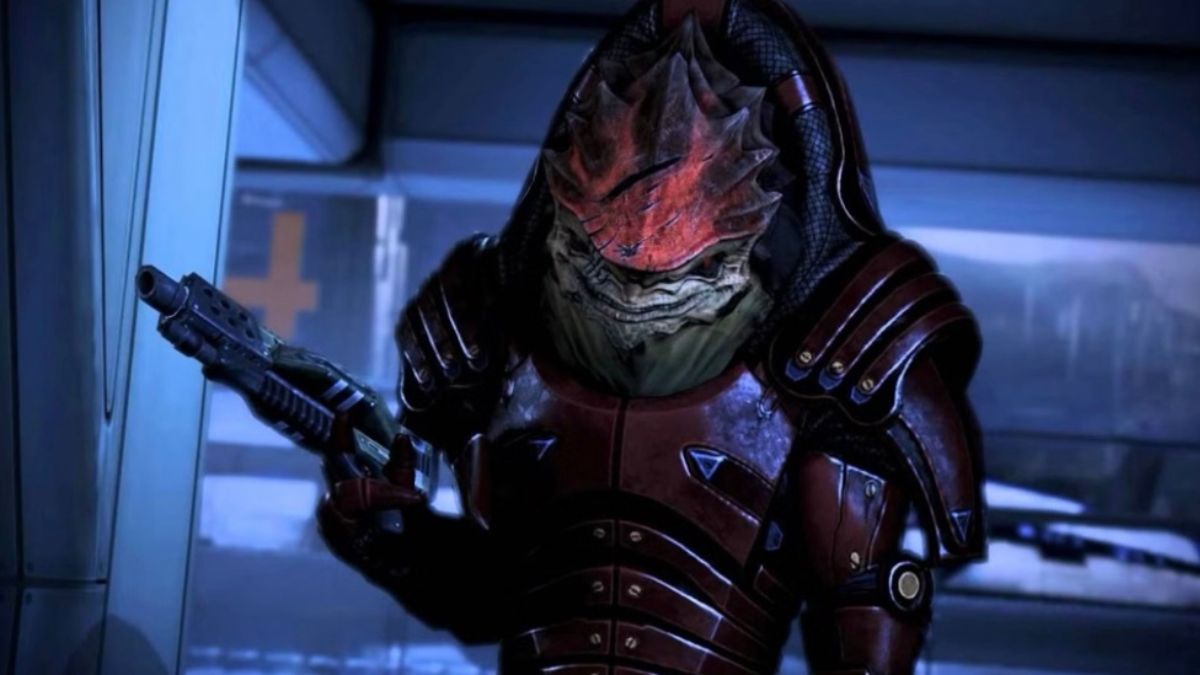
Amid all the action and galactic-level choices, empathy was always present. As Shepard, you had to work with lots of different people, who were literally from different worlds. Everyone you met had a reason for what they felt and how they got to where they were. And as Shepard, you got to understand them all. You felt for the Krogan, but you also understood the Turians.
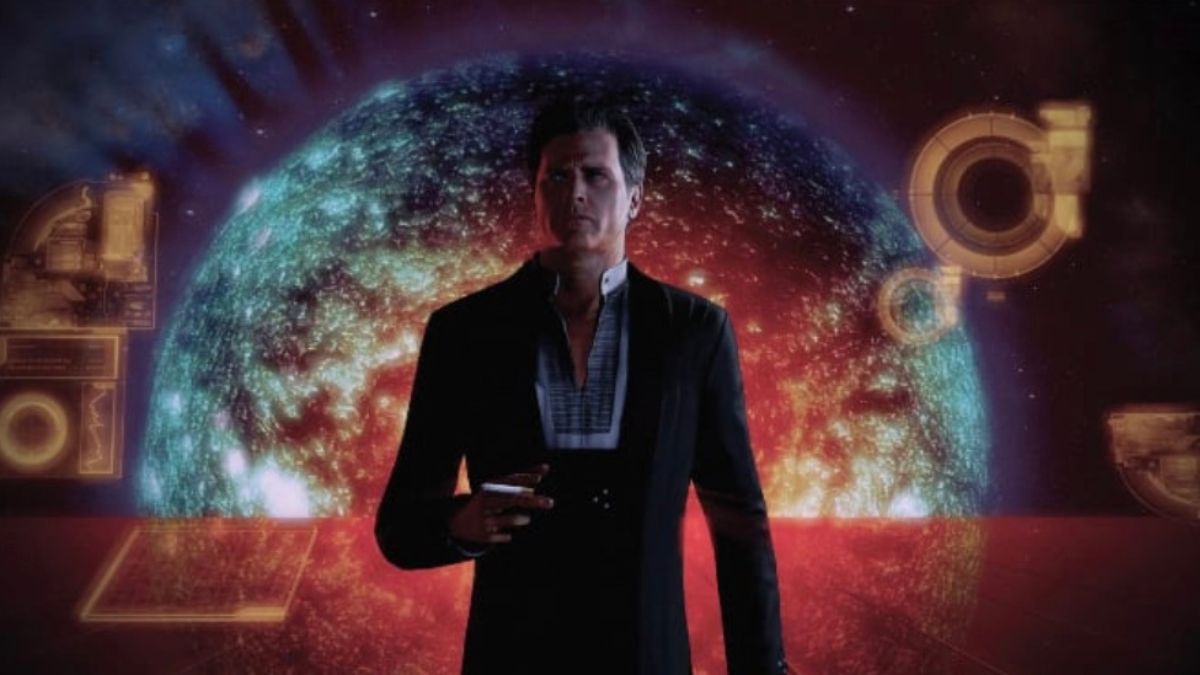
But even as the series introduced countless plots and characters with complex situations, it never tried to excuse the bad in its universe. Inheriting a bad situation sucks, but letting it continue because it’s the easiest thing to do is unacceptable. Bigots like the Illusive Man are never right, and the galaxy, much like our own world, is only at its best when we stand together against the tragedies and atrocities that the evil out there inflict.
Because of the authenticity and reality of Mass Effect‘s narratives, I became invested in the game to a degree no one had ever managed before. Not even its Star Wars predecessor. In past games with choice, I always did what I felt like I was supposed to.
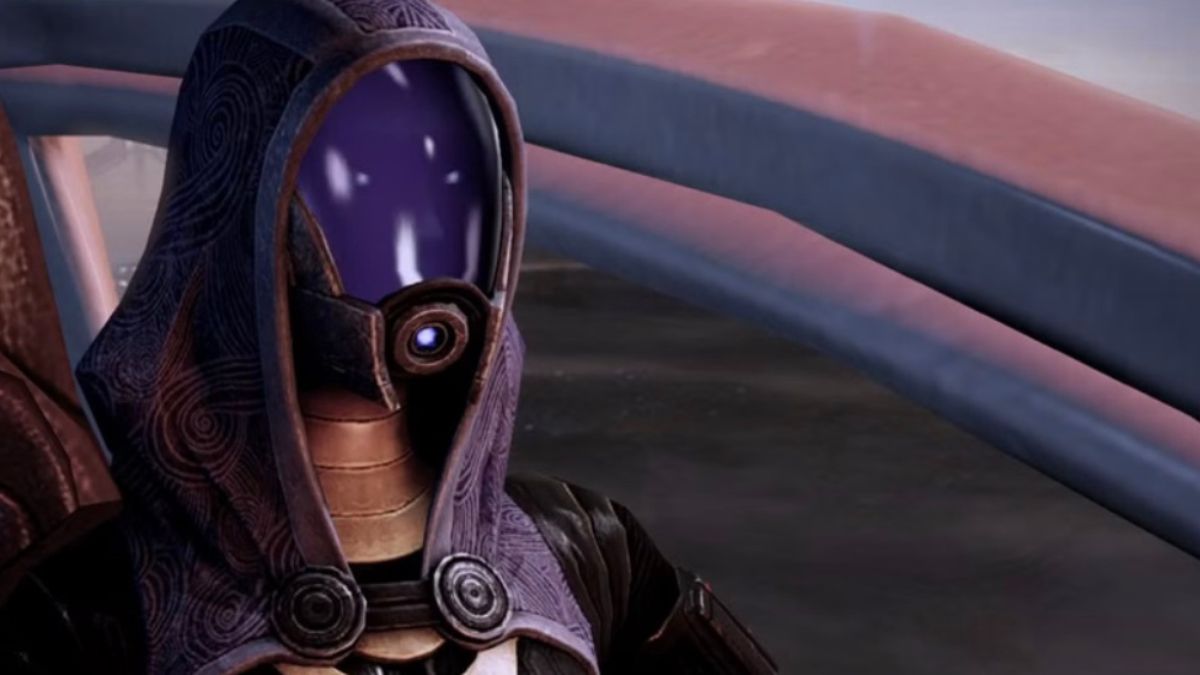
With Shepard, I would do what I felt I should. While I was always heavily Paragon, it was only due to my natural leanings. I would punch a reporter for stepping out of line with their questions or lie to the Quarian Council because my little sister Tali needed me to. But nothing taught me more about myself than Mass Effect 2‘s suicide mission.
Not knowing which choices could end a beloved party member’s life, and having promised myself I wouldn’t reload a save if things went badly, made the pre-planning session the most stressful moment of my 40 years of gaming.
Deciding to send Tali down the pipe, not knowing if it would kill her, terrified me. And ultimately deciding not to send anyone back with Doctor Chakwas and the crew, for fear of it jeopardizing the mission, meant my sick bay in ME 3 would be far colder. But these choices had to be made; the fate of the galaxy was at stake.
But Mass Effect demanded that I make every choice as if the galaxy depended on it. And I couldn’t help but buy into it. The incredible world, writing, and voice work (anchored by the astounding Jennifer Hale as my Shepard) all crafted a journey that put me closer to being the hero I was pretending to be than any experience before or after could. It also made me feel like just a speck of the weight my decisions would carry.
BioWare confronted my own beliefs with Mass Effect, its conversations, and its choices.
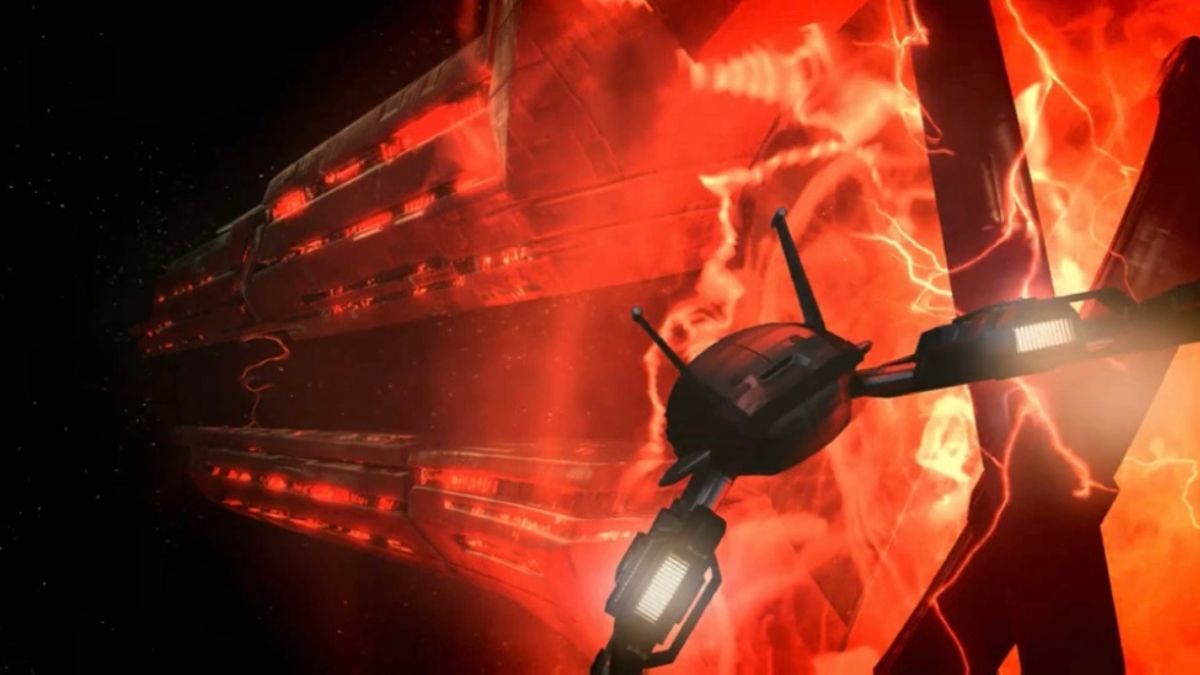
The Mass Effect Trilogy is rightly viewed as the crown jewel of BioWare’s portfolio. However, they didn’t stop making great games there. The Dragon Age franchise would come to include award-winning entries as well. But I need to take a little time here, since this may be my last chance, to talk about what I think is an underappreciated piece of their work. Let’s talk about Andromeda.
While this oft-maligned entry in the venerable series never lives up to its predecessors, it offers a ton of great things that I think many casually dismiss. The franchise’s greatest combat is here. In fact, it still stands as some of the best third-person shooter combat I’ve ever played. The level of mobility was incredible, and combined with the plethora of powers the player could utilize, there was no limit to the tricks one could pull off.
For the first time since the original, Mass Effect also had a proper leveling system again. All those skills waiting to be explored brought me a level of control over Ryder’s play that had been taken away from my Shepard. I loved it. And then, we had the cast.
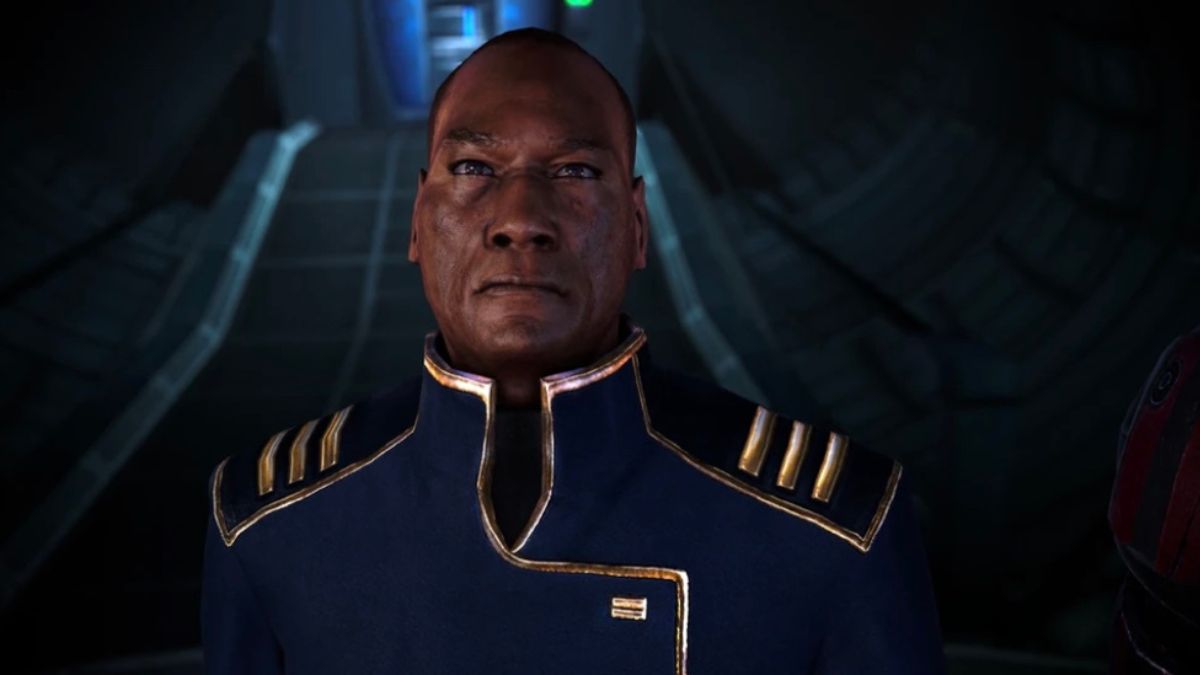
Andromeda‘s crew was great. Even though we only got a single game with them, they left lasting impressions on those who took the time to get to know them. Even characters who stayed aboard ship came to mean a lot to me as our conversations developed them in interesting ways. And the highlight of the show: Peebee.
Like many people when first introduced to the errant Asari, Peebee annoyed me. She was hyperactive, awkward, and just… not Liara. (An unreasonable bar, to be fair) But BioWare worked its magic, and through her companion quests, great writing, and one critical choice, cemented “Peebs” as having a special place in my Mass Effect-loving heart.
One of Mass Effect‘s most signature, and often divisive, elements is the romance system. The gamification of love has never fully landed with many, because it makes a relationship feel like something to be “won.” Say the right things, score the love interest. While I have always liked this side of the game, Liara was my Shepard’s one true love; I appreciated the complaints. However, BioWare did something brilliant with Peebee that changed the concept entirely.
BioWare made romance mean so much more in video games.
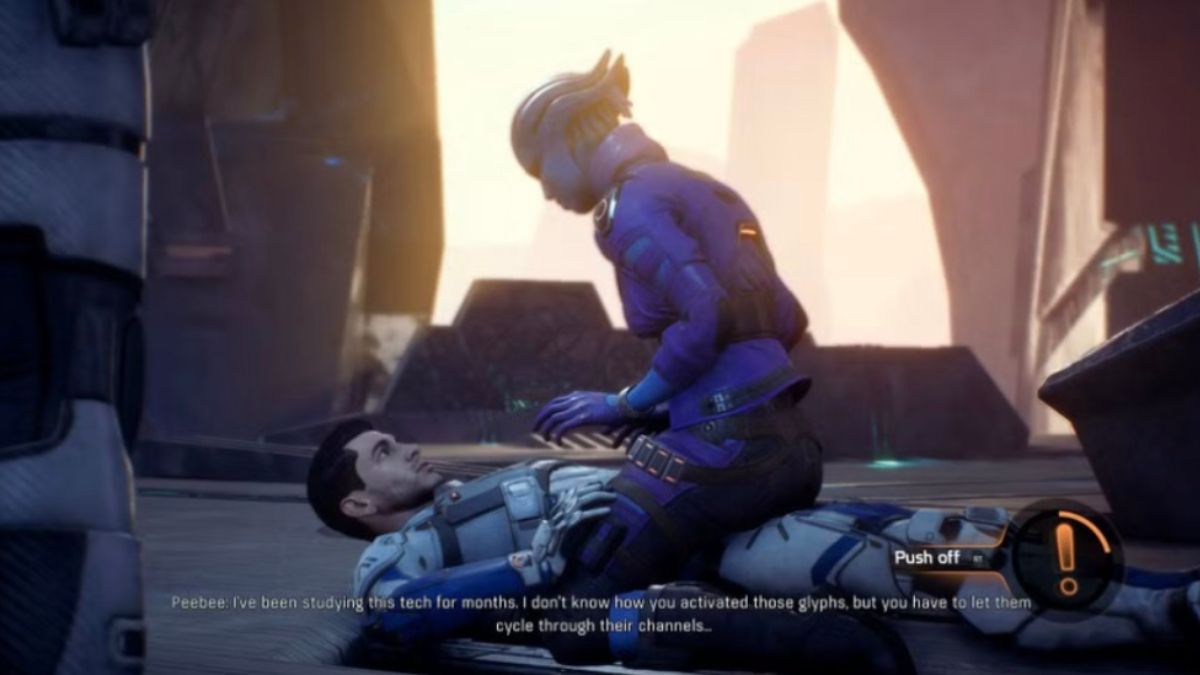
I never romanced Peebee in my Andromeda playthrough. At first she annoyed me, and then later, as I came to understand her path through life, she felt too vulnerable to make a pass at. I didn’t want to be that guy. But I did have her back. When she needed me, I was there. So, as the game drew to a close and the final mission loomed, Peebee did something I never expected. She asked me to be her special someone. And in the cutest way possible.
This moment utterly floored me. But it was the best-handled romance I’ve ever seen play out in this style of game. Peebee picked me not because I chased her or made the choices on the dialogue wheel that are clearly intended to be seductive. She chose me because I had been real with her, and she knew I would be there for her. It was an awesome moment that stands out among my gaming favorites.
BioWare crafted incredible games during its 30+ years in the industry. They did things no one else did, crafting worlds and characters we still celebrate and love long after the credits roll on our latest playthrough of one of their classics.
BioWare’s work was singular and special. It challenged our thoughts and our minds to understand others, while not wavering from what we think is right. The developers crafted legendary heroes and sinister villains, all for us to experience and enjoy.
To paraphrase Mordin one more time: It had to be them. Someone else might have gotten it wrong.