

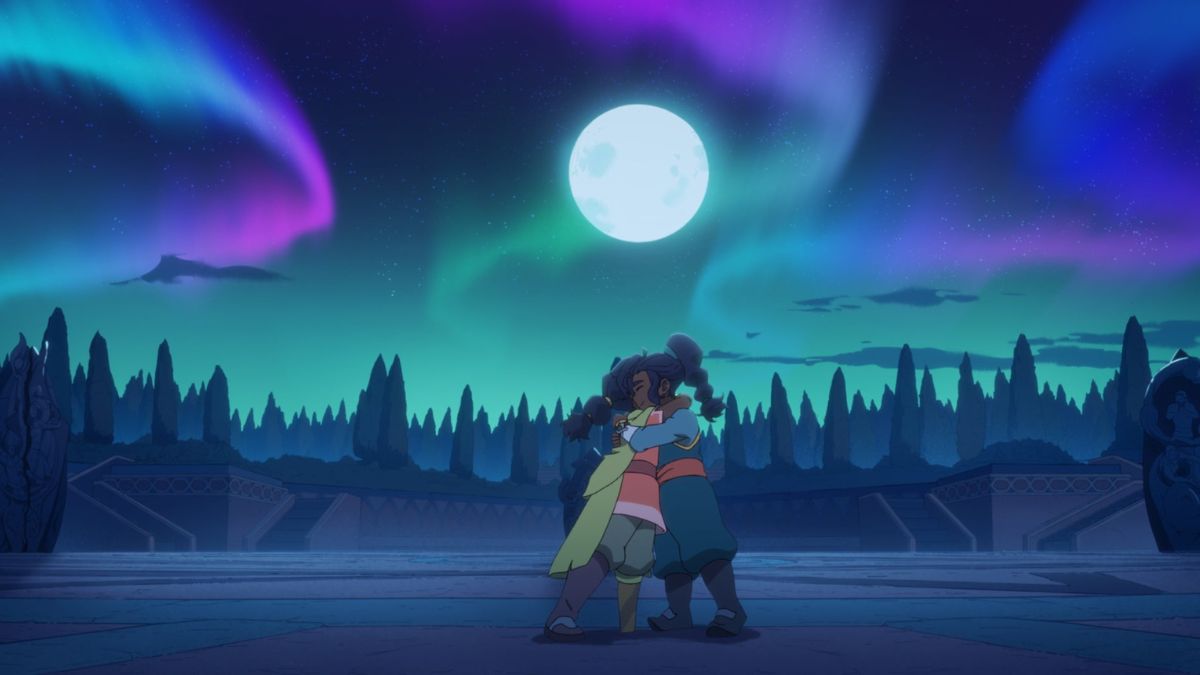
Spoilers for episodes 1-6 follow, along with setup spoilers for episodes 7-9
As they continue their Avatar training in Avatar: Seven Havens, new challenges beset Pavi (Saheli Khan) and Nisha (Aishu Devan). This is the worst time for conflict to brew between the twins, but alas, it does, as they argue over whether to pursue clues to find their parents.
Meanwhile, the mysterious Faceless are causing even more chaos for the haven in Avatar: Seven Havens, as Jae (Major Curda) investigates them further. Karthik (Akshay Khanna) continues to have his hands full training the young Avatars and protecting Ellora, and to make matters worse, the Order of the White Lotus begins to doubt his methods. Will Team Avatar be able to hold it all together as the pressure mounts on them from all sides?
Chapter 7 of Avatar: Seven Havens, “What Lies Beneath,” is written by M. Willis and directed by Jasmine Goggins. Chapter 8, “The Envoys Part 1,” is written by Grant Jossi and directed by Jen Bennett and Michael Chang. Chapter 9, “The Enjoys Part 2,” is written by Lauren Bradley and directed by Goggins.
This set of episodes of Avatar: Seven Havens puts our young Avatars through great challenges, both personal and external, that they don’t expect and the audience may not necessarily expect. Increasingly faced with quandaries presented by the Faceless and Ellora’s elite, Pavi and Nisha must learn to navigate things they can’t understand yet, all the while coming into unfortunately timed interpersonal conflict with one another, all of which leads them to profoundly harrowing consequences.
New challenges beset Pavi and Nisha in Avatar: Seven Havens Episodes 7-9.
The writers are willing to take our young heroes in perilous and shocking directions that other storytellers might balk away from. Their boldness in doing so makes Avatar: Seven Havens all the more consistently innovative, exciting, and immersive in its storytelling, and marks its unique identity among the Avatarverse series so far. In fact, the majesty of episodes 7-9 cements Book One: Survival as the best of all first seasons in the Avatarverse.
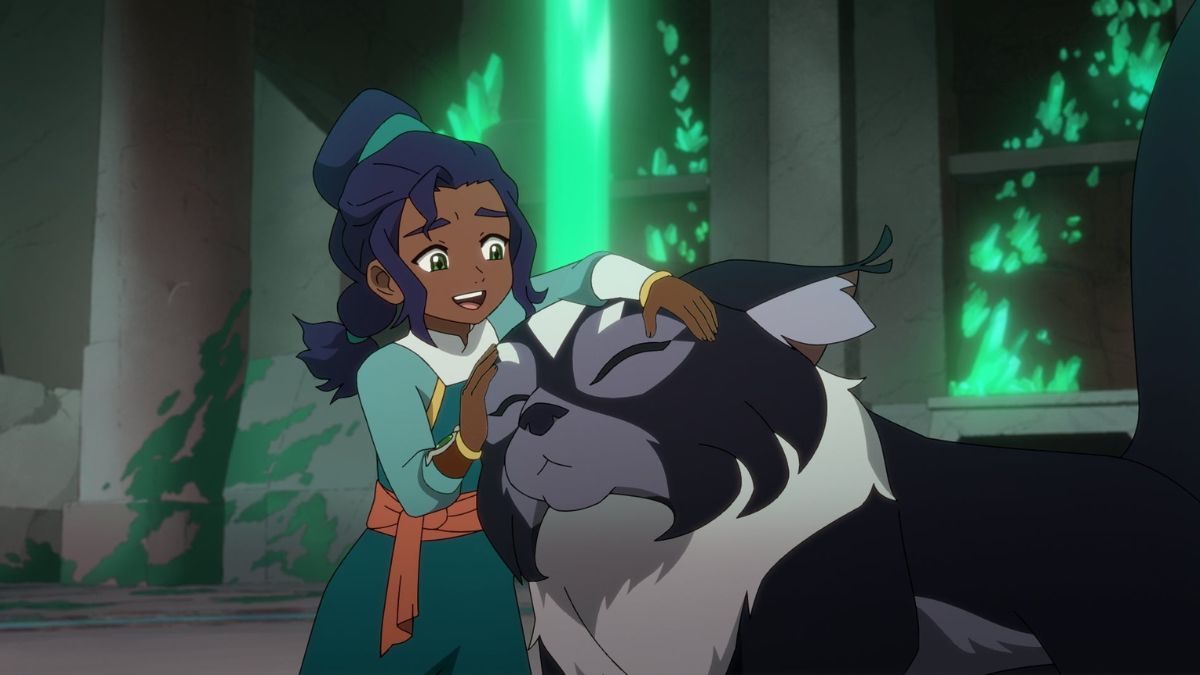
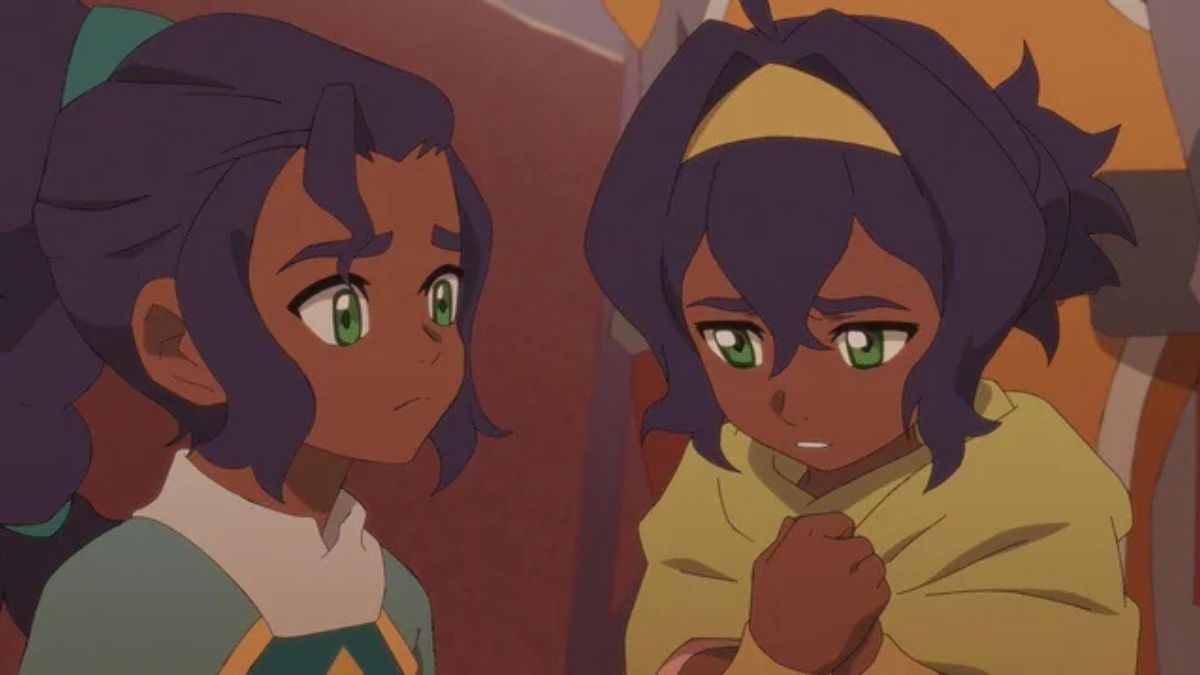
So much of this is down to our superb co-protagonist Avatars. Pavi increasingly is willing to take on the role of an Avatar, and is more instinctual in the role compared to her sister, who attempts to do it very by the books. It’s abundantly clear that Pavi is the more spiritual of the two, more in harmony with nature and herself (although of course she still has her own issues to work out).
We see that on full display as she uncovers more of the mysteries surrounding this supposed “anomaly” that keeps forcing people to face their fears. Khan continues to shine in the role, imbuing Pavi with a tremendous sense of curiosity and heart as she continues her journey with Nisha.
Avatar: Seven Havens Episodes 7-9 put Nisha through the wringer in ways we haven’t seen before.
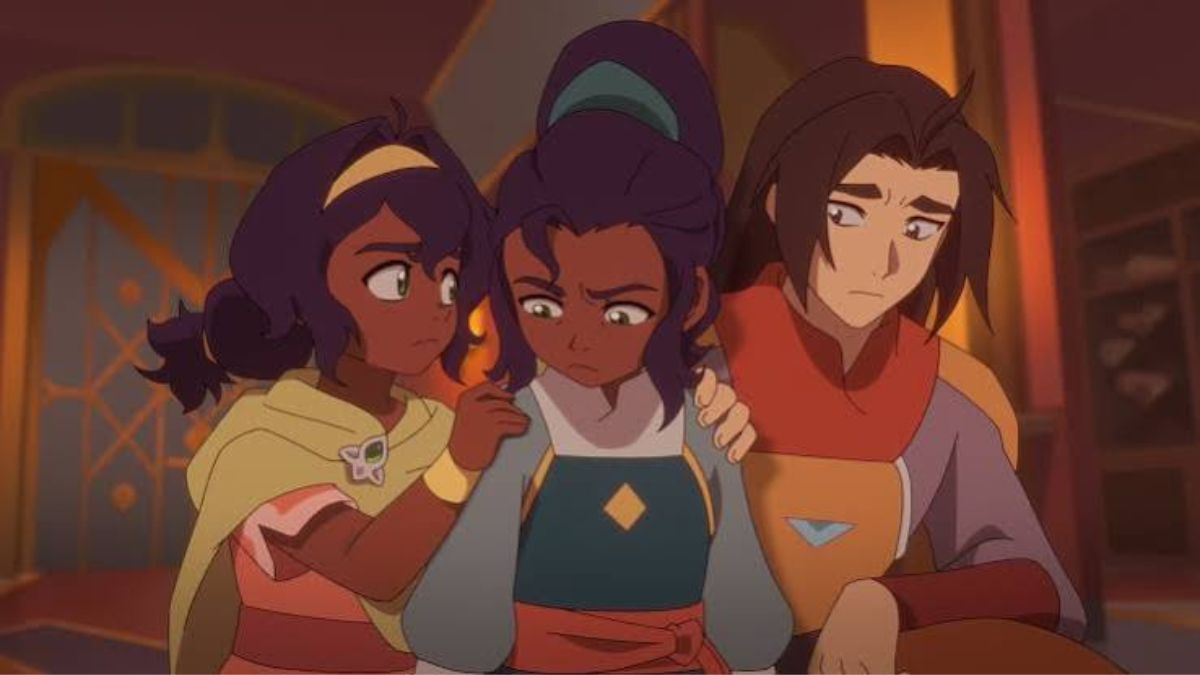
Avatar: Seven Havens Episodes 7-9 put Nisha through the wringer in ways we haven’t seen before, but they build on the young Avatar’s intense insecurity, masked by her brash exterior. Beset by fear, self-doubt, and intense self-criticism, Nisha makes several mistakes in this set of episodes, setting her back in ways she always feared.
In contrast to Pavi, Nisha’s ambition and eagerness to get ahead as an Avatar (much like Korra’s at first) set her back emotionally and spiritually, and we see how this only gets her into more trouble. The story is bold enough to put her and Pavi through it, especially considering how young they both are at only nine, and it is all the better for it.
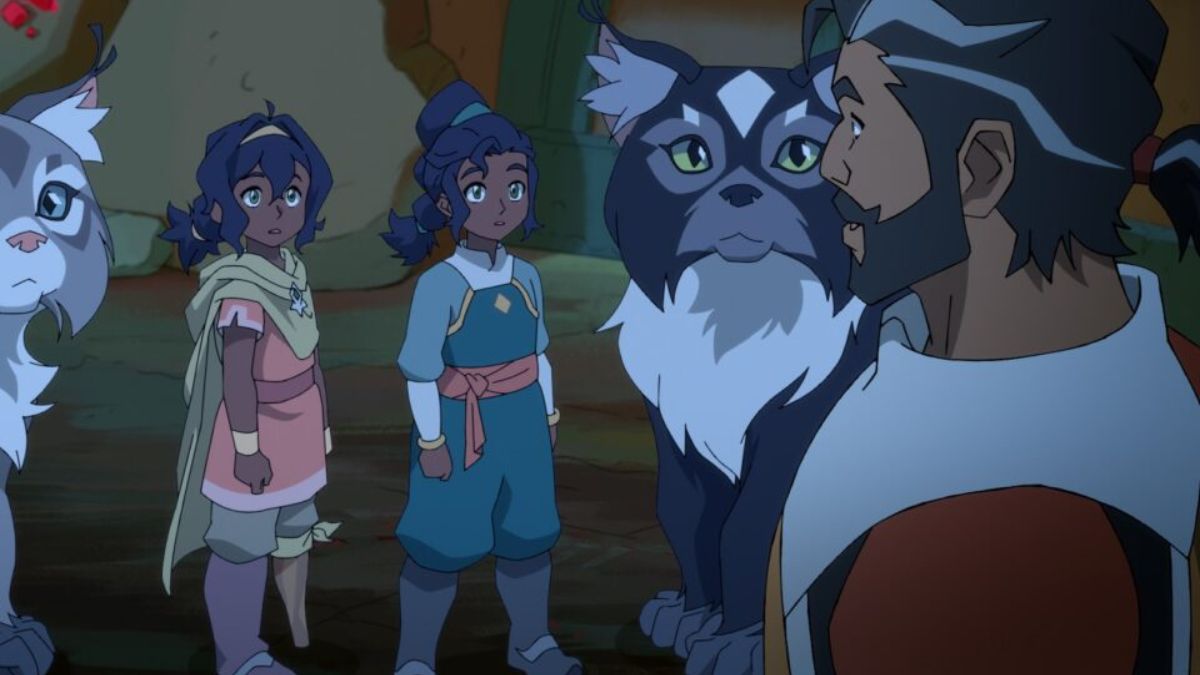
Devan delivers Nisha’s story with immense sincerity, vulnerability, and her trademark boldness, making us root and fear for the young Avatar of Two even as she messes up. Thankfully, both their Cat-Monkeys, Ruhi and Geet (Dee Bradley Baker), are there to protect Nisha and Pavi in their most dire moments, with Bradley Baker continuing to give a tender and loving performance as the young Avatars’ animal companions.
Avatar: Seven Havens Episodes 7-9 also deepen Kayako’s role.
Sakina Jaffrey as restaurateur Agam takes center stage as a key character and delivers a superb performance that lets her shine among the rest. In a rather stunning development, we see in Agam a deeper exploration of a working-class woman pushed to the brink by what her fascist society in Ellora has done to her.
We also get to know Uki (Kimberly Woods) more in these episodes, as more is uncovered about what exactly her involvement with the Faceless has been, and similarly with Agam, what Ellora’s draconian practices have done to her. Things are not as the show may have presented them to be thus far, as we uncover even deeper mysteries in Elloran society along with the wider mysteries the show has had thus far.
As such, Avatar: Seven Havens Episodes 7-9 also deepen Kayako’s (Jennifer Sun Bell) role, as we see the governor of Ellora descend deeper into fear and recklessness, refusing to open her mind outside of the propaganda she espouses every day to her citizens. The story increasingly renders the fascism of Ellora for fuller display, making us in the audience further question if we should have ever supported their Bending Brigades or the governing structure of Ellora, or any of the titular havens for that matter, while making sure to show why the fearful populace still clings to it so clearly.
As series Executive Producer and show developer Sehaj Sethi intended, we are fully in the morally gray in Avatar: Seven Havens, where there are no true full-on villains, but antagonistic forces from all sides in a world gravely out of balance. The show has brilliantly managed to show us the harmful effects of Kayako and the other governors of Ellora without rooting them in absolute villainy.
It’s an excellent balance between showing their systemic harms and making Kayako just sympathetic enough as we see the pressure mount on her. This enables us to understand the conditions of why she, or any world leader for that matter, might feel justified in making the wrong decisions that they do.
Avatar: Seven Havens offers viewers an incredibly nuanced and layered narrative.
And we see Jae, in particular, confront more moral quandaries as the responsibilities of being a White Lotus member tasked with hiding the Avatars begin to mount on the young Airbender, with Curda continuing his excellent performance. Jae cares deeply for Pavi and Nisha as an older brother-type figure, but will that sustain the constant lying he must do to his Elloran superiors? Is he truly doing the right thing, especially as Karthik continues to be withdrawn on certain key things? The story doesn’t offer easy answers to any of this, but it will keep you hooked, eager to see what happens next.
All the deepening complexities of these characters and Elloran society continue to be a key part of what puts Avatar: Seven Havens a step above most Western animated shows. In particular, the theme of fear and how it affects everyone in Ellora remains paramount to the plotline, and it manifests magnificently in one amazingly animated moment for Pavi in “The Envoys Part 2” that I can’t wait to see people talk about.
These metaphysical themes, combined with the deep themes of the government’s effect on everyday people, offer us an incredibly nuanced and layered narrative. All of this makes it supremely sophisticated storytelling for children’s animation, which is meant for adults as well, as any quality story within the Avatarverse should be.
The Bending Arts continue to be on magnificent display, with gorgeous, vivid, and sweeping animation.
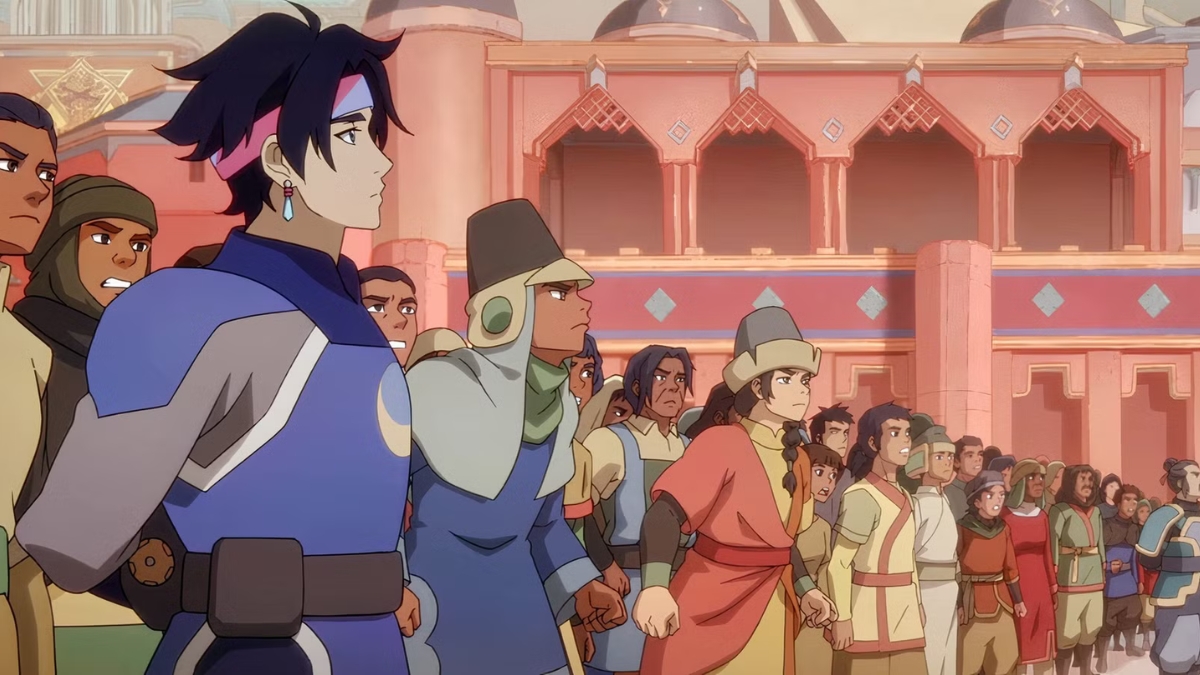
And of course the Bending Arts in Avatar: Seven Havens continue to be on magnificent display, with gorgeous, vivid, and sweeping animation. The showcasing of different Earthbending styles particularly comes into play in one excellently animated fight scene for Nisha, and Airbending is better showcased in one particular fight scene for Karthik. While there may not be that many Benders in the world anymore, we at least have a few Master Benders to keep us in awe of these martial arts.
Jeremy Zuckerman’s score continues to be the perfect icing on the cake. He employs older Avatar: The Last Airbender and The Legend of Korra themes in these episodes as we explore more of the past, connecting the three shows across space and time in a wonderful manner that will offer great nostalgia for longtime fans, and intrigue newer fans to go back and watch the other two series.
Episodes 7-9 of Avatar: Seven Havens are the best episodes of the already stellar series so far, and among the absolute best we’ve ever gotten in the Avatarverse. Pushing the geopolitics and moral complexity into such personal and societal territory, the story drastically increases the stakes for our characters in ways that will leave you wonderfully shocked.
That, combined with more fantastic performances from the whole cast, amazing writing, gorgeous animation, thrilling Bending sequences, Zuckerman’s music, and much more, make these the most important episodes thus far, and will only have you even more excited for the four-season finale episodes next week. Bravo to the entire cast and crew.
Avatar: Seven Havens Episodes 7-9 are now streaming on Paramount+.
Previous Episodes | Next Episodes
Avatar: Seven Havens Episodes 7-9
-
Rating - 10/1010/10
TL;DR
Episodes 7-9 of Avatar: Seven Havens are the best episodes of the already stellar series so far, and among the absolute best we’ve ever gotten in the Avatarverse.