


A Jane Austen adaptation is hardly groundbreaking cinematic material, and deviating from her established canon is akin to a sin in English-literature-loving circles. But Georgia Oakley’s adaptation of Sense and Sensibility (2026), decidedly darker with its emotions, elevates new shades of Austen’s text while mostly leaving it intact.
The Dashwood sisters, Elinor (Daisy Edgar-Jones) and Marianne (Esmé Creed-Miles), are forced to leave their manor after their spineless half-brother John (Tom Brooke) is talked into handing over only a fraction of what their father hoped to leave the girls from his fortune. It’s a rude awakening for the sisters to move from a comfortable life to a tiny cottage on the other side of England. It’s also inconvenient, as Elinor has come to “greatly esteem” her kind new acquaintance, Edward (George MacKay), who will now be farther away because of the Dashwoods’ move.
In Sense and Sensibility, manners, morality, and proper social introductions are as vital as oxygen.
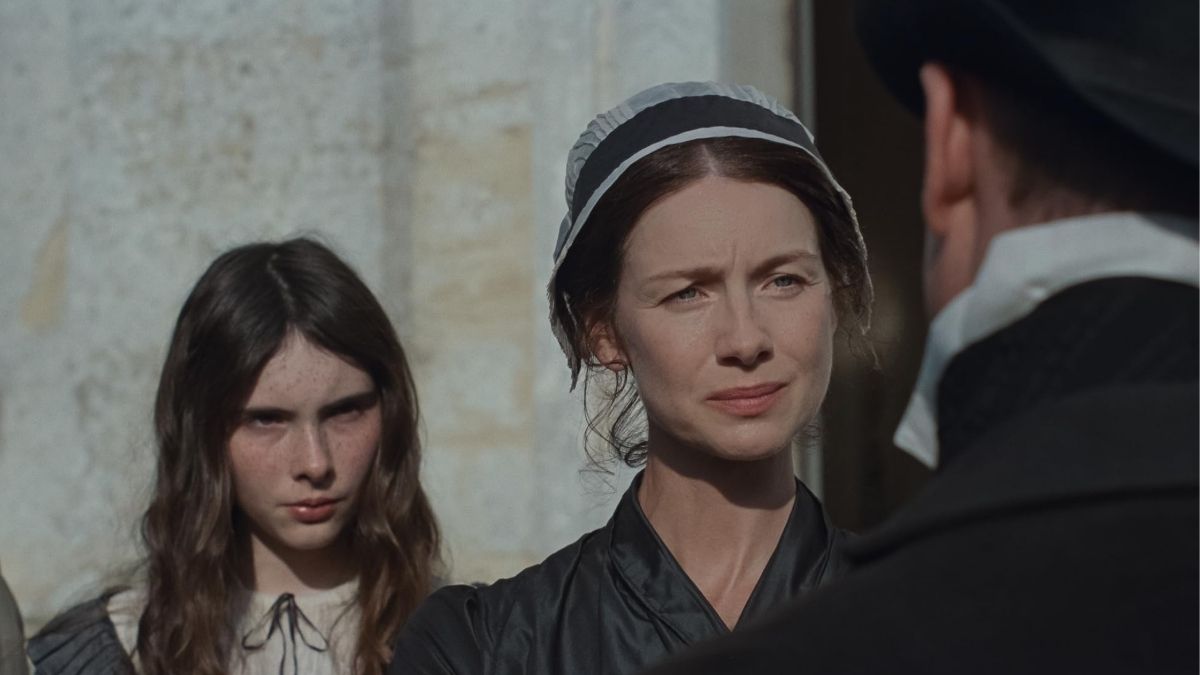
Elinor’s gentle assessment of her love for Edward is in contrast to Marianne’s unrestrained passion, not just for a love interest but for life itself. After the Dashwoods are taken under the wing of a boisterous cousin (Fiona Shaw), Marianne resolves to only fall in love with a man whose passion is outward and infinite. Her romance with Willoughby (Frank Dillane), whom Marianne deems her equal in passion for art and poetry, comes under scrutiny from Colonel Brandon (Herbert Nordrum), a quiet but honorable gentleman Marianne finds too subdued.
Jane Austen’s works are often considered comedies of manners, but Oakley’s insightful Sense and Sensibility reinvents the tone without changing the events much. The Dashwoods’ loss of fortune is aptly portrayed as a life-shattering event for the family; John’s wife, Fanny (Stacy Martin), gets more screen time than in prior adaptations, which often elevate her devious distaste for anyone who might threaten her share of the fortune. Marianne and Elinor are unmarried, their mother (Caitríona Balfe, in a charmingly more scatterbrained role than her collected Outlander heroine) is too old to remarry, and their younger sister Margaret (a delightful Bodhi Rae Breathnach) is too young to marry.
In Sense and Sensibility, manners, morality, and proper social introductions are as vital as oxygen. The barriers to Marianne and Elinor finding true love come not from a lack of suitors, but from social convention, which prevents them, in one way or another, from being openly pursued. Breaking an engagement cannot be done without risking social ruin; poor judgment is nearly the same as poor taste. The rules of Regency society are clear and often devastating.
Marianne and Elinor are sisters whose love transcends the chasm between their differences.
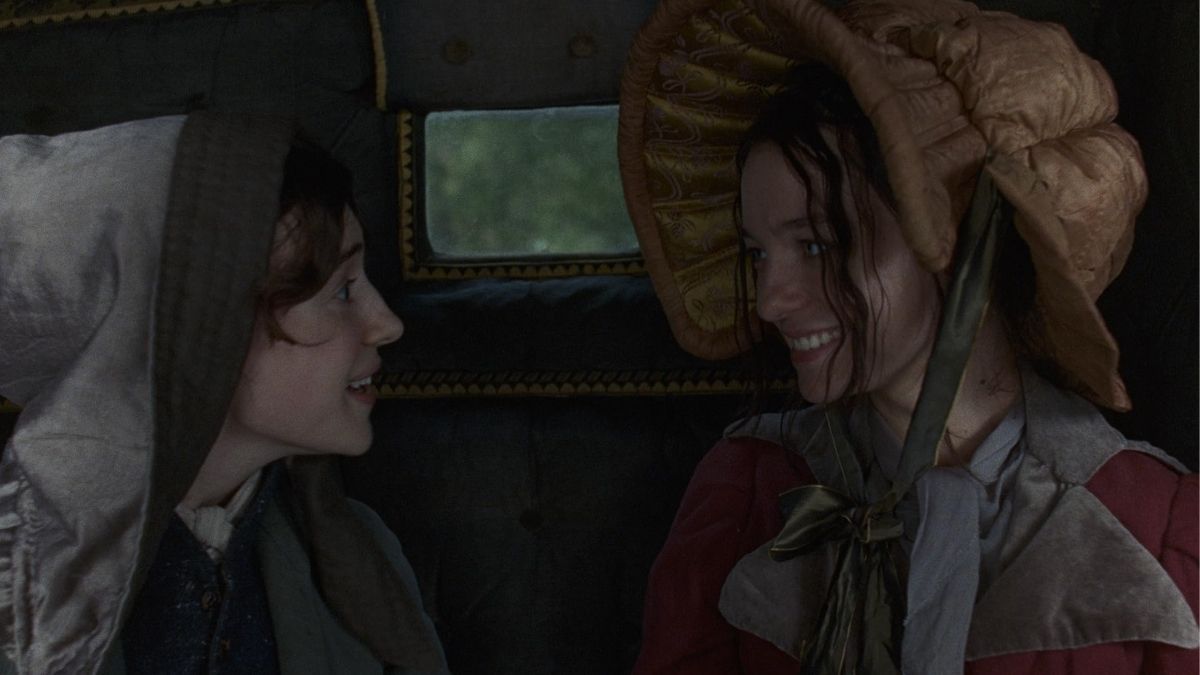
Oakley’s direction, with Diana Reid’s screenplay, is a celebration of sisterhood as a multigenerational concept. The Dashwood sisters and their mother, with Shaw’s Mrs. Jennings, are a lively crew whose celebration and love of one another know no bounds. These are women who champion one another’s victories, hold each other as they cry, and orchestrate chance meetings with prospective romantic interests on each other’s behalf. Elinor’s emotional restraint frustrates Marianne, and Marianne’s passion can embarrass Elinor, but they are nonetheless sisters whose love transcends the chasm between their differences.
It’s all the more devastating when the more peripheral women of Sense and Sensibility do not share that enthusiasm for sisterhood. Acerbic, shrewish Fanny feels the Dashwoods’ inheritance greatly impacts her husband and son’s chances of living a wealthy, comfortable life. Ceara Coveney’s Lucy is the opposite of a girls’ girl, choosing to deploy crucial information at times that can only hurt and betray other women.
Lucy’s given less time to make an impression onscreen; Chloe Pirrie’s cackle-worthy role as a weather-obsessed aristocrat fares better than Lucy despite having far less impact on the plot. Lucy takes a wrecking ball to one of the Dashwoods’ lives, yet delivers devastation before she’s barely taken a breath, as though holding up a sign introducing herself as the plot-necessary barrier to someone’s happiness.
This is a Sense and Sensibility that emphasizes the sisters’ love over a traditional Austen romance.

Sense and Sensibility also toys with the impact and initial portrayal of its own cads and heroes. Edward, a beloved Austen hero for his sense of honor over his own happiness, has a backstory that gives him no agency over his life. At least he’s quiet and alluring in MacKay’s portrayal, as a less engaging actor might make Edward seem like a puppet who lets other women run his life. He’s the best-treated of Austen’s men, at least by sheer time spent onscreen.
Dillane’s Willoughby is impish and dressed like a farmer rather than a gentleman of relative means. He’s meant to be deceptively, overwhelmingly charming; instead he’s presented as distrustful too soon, as though there’s a lack of trust in the audience’s ability to form their own thoughts about Willoughby long before his nature is revealed.
Colonel Brandon’s interest in Marianne is treated so gently that it’s almost an afterthought compared to the ever-presence of Edward and Elinor’s romance. But perhaps that is a deliberate artistic choice. This is a Sense and Sensibility that, for the most part, lingers far more on the sisters’ love and universal sisterhood as the key force of love rather than categorizing the film as a traditional Austen romance.
Sense and Sensibility (2026) makes 200-year-old material feel fresh without being irreverent.
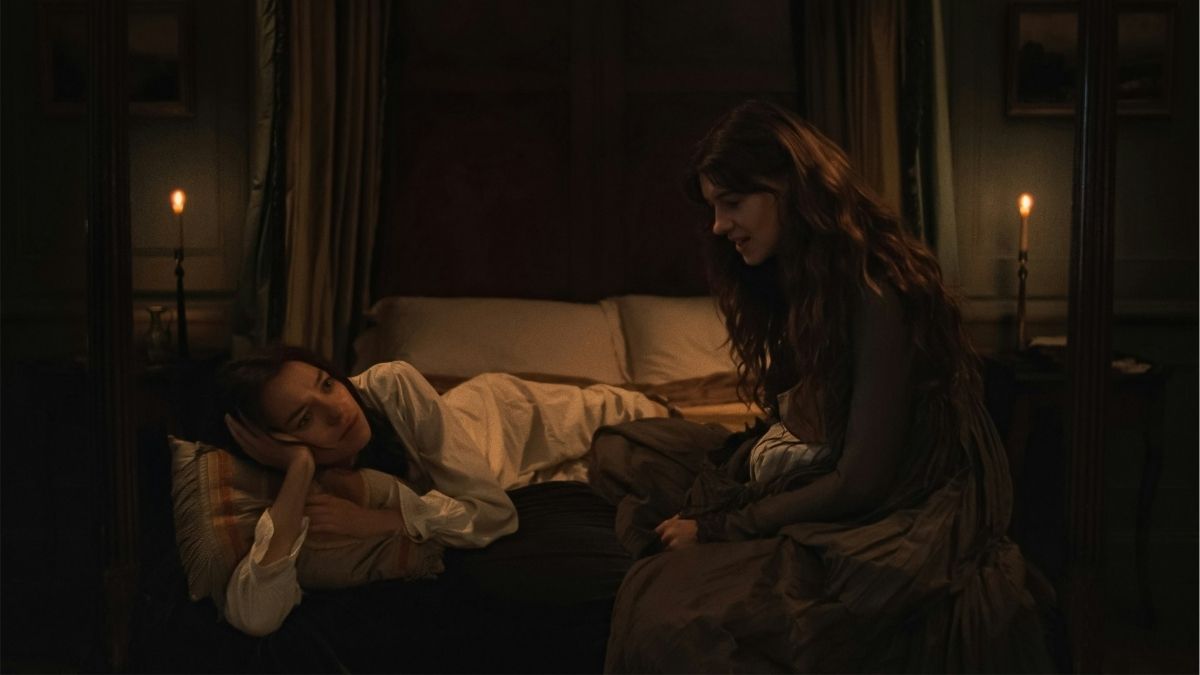
Where Sense and Sensibility succeeds without question is its casting. Edgar-Jones’s Elinor is more emotional compared to prior portrayals of the character, making her rare outbursts strong and impactful. Creed-Miles’s energetic Marianne is a vivid onscreen presence. Chemistry is so rarely considered outside of romantic performances, but these are an Elinor and Marianne with sisterly chemistry, a vital element to its success.
Oakley’s visuals clearly draw on Joe Wright’s Pride and Prejudice (2005). Borrowing earthy tones, loose hair, and a sweeping score from that film, Sense and Sensibility instead carves out its core identity as a love story about sisters, mother and daughters, women celebrating each other as an expression of love. Sisters appear in most Austen stories, but none as crucially as in Sense and Sensibility.
To see a new take on 200-year-old material, making it fresh without being irreverent, is difficult, but Oakley makes it look easy. The film runs as wild as Marianne while being as carefully considered as Elinor, winning you over from the first frame. Emotional, romantic, and vivid, Sense and Sensibility (2026) is a Jane Austen film with its heart on its sleeve.
Sense and Sensibility (2026) is playing now in theaters everywhere.
Sense and Sensibility (2026)
-
Rating - 8/108/10
TL;DR
Emotional, romantic, and vivid, Sense and Sensibility (2026) is a Jane Austen film with its heart on its sleeve.