
J. R. R. Tolkien’s The Lord of the Rings opens with one of the most evocative epigraphs in literary history, an eight-line poem about the One Ring that introduces an epic premise and world in a few short stanzas. By comparison, Amazon’s TV series The Rings of Power — which painstakingly details the creation of the rings alluded to in the poem — never really had a chance. After all, less is often more.
But while The Rings of Power Season 3 may not approach Tolkien’s source material or Peter Jackson’s excellent film trilogy, it comes closer than the show’s previous attempts, delivering grandiose battles and compelling dilemmas less frequently undercut by the series’ past mistakes. Prequelitis remains, but at least the execution has improved.
The Rings of Power Season 3 distances itself from the last two in a very literal sense with a five-year time skip. Since we last saw our heroes, Sauron’s forces have poured over Middle-earth, slaying elves and enslaving men. The tidings are grave. Still, while Sauron’s war has been going to his designs, a secret evades him. He isn’t any closer to forging the One Ring that will allow him to rule all others — technically, that just means gaining power over the Elven Rings, because of last season’s strange storytelling choice to have Sauron control most of these trinkets from the moment they were forged.
A Middle-earth at war keeps pacing brisk in The Rings of Power Season 3.
Against this brutal backdrop, those who stand against Sauron lay divided. Númenor remains at war with itself; King Durin attempts to keep his people from using the Seven Rings; human kings, doomed to die, continue to fall to the Nine’s thrall; and the elves are cut off, with their Three Rings the only thing keeping them from ruin.
With that bleak setup, The Rings of Power brings something to the show’s third season that the previous two lacked: a sense of focus. There aren’t any more meandering detours involving hobbits that tank the series’ pacing, and instead this season is all about Middle-earth at war. Snappy editing whisks us from one battlefield to the next with stylish, Indiana Jones-esque map transitions, ensuring that the series rarely drags.
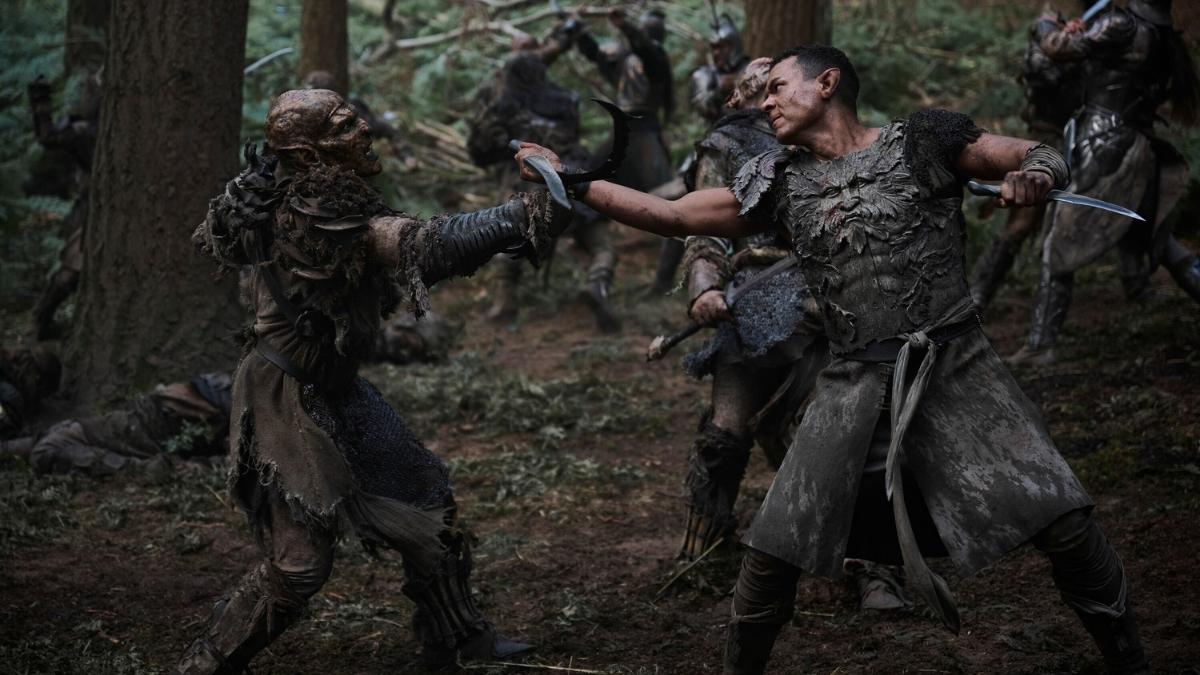
Even with the snappy pacing, writers J. D. Payne, Patrick McKay, and Justin Doble find enough time to build up relationships and unlikely alliances. For instance, the unexpected highlight of the season comes when Galadriel (Morfydd Clark) and Arondir (Ismael Cruz Córdova) form a fellowship with unexpected company: a former agent of Sauron.
Marnûkh arises as an unexpectedly welcome character.
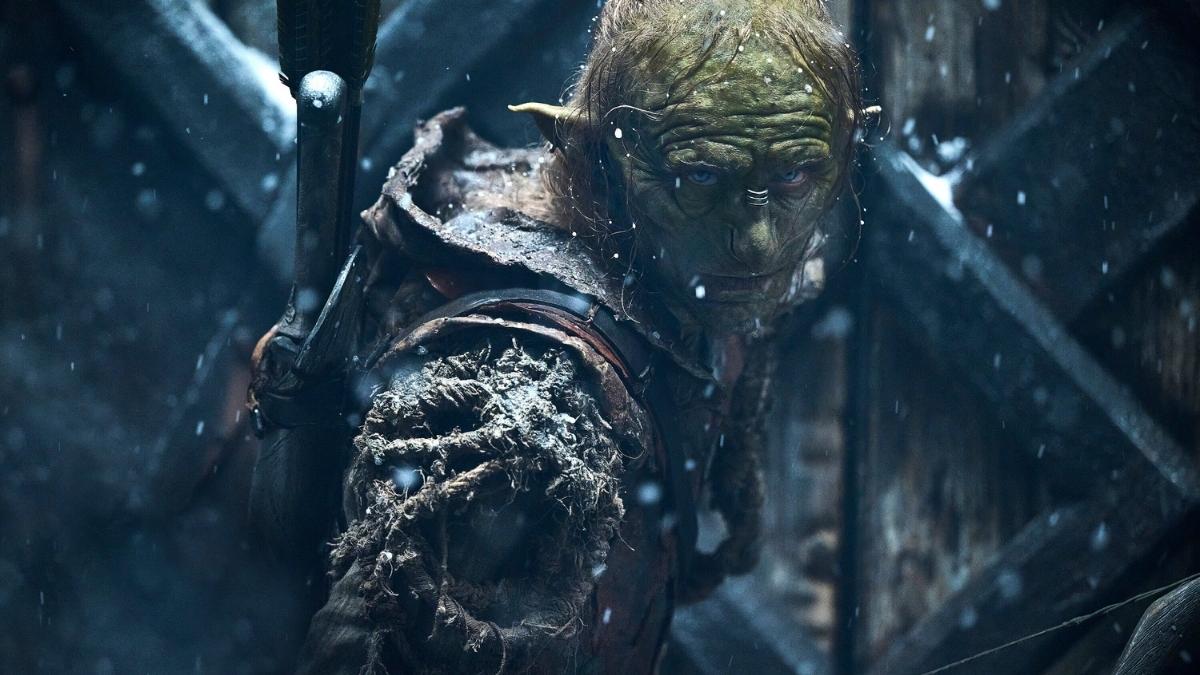
The “orc with an arc,” Marnûkh (Adam Young), is an unexpected delight. Young’s performance makes it clear there’s some pathos hidden under this character’s snarling Cockney accent, giving him depth without introducing too much cognitive dissonance around how orcs are typically portrayed in Middle-earth — despite being able to speak and reason, Tolkien’s orcs are presented as ontologically “evil.” Marnûkh doesn’t necessarily “fix” Tolkien’s self-admitted orc problem, but this character’s motivations make perfect sense in the context of the story.
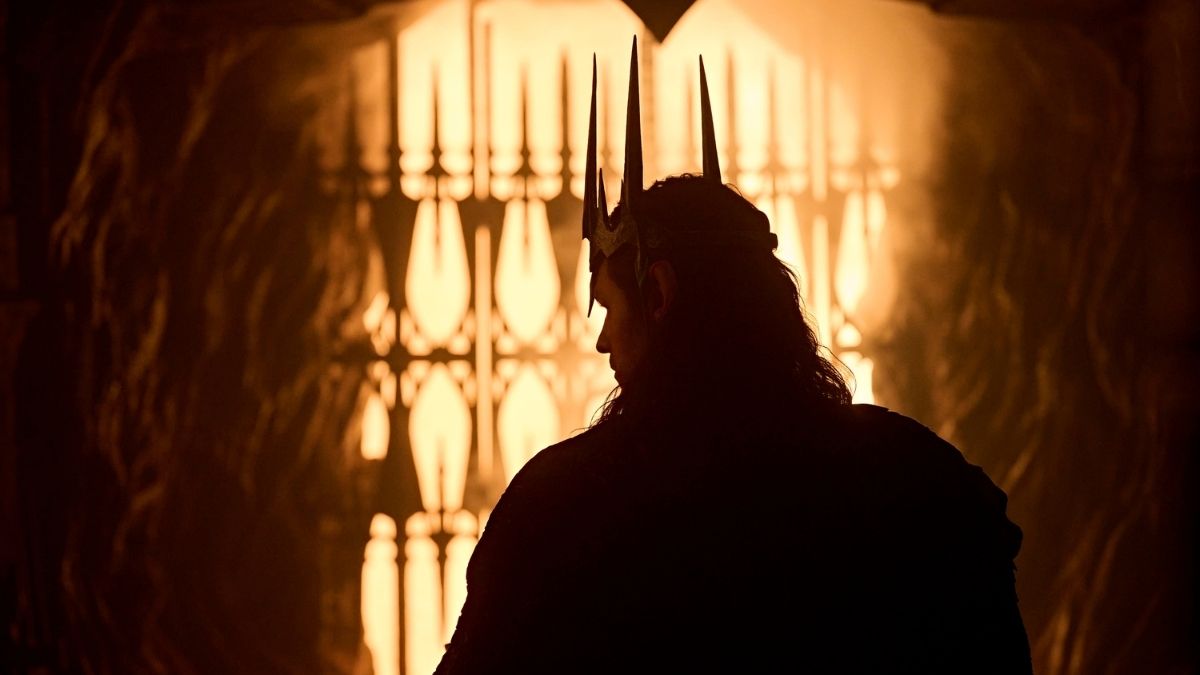
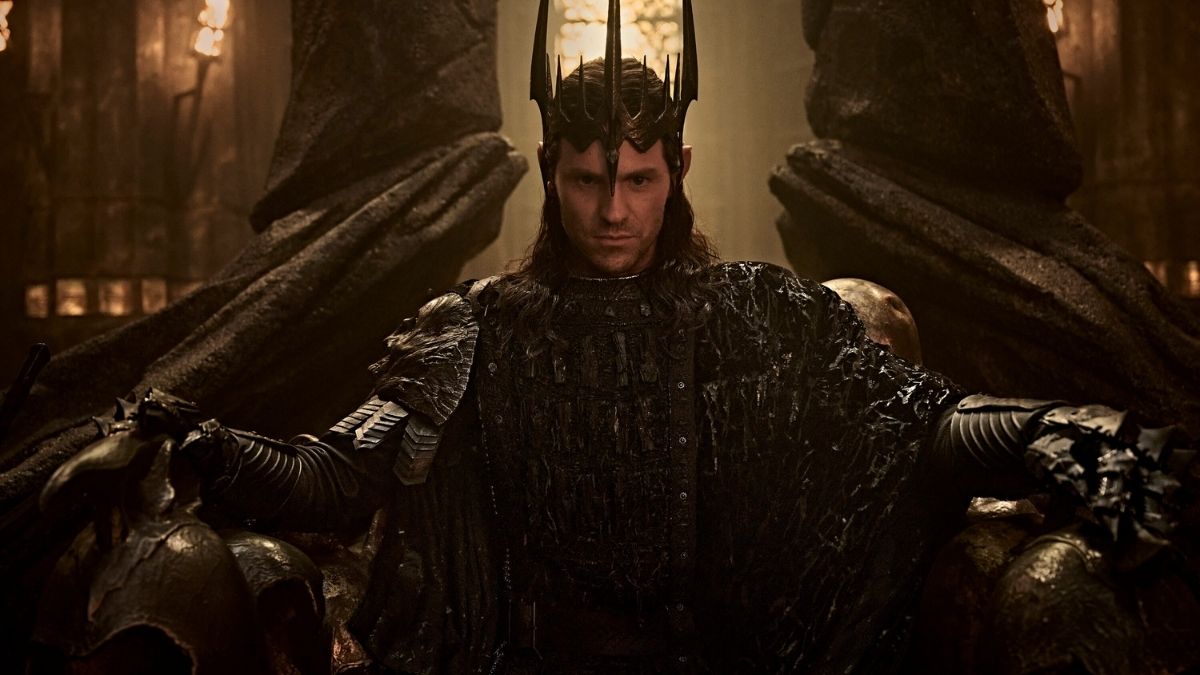
It also certainly helps Marnûkh’s case that he’s a saint compared to Sauron (Charlie Vickers), who fully comes together as a character this season. Instead of making this bad guy more “morally ambiguous” in prestige TV fashion, this season gives him a clearly communicated motive that boils his actions down to a single selfish desire. Yes, Rings of Power’s rendition of this iconic enemy still comes with some caveats. Jackson’s film trilogy maintained a sense of mystery and dark mystique around Sauron because we saw so little of him, something this show doesn’t recreate.
Thankfully, Vickers sells this alternate version of the character as a deceiver and relentless social climber who schemed his way to his former master’s crown. He’s underhanded, villainous, and driven by a fundamental emptiness that causes him to destroy. Meanwhile, Sauron and Galadriel remain bound by a curious relationship rooted in deceit that becomes more delightfully messy as another figure enters this cursed throuple, a plotline that’s among this season’s best.
Some plotlines work better than others, delivering some of the highest highs and the most middling lows.
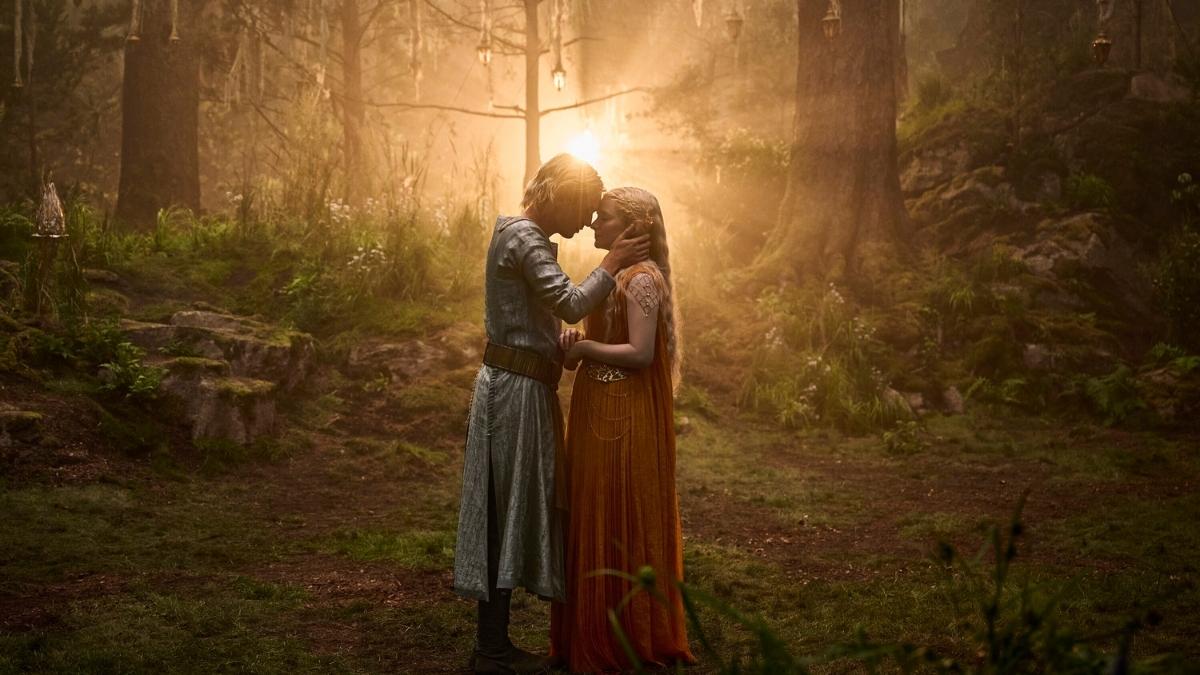
As Galadriel chases her past, the conflict in Númenor is similarly compelling, with timely stakes as a divided nation fights itself. After five years as outcasts, former optimists like Iseldor (Maxim Baldry) have grown jaded and callous, creating a striking contrast with his still morally upstanding father, Elendil (Lloyd Owen). Iseldor and many of the other Faithful want blood for how the corrupt King Pharazôn (Trystan Gravelle) has mistreated them, but Elendil still sees the common humanity in his enemies.
While this arc about a persecuted people turning the other cheek could have come across with an Angel Studios-like heavy-handedness, it’s to the writers’ credit that these obvious religious parallels fit naturally into Tolkien’s already very Christian text, rather than landing like a bad episode of Vegetales.
Admittedly, not all of The Rings of Power Season 3’s plotlines are quite this good. While even the worst sequences benefit from impressive sets and costuming that help transport us to the Dwarven stronghold of Khazad-dûm and the far-off land of Rhûn, the tales told in these backdrops aren’t as convincing. King Durin (Owain Arthur) has a run-in with an estranged brother that ends in a contrived turn, with his sibling’s motives so obvious he may as well be mouthing “I am a bad guy” to the camera every time he goes in for a fraternal embrace.
The Rings of Power Season 3 finds worthwhile stories to tell, but can’t hit the high bar of its source material.
Meanwhile, Gandalf’s (Daniel Weyman) attempt to appeal to a villain’s better reason starts with great potential, but then quickly goes nowhere, leaving this wizard sidelined. A central problem is that many of this season’s dire turns are driven by silly chance happenings rather than heartfelt disagreements or tragic acquiescences to temptation.
Ultimately, though, the biggest problem with The Rings of Power is something more fundamental: The Lord of the Rings didn’t need a prequel that explains how the rings were formed. Like many stories before it, these attempts to expand on something best left unexplained end up diminishing rather than aggrandizing. In its third season, showrunners J. D. Payne and Patrick McKay find worthwhile stories to tell in Middle-earth, but this series still can’t quite live up to a more straightforward journey involving a hobbit and a Ring.
The Lord of the Rings: The Rings of Power Season 3 premieres on Prime Video on November 11, 2026.