


Bass X Machina gives the Wild West an action-packed, steampunk makeover while pulling inspiration from the life and legacy of the legendary Bass Reeves in Netflix’s newest original animated series. Bass X Machina, Netflix’s newest original animated series, is executive produced by LeSean Thomas, Brian Tyree Henry, Jennifer Wiley-Moxley, and Chad Handley, with animation by Studio Mir.
The steampunk, sci-fi western stars Henry as the legendary bounty hunter Bass Reeves, alongside Janelle Monaé as Glory, Tati Gabrielle as Dana, Cree Summer as Ahni, Chaske Spencer as Lighthorse, Currie Graham as Rivenbark, and Starletta Dubois as Etta.
Bass X Machina is set in the lawless Steampunk West following the Civil War, where ruthless outlaws, machines, and supernatural terrors overrun the territory. Bass, a father and husband with another child on the way, is forced to become judge, jury, and executioner. He knows that every act of justice to protect and provide for others may ultimately cost him the very same people he is fighting to save. Now, as an old adversary from Bass’ traumatic past reappears, he sets out on one last mission to secure his family’s future.
The look and feel of Bass X Machina immediately immerses the viewer into its world.
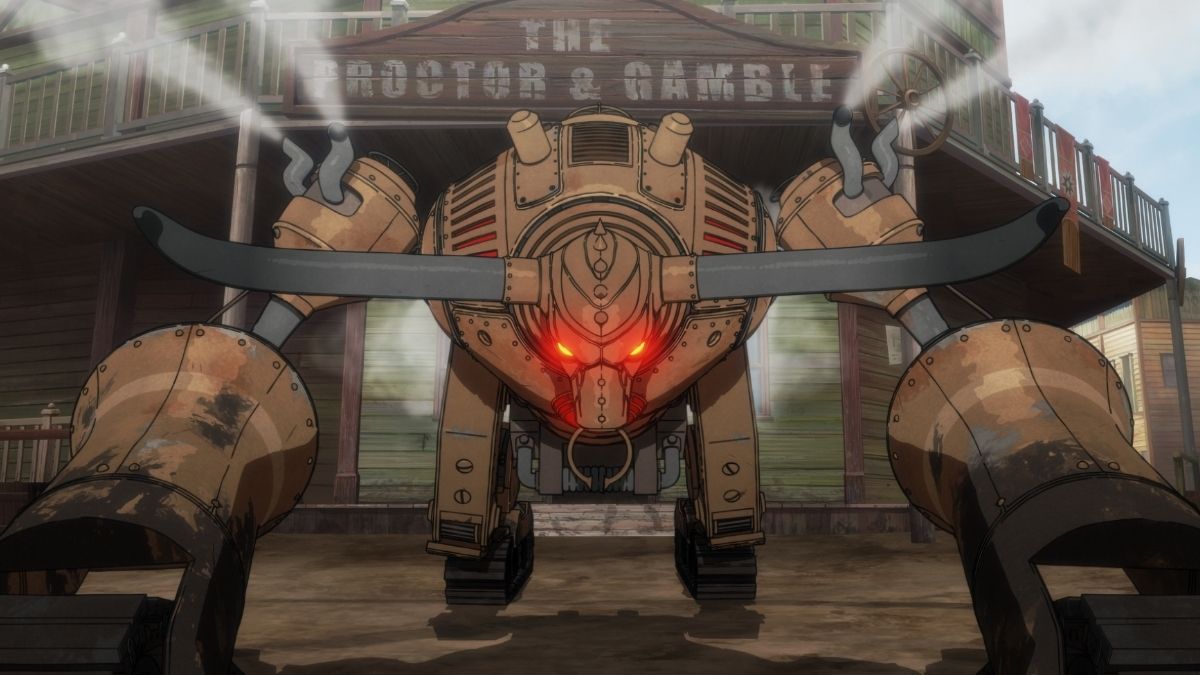
From the start, Bass X Machina establishes its unique identity through its aesthetic, sound, and storytelling approach. The blending of science fiction, Western, and steampunk technology gives the original series a striking premise and visual identity. The supernatural power system reserved for certain characters also suits the show well, adding a deeper layer to the story and to the volatile setting of the Steampunk West in this alternate version of America.
Bass X Machina doesn’t waste a single second, packing an impressive amount of world-building and character development into the season’s six-episode run. However, the limited episode count does make certain characters’ backgrounds feel slightly rushed. Ahni, one of the three young Choctaw women known as Holy People, is particularly deserving of a deeper exploration.
While the show touches on Ahni’s backstory lightly, it doesn’t explore her journey from birth to adulthood. The writing and Summer’s performance still do a great job of fleshing out the character; however, it would have been great to see how Ahni grew into her powers and the experiences that shaped her into the woman audiences meet in Bass X Machina. If given a second season, it would be interesting to see if the series builds upon Ahni and the Holy people later on.
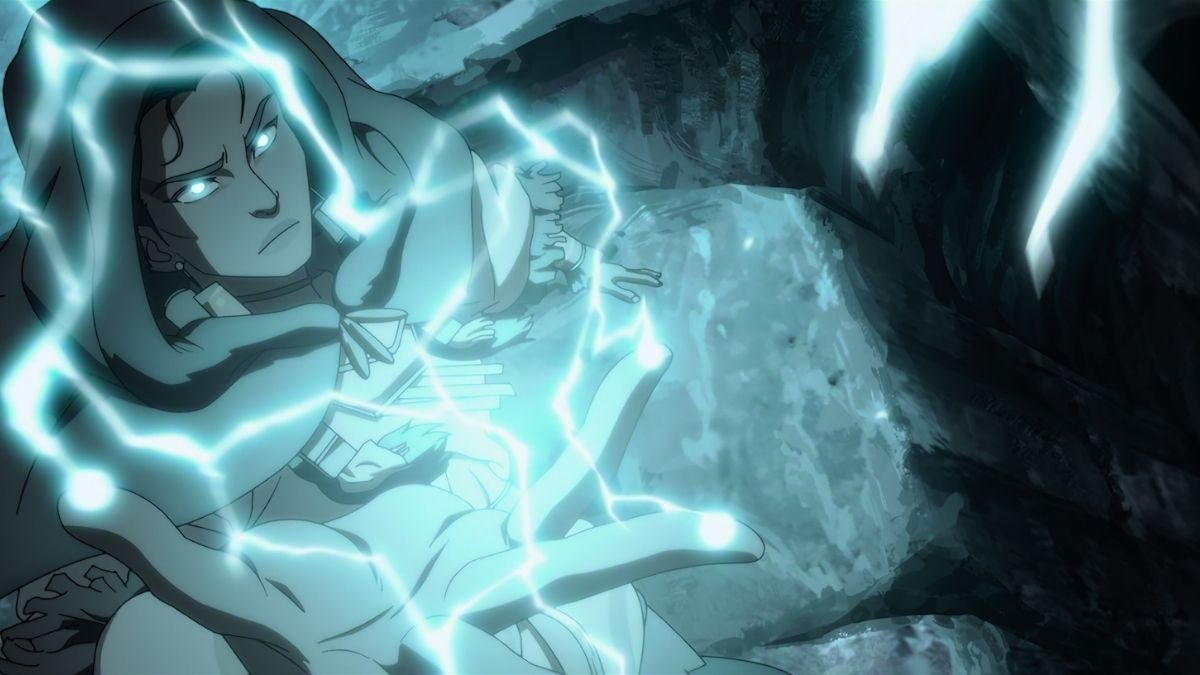
Studio Mir brings the world of Bass X Machina to life with impressive detail and style, especially during the action and fight sequences. The pacing of the show’s fights balances traditional Western gunslinging shootouts and steampunk technological combat. Some characters rely primarily on guns, while others utilize supernatural abilities or more advanced technological devices, such as mechs. The show’s animation heightens the intensity and momentum of the action sequences when more advanced technology is incorporated into the fights.
Whether characters are engaging in a classic shootout or using advanced weaponry, the animation adapts to the action without sacrificing the series’ distinct visual identity. Bass, in particular, combines gunslinging with some tech in his fighting style. Thanks to his steam-powered prosthetic arm, which doubles as a gun and grants him additional special abilities.
Bass X Machina’s animation also shines in the expansive background designs. From the vast deserts and canyons of the Badlands to the bustle of steam-powered cities and the lush forests of the Choctaw tribe’s territories, the detail and animation bring the various lands and scenery to life. This makes Bass X Machina all the more stunning and vibrant.
Technology is both a driving force of progress and a tool for further discrimination in Bass X Machina.
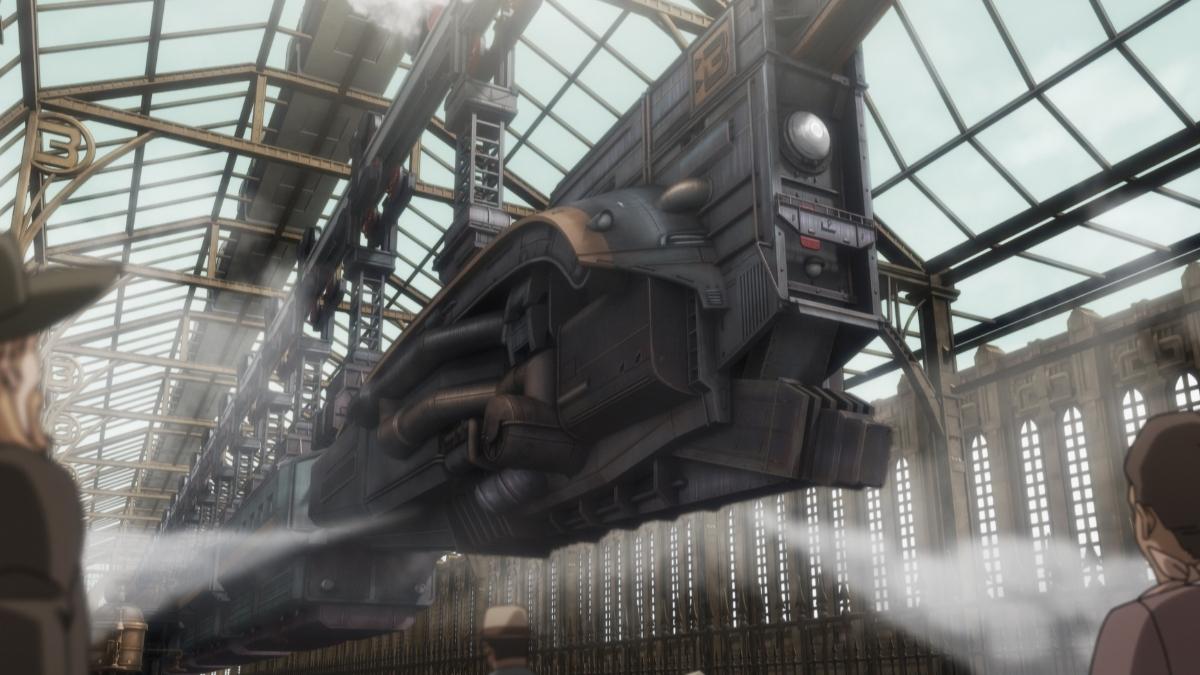
The show’s visuals are paired with an impeccable soundtrack that captures the show’s soundscape and complements its atmosphere perfectly. Even the show’s opening and ending credits are a visual treat that you shouldn’t skip.
Bass X Machina draws heavily on real-life historical events and figures, and takes an interesting approach to acknowledging characters like Bass as well as events such as the Trail of Tears and the Civil War. The inclusion of these events and people helps ground the series’ fictional world in the realities of America’s past, especially when it comes to racial dynamics and tensions of the time, such as segregation, the exploitation and brutalization of Black people, and the genocide and forced displacement of Indigenous communities.
For example, despite the world having made great technological advancements in the post-Civil War period, to the point of having robot servants, these advancements do not eliminate racial issues. If anything, certain technologies deepen discrimination against characters who choose to, or are forced to, equip their bodies with machinery.
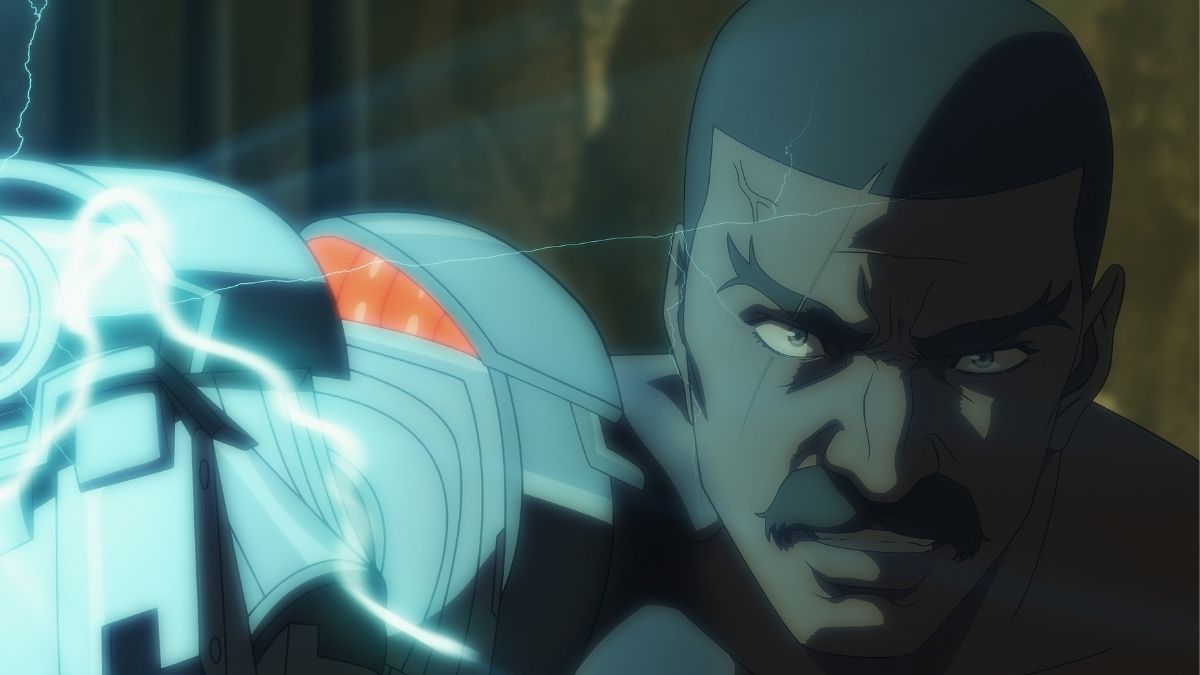
Bass, for example, is looked down upon even more in society and faces greater scrutiny because of his steam-powered arm. Many people in society view him as a monstrosity because of the arm, which adds additional discrimination not just from white people, but even from Black people. Many fail to understand that Bass did not choose to have this prosthetic arm. Instead, it was forced upon him through a dehumanizing experiment. Much like how many Black bodies throughout history have been used as test subjects and lab rats in the name of innovation and advancement.
Bass’ treatment in the show touches on how technological advancements do little to change or improve deep prejudices. Although the world within Bass X Machina is capable of remarkable advancements, people like Bass are still judged by their appearance. Through Bass, the show also poignantly touches on how many innovations in history that have revolutionized the world have also come at the cost of Black bodies.
The show further explores the intersection of identity, race, and prejudice through Dana’s character arc as a young biracial girl who is white-passing. For most of the show, Dana is forced to navigate the world by hiding her biracial identity, which causes a deep internal conflict for the young woman. During a time period when interracial marriage is deemed illegal and could result in death, Dana’s biracial identity is treated as something that should not exist.
How Bass X Machina dissects and explores different identities in a post-Civil War era should be studied.

However, as a young woman who can pass as white, she occupies a complicated place in society that offers her certain privileges. Still, it requires her to abandon or hide her Black heritage. This part of Dana’s coming-of-age story explores identity and belonging in a world that forces people like Dana to define themselves by society’s racial boundaries rather than allowing her to be her full, authentic self. Through her journey with Bass, Dana comes to embrace herself and her biracial identity, which helps her find new confidence.
The voice acting performances in Bass X Machina are brilliant, especially Henry’s performance as Bass. Henry’s talents give Bass an authentic, lived-in touch, capturing the friction between a man hardened by his past trauma and one who has not yet completely given up on the world. Henry captures the weathered weariness in Bass’s voice, reflecting how the world has hurt him, but beneath the hurt, the character still carries compassion and love. This helps flesh out Bass’ character and makes him feel even more personal.
Other notable voice-acting performances come from veteran voice actress Cree Summer, Tati Gabrielle, and Chaske Spencer. Summer and Spencer do an awesome job, speaking fluent Chahta anumpa. Their performances in another language carry the same emotional weight and impact as in English, and it’s a fitting touch to include that language, especially for many people who may have never heard it before, offering an added layer of intentional representation for the Indigenous group.
Meanwhile, Gabrielle’s performance as Dana, the inquisitive and determined engineer, is endearing, capturing the young girl’s innocence, struggles, and growth as she undergoes her own coming-of-age amid Bass X Machina.
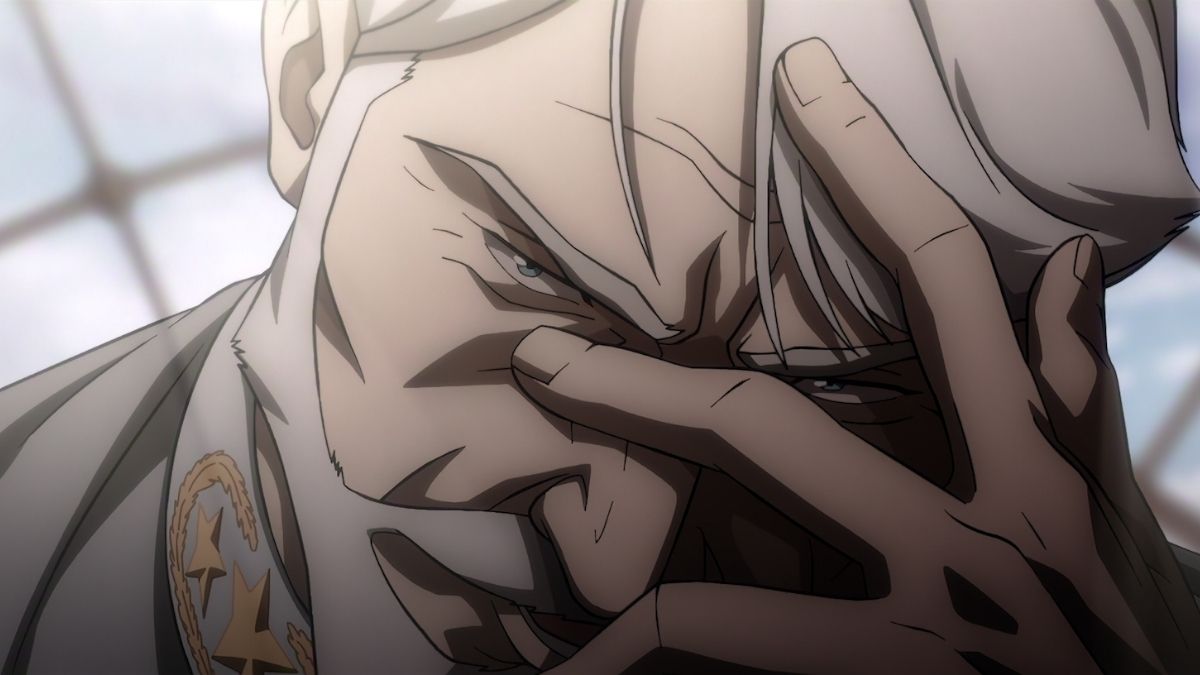
What makes Bass X Machina such a compelling watch is not just the action and aesthetics, but also its deep exploration of morality and how trauma shapes people differently. The series explores the question of morality through Bass, its primary antagonist Rivenbank, and other adversaries. Rivenbank and Bass both have suffered a great loss as a result of war, but their experiences have led the men down very different paths.
Rivenbark, a former Confederate general, chose to let his grief consume him to the point of wanting all of the world to burn. He uses his loss and pain as an excuse to cause more destruction and pain, with no concern for any innocent lives caught in the aftermath.
The clash between Bass and Rivenbark shows the weight of life and death at their hands.
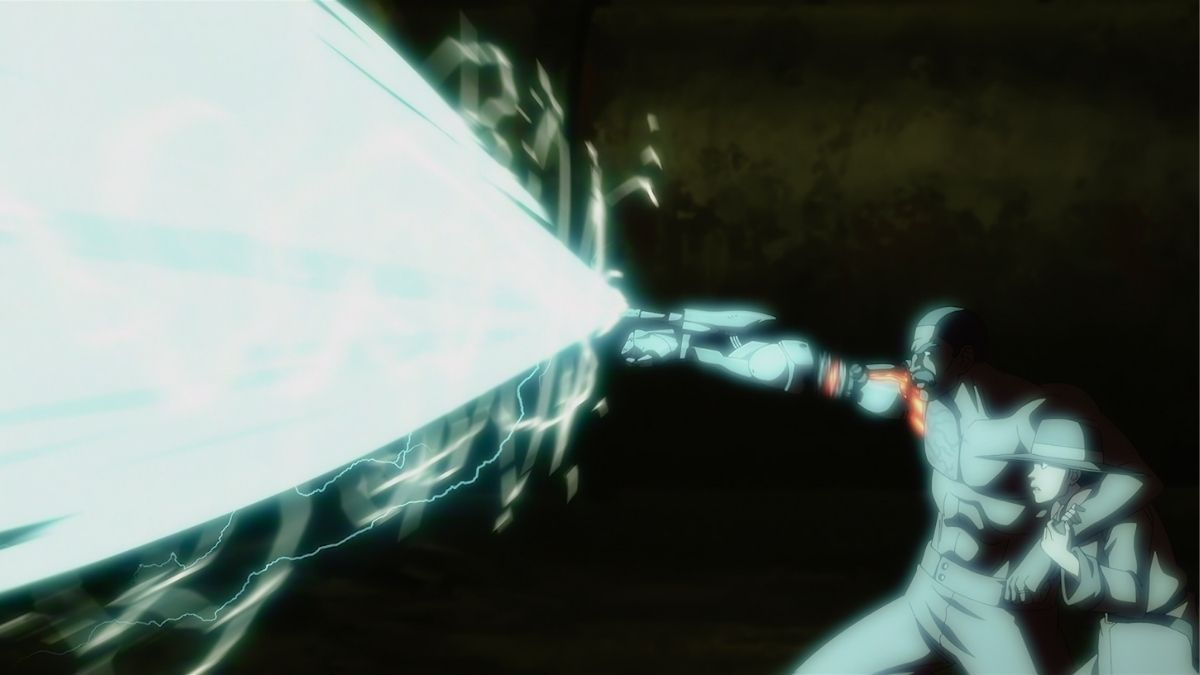
In contrast, after Bass lost his first wife and child, he fell to despair, but instead of allowing his grief to consume him with hatred, he chooses to honor his loved ones’ lives by helping others. Granted, Bass’ hands are not completely clean; he has had to kill before as a part of his bounty hunter work. Nevertheless, Bass understands the gravity of taking a person’s life and does not take it lightly. Because of this, Bass draws a firm line between taking a life in pursuit of justice and defense versus allowing hatred to drive him to senseless killing.
However, Bass is not completely immune to the same impulses that drive his enemies; his desire for revenge against Rivenbark repeatedly challenges the very moral code he has built his life on, forcing him to confront how easily the lines between justice and vengeance can become blurred. Instead of positioning Bass as an unwavering symbol of justice, Bass X Machina allows its protagonist to be flawed, complicated, and even contradictory. By doing this, the show recognizes that morality is not always cut-and-dry and that the pursuit of justice can be as complex as the circumstances that require it.

Bass X Machina is a visually striking, ambitious reimagining of a Western legend, bringing its own unique style and flair. The series masterfully blends sci-fi, steampunk, and Western elements while interweaving themes of race, identity, morality, and the lasting effects of generational trauma. Henry, Summer, Gabrielle, and Spencer all deliver compelling voice-acting performances that bring heart and authenticity to their characters.
The series is efficiently paced over a six-episode run, but the limited episode count leaves some characters and their storylines feeling slightly underdeveloped. Ultimately, Bass X Machina is a thought-provoking story about the choices people make in the face of injustice, and whether they will succumb and perpetuate the violence of the past or rise above to break the cycle.
Bass X Machina is streaming now, exclusively on Netflix.
Bass X Machina
-
Rating - 9/109/10
TL:DR
Bass X Machina is a visually striking, ambitious reimagining of a Western legend, bringing its own unique style and flair.