

Star Wars is a brand that insists upon itself. Before and after the Disney purchase, stories in the franchise often get bogged down by the weight of its world. They lose sight of themselves and focus on fitting into the timeline and connecting enough of the Skywalker Saga to warrant a full Wookiepedia entry. BitReactor’s Star Wars Zero Company doesn’t completely avoid this trap, but it does deliver a high-quality experience that will satisfy fans of tactical games even if they aren’t fans of Star Wars.
In Star Wars Zero Company, players take on the role of Hawks, a disgraced former captain of the Republic army turned mercenary leader. Hawks’s titular Zero Company are low enough on cash to willingly take on contracts from the Republic’s CIA equivalent and finds itself tied up in trying to stop a plague from spreading across the galaxy.
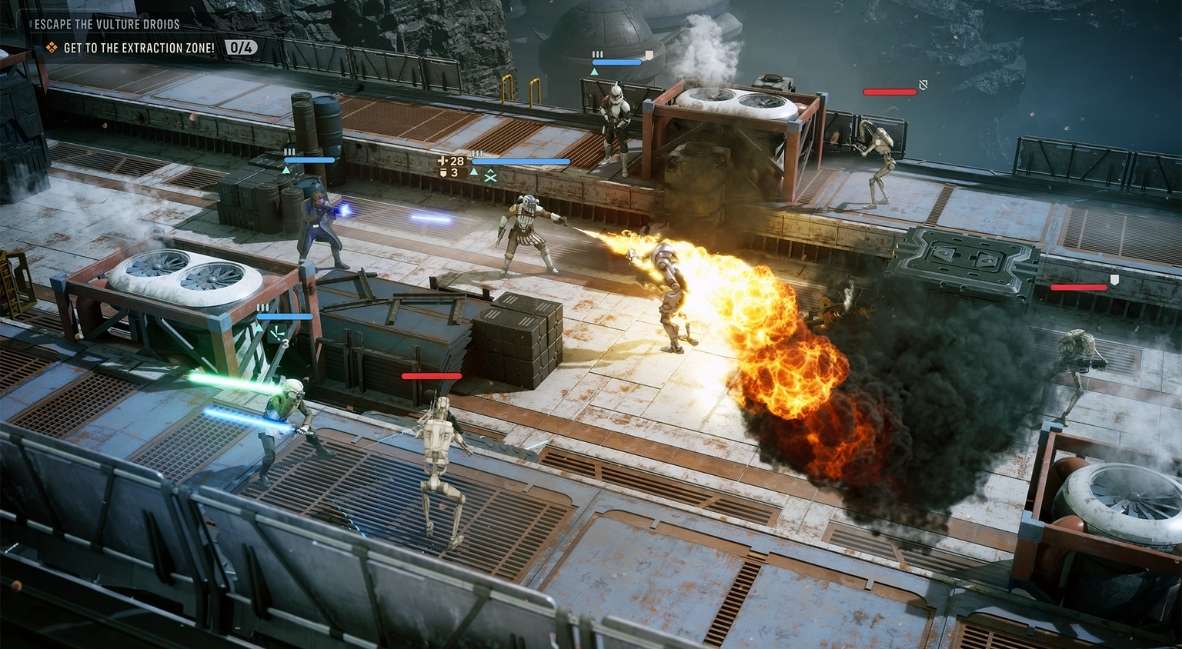
To accomplish that goal, Hawks leads Zero Company through intelligence gathering and on-the-ground turn-based tactical missions. Those missions form the bulk of the gameplay in Star Wars Zero Company. Four company operators are deployed into action and follow some pretty traditional tactics-game best practices. Operators are limited to three actions, and the player decides how to allocate them: moving around the battlefield, attacking, or taking special actions based on the operator’s class.
Permanent death brings high stakes to Star Wars Zero Company.

Units can also work together for both offensive and defensive options, which builds bonds between them. These bonds are one of Zero Company‘s tricks to give players more agency over their experience. As bonds between various units (Hawks included) evolve, dynamic upgrade options present themselves. Each of these little tweaks adds up to create a company of operators that won’t look like anyone else’s.
Events in the galaxy are vast and often come all at once. Choices have to be made constantly, like which leads to pursue, what contracts to take, who to ship out with, etc. Permanent death is on by default, meaning just enough wrong decisions can lead to a company member joining the memorial wall instead of the next mission. Death shouldn’t be a warning away from Star Wars Zero Company, though. Playing on the recommended difficulty and with enough care, limiting casualties is reasonable.
Fans of tactical games will not find a drastic pushing forward of the genre in Star Wars Zero Company. But even though this is BitReactor’s first game, the studio is made up of veteran developers in this space, and it shows. Turns flow well, easily communicating all the information players need to take action and explaining their errors.
Classes are straightforward and understandable while keeping the Star Wars logic consistent. Thoughtfulness is the keyword here – every good practice of the genre is here and implemented in a way that doesn’t betray the world-building or lore even as BitReactor introduces new ideas.
Computer-generated unscripted characters are packed with personality.
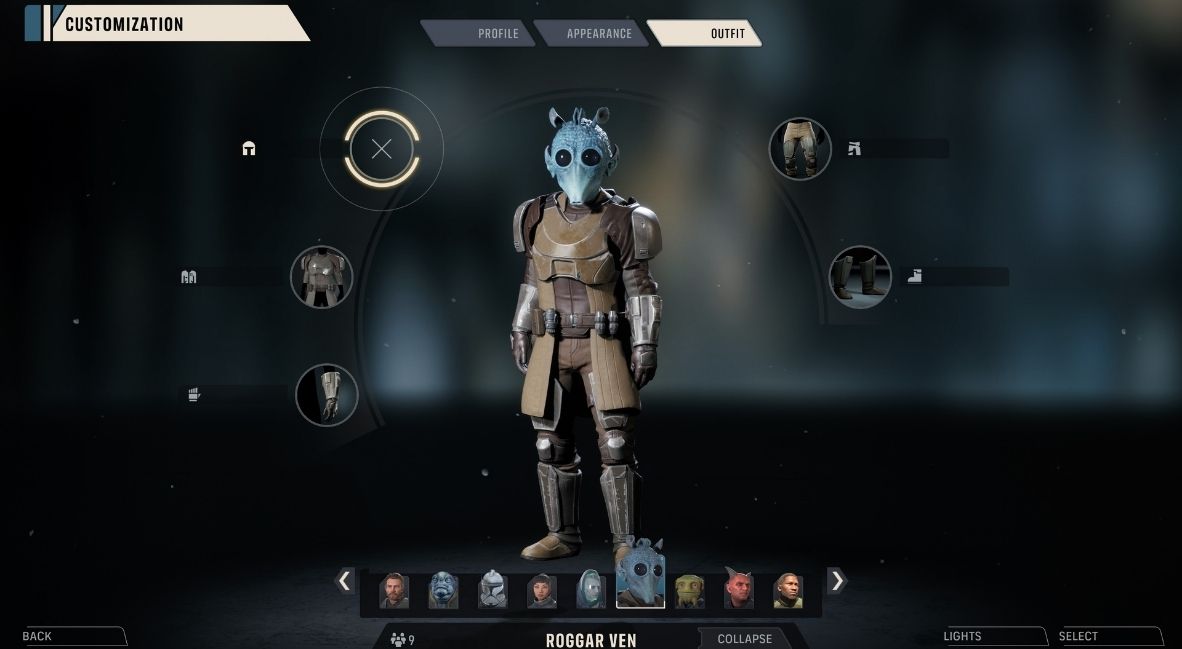
The best idea BitReactor includes is the ability to hire operators that the game builds using random components. Each one combines the game’s various classes and skills in different ways, then gives them a personality and background that form an actual character. I was impressed by how believable these unscripted characters were when I previewed Zero Company, and the full experience is even better.
Not only do these hired operators have personality traits that shine through their dialogue and actions, but they also actively participate in the story. During and after missions, these operators comment on events in real time. For example, at one point, two of the scripted characters had a heated exchange complete in a cutscene, and these operators reacted in their own way, just like any of the actual plot characters. One of them hand-waved it away as “boys being boys.” Another of my operators is completely paranoid and is building a subplot of foreshadowing canon Star Wars events just with vague conspiracy theorizing.
There are limits to these operators, of course. No one else is going to use their randomly generated names, and as far as I can tell, these are actual scripted lines being used. It doesn’t always work perfectly. However, they fit in well, especially compared to the faceless chess pieces some tactical games use.
The larger Star Wars universe eventually comes to bear in Star Wars Zero Company.
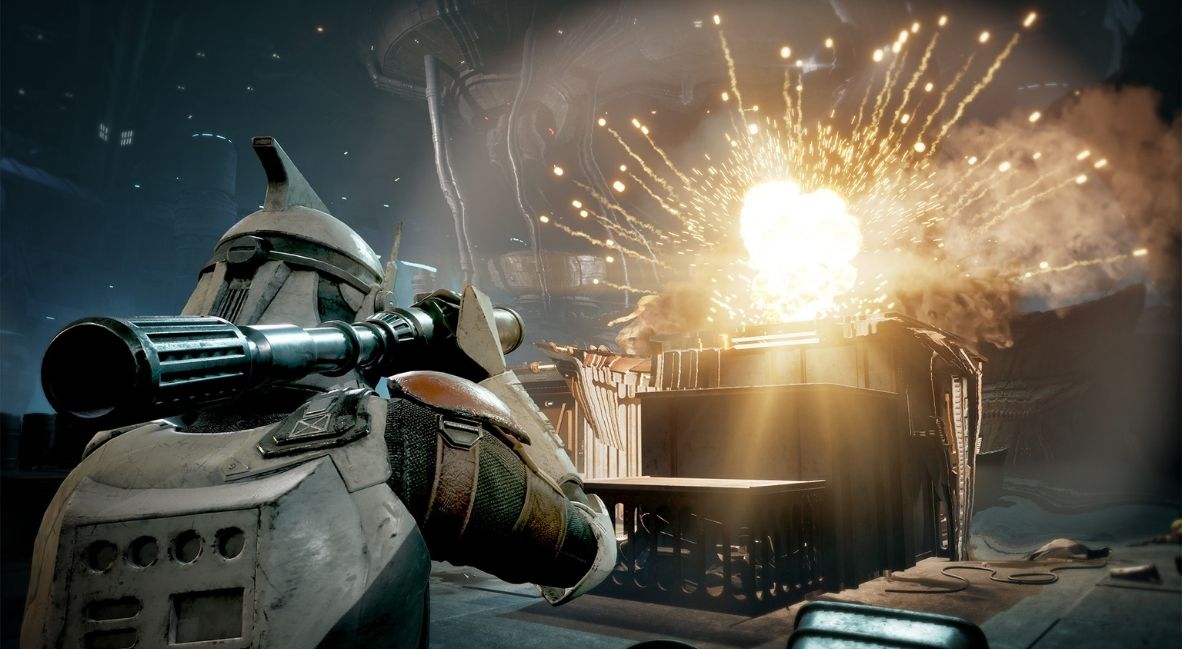
As for the actual scripted characters, Star Wars Zero Company gives them a decent storyline set in the backdrop of The Clone Wars. Players can customize what their Hawks look like, including species and gender, but Hawks is an active character in the narrative alongside the rest. The circumstances of Hawks’s discharge brew as subtext throughout the game, as does his choice not to discriminate in hiring. Zero Company employs as many former Separatists and lawbreakers as Republic agents.
Rallying a bunch of the underground of the Star Wars universe into some kind of suicide squad is entertaining. Everyone has takes, but the Shadow Plague and adjacent cult called The Infinite Coil are clearly enough of a threat to warrant working together–and Republic credits grease the wheels significantly. To the story’s credit, the operators have various opinions about whether they are effectively extrajudicial military contractors, if the game doesn’t want to make much of a statement on paramilitary actions.
Eventually, the Star Wars saga comes in to squeeze itself into things. It’s never as invasive as something like The Mandalorian, but there are moments where the larger canon becomes more important to highlight than the story the game was telling a moment ago. Case in point, as revealed in trailers: Anakin Skywalker. His deployment is narratively tactical and avoids overstaying his welcome, but of all the Jedi generals in The Clone Wars, what are the odds Anakin is the one who shows up? Even when used well, these moves shrink the world.
BitReactor’s first game is a standout work.
Not every reference is eye-rolling, though. Various smaller callouts actually do put a smile on the face, such as language choices. Several classic and silly Star Wars exclamations make their triumphant return, particularly Zero Company’s money person, Runa (Vic Michaelis), and their use of “wizard.” She delivers the classic Phantom Menace line with perfectly dry sarcasm.
More compelling are the moment-to-moment stories formed during each mission. Star Wars Zero Company gives players freedom to customize their operator’s classes, gear, and each ground team’s makeup. Once in a mission and those choices begin to roost, the game really sings.
Chaos often enters the mix, sometimes as a critical shot being missed or an unexpected enemy unit entering the fray. Simply picking a specialized class that ends up being unnecessary can put the entire team at a disadvantage. Playing through these scenarios creates their own satisfying narratives.
When Star Wars Zero Company is about the titular group, it’s an excellent example of quality tactical gameplay. Thankfully, a vast majority of the game is just that. It’s the kind of game that warrants replay consideration while halfway through an existing playthrough, just to see what would happen in a different scenario. BitReactor’s first game is a standout work that’s worth playing even if you’re sick of Star Wars.
Star Wars Zero Company is available now on PlayStation 5, Xbox Series X|S, and PC.
Star Wars Zero Company
-
Rating - 8/108/10
TL;DR
When Star Wars Zero Company is about the titular group, it’s an excellent example of quality tactical gameplay. Thankfully, a vast majority of the game is just that.