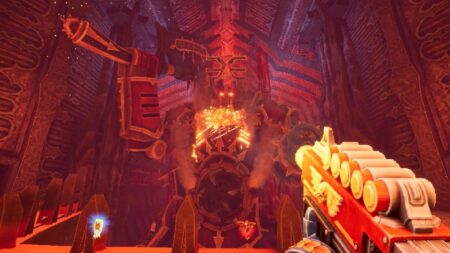


Stupid Never Dies is GPTRACK50’s developer debut and one of this year’s most juvenile yet brainlessly fun games, shining through in a highly oversaturated genre. But it’s also defined, in equal parts, by the many flaws that make it a hard sell for the average action RPG or roguelite fan.
Stupid Never Dies is set in a post-apocalyptic world where monsters have long since outnumbered humans, as most have been killed in the war between the two races, leading to the near extinction of humanity. Now, Earth is plagued by several types of sentient monsters who operate under a strict hierarchy led by the King of Monsters (KOM), who plans to wipe out and consume the rest of the world to fully amalgamate himself with it.
At the bottom of this hierarchy is the protagonist Davy, a zombie teenager who’s a bit of a coward and considered one of the lowest, weakest, and most pathetic among even the zombies. The story begins as he stumbles upon the frozen corpse of a pretty blonde teenage girl named Julia. He quickly becomes unusually infatuated with her and spends every free moment speaking to her and fawning over her.
Stupid Never Dies wastes little time in introducing its more juvenile elements.
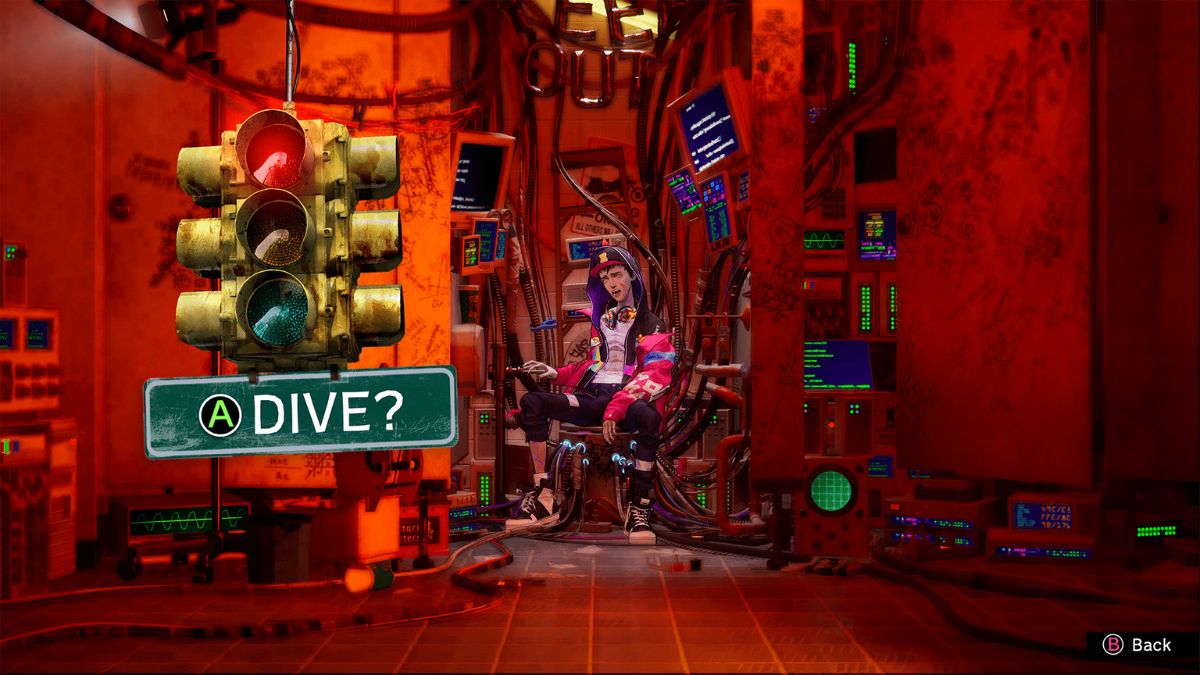
When looking for a way to sate his zombie appetite one day, he finds a mysterious phoenix egg and eats it. He’s then confronted by a human doctor named Doctor Frank Steiner, who implores him to use his newly gained abilities to scour the treacherous monster-realm dungeon and gain the strength needed to defeat KOM. Davy only accepts upon being told that doing this could also allow for a way to revive Julia.
The game’s premise and narrative are as idiotic as its title suggests. A cowardly, simpleton teenage zombie with a basic pop-rock aesthetic becomes a hero to “save the girl” who doesn’t even know he exists. However, the discomfort ramps up when you consider how creepy it is that Davy brings several items to decorate around Julia’s frozen corpse as gifts from his dungeons and collects photographs of other people, cuts out their faces, and replaces them with pictures of them.
But when Stupid Never Dies’ narrative isn’t unsettling and ghoulish, it’s incredibly juvenile. To descend into the dungeon, Davy flushes himself down a super-powered toilet, which is only part of the game’s childish and playful nature, which is further cemented when it’s revealed the egg he ate wasn’t an egg but poop from a Phoenix man who himself only lost a fight to Davy due to his ultimate attack accidentally reflecting back at him.
Players can fight a variety of monster enemies, from werewolves to wyverns.
Details like these make it obvious the game is trying its best to be faithful to its “stupid” nature. The humor falls flat on its face most of the time, but other times its dumb-brained aspects and narrative can actually be fun, despite some clearly unsettling undertones.
The combat in Stupid Never Dies is mostly serviceable, though it has obvious flaws. The first and most notable is the incredibly poorly paced opening hours, which is a slog and a half to wade through due to its overwhelmingly long, aggressively mundane tutorial tacked with needless exposition that’s especially egregious given how unambiguous and simplistic the narrative and premise are.
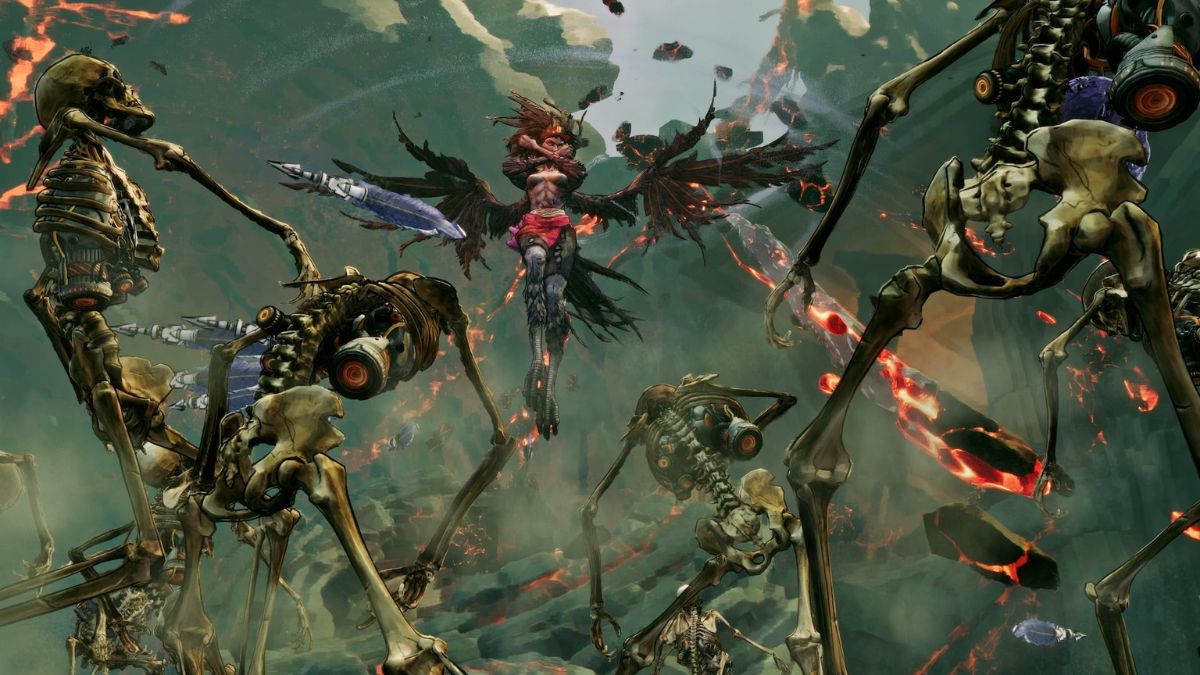
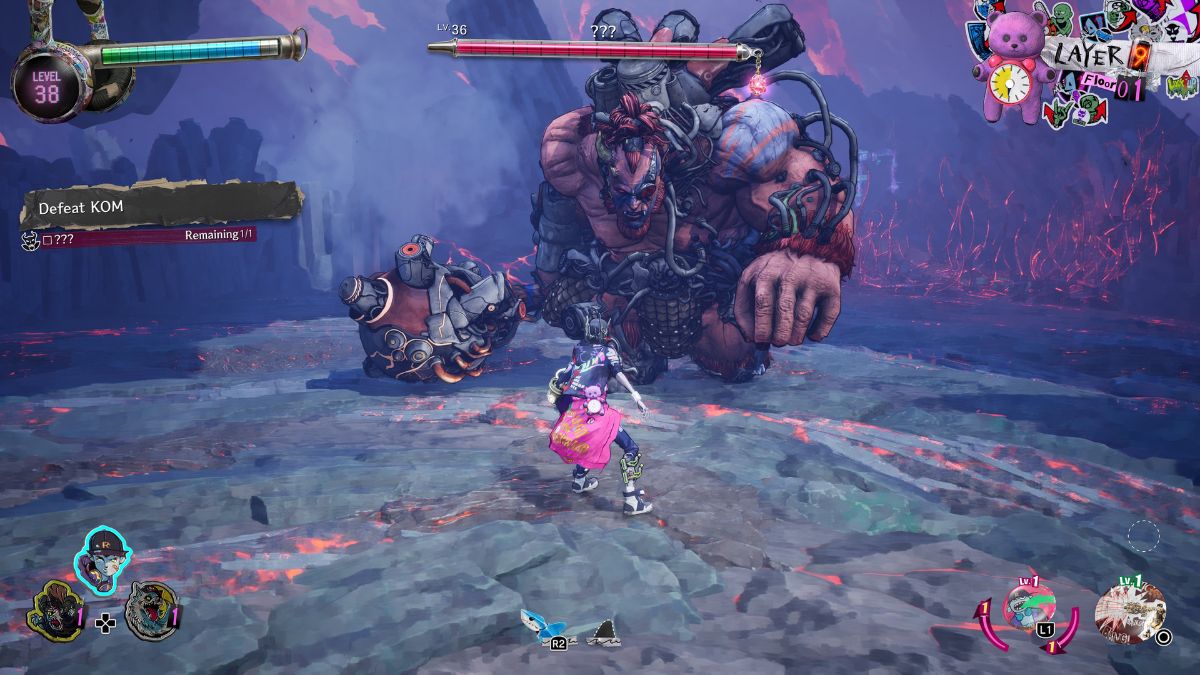
After surviving this, players are introduced to the game’s dungeon, divided into several layers and featuring biomes including a frozen tundra, molten subterranean spaces, an intricate jungle, and a strange medieval European town. Players fight monster enemies, including werewolves, cyclops, wyverns, and harpies, using a variety of real-time attacks, plus skills called Instant Attacks that Davy can acquire by consuming monster cores when monsters are weakened or defeated.
This lets him transform into the monster and use its several skills in combat. Players also level up as they defeat enemies, but levels are only retained during runs, as players must regain them each run.
The game falters with lackluster enhancements.
Additionally, as Stupid Never Dies is a roguelite, between runs, players encounter several run-based upgrades, boosts to defense, health, critical attacks, enhanced damage to specific enemies and bosses, when jumping, and more. Outside runs, players can also get permanent tools and upgrades, one of the most notable of which is Body Hacks, which allows Davy to use permanent tools he acquires during runs called “Overtech Gear” that attach to his limbs.
This then grants him additional abilities such as a temporary shield that bursts and deals damage to enemies, blades that spin around Davy, as well as stat buffs like reduction to ability cooldowns and enhancements to critical damage, health, and more. Many of these enhancements are functional and even helpful, but most of the abilities are annoyingly underwhelming, and even the better ones aren’t very powerful or long-lasting.
Ultimately, the gear and abilities you get during dungeon runs depend more on luck than skill. And while the gameplay loop is relatively simple for a roguelite, the game makes things more challenging and hectic by adding a timer. Players have a set amount of time to reach their highest floor, or a specific floor, each run, since Davy can only safely be in the dungeons for a limited time.
The gameplay loop grows stale over time.

Despite some layers netting them more time, the maximum time is usually around twenty minutes. This system is a double-edged sword because it’s often rewarding to beat the clock, but frustrating to be beholden to it. Beating a boss in the nick of time feels amazing, but failing a boss fight due to time constraints and the game forcing players into a weakened state, especially following a few failed runs, is infuriating.
Additional enraging aspects include how combat can be either incredibly floaty or oddly stiff, depending on which form Davy is attuned to. Fighting enemies when controlling Davy’s base form is especially tedious, as he’s slower and his attacks lack impact, while controlling flying forms like the harpy feels extra floaty. It also doesn’t help that the game, for some reason, lacks a lock-on button, which you’d think is a no-brainer given the chaotic nature of its combat loop.
While the gameplay loop after the first few hours is easy to acclimate to, it also gets stale quickly after the first half of the game, when several tools, abilities, bosses, and locations are constantly introduced. After that, progressing through the dungeon’s layers becomes repetitive.
While not an easy recommendation for roguelite players, Stupid Never Dies has its charms.
Outside combat, Stupid Never Dies also has some odd exclusions you’d otherwise see in similar-styled games. You can’t entirely skip cutscenes or dialogue, even during dialogue moments with a visual novel-like structure, which also lacks a log option. Stupid Never Dies also notably has only an English Dub, despite being developed and published by a Japanese company.
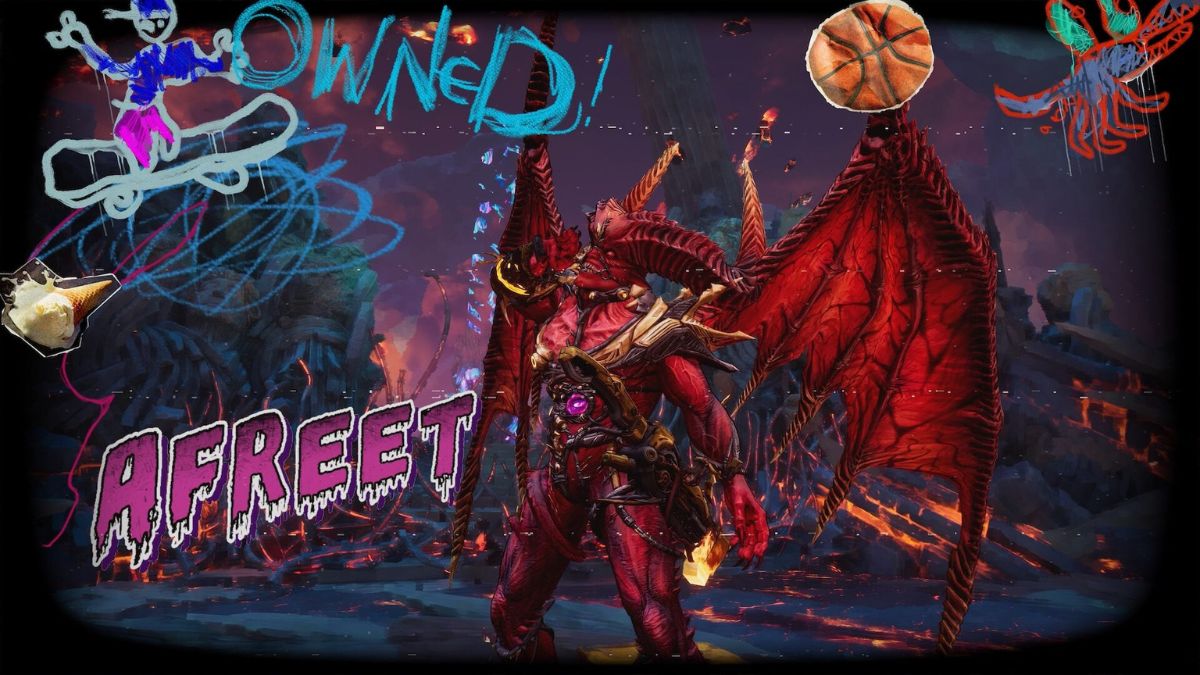
Stupid Never Dies impresses, however, with its distinct visual style. It features a pop-punk, magazine-collage aesthetic, seen chiefly through graffiti art and stickers littering every stage, menu page, and even boss and enemy introductions, all of which maintain an interesting, striking, colorful look. The soundtrack is genuinely whimsical and engaging, featuring a bevy of rock tracks and surprisingly corny but catchy original songs.
Qualms and questionable narrative beats aside, Stupid Never Dies is, for better or worse, a unique game that oozes personality despite its juvenile nature. While its many quirks significantly hold back the experience and make it hard to recommend to roguelite players, the good parts still shine through. Hopefully, future updates will make it more palatable overall.
Stupid Never Dies is available now for PC and PlayStation 5.
Stupid Never Dies
-
Rating - 6.5/106.5/10
TL;DR
Qualms and questionable narrative beats aside, Stupid Never Dies is, for better or worse, a unique game that oozes personality despite its juvenile nature.