

The Trap (2026) (Die Falle) turns a woman’s 10-year-long grief into a dangerous game of cat-and-mouse when she suddenly catches a glimpse of her sister’s murderer on television. The Trap is Netflix’s newest psychological thriller directed by Isabel Kleefeld. The miniseries is written by Kleefeld and Melanie Raabe, with production by Constantin Film. The cast features Friederike Becht as Lisa Konrad, Hans Löw as Robert Lenzen, Matthias Brandt as Norbert Rudow, and Malaya Stern Takeda as Anna.
In The Trap, Successful author Lisa Konrad has not left her home in over a decade. Haunted all these years by grief and guilt from witnessing her sister Anna’s murder, and for not being able to identify the killer accurately. But now fate offers her a chance to finally get justice for her sister’s death when she catches a glimpse of the killer on television. With renewed determination, Lisa sets out a trap for the killer, using herself as the bait.
Becht leads the cast of The Trap in delivering an intense emotional performance that captures Lisa’s grief, isolation, and deep obsession with her sister’s murder. Becht’s performance truly makes Lisa and the story feel compelling and engaging, building the show’s tense, unsettling atmosphere as Lisa’s cat-and-mouse plan is put into action. Becht navigates her character’s vulnerability and desperation while also focusing on the grief and pain that constantly consume her.
The more Lisa writes, the more her novel becomes a device for expressing her grief.

Hans Löw and Matthias Brandt deliver solid supporting performances, rounding out the main cast and providing a strong presence as the story moves between Lisa’s personal history, her imagination, and the unfolding mystery as more of the truth about Anna’s death is revealed. Takeda’s performance as Anna, though brief because of her character’s death, is equally impressive, adding serious emotional weight to The Trap’s story and deepening her complex relationship with Lisa as more of her backstory emerges in later episodes.
One of the show’s most compelling aspects is how it uses Lisa’s writing and imagination to process her sister’s death and prepare her trap for the murderer. Lisa writes a new crime novel based on the events of her sister’s murder to get the attention of the murderer. Lisa’s writing recounts the details of the murder for audiences to see how everything happened from Lisa’s perspective.
The more Lisa writes, the more her novel becomes a device for expressing her grief. It also starts to stir up lost memories she couldn’t recall before. The more Lisa starts to recall, the more it gradually reveals that Lisa’s memories of Anna are not entirely reliable.
The Trap reveals too much from the murderer’s perspective too early in the show.
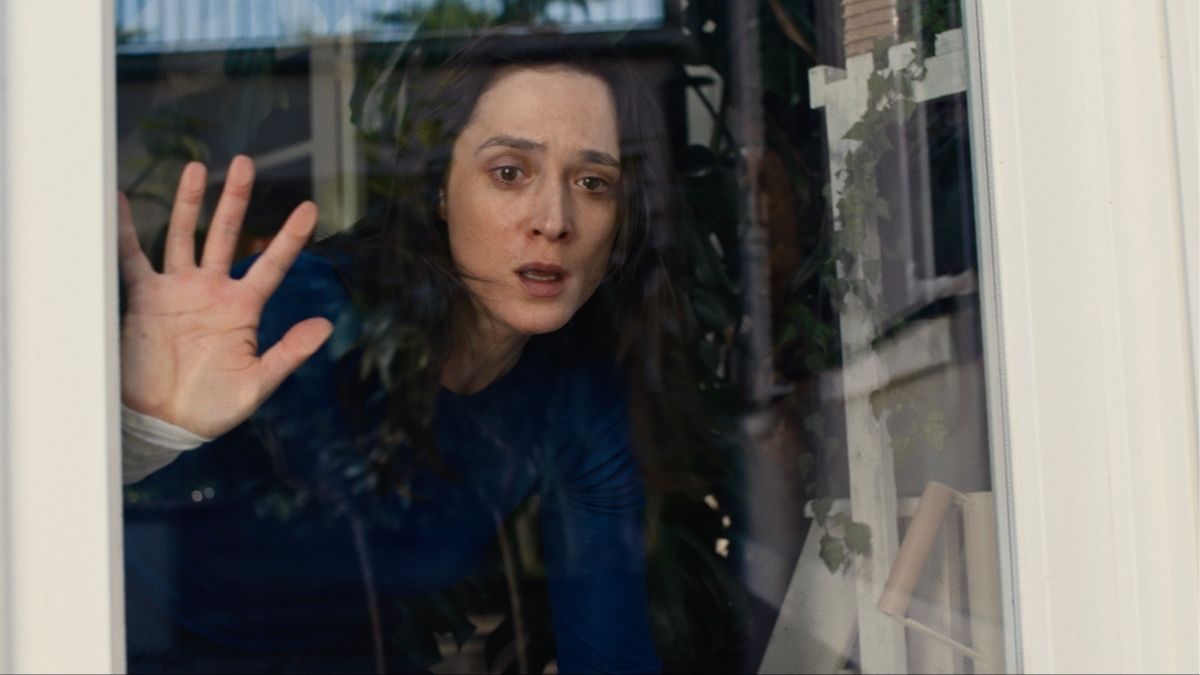
While Lisa reminisces about their sisterly relationship with affection and longing, the story begins to reveal the resentment and jealousy that complicated most of their lives. As The Trap progresses, it becomes clear that Anna was not just Lisa’s innocent little sister; she was also manipulative, selfish, and downright cruel toward Lisa, and she resented her success.
These revelations complicate Lisa’s grief and her relationship with her sister in the most interesting way. In death, Anna has become an idealized figure in Lisa’s memories. This has helped Lisa preserve the memory of her sister as something lovelier and simpler than it actually was. The Trap gradually exposes the less flattering aspects of Anna’s character. The show suggests that mourning someone can mean grieving not only the person they were but also the relationship we always wanted with them.
The Trap is a solid watch for audiences looking for a quick, bingeable psychological thriller. However, its breakneck pacing across six episodes does not give its characters and plot enough room to develop and breathe fully. The series also occasionally undermines its own suspense by revealing too much from the murderer Robert’s perspective too early, which robs The Trap of some of its thrill.
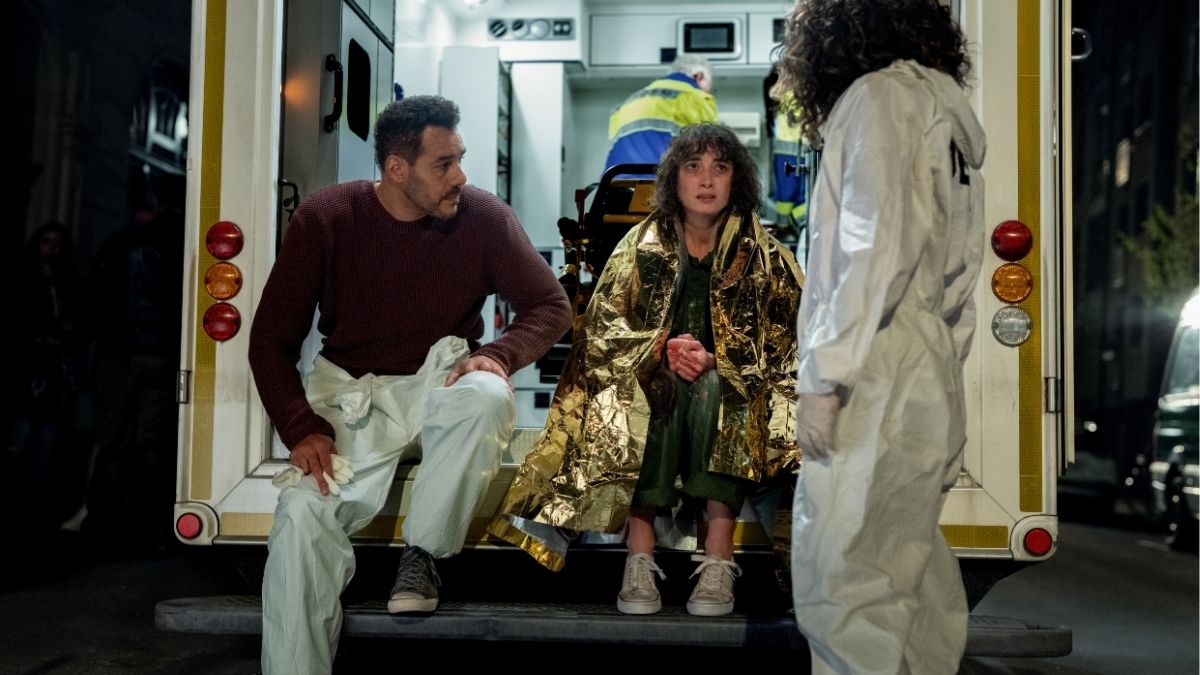
Throughout the series, as viewers watch Lisa train and prepare to trap Robert, he devises his own plans to trap her. Robert is a journalist and uses his resources to gather private health information on Lisa to give her an overdose of her medication to manipulate her more easily. The suspense between Lisa and Robert might have been more compelling had it kept more of Robert’s intentions and actions hidden longer. This might have helped the audience connect more with Lisa’s uncertainty, making their confrontation more suspenseful.
Additionally, Robert’s decision to accept Lisa’s invitation to an interview raises questions about the show’s plot and logic. Robert knows Lisa suspects him of killing her sister, but he still agrees to meet her and even anticipates the police arresting him on site. Although his curiosity provides a potential explanation for why he would willingly enter such a dangerous situation, the decision could have been developed more convincingly.
Considering the very high stakes of the situation, Lisa and Robert’s encounter sometimes feels driven more by the story’s need to bring these characters together than by a fully believable understanding of Robert’s motivations. The issues with balancing the opposing perspectives become more noticeable as the story approaches its conclusion. The earlier episodes of The Trap establish a much stronger, more balanced psychological thriller centered on suspicion, manipulation, and grief.
As the story expands to bring in other characters’ perspectives and revelations, it begins to resemble a more orthodox crime drama. The shift slightly diminishes the show’s storytelling and appeal, and it prevents the final stretch from sustaining the same level of psychological tension and thrill.
The Trap is for viewers who enjoy cat-and-mouse thrillers.

The Trap is a decent psychological thriller that finds its greatest strength in its exploration of grief, guilt, and the stories people tell to help process their trauma. Lisa’s determination to trap and expose her sister’s murderer provides a compelling foundation, while her complicated memories of Anna and her own guilt add emotional depth to the story. In the 10 years that followed Anna’s death, Lisa became overwhelmed with grief and guilt to the point of developing agoraphobia and isolating herself from everyone, including her parents.
The Trap’s most interesting questions are not simply whether the killer has been brought to justice or whether Lisa’s plan will succeed, but how much of her life she has surrendered to grief. And whether uncovering the truth about her sister’s death will finally allow her to reclaim her life and move forward.
The Trap is for viewers who enjoy cat-and-mouse thrillers that explore the psychological consequences of loss alongside a murder mystery. Although the six-part miniseries sacrifices some suspense by revealing too much and struggles to balance its competing perspectives, its impressive performances and elevated tension keep the story interesting. The Trap may not sustain the full force of its premise, but its exploration of grief and complicated relationships gives the show something substantial to work with.
The Trap streams exclusively on Netflix on October 13, 2026.
The Trap (Die Falle)
-
Rating - 7/107/10
TL;DR
The Trap may not sustain the full force of its premise, but its exploration of grief and complicated relationships gives the show something substantial to work with.