

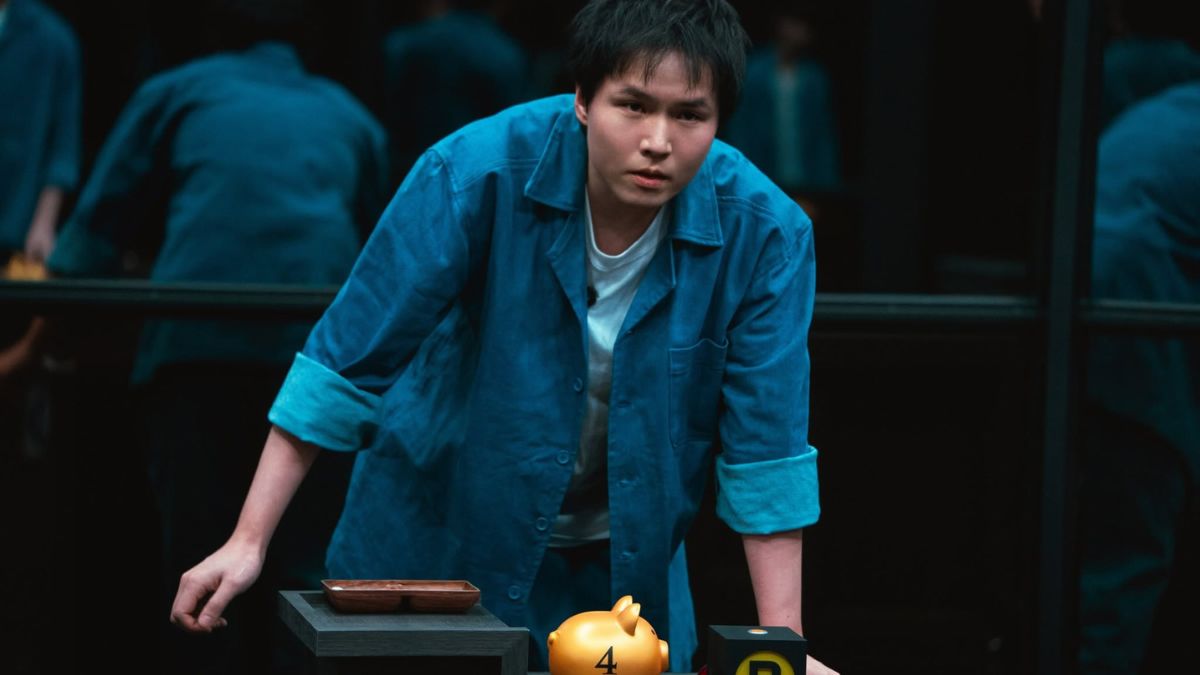
The Devil’s Plan Season 3 challenges a group of veteran survival game show contestants to outthink each other for the chance to win hundreds of millions of won. But they will need to rely not only on their own wits; they will also have to lean on each other, as many games require teamwork. But how far can you trust each other when, in the end, only one can win?
At times, this show’s greatest strength feels like its greatest weakness. By bringing together a group of contestants with previous competition show experience, they set a solid foundation for this season. Each player understands the rules of each game, as well as the unwritten rules of competition shows in general. This leads to plenty of great moments as experience and intelligence shine throughout the challenges.
However, to properly challenge the minds The Devil’s Plan Season 3 brings together, it dives into some incredibly elaborate games that can fail to be exciting. Watching groups of people discuss how to manipulate stock prices is only interesting for so long. With each major game running over an hour, many of the most cerebral team events quickly blur into endless circular discussions accented by occasional sparks of joy and frustration when the fruits of a team’s debates play out.
The Devil’s Plan Season 3 starts unevenly, with the games among its weakest points.
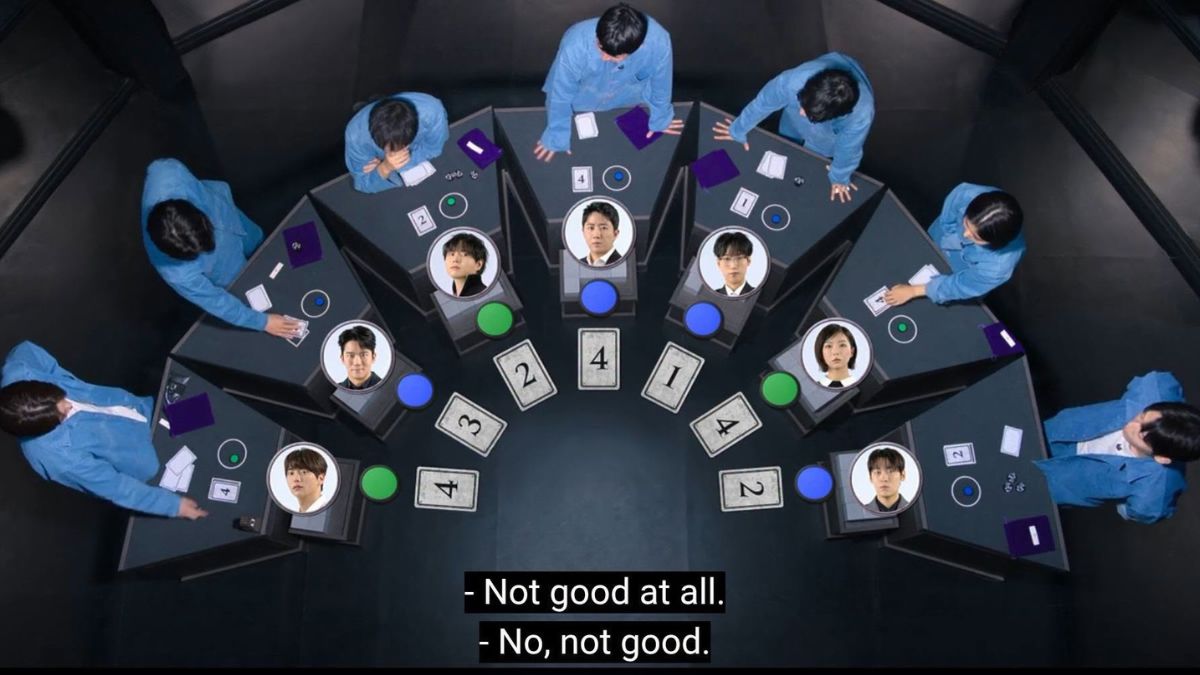
The good news is that this becomes less and less of a problem as The Devil’s Plan Season 3 progresses. As the number of contestants dwindles, the challenges become more direct, while still being mentally engaging. These more streamlined ordeals are much easier for viewers to follow along with and even try to puzzle their own way through. It’s always easier to cheer for your favorite contestant when you fully understand what the plan is.
And there are plenty of great personalities to cheer for in The Devil’s Plan Season 3. While the games are sometimes hit or miss, the way the cast gels is consistently fantastic. The constants quickly form natural-feeling cliques with enough solidarity to invest in, but not enough for betrayal to ever be off the table. And since the cast are all veterans, they are all aware that at the end of the day, everyone is going to do what’s best for themselves.
The series’ ability to draw viewers in is also aided by the organic development of some participants’ stories. Players who are always on the cusp of elimination but pull through, the unbeatable kingpin who always escapes his comeuppance, and other narratives come together to create compelling storylines. And it all feels truly natural.
The contestants’ storylines in The Devil’s Plan Season 3 are absolutely gripping.

It’s no secret that “reality” TV is often far more scripted than it’s sold as. However, if The Devil’s Plan Season 3 is running on a script, they do an incredible job hiding it. The twists and turns, fueled by player choices, all feel completely spontaneous, with reasonable explanations provided via interview segments after the fact.
While the events themselves feel organic, the presentation at times tips its hand in unfortunately obvious ways that can undercut some of the drama. The on-screen information is sometimes selective about what it keeps secret and what it shows, quickly letting viewers know who matters in the upcoming moments. A more consistent level of knowledge during some challenges would better keep the audience guessing about where an individual round or game will be headed.
Another recurring problem for many viewers tuning into The Devil’s Plan Season 3 will come with its localization choices. Some of the longest and most obtuse games rely heavily on written components. While there are general verbal explanations for the broad rules, written information is never translated.
In some games, written components don’t translate for audiences unfamiliar with Korean.

Shots where players are discussing updated rules may show the rule, but no translation will be overlaid for the viewer. And since everyone involved in the conversation can read it, they don’t necessarily spell it out either. This can leave non-Korean-reading fans with only a partial idea of what is being discussed.
Aside from the aforementioned stumbling points, the show’s presentation is great. The designs for both sets and game elements are strong and eye-catching, without being busy or overproduced. Game components frequently featured multiple identifiers, such as letter and color markers, making it easy for game pieces and movements to be followed.
From the contestants to the sets to the twists, The Devil’s Plan Season 3 finds its footing in the end.
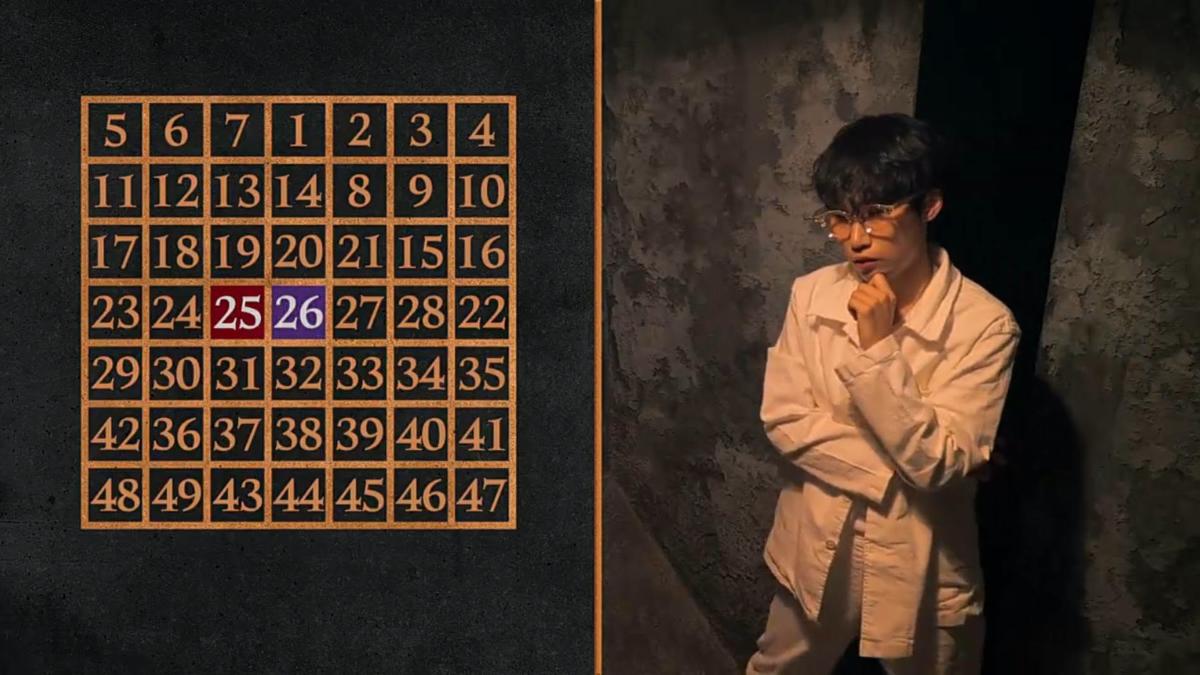
Outside of individual games, The Devil’s Plan Season 3 also brings some twists to its general structure. Major show-changing elements are kept from much of the cast, adding tension as players in the know work toward goals the rest of the group is completely in the dark about.
The Devil’s Plan Season 3 gets off to an uneven start, but comes together by the end. Despite some larger games that can be a struggle to follow along with, the reality series uses a great group of contestants, natural plot lines that develop, and some engaging challenges to come out strong by the finale.
The Devil’s Plan Season 3 is streaming now exclusively on Netflix.
Previous Season |
Despite some larger games that can be a struggle to follow along with, the reality series uses a great group of contestants, natural plot lines that develop, and some engaging challenges to come out strong by the finale.