

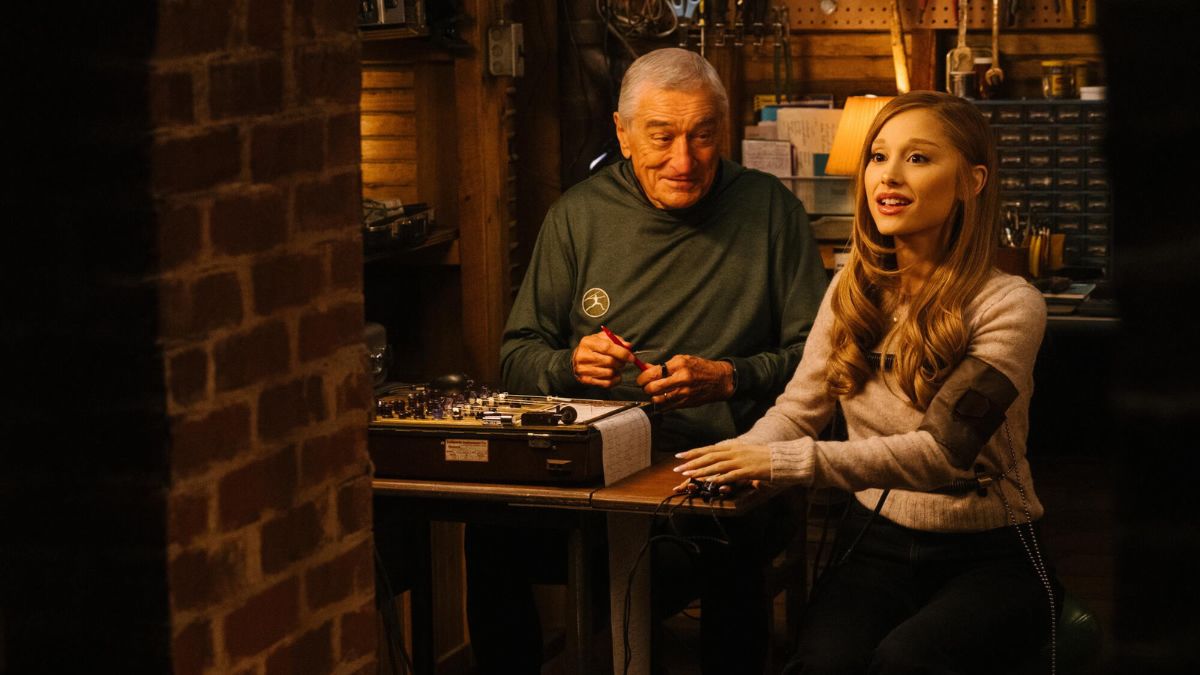
Focker In-Law is an offensively bad sequel in the Meet the Parents series. Directed by John Hamburg and co-written with Ilana Glazer and Austen Earl, many years after we last saw Gary Focker (Ben Stiller) on screen, the Focker family is reunited for his father-in-law Jack’s (Robert De Niro) 80th birthday. The Focker kids, Samantha (Beanie Feldstein) and Henry (Skyler Gisondo), are all grown up, and it’s time for the whole family to meet his girlfriend, Olivia (Ariana Grande).
As a twist on the formula, Focker In-Law makes sense. As his wife, Pam (Teri Polo) helpfully points out, Henry is older now meeting Olivia for the first time than Jack was meeting Gary for the first time. And where the original movie was about Gary chaotically vying for a stubborn, difficult Jack’s affection, now it’s Gary who is being chaotically stubborn and difficult against Olivia’s even-keeled attempts to get close.
But that’s about all that works in this movie. The bulk of the humor is placed on Ben Stiller’s plate, but it’s mostly crude and juvenile. The decidedly un-juvenile Gary makes every single scene uncomfortable with his entirely unreasonable behavior and complete inability to have an honest conversation with anybody. Focker In-Law commits the cardinal sin of comedies: all of its drama is built on characters’ inability or unwillingness to just talk to one another.
Focker In-Law is most infuriating and unpleasant.

It’s infuriating and unpleasant. The movie talks down to the audience, expecting us to laugh at poorly behaved adults who blurt out inappropriate things at every turn. It’s also nonsense to make Gary the straight man against the humor of the supporting characters. Samantha and her boyfriend, Eduardo (Eduardo Franco), exist mostly as comic relief. And they do get a few real laughs. Even Jack gets laughs with his new, carefree, affectionate attitude. Their humor cannot play against what is supposed to be the central comedic character when he is already so cringeworthy. It just makes him seem even less funny.
One small thing Focker In-Law has going for it is how often the stars are actually in the same frame as one another. A plague in modern filmmaking is that casts, especially major stars, rarely actually appear on screen with one another often enough to believably feel like they’re interacting.
There is still a scourge of close-ups on one person with the back of their scene partner’s head right in front of them, clearly not performing the same dialogue as their voice is. But there are more scenes with Stiller and De Niro or Grande actually facing the camera and proving they were on the same set on the same days as each other than in many similar movies of late.
The ensemble is wasted, and many of the main actors don’t live up to expectations.
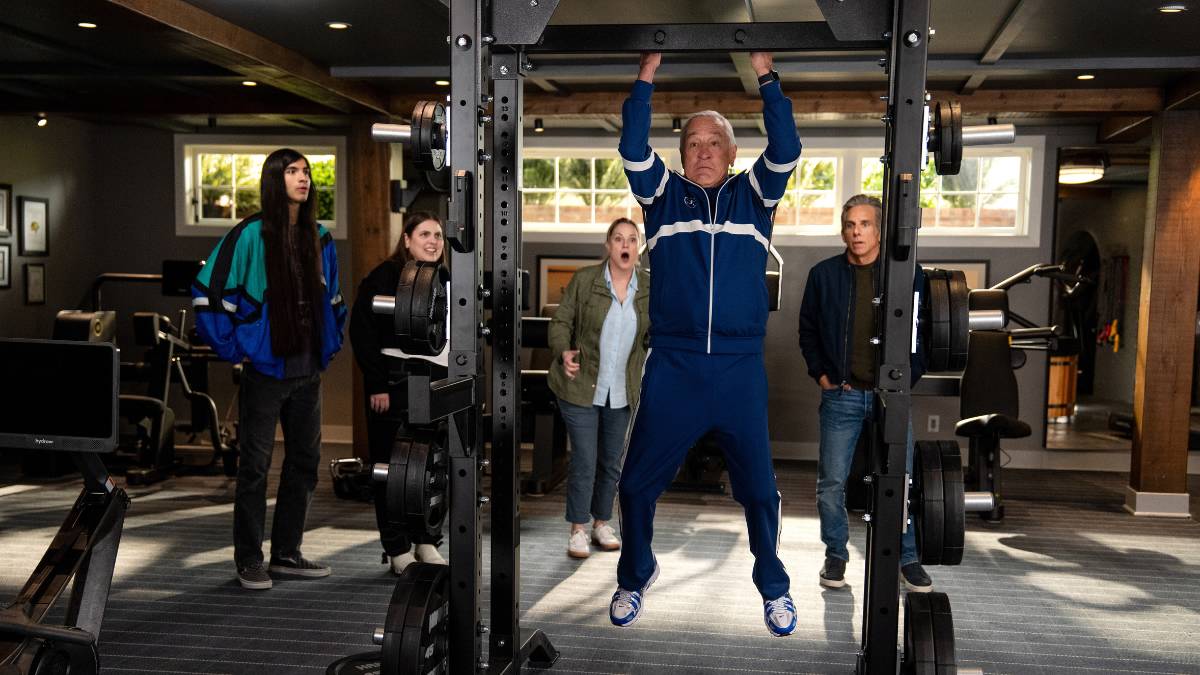
It’s nice to see actors actually interacting with each other, but that doesn’t mean that the acting is particularly good. Still’s antics are a mess and only funny a handful of times. Grande holds up well against giants like Stiller and De Niro, but proves that she has a very limited range as an actor.
She can’t get big or small when the moment calls for it. She’s just even-toned at all times. Her character is written this way, perhaps to mask the fact that she doesn’t access a broad enough range of emotions in her performance, despite ample opportunity for it.
And while Gisondo does no wrong, performing well when given the chance, he’s not given much of a chance. His scenes are always spent either apologizing to somebody with dialogue filled with ultimatums and unkeepable promises—totally unbecoming of a movie about how people should be more honest with each other—or they’re about him being awkward. He does awkward well, but the character, who is ostensibly the third most important character in the movie, is not given nearly enough to do.
Focker In-Law is unfunny and talks down to its audience.
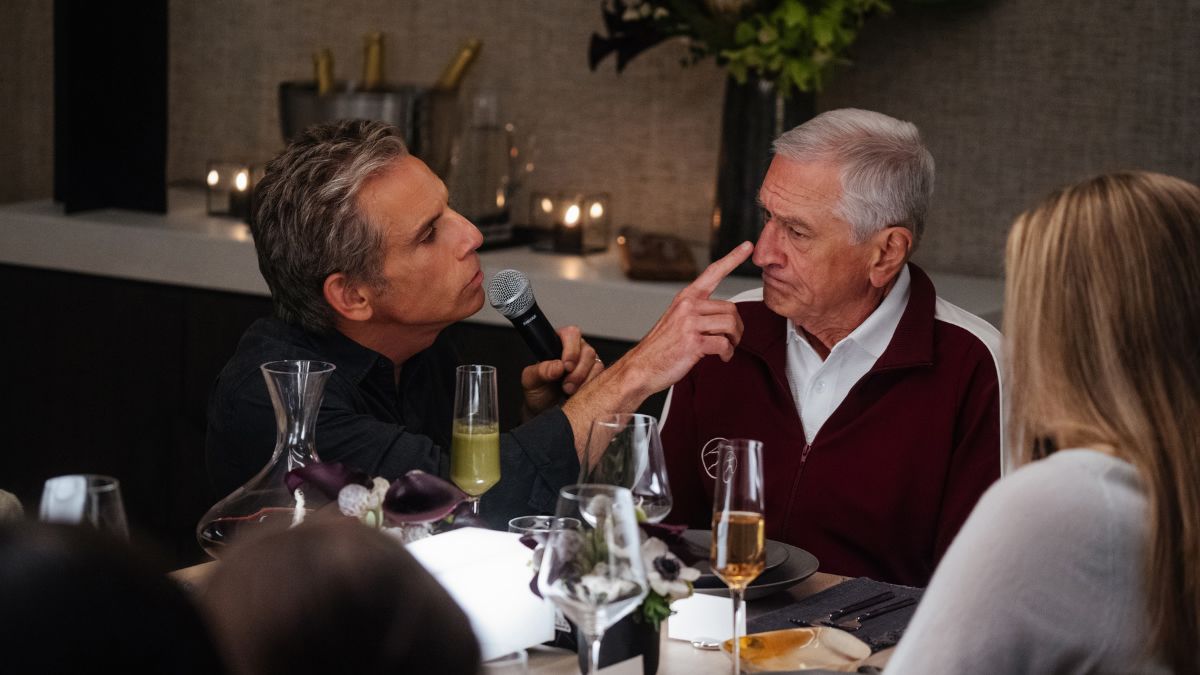
Neither do most of the side characters. It’s an inefficiently used ensemble. Even Owen Wilson’s Kevin, a much smaller character in the plot, gets more to do than many of the actual family members. Eduardo gets some justice, though, at least. Focker In-Law might not have been much better if any of the women other than Olivia had more than a few words to say, but it probably still would have been better.
Focker In-Law is not only unfunny, but most of its humor is talking down to an audience that surely is more intelligent than the tragedy of miscommunications it proffers. There are a few decent moments, especially the end, that lift the movie up from being a complete and total dud, but it still lands with a whimper to match Gary Focker’s whole demeanor.
Focker In-Law is playing now in theaters everywhere.
Rating
Focker In-Law is not only unfunny, but most of its humor is talking down to an audience that surely is more intelligent than the tragedy of miscommunications it proffers.