
There was a moment, early in the transfixing, heart-aching Mouse, when I was feeling, shamefully, a little smug. I’m a bit of a crier these days (years?) when it comes to film. And not just through tear-jerkers. Any breadth of emotion might send me over the edge. But if there’s one type of story that really elicits my tears, it’s any story that commits to the throes of girlhood, the bonds between women, and the tenderness with which great films confront grief.
So why was I smug in a story about a teenager who bonds with the mother of her deceased best friend? Because I didn’t cry immediately. I held it together, had enough time to think, ‘Oh boy, I think I’m tougher now,’ before the waterworks unleashed mere moments later. Because sometimes, the great films that confront grief and the bonds of women find ways to sneakily upset the balance of our expectations about which moments are meant to strike.
Or, perhaps more accurately, a film such as this knows we all have a barometer for what makes us feel a little weepy and reflective, and that those emotions show up differently at 17, 35, or 45. Mouse teases out that emotional release and lingers in the more acute stages of sadness, which is part of what makes it such a profound and intimate undertaking.
Mouse is a time capsule and an ode to the relationships that matter.
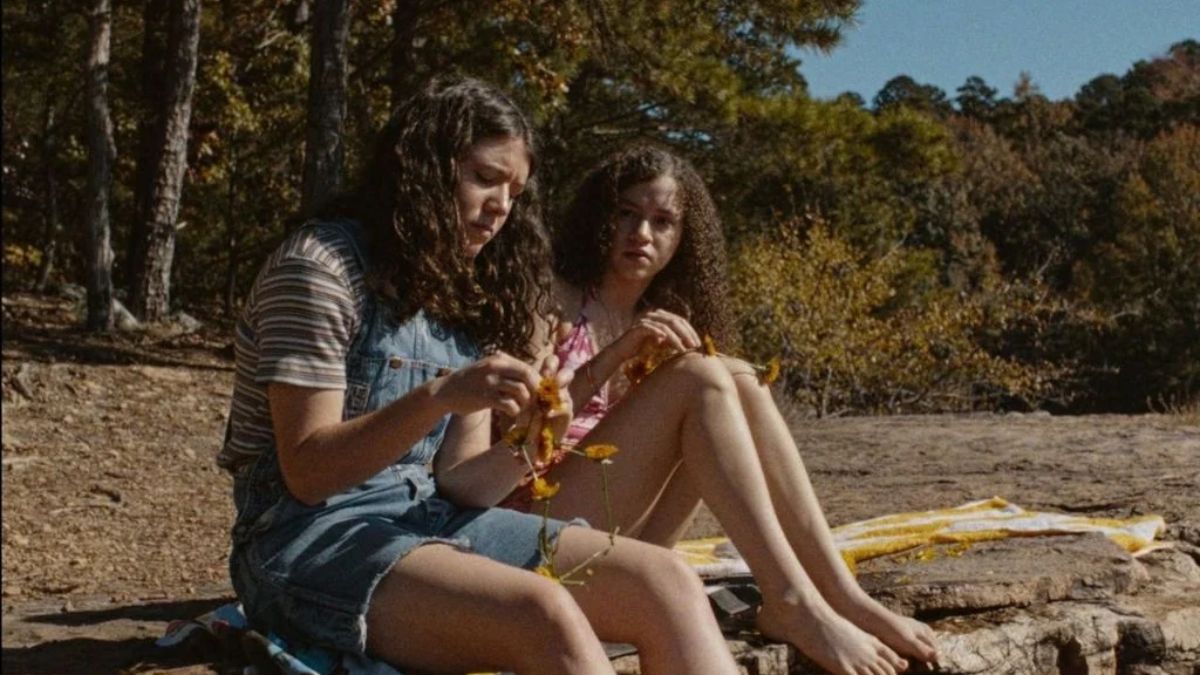
Directed by Kelly O’Sullivan and Alex Thompson and penned by O’Sullivan, Mouse follows 17-year-old Minnie (a stupendous Katherine Mallen Kupferer) as she enters the summer before her senior year. Accompanied by her talented best friend, Callie (Chloe Coleman), the two sneak away to be in one another’s company despite the gaggle of friends who flock to Callie’s side. Blasting Michelle Branch and distressingly evoking the authentic dull sheen of the early 2000s, the film positions itself as a story of two girls from different backgrounds who choose each other first. They’re best friends, and even as Minnie questions her own self-worth, she’s bolstered by that fact alone.
But everything derails in an unassuming moment of tragedy that reveals life’s fragility. Minnie walks to work one morning after a sleepover at Callie’s. On her way back, trekking the same path she so often carves, she learns in an off-the-cuff, almost cruel manner that her best friend is dead after a car accident.
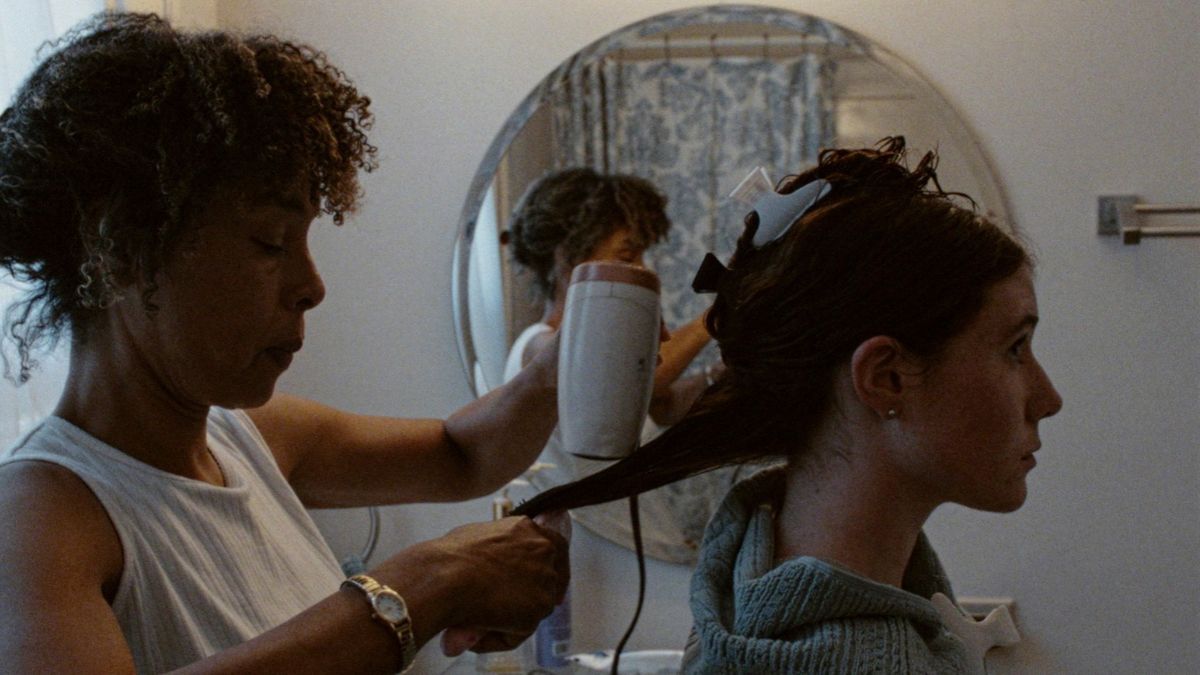
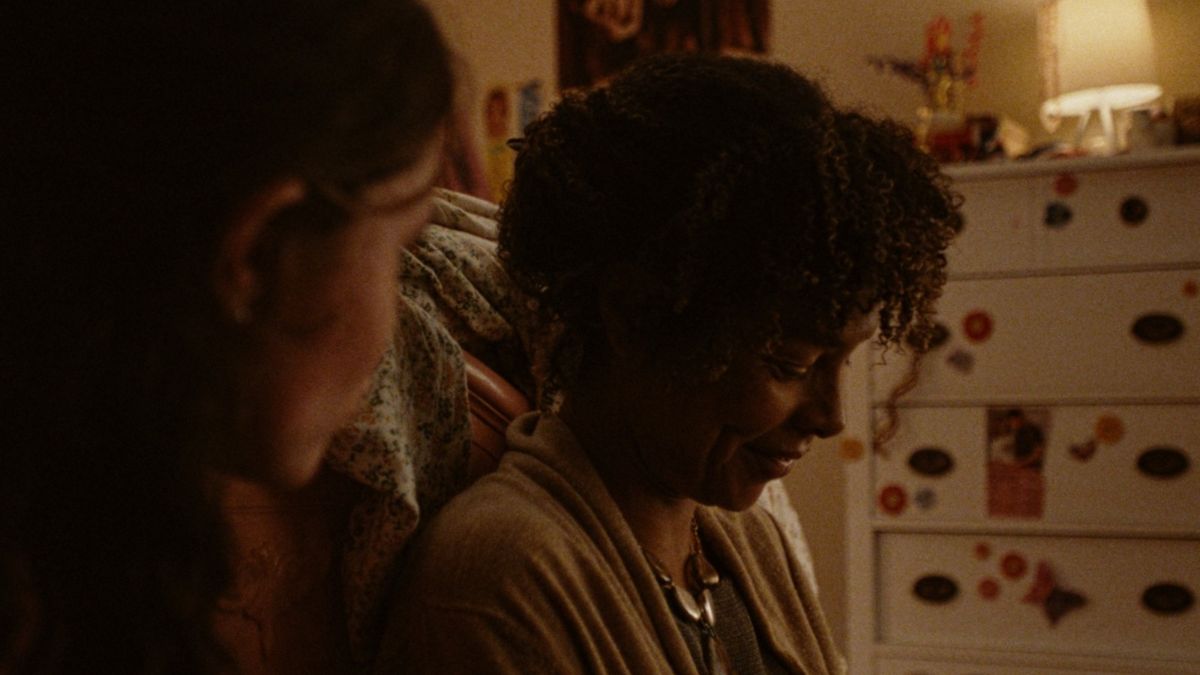
Mouse then changes its shape, just as Minnie and Callie’s mother, Helen (Sophie Okonedo, luminous), must contort themselves into a world without a fixed point—Minnie in a world without her best friend, and Helen without her daughter. In one of the film’s more telling moments, Minnie’s teacher, Mr. Murdaugh (David Hyde Pierce), gently reminds Minnie that Helen lost more than a friend or a memory; she lost an entire future.
The film builds an immersive world with compassionate writing.
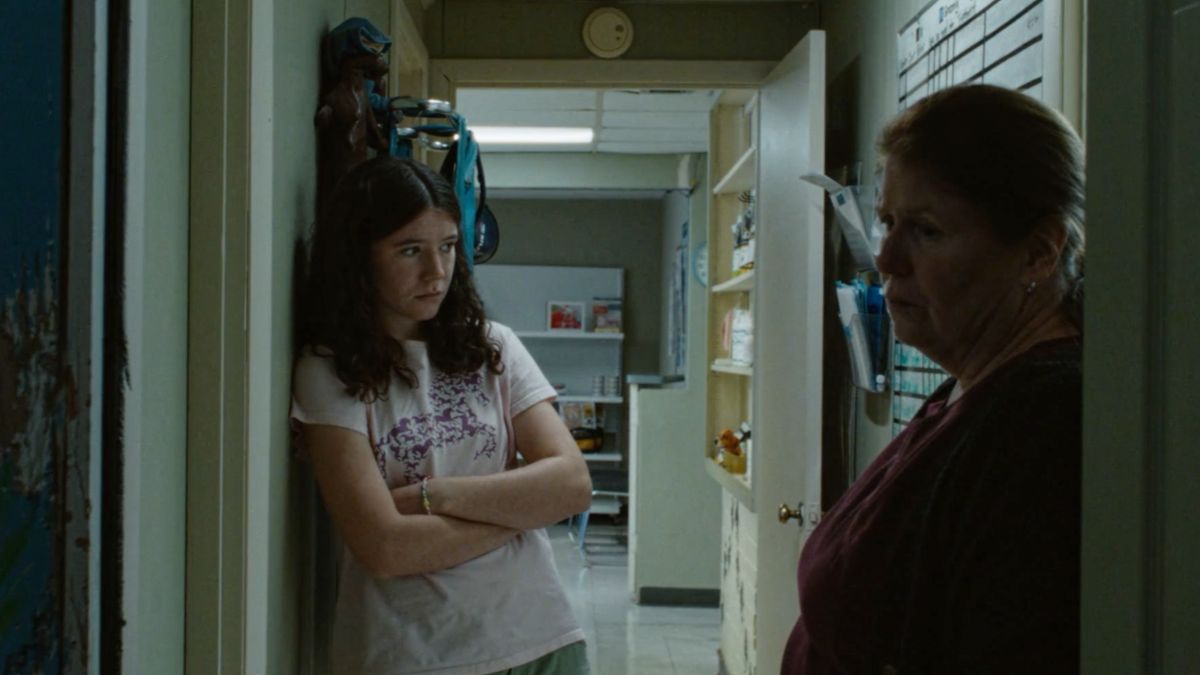
How grief divides and intersects is the basis of Mouse, as it observes these characters making questionable, softly self-destructive decisions to cope. Minnie isn’t just coping with Callie’s death, but with the solace of the escape her friend had offered her. An escape from being the ‘shy one.’ Now, through Helen and their unlikely bond, she can disappear from a life where she’s her mother’s daughter, embarrassed by their blue-collar roots and their shabby existence. With Helen, she can pretend she’s someone she’s not, playing make-believe with a woman whose daughter’s ghost lingers in each room they occupy.
I cried a lot throughout this film. I cried over the efforts of Minnie’s mother, Barbara (Tara Mallen), who similarly looks for a place to belong in her daughter’s life while gaining a better handle on who she is, and whose generosity goes undervalued.
I cried when a dog had to be put to rest, and Minnie stayed to offer this last demonstration of comfort. I teared up at the ugly conflict that bursts to the surface as these lived-in people experience raw despair and the unmooring of grief. Okonedo is a force to be reckoned with, and there’s such a depth of despair and childlike fear when she asks if she’s not a mom anymore, her anguish rooting itself in our bellies as the visceral pain pulls beneath our navels.
The film is swathed in such sincerity, creating a sense of authenticity that feels appropriate for the 2002 setting. A scene where teens gather to hear Callie perform is so wrought with nostalgia, the sunbeams piercing through the dust of adolescence. From the timeless awkwardness of school dances to the busting-out digital cameras documenting important milestones, and the style. Oh god, the “style”. This is a familiar world.
Sophie Okonedo delivers a powerful, heartbreaking performance.
Part of the film’s pain is the randomness of the death that inspires the story. Callie’s there one moment, and then suddenly she’s not. Life is fleeting; people are remembered through the sepia perspectives we paint our youth with. We all have people we went to high school with who died too soon, much too young, and who occupy the vaguest space of those we once knew, who will always be suspended in this bizarre, ageless limbo.
Thoughtfully brought to life with compassionate writing and realistic bouts of humor amidst the heartache, Mouse feels like a milestone movie. Transformative in quiet, subdued ways, even in instances of cathartic release. Its steady direction and easy pacing make for a mesmerizing film (even through the tears).
The sadness is inescapable, but it doesn’t make the film any less watchable. It’s hard to peel our eyes away, so locked into the intricacies of the human condition, our clumsy missteps and understandable misgivings, and the way we latch onto those who remind us most of the people we love. Like filling a gap or tending a wound, a momentary means to dull the ache of something loved and lost.
Mouse is playing now in theaters.
Rating
Thoughtfully brought to life with compassionate writing and realistic bouts of humor amidst the heartache, Mouse feels like a milestone movie. Transformative in quiet, subdued ways, even in instances of cathartic release.