


25 years ago, Final Fantasy X delivered what is known as one of the greatest RPGs ever made. Great gameplay, timeless characters, and gorgeous visuals and music all came together to bring a story like no other to life. Among all of its incredible achievements is one of the most emotional endings in gaming history. But what many fans may not realize is that this pivotal scene may have lost some of its potency with Western audiences if not for the often overlooked art of localization.
When people hear localization, they frequently confuse it with translation. While the two skills are certainly related, there are critical differences between them. Translation tries to convert something from one language to another as literally as possible. Generally, the only changes come in grammatical structure, so the words actually make sense. Otherwise, nothing is altered.
Localization, on the other hand, seeks to accurately deliver the intent of a statement rather than a literal word-for-word translation of content. This way, a foreign-language viewer can appreciate the emotional impact of a line or the humor of a joke without understanding cultural contexts or foreign idioms. This brings us back to Final Fantasy X’s heartbreaking ending.
In a good localization, the meaning doesn’t change even if the dialogue does.
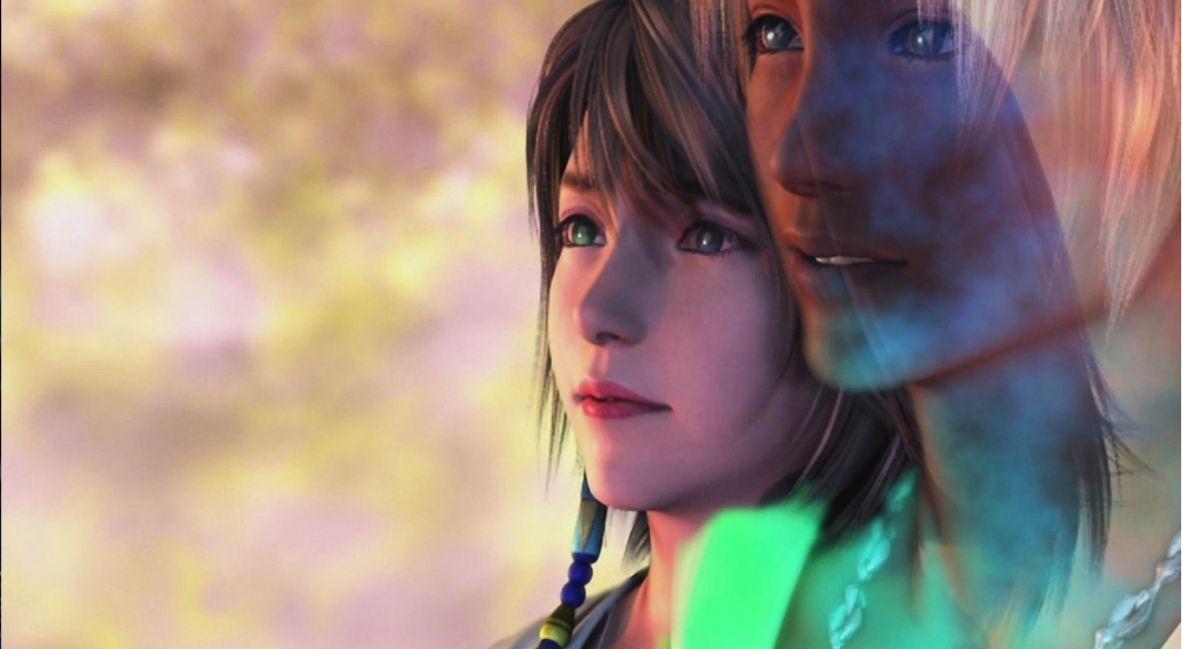
After finally vanquishing Sin and Yu Yevon, the party must say goodbye to one of its key members, Tidus. As he walks off after a brief goodbye, Yuna runs after him. As she reaches for him, she falls through his now incorporeal body, landing hard on the deck of their airship. After an agonizingly long moment, she rises and, with her trademark tender strength, utters the words, “I love you.” At least that’s what she says in English.
In the original Japanese dialogue, Yuna states, “Arigato/Thank you.” As many know, Japanese culture approaches public declarations of affection differently than most English-speaking cultures. Such phrases are not used as commonly, making Yuna’s statement of appreciation a reasonable choice. However, it wouldn’t have felt right here. Despite their night together in the Makalania Woods making their feelings abundantly clear, Western gamers would still expect to hear it. And so, we did.
While the dialogue changed, the intent rings true. Final Fantasy X‘s final goodbye strikes the intended chord, no matter which dialogue you choose to experience it in. It wouldn’t have rung so true with a more literal translation.
Final Fantasy X’s biggest emotional moments may be dialogueless, but the context drives the impact.
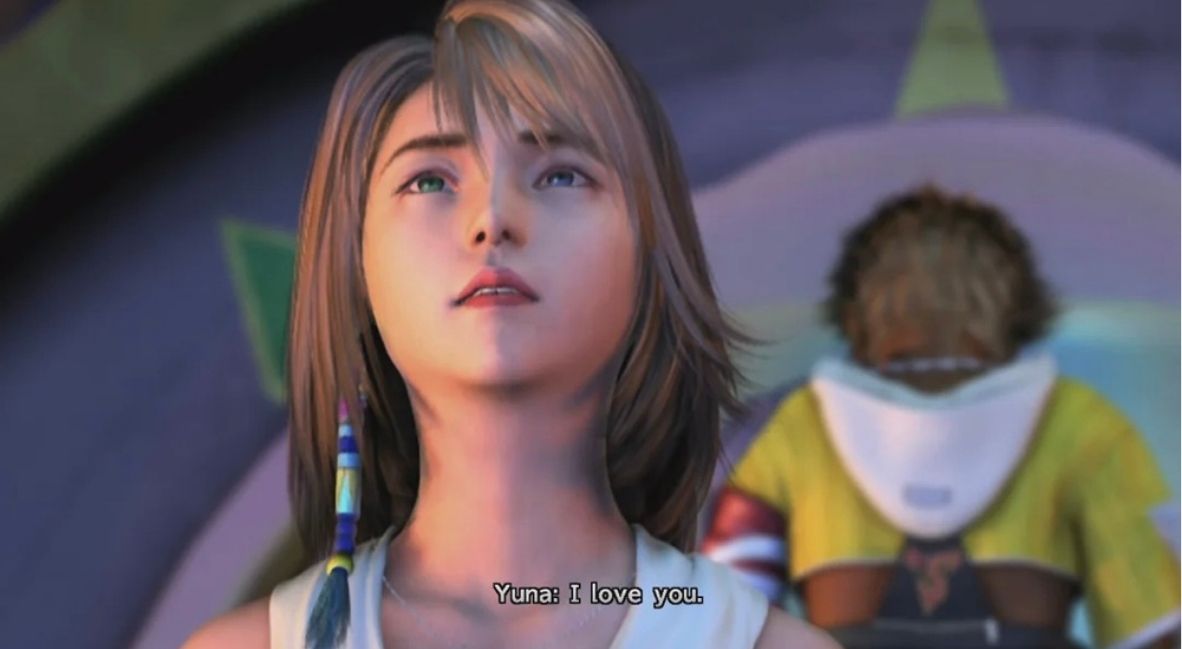
While Yuna’s side of the teary-eyed goodbye is brought to its full impact thanks to the art of localization, this scene also does a great job of highlighting the limitations of the art form. There is one element that can’t be addressed. The one part of the scene I’ve seen some people complain about.
After Yuna professes her love to the swiftly fading Tidus, he takes her in his immaterial arms for a moment before stepping through her and departing, without saying “I love you, too.” Which is what many would expect to hear. However, since there was no response in the original audio, there is nothing to adapt here.
Despite this hiccup in the effort to adapt the audio to English, the reasons the response isn’t forthcoming are easy to guess. Tidus didn’t have an emotionally nurturing childhood, and given the intensity of the situation, it’s easy to accept that he isn’t able to say what he is clearly feeling. This allows the slight artistic hiccup to have only a minor impact in the moment.
AI translations could never replace the impact of human beings’ localization efforts.
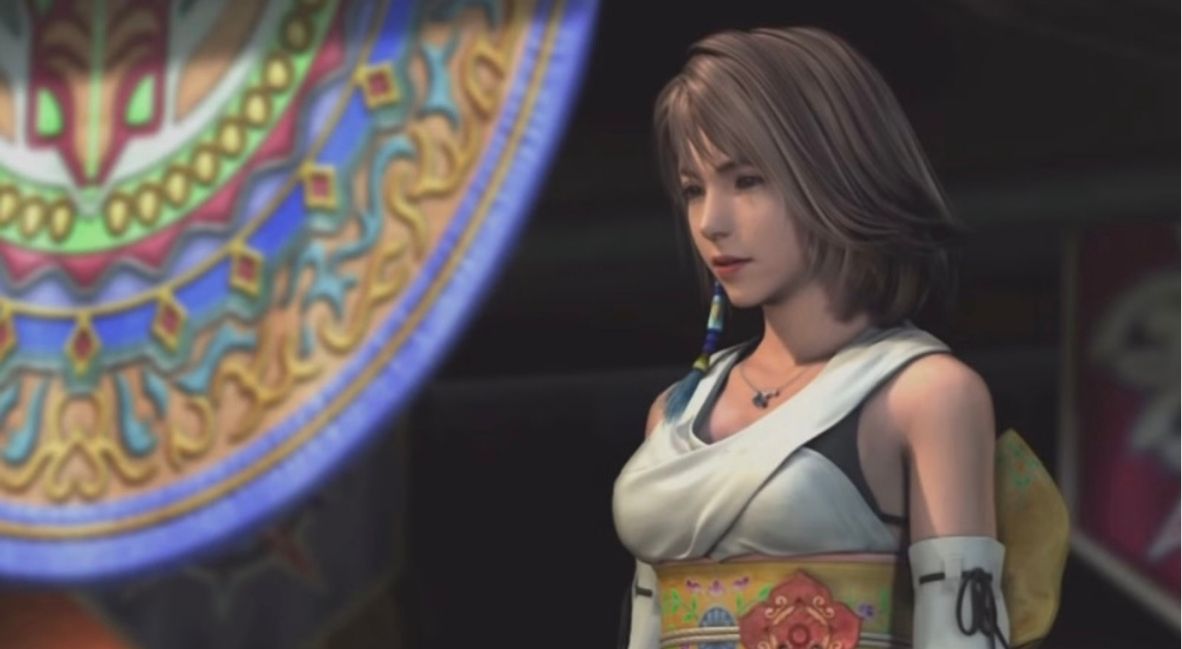
Cross-cultural understandings for localization efforts help showcase the nuance and delicacy of the art, as well as its limitations. Understanding these sorts of things will hopefully help you appreciate the work that goes into not just translating a piece of media, but also making sure that it delivers the intended emotional or humorous impact, despite the societal differences involved.
I also hope that this one example from Final Fantasy X helps illuminate how ridiculous it is that many companies are exploring the possibility of having AI take over localization duties. The subtlety and understanding necessary to effectively bring a narrative moment into another language and culture so it resonates with the intended effect is something that no mindless machine could ever accomplish.