

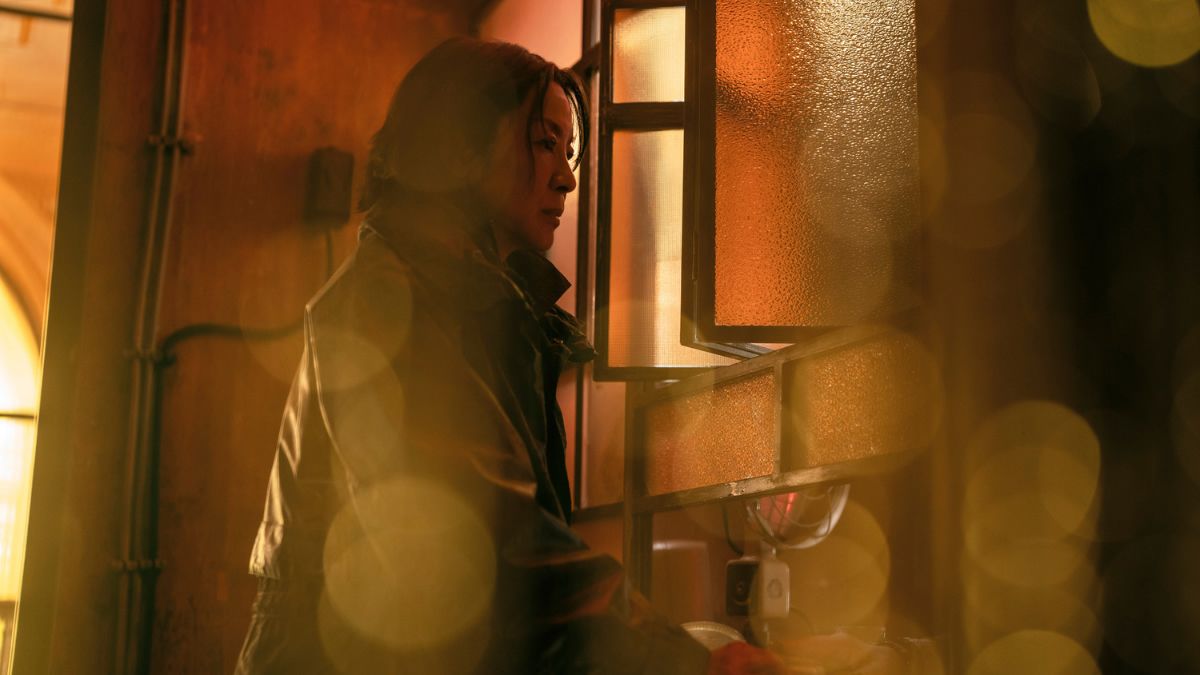
Blade Runner 2099, directed by Jonathan van Tulleken (Shōgun) and written by Silka Luisa (Halo), begins fifty years after the last film in the franchise, with humanity existing under the weight of Replicant rule after a lost war between the two groups. It follows a human, Cora (Hunter Schafer, Mother Mary), as she is forced to impersonate a Blade Runner, now a Replicant organization that hunts human insurgents, to retrieve a package that can buy her and her brother safe passage out of L.A.
The first element of Blade Runner 2099 that demands attention is the choice to flip the power dynamic between Humans and Replicants. Despite this seeming like an inevitable direction to go in, it’s practically a given that artificially created beings eventually overthrow their creators in science fiction; this twist to the setting feels hollow. The only point of it seems to be an attempt to make the persecuted in the series more relatable, because now they are us.
Whether we are the abusers or the abused, the general tone of the setting is largely unaltered, especially since there are few cues to let you know who is who, beyond apparent status elements. There is one area where the role reversals hurt a major factor of the story. That being the titular Blade Runners themselves.
A major change to the Blade Runners in Blade Runner 2099 could make or break the series for viewers.
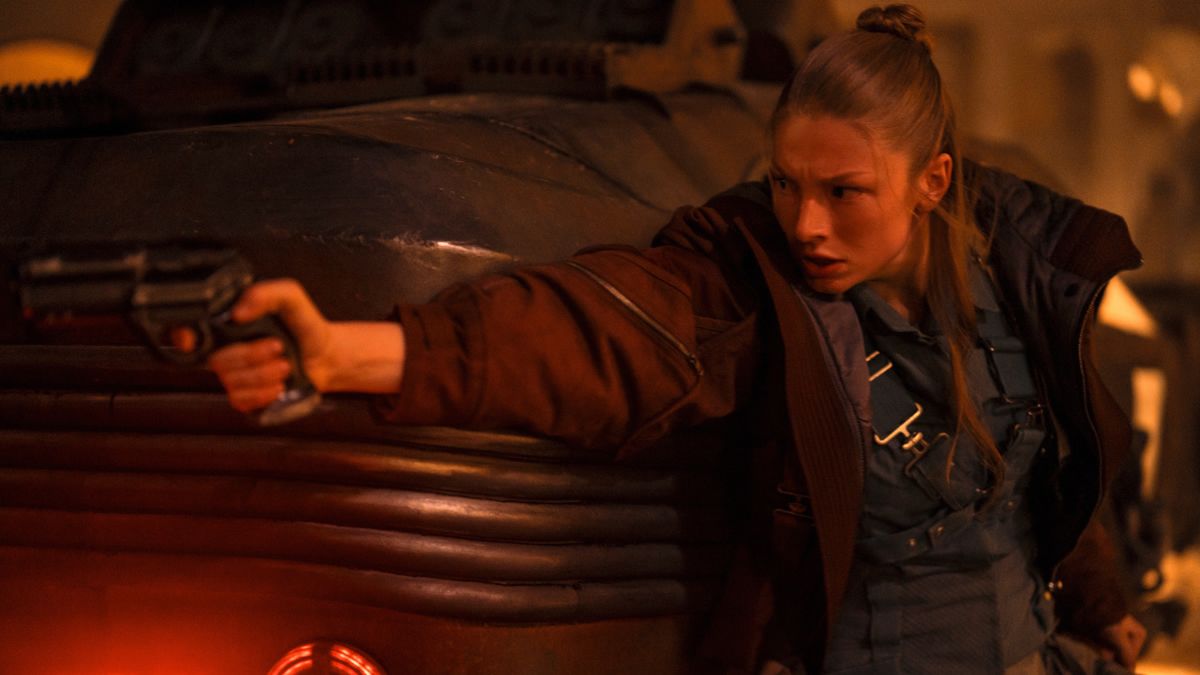
In previous entries, Blade Runners being human and hunting Replicants was an intrinsically impressive feat. Since Replicants have superior physical traits to humans, taking one down demonstrates prowess, skill, and preparation. By flipping the script, they become more akin to Terminators, just not bulletproof.
It seems like practically any Replicant can be a Blade Runner, so meeting them doesn’t immediately give you the sense that they are exceptionally deadly. Blade Runner 2099 never gives a clear example of what makes them notable, either. We are just left assuming they are as dangerous as Cora, and others claim them to be.
Despite some head-scratching choices in the setting, Blade Runner 2099‘s central narrative is a strong example of slow-burn, noir storytelling. As Cora is dragged deeper into the mystery, she is forced to face numerous revelations that change not only the nature of what she seeks, but also that of the world she has always known.
The noir-like tone of the Blade Runner series comes alive again here.
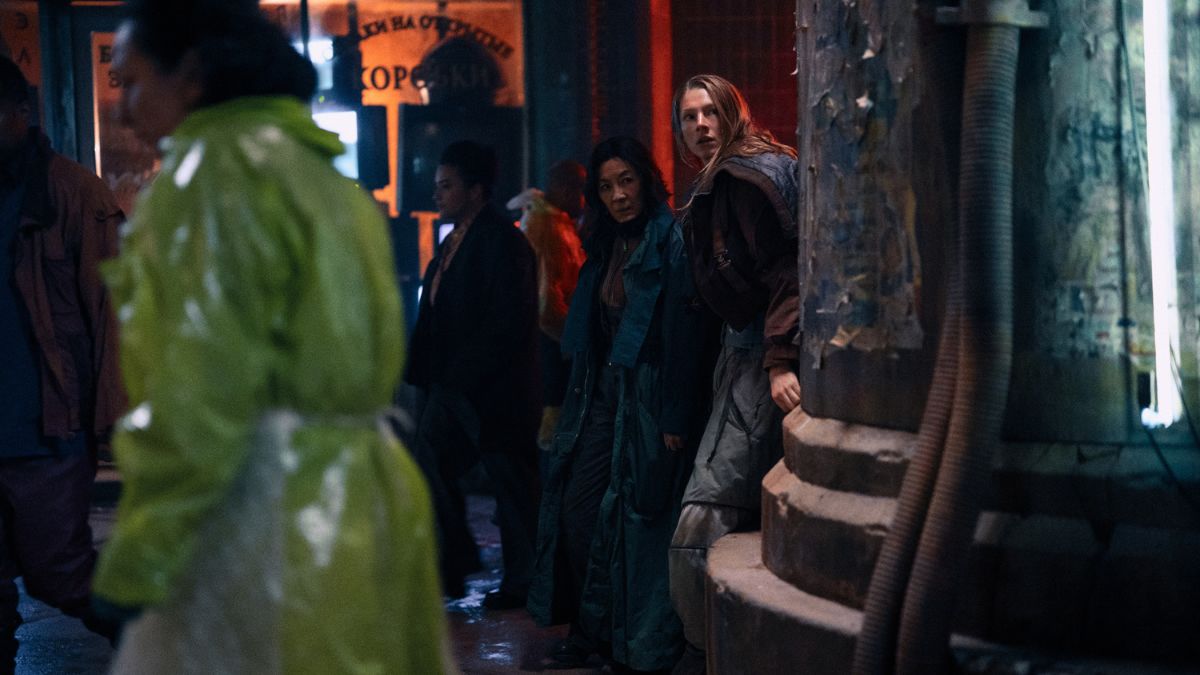
Each twist and reveal is well-crafted and paced. Plot beats never feel rushed, nor does the series drag on too long before giving the viewer a new beat to engage with. This keeps the frequently quiet noir energy of Blade Runner 2099 moving with just the right haste. It lives in the right tone, but never loses its momentum.
Further augmenting the narrative energy are wonderfully crafted visual and audio elements. The cinematography, handled by Rob Hardy, Ula Pontikos, Vanja Černjul, and Damián García, and the lighting create some incredible shots. The presentation makes breathtaking scenes that are visually stunning, while not breaking the frequently somber atmosphere they exist within. The beauty of Blade Runner 2099 is frequently a cold and distant one.
Composer Leopold Ross’s music also enhances the series’ mood. The regular appearance of a saxophone in the composition score hits the pervasive sadness that lives in much of the series. Atmospheric synth pieces also reverberate in key moments, drawing ominous energy and combining it with scale and the classic 80s sci-fi vibe the franchise still has infused in its DNA.
Hunter Schafer’s performance hits some hurdles she doesn’t always clear.
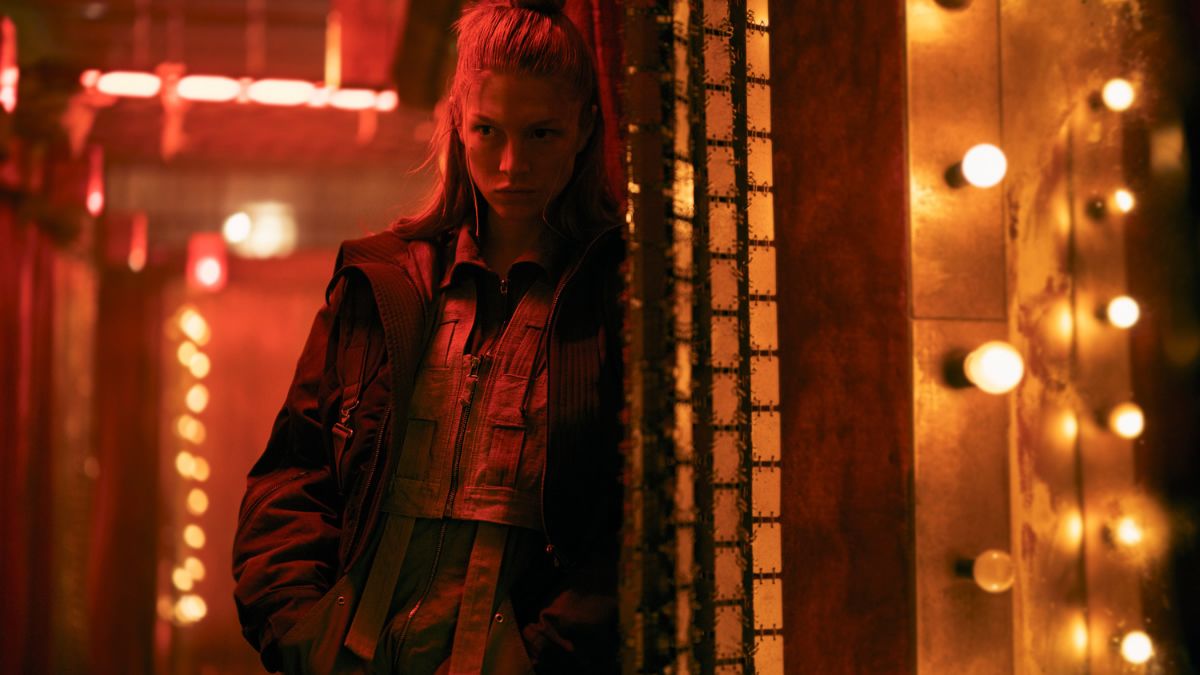
The acting side of the equation is a little more complicated. Schafer’s portrayal of Cora is a mixed bag. In the biggest moments and most emotional beats of the series, she drives home her character’s feelings and determination with an abundance of force.
However, in an attempt to emphasize how ill-equipped she is initially for her job of impersonating a Blade Runner, it feels like there is no way that someone in the room full of detectives wouldn’t pick up on how panicked and stressed she is. During her first hours undercover, she projects the emotional energy of a pig getting ready for slaughter. Sure, she’s supposed to be a new transfer, but nobody is that nervous unless they are hiding something and a single mistake could cost them their lives.
Calmly ignoring the blaring signs that Cora is not who she claims to be is her impromptu partner, Olwen (Michelle Yeoh, Wicked). Outside of her blissful ignorance, where Cora is concerned, Olwen provides a hard-edged presence that drives the story forward.
Michelle Yeoh’s Olwen is a calm force, balancing out the more unsure Cora.
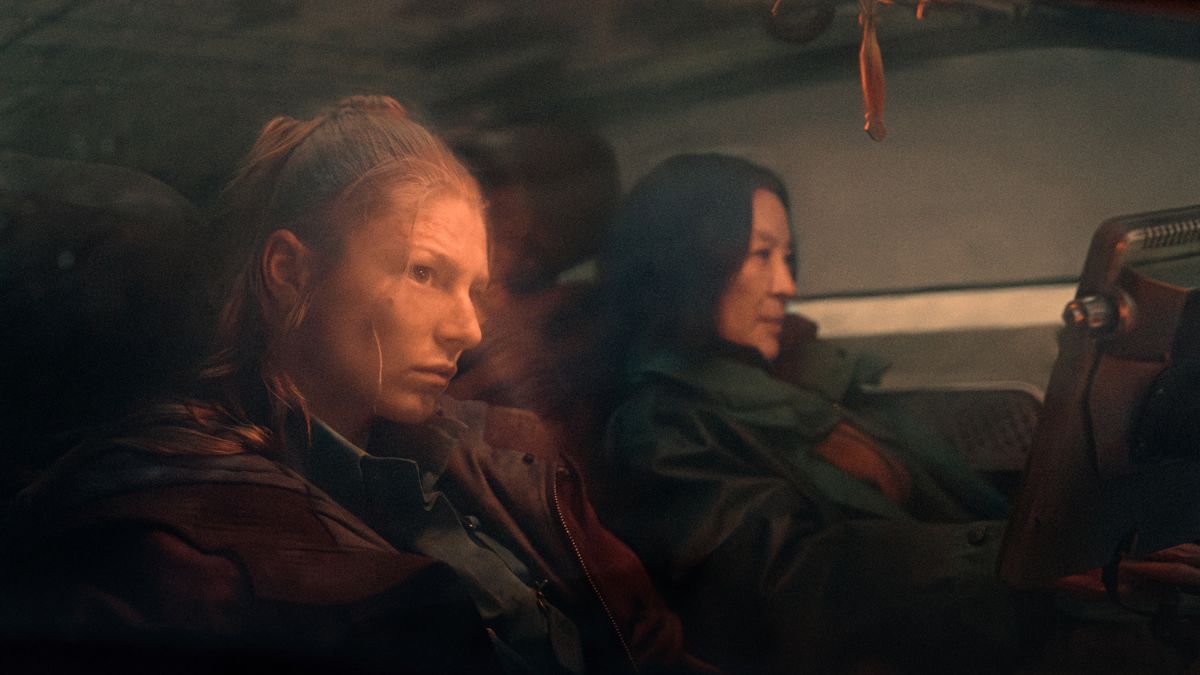
Yeoh delivers the relentlessly focused Replicant with fantastic skill. How her character comes to play an integral role in the larger story is excellently handled, allowing for an alternative perspective that is as personally involved in the outcome of the narrative as Cora is.
How Blade Runner 2099 works the duo together is also fascinating. Aside from the issue of spotting Cora as a fake, the two come to relate and interact with each other to a precisely measured degree. They come to understand each other, but the series knows how far to take the pair, and where to stop it, before it starts feeling forced.
Despite having a keen sense of how far to push its characters, Blade Runner 2099 fails to show the same discretion with its core plot. At the last moment, a key decision is made by one of the characters that feels like a profound commentary on the personal struggle they have grappled with throughout the show.
Blade Runner 2099 nails its tone and world, but there are bumps along the way to its end.
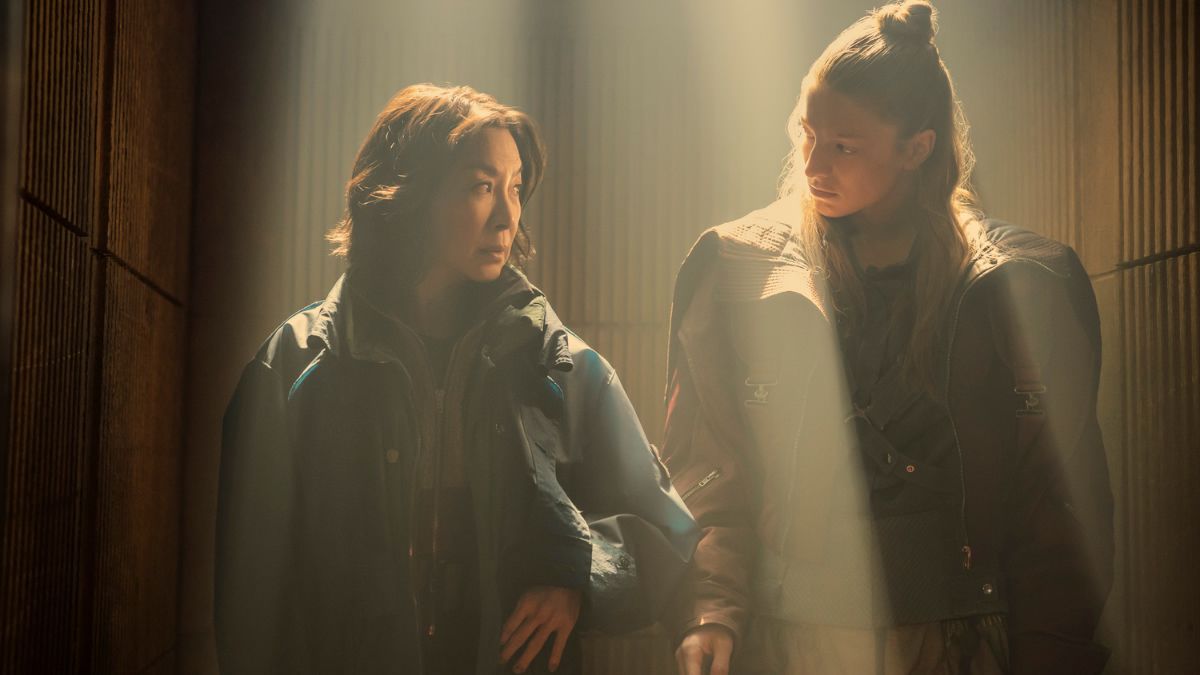
Rather than stick the landing with a powerful, revelatory moment, the narrative spits out a lazy “get out of jail free” card, undercutting what could have been a special ending. It is a wasteful attempt to force as happy an ending as a cyberpunk series could manage without feeling completely out of place.
Even so, Blade Runner 2099 immerses itself in the cyberpunk noir style, creating a mostly compelling story. With lots of twists and turns that are excellently paced and delivered, the story overcomes its shortcomings to craft something that is worth experiencing, even if there are a few bumps in the road and the ending doesn’t quite land.
Blade Runner 2099 will stream exclusively on Prime Video on November 25, 2026.
With lots of twists and turns that are excellently paced and delivered, Blade Runner 2099 overcomes its shortcomings to craft something that is worth experiencing,