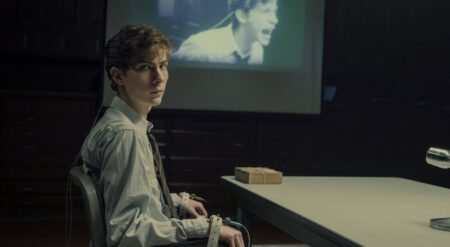


There are a few moments in cinema that truly leave an audience speechless. Whether from an emotional payoff, a tragic ending, or a giant revelation, these moments are often the difference between a good movie and a great movie. Director and Writer Na Hong-jin accomplished such a feat with Hope (2026) by delivering a film that is intense, chaotic, unhinged, and absolutely brilliant.
Hope Harbor is a small South Korean border town near the Demilitarized Zone (DMZ), made up mostly of elderly men and women. When a group of younger men out hunting come across a cow that’s been literally clawed to death by something obviously much larger than itself, they call in the local police chief, Beom Seok (Hwang Jung-min), to investigate.
Unable to determine what could have caused such a mark, Seok calls Officer Yim Sung Ae (Hoyeon) for backup but is told there are few public servants in town, let alone anyone who can help. Because the town has so many residents of an advanced age, Sung Ae is understandably alarmed when the calls to report sightings spike very suddenly.
The ensuing chase through Hope Harbor as the monster (Cameron Britton) continues their massive rampage through the streets is nothing short of absolute chaos. Every time Seok thinks he’s about to encounter the beast, he instead sees a car being flung at a person or giant explosions that don’t seem to do much to slow the monster down.
Na Hong-jin’s Hope (2026) captures large themes in its sci-fi setting.
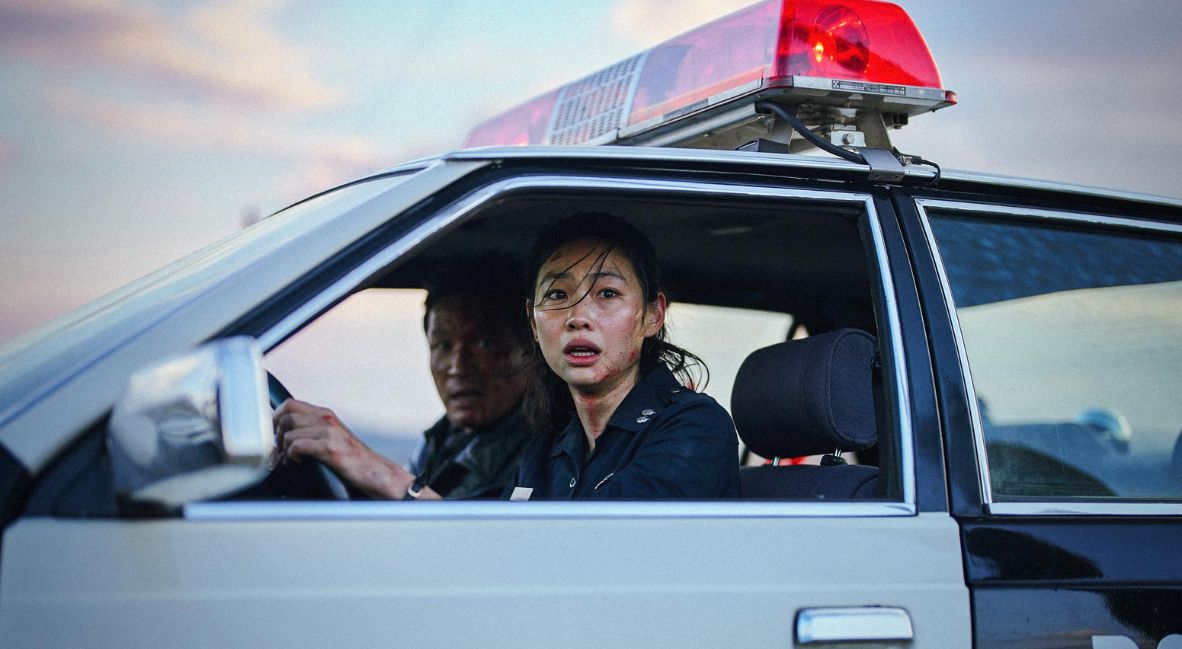
Hope has an intriguing premise all on its own. For horror and giant monster film fans, Hope delivers on the unspoken promise of a creature larger than life and kills that run the gamut from implied to incredibly graphic. There is no shortage of blood and gore, and just about everyone in the film is dispensable.
Still, Hope is so much more than that. The film is separated largely into three acts. In the first act, the monster takes almost a full hour to show its face but is eventually stopped. In the second act, the film allows the audience to take a breather. The rampage is incredibly well paced, but the nonstop high-stakes action is quite a sensory overload.
The second act is much more subdued. Sung Ae and Seok go their separate ways, thinking that the crisis is over. They learn that not only is it not over, but it’s really just begun. Armed with the knowledge that there are multiple monsters, Sung Ae and Seok go looking for more monsters because it’s only a matter of time before their town is in jeopardy again.
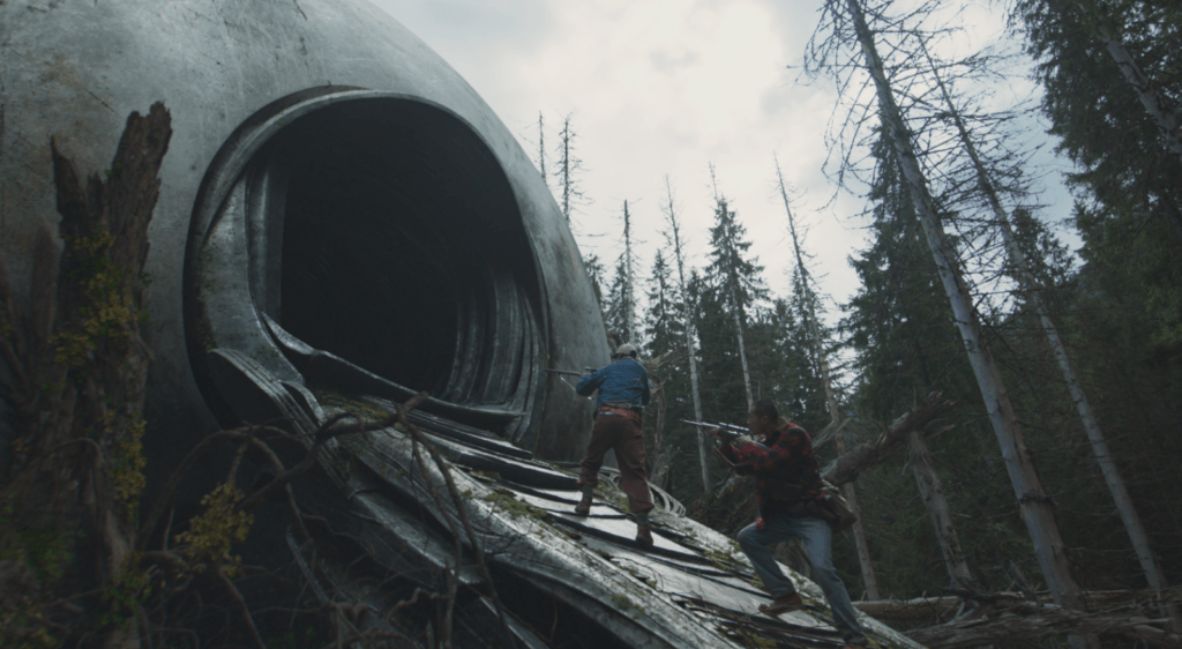
The third act declares the break is over and the madness resumes. The hunters have continued deeper into the wilderness where they’ve encountered a spaceship. These aren’t monsters. They’re aliens. They come across two more aliens in the woods that the audience eventually learns are Ja’ur (Alicia Vikander) and Ma’veyyo (Michael Fassbender).
Hope (2026) offers big sci-fi and bigger action.
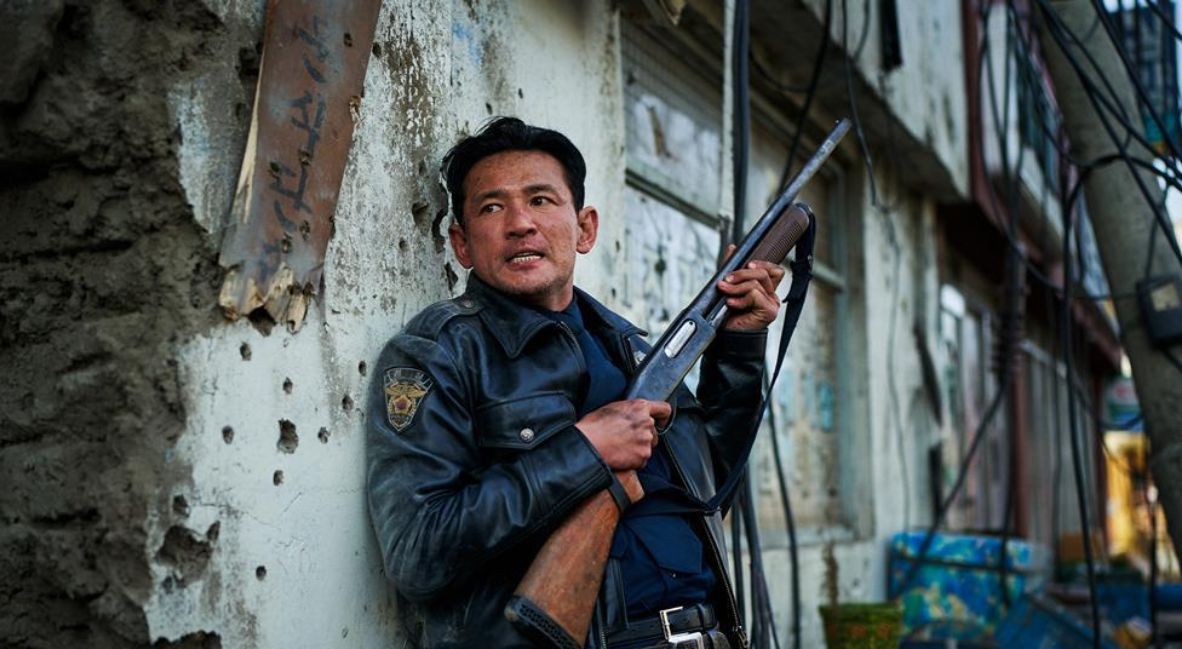
Hope tackles important themes. The film’s use of the DMZ to remind people early and often that only certain people are allowed in town is laying groundwork that comes full circle by the end of the film. Early on, the audience sees a plethora of signs encouraging people to report spies and watch for unsavory people. The tension between North and South Korea isn’t exactly news, but Hope uses it to remind audiences that no matter which side of the border a person sits on, we’re all still human.
The aliens are really useful in making that point. When the monster is rampaging the town, there’s a moment when Seok looks it in the eyes and sees panic and despair. For a moment, he hesitates to fight back, unsure if he’s really doing the right thing. Mortal danger helps him find his resolve, but the question lingers of whether he’s really doing the right thing.
Even the use of British actors like Michael Fassbender and Alicia Vikander is an intentional reminder that a person who doesn’t look like us and may be alien to us still has worth. The ironic film title, Hope, drives the message home even more. Giving the audience a constant reminder that the film’s title and setting is a place called Hope is hard to forget when the town looks like it could use some hope and the aliens are looking for it as well.
Hope’s intense action doesn’t distract from its larger commentary.
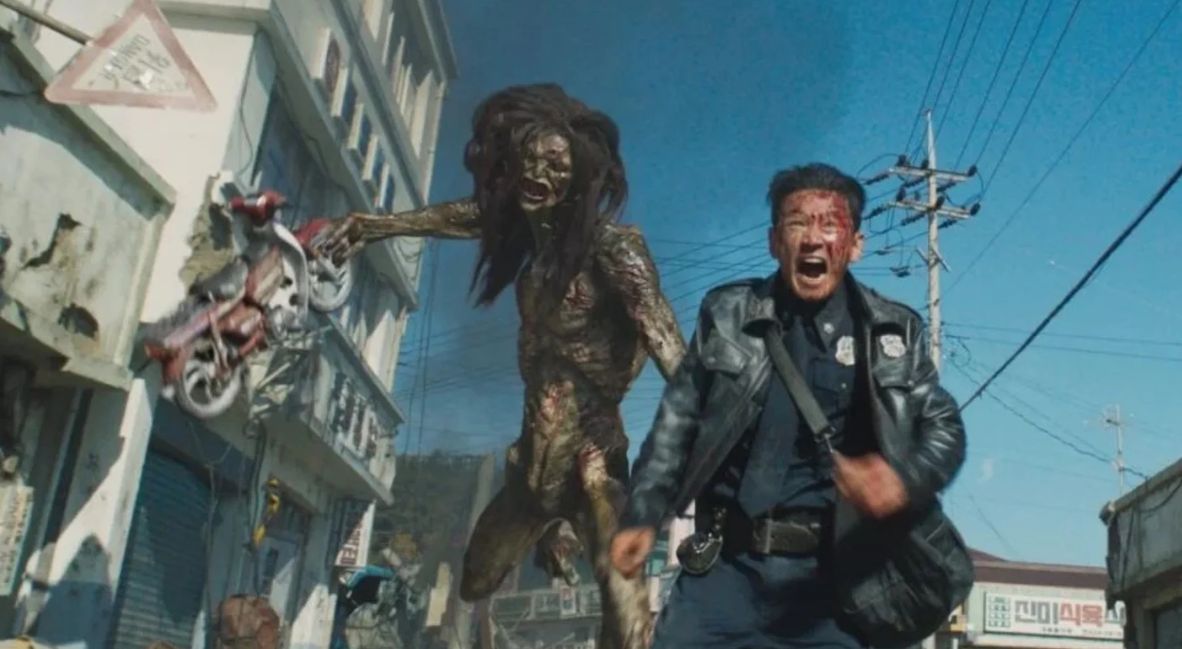
The cinematography is something truly beautiful to behold. The town doesn’t just look like a few buildings got knocked around. The town looks decimated. There is rubble and debris everywhere. There is no shortage of blood spatter or body parts. No detail is too small to include.
The ending’s cinematography is even better. One scene immediately screams almost audibly that it needs to be seen up close and in IMAX. For as much enjoyment as a regular-sized movie theater screen provides, it would be so much better on the biggest screen cinema has to offer.
Also adding to the insane cinematography is a score that couldn’t fit Hope better if it tried. The feeling of breathlessness is experienced in the first and third acts largely because while the action isn’t slowing down, the music isn’t taking it easy either.
Unfortunately, while Hope easily passes a good movie to become a great movie, it never finds its way to being a perfect movie. The acting from Hwang Jung-min is so good sometimes, and other times he’s playing Seok with entirely too much comedic timing. When the scene calls for a bit of comic relief, that makes sense. Very often, though, an intense scene is undercut by how cartoonish Seok and some of the characters around him feel.
There are also big chunks of lore missing. While it’s good not to bore the audience with exposition dumps, everything important to understand should be in the film. Instead, Forge Films published an official lore guide online because there’s nothing movie fans love more than going to a movie with homework.
Hope (2026) asks its audience too much without giving enough lore to help them.
And as a consequence, several threads are dropped. A scientist dissects the first monster to eventually determine the biggest revelation of the entire film —that it’s not human. After that, the audience never sees her again. Scenes like that and others may be intentional since Hope ends on a cliffhanger, and a second film has already been written and greenlit.
Cliffhangers can be a great tool in weekly television because they bring audiences back for the next part of the story. Still, they’re a bit more polarizing in film because the status of future installments is uncertain. While having a second movie already written is a good sign, it’s nowhere near a guarantee that audiences will get to see the conclusion to Hope.
Hope (2026) is a fantastic movie despite its flaws. It’s got intense action sequences, emotional depth, and a message about the dangers of xenophobia. When it takes itself seriously enough not to ruin a perfectly good scene with unneeded humor, Hope becomes nearly perfect and worthy of watching in theaters — maybe more than once.
Hope (2026) is playing in theaters now.
Hope (2026)
-
Rating - 8.5/108.5/10
TL;DR
Hope (2026) is a fantastic movie despite its flaws. It’s got intense action sequences, emotional depth, and a message about the dangers of xenophobia. When it takes itself seriously enough not to ruin a perfectly good scene with unneeded humor, Hope becomes nearly perfect and worthy of watching in theaters — maybe more than once.