
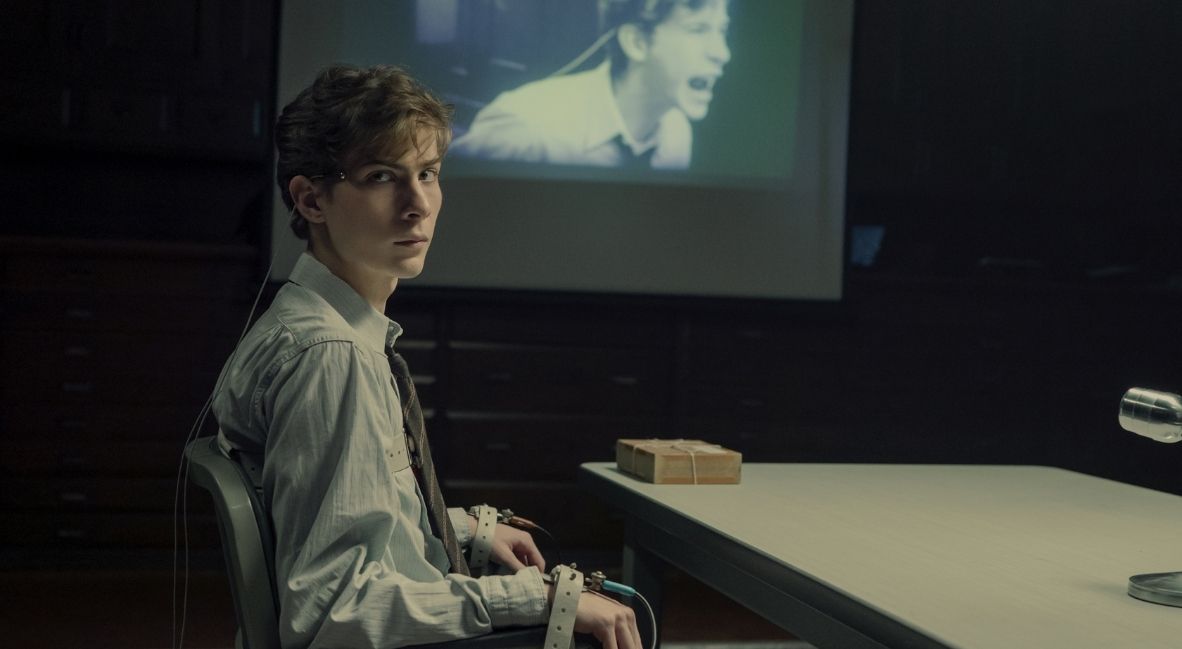
In 1978 and lasting until 1995, the Unabomber, Ted Kaczynski, detonated 16 bombs, killing three and injuring 23 others. The case gripped the nation as airline executives, academics, and technological industries were all caught in Kaczynski’s crusade against the industrial revolution. Unabomber (2026), directed by Janus Metz, explores Kaczynski’s origins and his eventual capture to varying degrees of success.
Historical fiction and biopics are typically two very different things. While biopics may take artistic license, the point is to tell the story as it actually happened. Historical fiction, on the other hand, tells a fully fictional story against a backdrop of real-world events. Unabomber (2026) has elements of both historical fiction and a biopic because much of the film is based on real-life events, while much of it is completely fictional. So it’s important to separate fact from fiction.
Unabomber (2026) follows two different timelines, telling two different stories. In 1995, FBI linguistics agent Joanne Miller (Shailene Woodley) is the newest member of a task force dedicated to hunting down a killer that the world only knows as the Unabomber. In 1958, 16-year-old prodigy Ted Kaczynski (Jacob Tremblay) is studying at Harvard University under the mentorship of author and professor Henry Murray (Russell Crowe).
Unabomber (2026) splits between two timelines, with one having a stronger foothold than the other.
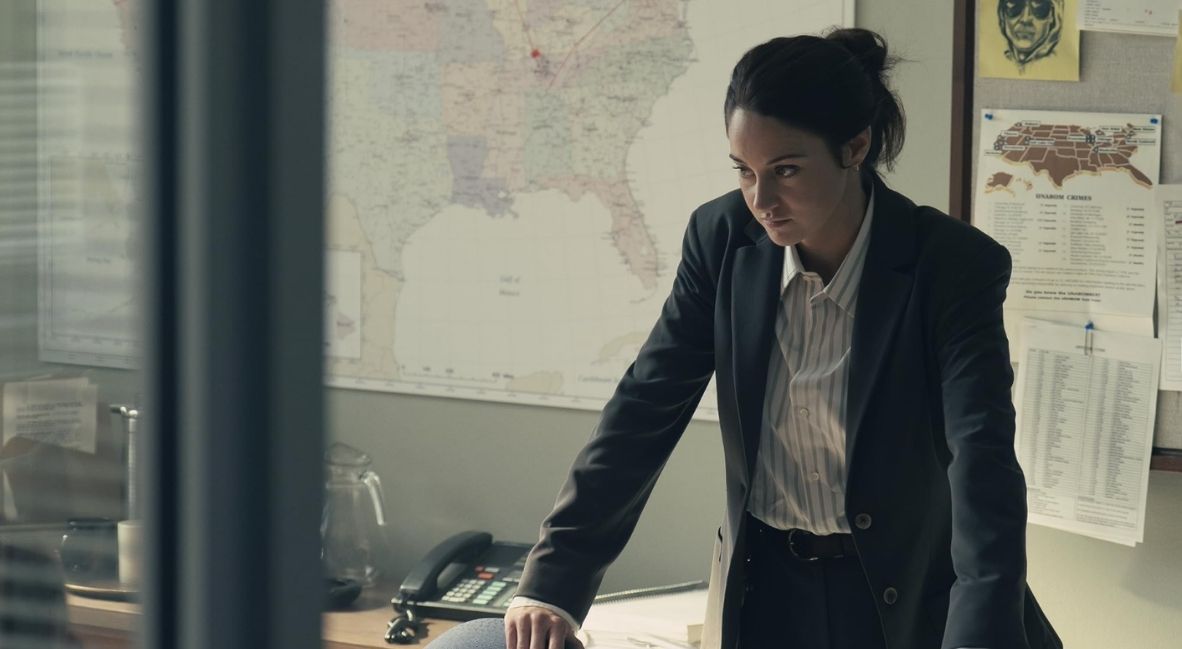
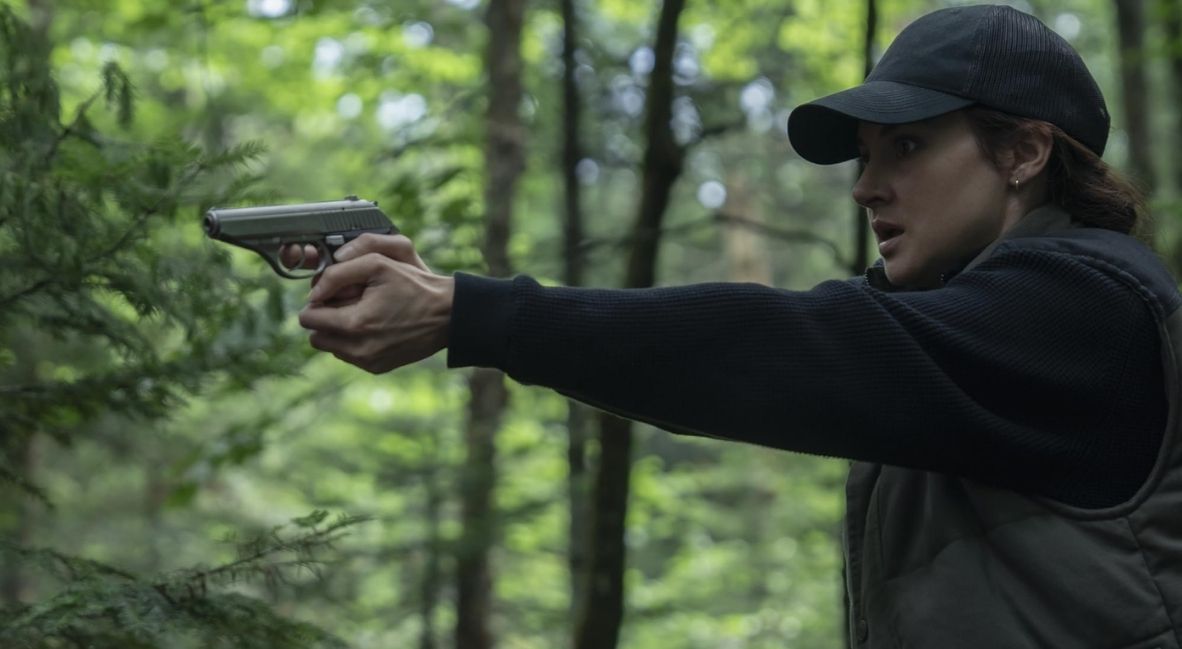
Scenes from 1995 follow Joanne as she works to bring down the Unabomber before the death toll rises again. The use of common new-guy-on-the-force tropes weakens those scenes, which in turn weakens the whole film. We see this with Joanne, when her colleague Leo Driver (Alexander Ludwig) spends most of the film tearing her down and mansplaining why her methodology is being ignored.
The truth is, the Unabomber’s eventual capture did require the FBI to compare his published manifesto with letters Kaczynski wrote years earlier. Joanne Miller, however, is a fully fictionalized character used to centralize the Bureau’s linguistic efforts during the manhunt.
That means that most of Unabomber’s 1995 storyline is completely historical fiction. From Leo’s mansplaining to Joanne disobeying orders and going rogue with her investigation, the only meaningful thing they get right is that Ted Kaczynski is eventually captured thanks to his own manifesto.
Jacob Tremblay’s performance is a standout, bringing emotional intensity and weight to the role.
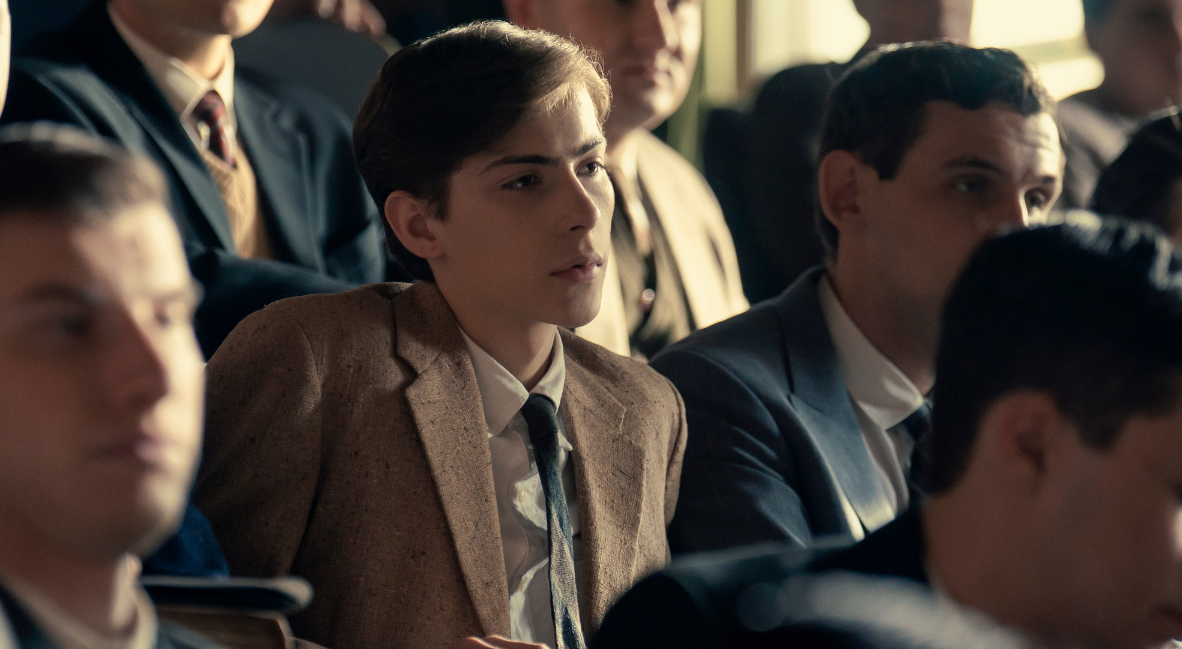
On the other hand, the 1958 side of the story gives us a lot more insight into Ted Kaczynski. Long before the world knew him as the Unabomber, Ted was just a kid in college while still a minor. That kid is highly intelligent, willing to ask questions, and wants nothing more than to change the world with words.
That side of Unabomber (2026) is much more anchored in truth. Ted Kaczynski really did attend Harvard as a teenager. He really did have CIA-funded psychological experiments performed on him to test his mental fortitude. That likely contributed to the man he grew up to become.
Ted, unaware of the true purpose of the experiments, eventually comes to see Professor Murray in a much different light. After being disabused of the notion that these experiments will actually help anyone, Ted begins showing psychological signs of the killer he would grow into.
Joanne Miller is a fully fictionalized attempt to streamline the FBI’s efforts, but her character doesn’t quite mesh.
Unabomber (2026) makes this transition with incredible intentionality. Audiences aren’t asked to believe that he suddenly started seeing the world as it is instead of what he wants it to be. The cracks in Ted’s armor start very early on, with Ted screaming at his family during a visit. Little things throughout Unabomber (2026) are small and insignificant in a vacuum, but stacked up, they show that Ted spent his adolescence actively changing into someone else.
The amazing thing is how good Unabomber (2026) is in 1958. Unfortunately, the most frustrating thing about Unabomber is how disappointing it is in 1995. The film actively suffers from its 1995 storyline. There are multiple reasons for that: its highly fictionalized nature, the fact that it picks up the investigation after the last bomb has already detonated, and its trope-heavy procedural crime-drama vibe that comes off mediocre.
A better film would have picked a lane and stuck with it. Considering how much more successful the 1958 storyline is, cutting out 1995 and fleshing out Ted Kaczynski’s story would have made Unabomber (2026) an infinitely stronger film. Instead, the 1995 portion of the film ends up making it completely underwhelming.
Russell Crowe makes the most of a role that’s quite generic.
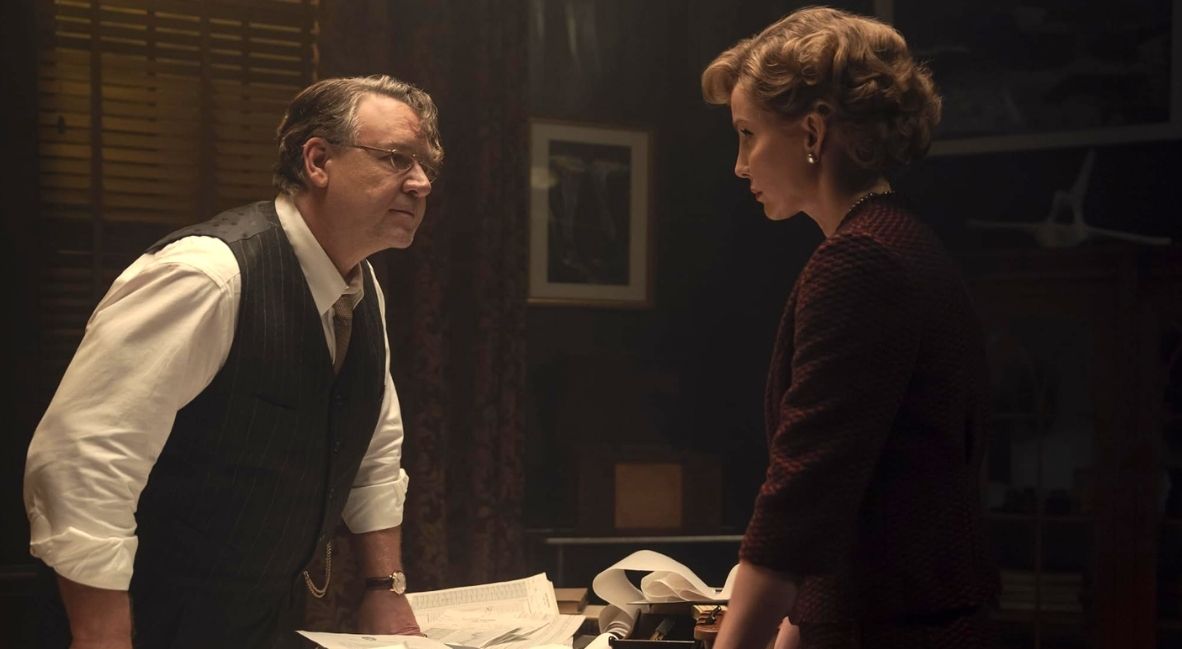
To be clear, Shailene Woodley, Alexander Ludwig, and others in that part of the story aren’t to blame. They play their roles very well from beginning to end. They simply aren’t given much to work with. It’s rather disappointing because Unabomber does so much so well that having great actors play poorly written characters is a disservice to the audience.
It’s not exactly bad writing; it’s more like it’s trying to fit a square peg into a round hole. It doesn’t work because too much of Unabomber is actual history. The problem is that there’s plenty of interesting material to write a Unabomber biopic without completely inventing large pieces of the story.
On the other hand, the much more intriguing story set in 1958 is far more successful. While elements of it were almost certainly fictional, Unabomber (2026) focuses much less on the what and much more on the why. With that framing, it comes across more like The Crown, which successfully dramatized and fictionalized the real lives of the British Royal Family.
While the film struggles to commit itself to one lane, Jacob Tremblay is the one to watch here.
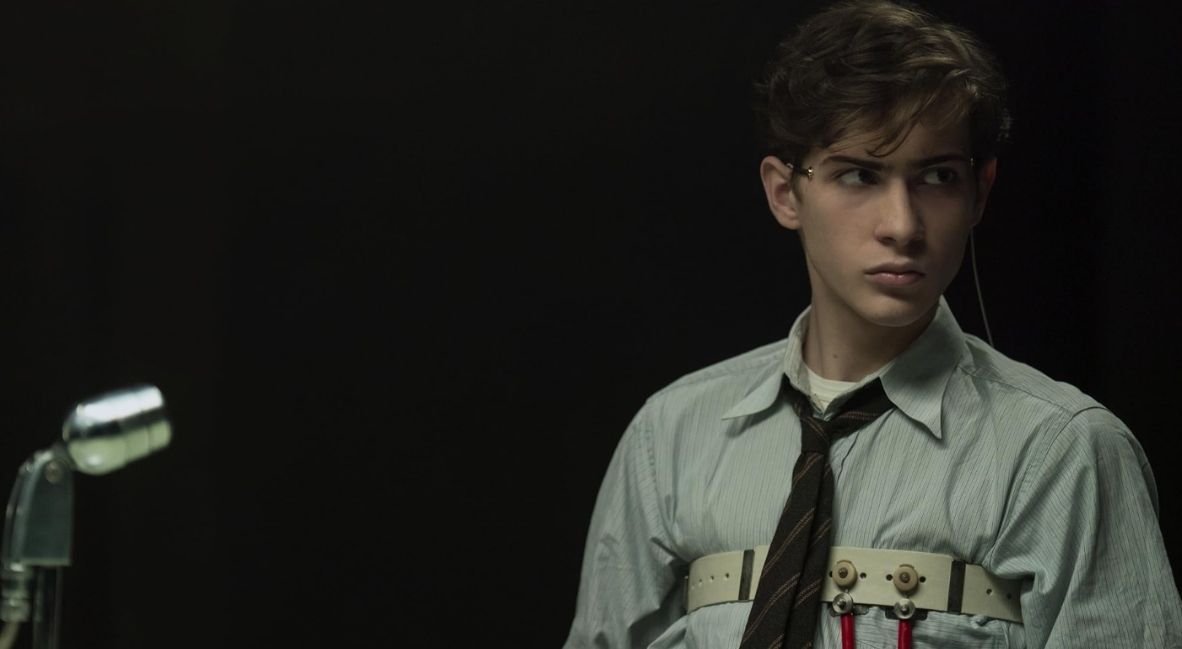
Jacob Tremblay is a standout in that part of Unabomber (2026). Ted’s evolution from a young, curious student with a passion for philosophy into one of the most dangerous men in modern history is incredibly effective. Tremblay does a lot of acting with his eyes. He shows he can use them to convey both innocence and intensity in equal measure.
Initially, Russell Crowe comes off as a run-of-the-mill professor that any actor of the right age could have played. By the end of Unabomber, however, the revelations about his CIA-funded experiments turn Henry Murray into a pompous, self-righteous academic who cares more about his own legacy than the lives of his subjects. Russell Crowe is truly remarkable in bringing that attitude to life.
Unabomber (2026) has a great idea and a wildly interesting source material. There’s a reason why the nation paid so much attention to it in 1995. Unfortunately, the film refuses to commit to a dramatized villain’s origin story or to getting the details of Kaczynski’s capture right. Instead, it begs to be more.
Unabomber (2026) is streaming now, exclusively on Netflix
Unabomber (2026)
-
Rating - 6/106/10
TL;DR
Unabomber (2026) has a great idea and a wildly interesting source material. Unfortunately, the film refuses to commit to a dramatized villain’s origin story or to getting the details of Kaczynski’s capture right.