
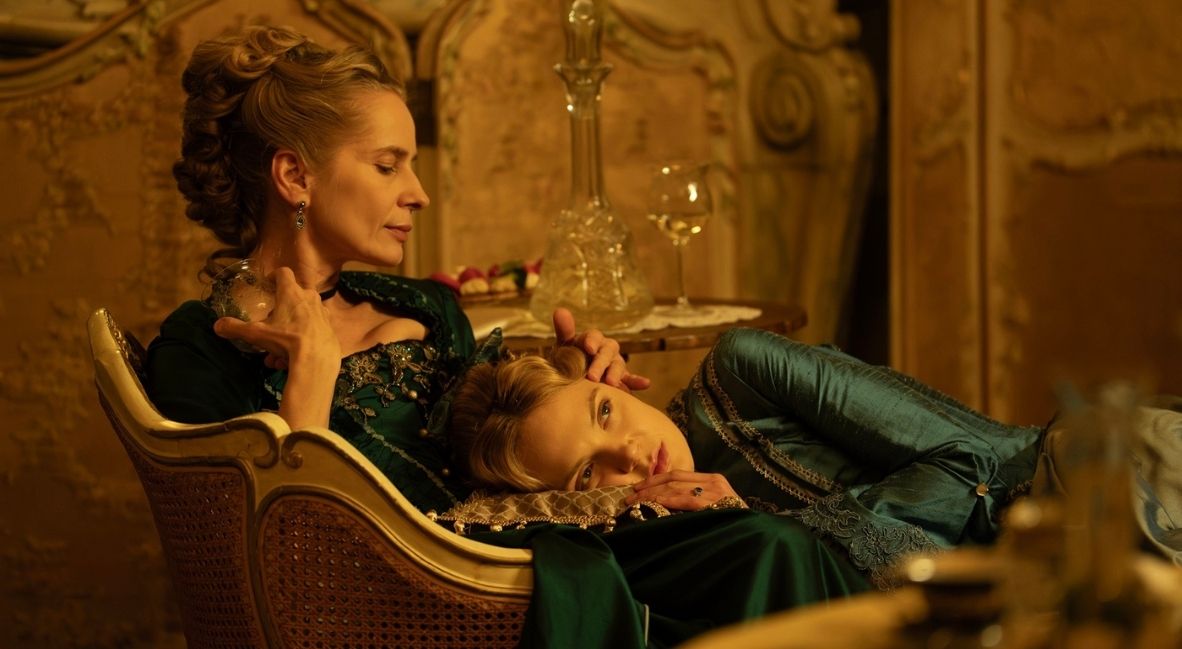
Romance, revenge, exploration of the divide between social classes, obsession: The Doll has it all. And maybe not enough of it. Based on Boleslaw Prus’ novel, initially published in the 1880s, The Doll follows one sharp, independent aristocrat who dreams of becoming a writer in 19th-century Warsaw.
Izabela (Sandra Drzymalska) is young, beautiful, and wealthy, which is all Polish society has deemed her fit for. She’s elusive to upper-class men, who treat her like a doll who might be an ornament for their own wealth and success. But Izabela wants to travel and write about social issues, and maybe even start her own magazine. She’s not terribly interested in being someone else’s wife, but social-climbing merchant Stanislaw (Tomasz Schuchardt) is very interested in making her his wife.
The Doll is a classic in its native Poland but hasn’t been adapted for television since 1977, and certainly not for an audience as widespread as Netflix’s. The appeal for the streamer seems obvious, but perhaps even repetitive. The Doll, at times, feels like an inverse of Netflix’s own adaptation of the Australian classic My Brilliant Career. Where that series followed a poor aspiring writer who ends up mingling with upper-class society, The Doll follows an aristocrat whose dreams of writing are put on hold when her family has to address their mounting debts.
The Doll (2026) doesn’t get enough time to establish its identity in its genre.
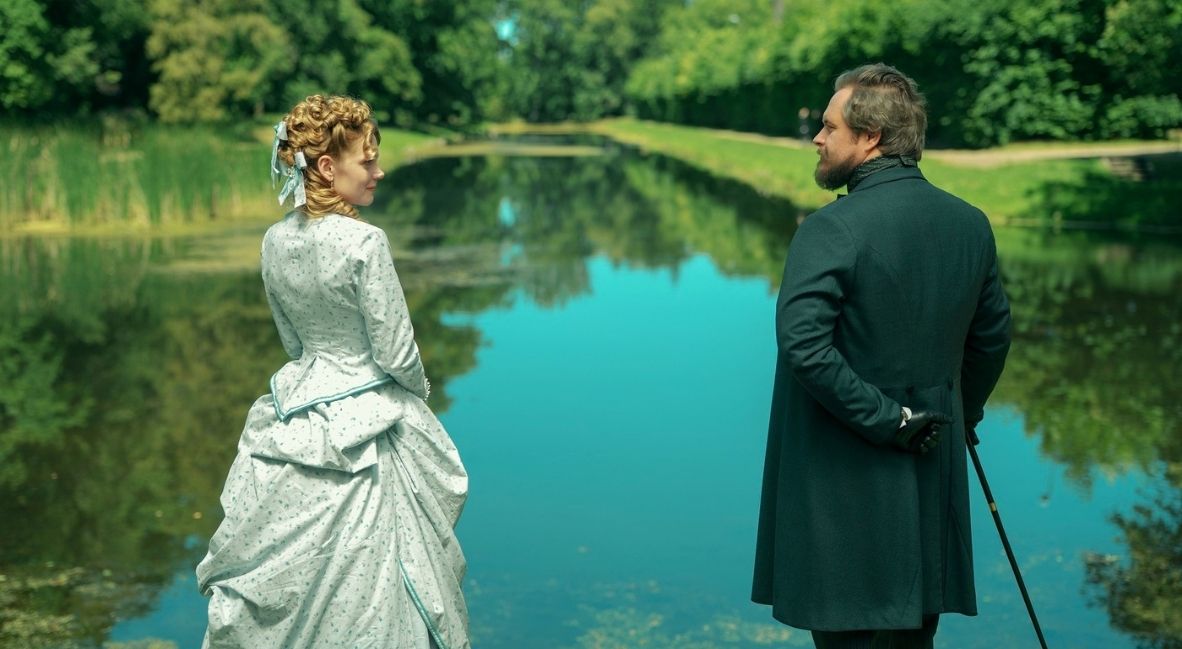
That’s not where their parallels end. The Doll, like My Brilliant Career, possesses an unconventional heroine in that she is less interested in marriage than she is in a career, to the point of openly scorning the idea of settling down. While not a strange concept for period dramas now, one can imagine the impropriety of such a protagonist when The Doll was first published. And unlike My Brilliant Career‘s warmly zany heroine, Izabela is straightforward, unsmiling in her boldness, and hard-edged.
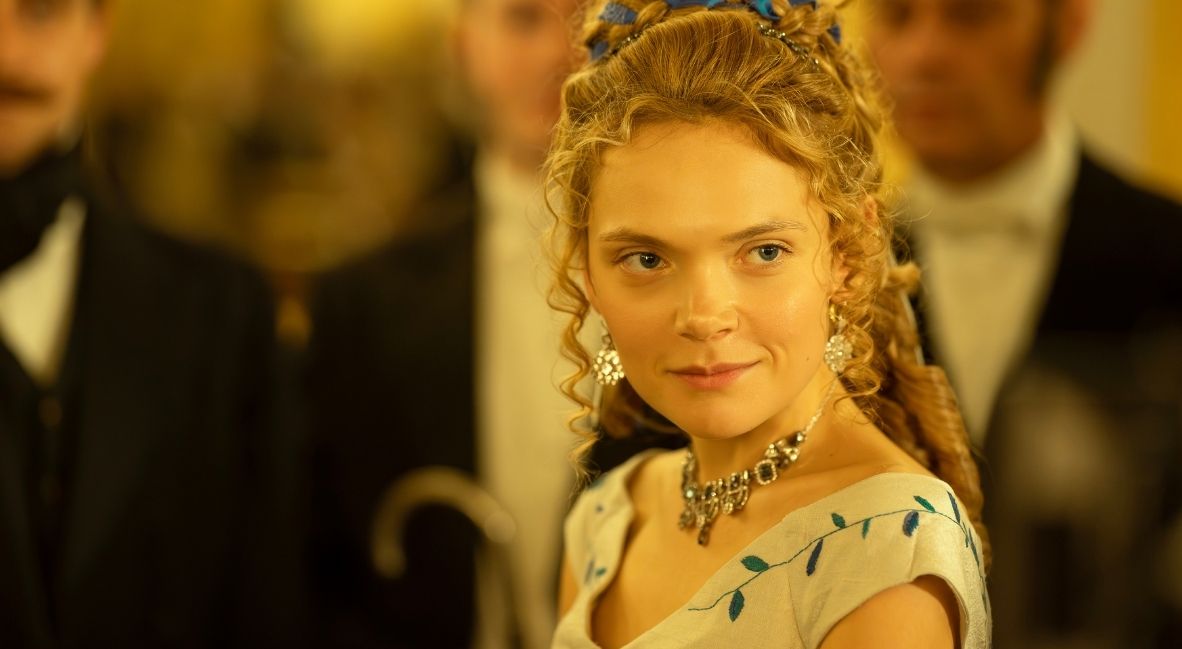
She’s vividly brought to life by Drzymalska, who perhaps has the most difficult job in The Doll‘s overwhelmingly sprawling cast. Izabela is calculating and without pretense, but also without much of a sense of humor. She unapologetically tells off multiple would-be suitors, many of whom have unsuccessfully proposed, for their various faults.
She’s aware of her place in society, but doesn’t bother with politeness. Drzymalska’s command of Izabela’s personality is so palpable that her rare vulnerabilities hit hard. When Izabela goes to the rare trouble of showing any vulnerable emotion, the range in Drzymalska’s face, from suppressing emotion to being unable to hide it, is a masterclass in silent but expressive acting.
Sandra Drzymalska brings Izabela to life, giving a masterclass in acting.
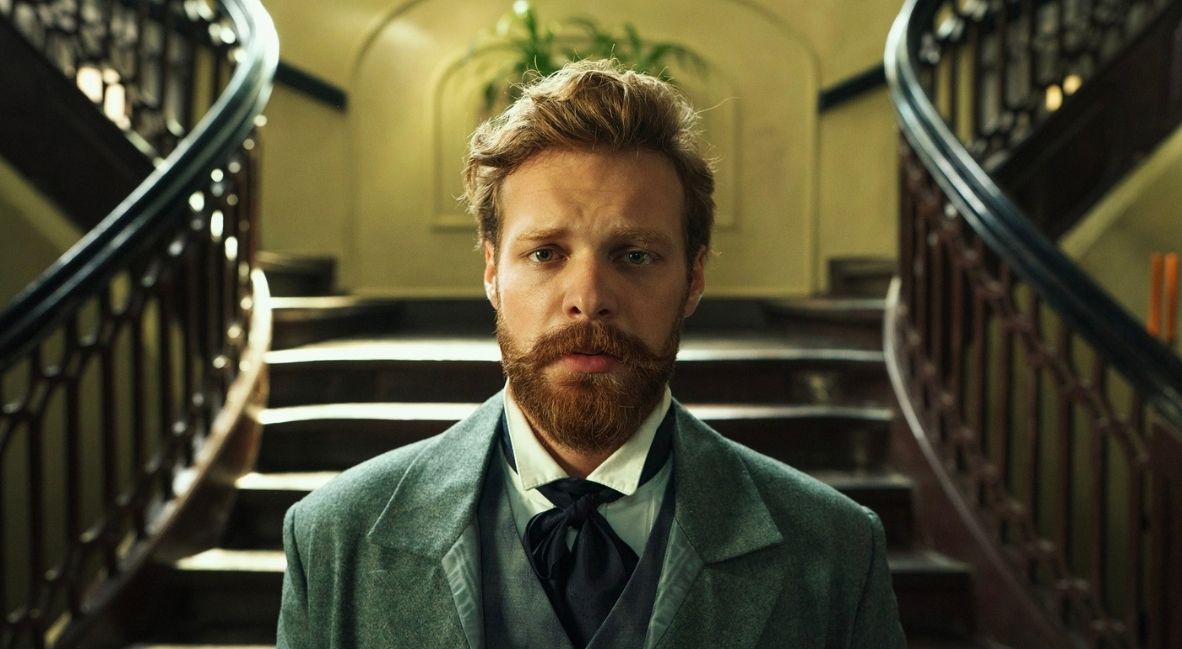
If only The Doll could keep up with its dynamic leading lady. Her love interest, Stanislaw, is hardly given the space to feel as developed. His interest in Izabela is intertwined with his desperation to join the upper classes, blurring the line between the real heart of his obsession and his desire. Six episodes hardly feels like enough time to explore that dichotomy. Izabela’s own attraction to Stanislaw feels less obvious, given that there’s not much chemistry between their actors, and their screen time is largely spent fighting rather than romancing one another.
Izabela’s world is populated by her financially irresponsible father (Jacek Braciak), her prim and proper cousin (Julia Wyszynska), and Marianna (Maria Kania), a maid with suspicious motives for being employed by Izabela’s family. They’re interesting enough to watch, especially Marianna, but The Doll‘s effort to rope in intrigue, betrayal, and revenge into their plotlines is too demanding a challenge for six episodes. It’s rare to find a show that does the opposite of overstaying its welcome: it takes its time to make you care about its characters, then ends before you can really embrace them.
The Doll tries to tackle business, intrigue, navigating the social classes, feminism, romance, and revenge across its six episodes. But by trying to be everything, it accomplishes little beyond ensuring that Izabela is an unconventional heroine. Beyond Izabela, its most striking accomplishments lay in the below-the-line talent. Production designer Joanna Macha‘s sets are an exquisite case for ensuring period dramas are shot on location and on real, handcrafted sets.
Shooting on location adds an extra layer of realism that is just exquisite.
Too often, period dramas look like dollhouse recreations of times long gone, with pristine sets or costumes that are woefully anachronistic. Macha’s sets, paired with Dorota Roqueplo‘s gorgeous but grounded costumes, make The Doll a well-imagined period drama. It’s so wonderfully believable to look at, you’ll wish you had more time to look around.
Though The Doll‘s exploration of social class drama and prickly heroines isn’t new or even noteworthy, it’s a well-made series, nonetheless. If anything, it’s a reminder that epic novels ripe for period dramas can come from anywhere, not just England or Russia, those paragons of period drama fodder. One can only hope The Doll is the beginning of a reimagined, but not widely known, classic being introduced not just to new generations, but to audiences around the world.
The Doll (2026) is streaming now, exclusively on Netflix.
The Doll (2026)
-
Rating - 6/106/10
TL;DR
Though The Doll‘s exploration of social class drama and prickly heroines isn’t new or even noteworthy, it’s a well-made series, nonetheless.