
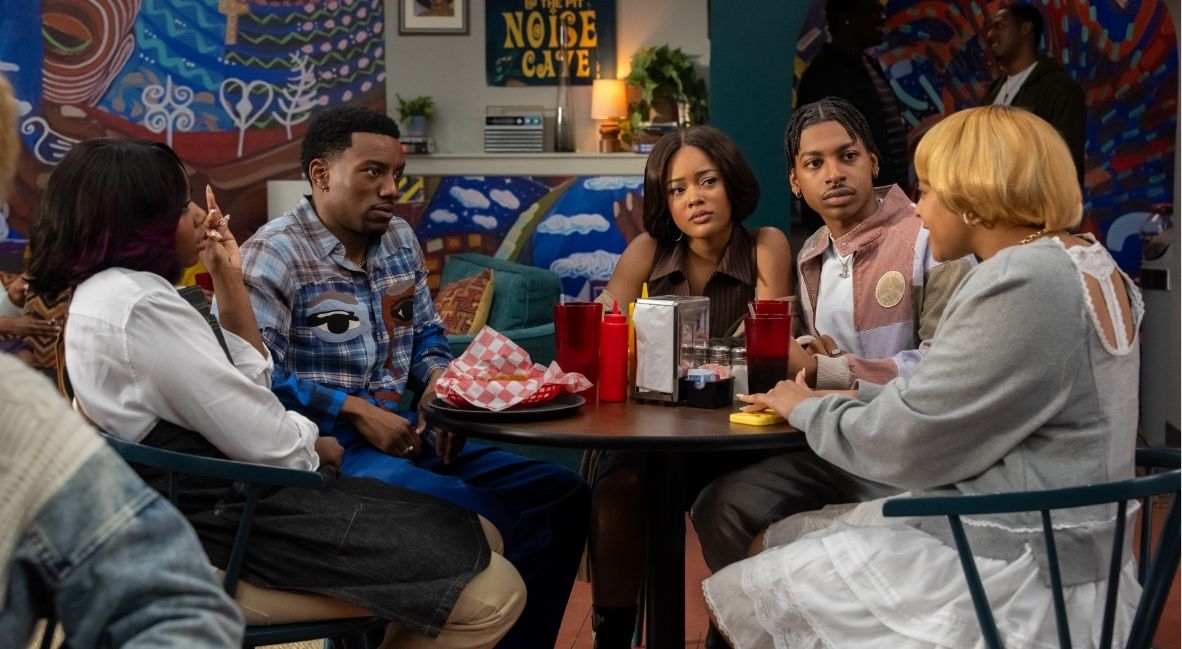
Growing up in the 90s and early 00s, if you watched A Different World (1987), it gave you a glimpse of campus life at a Historically Black College and University (HBCU). The show was an iconic moment in entertainment history for many young Black people, myself included, who imagined going to college one day.
Now, A Different World (2026) returns with a new generation to carry on the original series legacy. The series’ showrunner, writer, and executive producer is Felecia Pride; Debbie Allen directed and executive-produced, joined by executive producers Tom Werner, Reggie Rock Bythewood, Gina Prince-Bythewood, and Mandy Summers.
In A Different World, a new class is in session, with old and fresh faces stepping on the iconic Hillman College campus. The sequel series centers on Deborah Wayne (portrayed by Maleah Joi Moon), the youngest, sheltered daughter of Dwayne (Kadeem Hardison) and Whitley (Jasmine Guy), who has a free spirit, a knack for the spotlight, and a huge heart, and is trying to figure out her own path at Hillman, outside of her parents’ shadows.
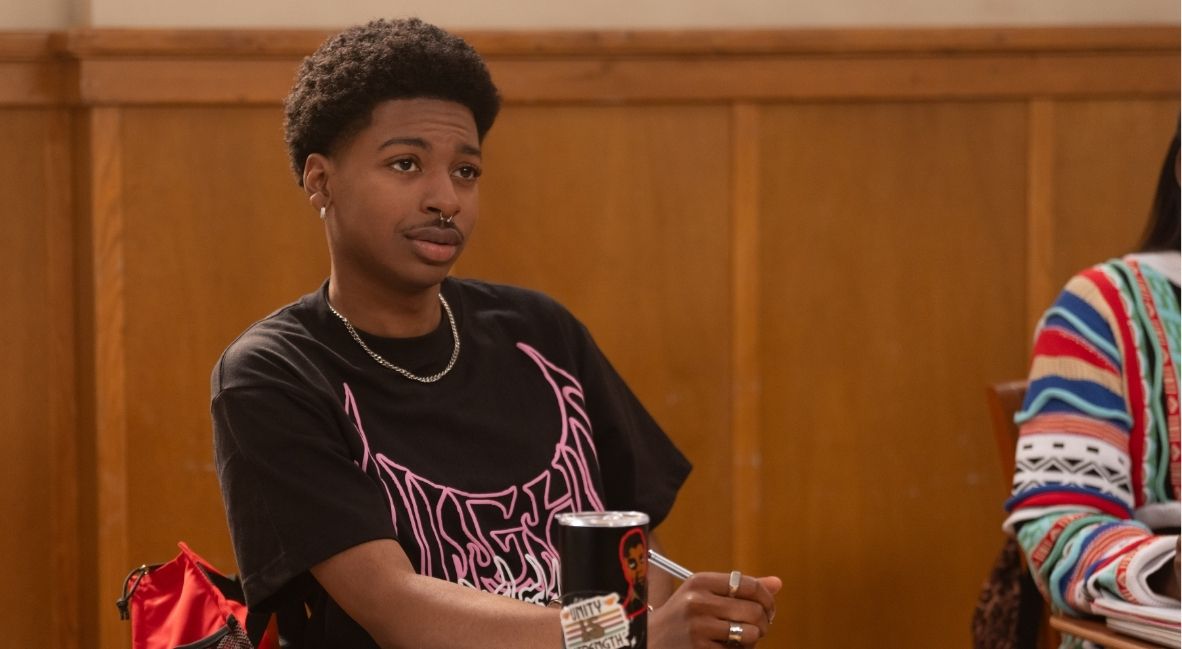
Along her journey of self-discovery, Deborah is joined by her classmates and new friends: Rashida (Alijah Kai), Hazel (Kennedi Reece), Amir (Jordan Aaron Hall), Kojo (Chibuikem Uche), and Shaquille (Cornell Young IV), Deborah’s childhood friend and first love. The new generation is not the only focus of the new series. Legacy favorites from the original series also return, along with Dwayne and Whitley, Freddie (Cree Summer), Ron (Darryl M. Bell), and other Hillman alums make appearances throughout the season. Dwayne steps into a new role at the college that puts the fate of Hillman on his shoulders.
The show carries on the legacy of the original series while carving out its own space, and it does so very well. Audiences should embrace A Different World as a continuation of the original series rather than a revival or reboot. From the first episode, the show recognizes that the characters are meant to reflect the experiences and lives of Gen Z college students.
The show recognizes that many young adults of this generation had their education, socialization skills, and transition into adulthood affected by the COVID-19 Pandemic. A Different World shows the pandemic’s effects by acknowledging that incoming first-year students were pushed into digital learning when they were younger, which contributed to disconnection and to missing out on crucial socialization and communication skills developed in their early teen years.
Real-life experiences shaped the A Different World reboot.
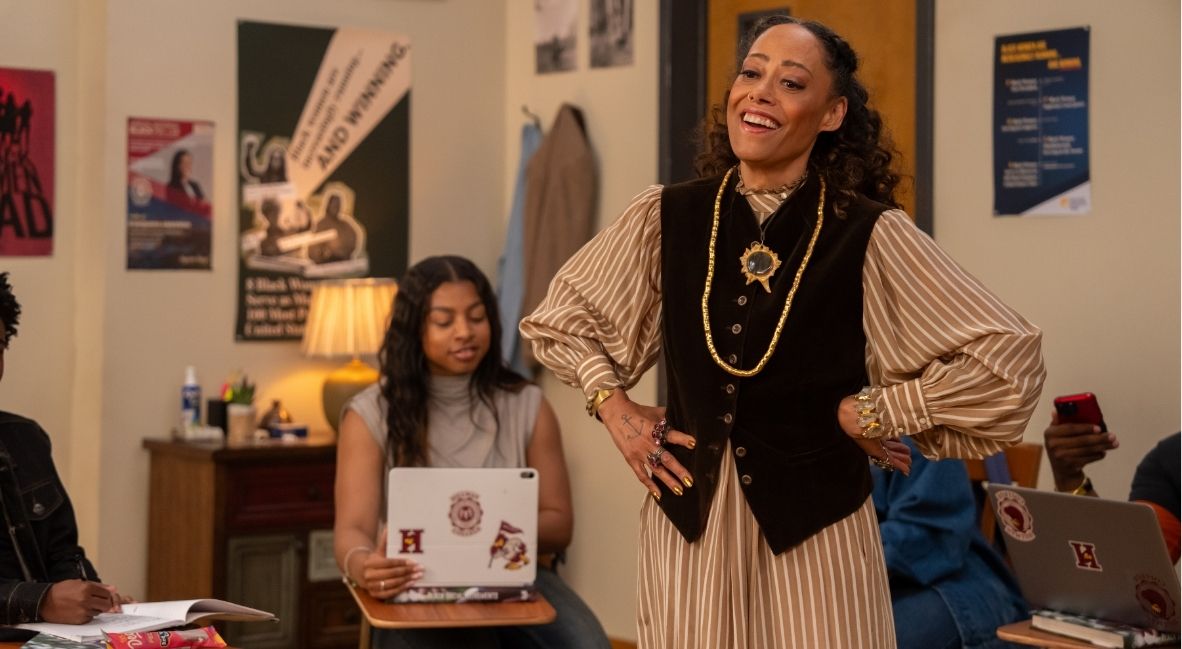
The show also touches on modern-day realities and challenges that many HBCUs and college students are facing in today’s political climate. The overarching issue of Hillman College’s financial struggles reflects that of many HBCUs that suffered from federal DEI funding cuts and money misappropriation scandals by their own administration. Through Dwayne’s new role as interim president and the inherited budget crisis he must manage, the show examines the challenges of sustaining and leading an HBCU in uncertain, tumultuous times.
A Different World does not shy away from the very real-world threats HBCUs face due to racism and hate, either. On September 11, 2025, 8 historically Black colleges and universities across the country were put into lockdown after receiving bomb or terrorist threats.
Ultimately, investigators found the threats were hoaxes intended to instill fear and chaos in HBCU communities. A Different World pulls inspiration from real-world issues, using its portrayal of DEI federal funding cuts and harmful threats against Hillman College to explore how racism and hate can disrupt campus life and threaten the safety of Black students.
A Different World feels more lived-in with its shift to a single-camera format.
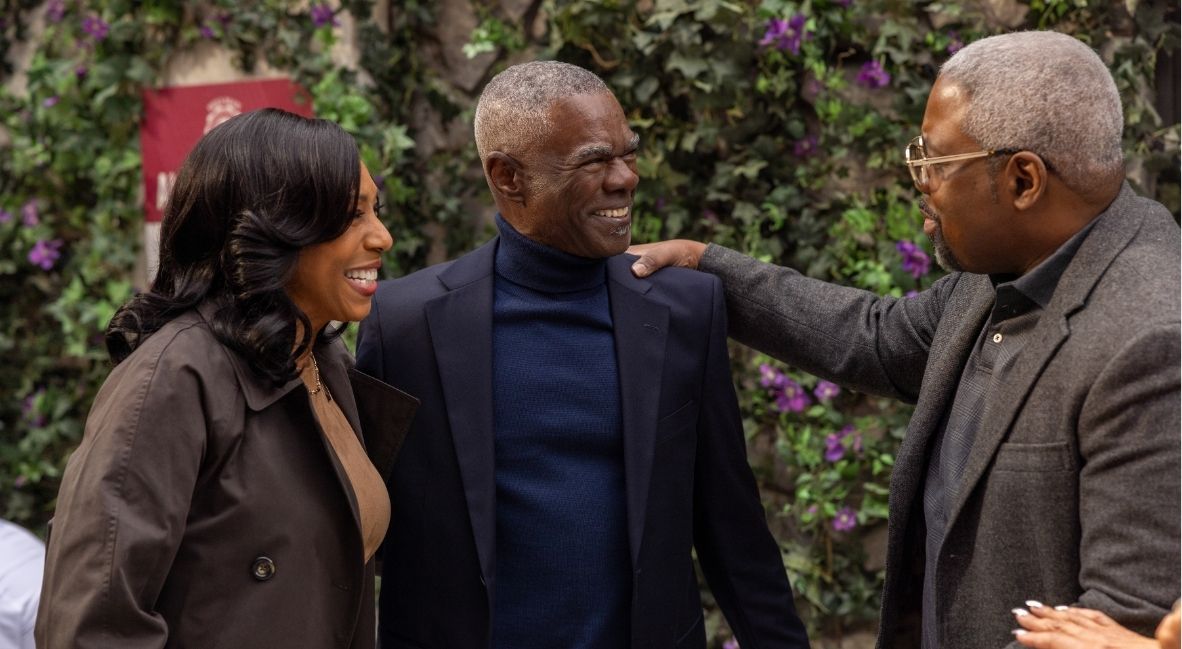
Including these storylines in A Different World elevates it from idealized fiction into an important cultural touchstone. By mirroring the very real terror of violent and institutional threats that HBCUs experience in the real world, the show honors and brings awareness to the plights of modern Black students. Many of the Hillman students believe that choosing to come to an HBCU meant that they would be safe from the threats of hate and the psychological toll of racial trauma that they carry daily.
These storylines are powerful because they don’t sanitize or censor the Black college students’ experience. The show uses Hillman College and its students to explore how systemic racism and targeted hate disrupt the joy and safety within Black communities. These narratives powerfully demonstrate that racism is not just an abstract concept; it is also a structural and physical threat.
One of the most striking things about the sequel series is that it shifts from the live-audience, multi-camera sitcom style to a more modern single-camera format. The single-camera style really adds depth and opportunity to the show’s storytelling, cinematography, and overall tone this season. The switch to the camera style removes the “Fourth Wall” and makes the sets even more dynamic and engaging, giving the show a more real-world look and feel.
The themes covered across A Different World (2026) season 1 offer authentic glimpses into young Black lives.
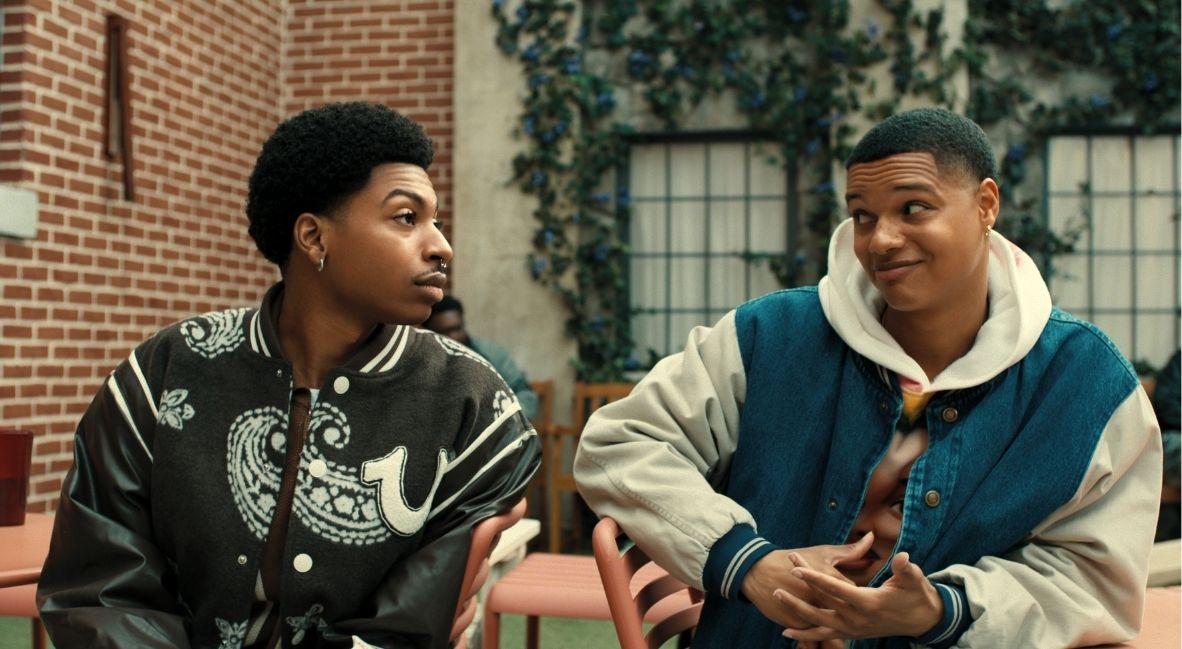
A Different World succeeds because it understands its audience on a deep level. Throughout the first season, the show delves into storylines that resonate across generations. The show understands the unique intersectionality of these generations being years apart, but many of the experiences in this season mirror one another, and the characters handle them differently.
The season’s exploration of sex, relationships, dating, and romance is one of its greatest strengths. Many characters go through their own bouts of love, drama, and heartbreak. Dwayne and Whitley are separated throughout the season as they try to work through their relationship problems or decide to get a divorce. Meanwhile, their daughter Deborah and her on-again-off-again relationship with Shaquille mirror her parents’ relationship troubles, as the young lovers struggle to communicate transparently, leading to more problems down the line.
A Different World also beautifully offers a thoughtful representation of Black LGBTQ+ relationships and sexual experimentation through Jalen. It is very meaningful to watch Amir, a young gay Black man, be welcomed into a community of friends who accept him as he is, allowing him to be his full, authentic self.
It is also rare in entertainment for young Black gay men and boys to be open about their sexuality and their dating experience with their straight counterparts without being made the butt of a joke. The show also avoids making his sexuality a sensationalized plot device for trauma or drama; instead, the show purposefully normalizes his identity so he can navigate college life just like any other student.
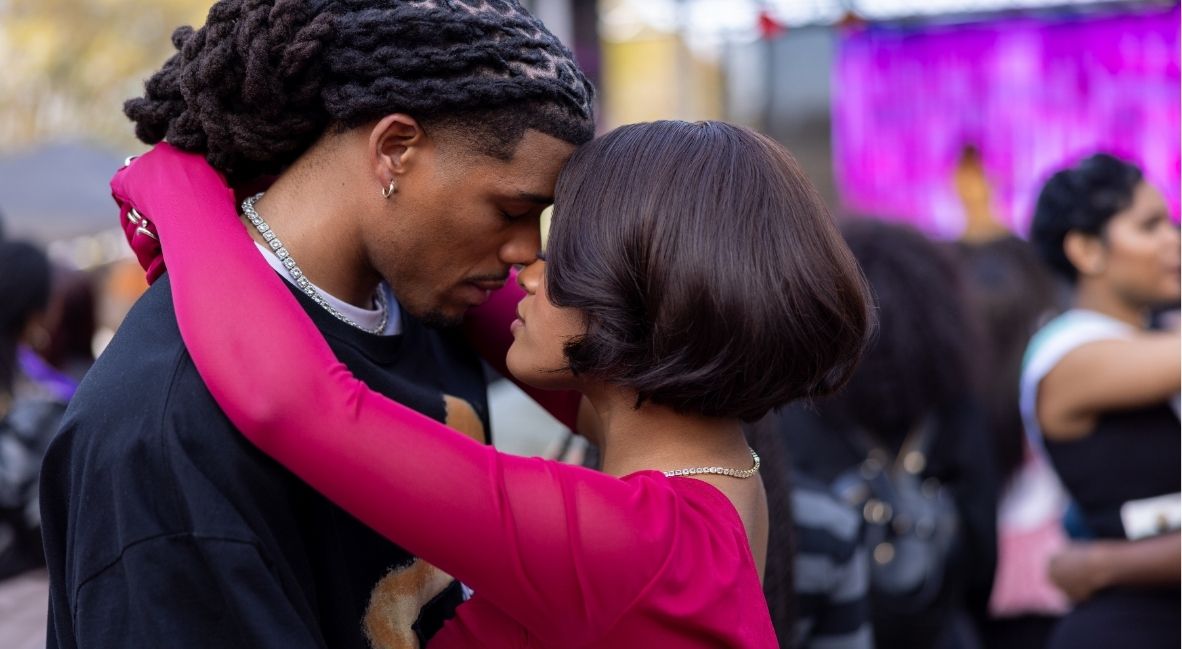
The show’s pacing is brilliant across all 10 episodes of its first season. For a show with such a large cast, it does an amazing job giving every character dedicated time to develop and shine through their own arcs. Performance-wise, the entire cast brings their best to their roles, which makes every character this season feel raw and real.
The new cast does a fantastic job owning their characters throughout the season, making audiences feel instantly connected to them. It is also impressive how the legacy cast members like Hardison, Guy, Summer, and Bell jump right back into their roles after playing them for decades.
A Different World succeeds where other sequels or reboots fail. The show knows how to tap into the right amount of nostalgia while still being refreshing with a new original story. Cameos from other supporting legacy cast members, easter eggs, and nods to the original series give fans something to catch and enjoy. At the same time, the show is intentional about not being too heavy-handed with nostalgia or centering too much of the plot on the older cast, so it gives the new cast room to take the spotlight.
A Different World (2026) is phenomenal.
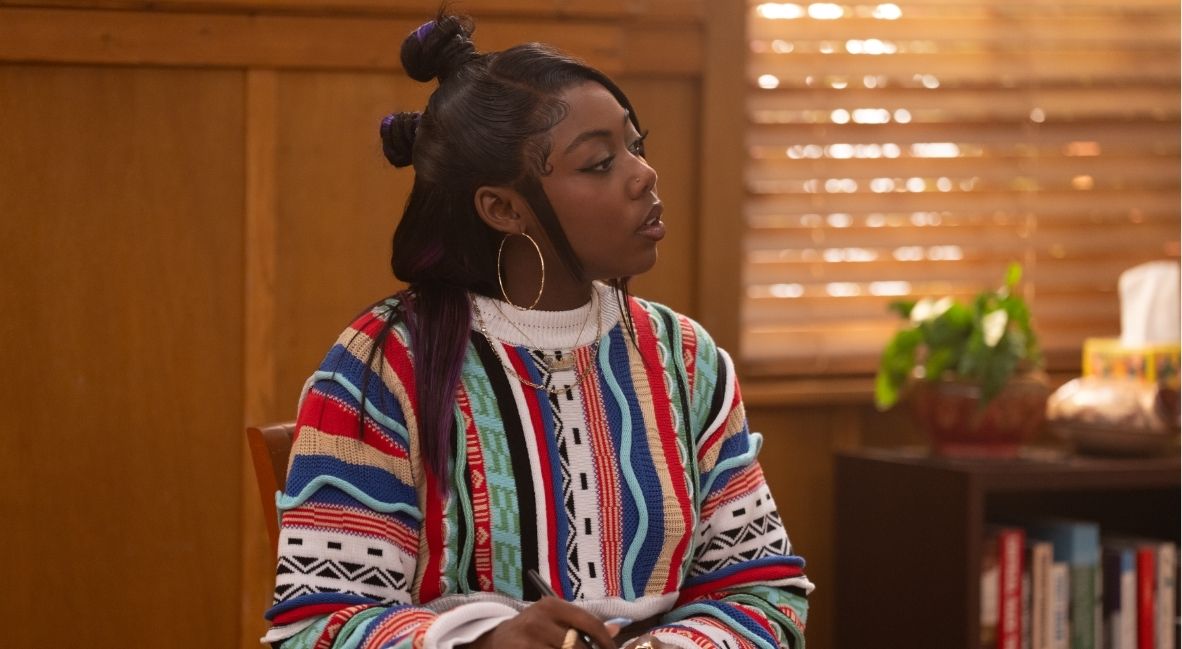
One especially beautiful thing about this show is that it also draws inspiration from its original series with some of its storylines. The protest and occupation Deborah led in Episode 9 is a callback to the original series when her father, Dwayne, staged a sit-in at the dean’s office after his radio show was canceled. It is a nod to how Hillman College’s culture has always benefited from and thrived on activism.
A Different World (2026) is phenomenal. The sequel truly succeeds where other shows that have tried to capture the same lightning-in-a-bottle energy have failed. Instead, A Different World thrives by embracing intergenerational experiences, the real-world challenges HBCUs face, and a new, original story that still honors the original show’s legacy. The entire cast delivers stellar performances, and the storytelling feels authentic, drawing audiences into where their college journeys will take them.
A Different World (2026) is streaming now on Netflix.
A Different World (2026) Season 1
-
Rating - 10/1010/10
TL;DR
A Different World (2026) is phenomenal. The sequel truly succeeds where other shows that have tried to capture the same lightning-in-a-bottle energy have failed.