
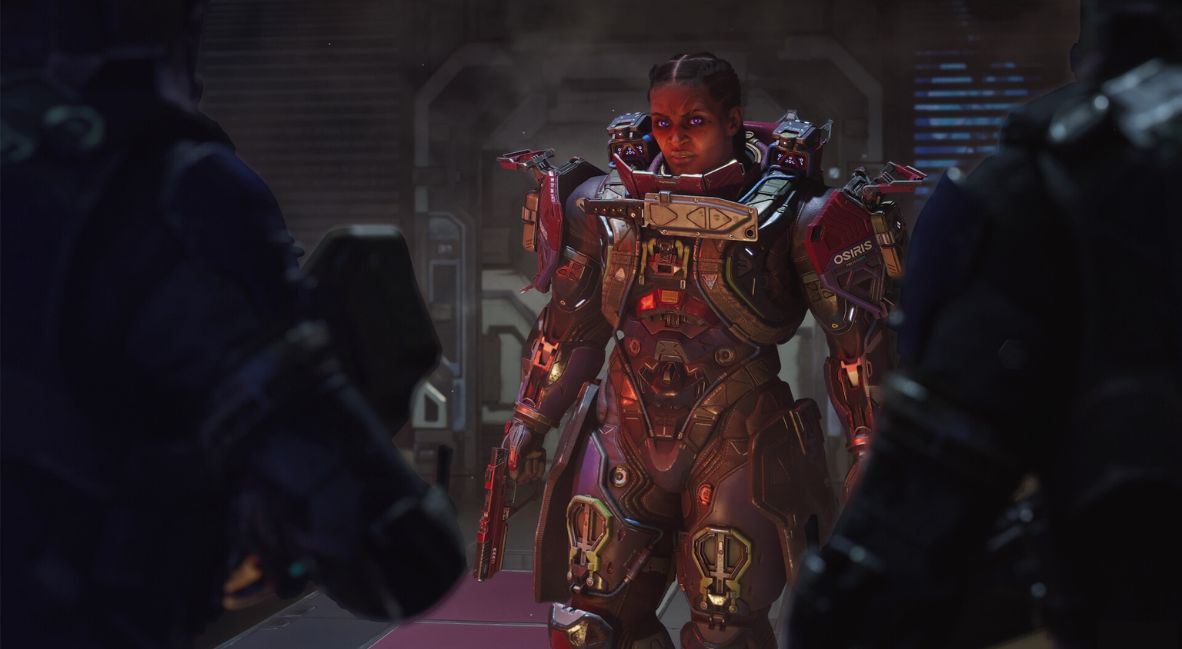
Owlcat Games is bringing back The Expanse, and for fans of the beloved science fiction series, it feels like it never left. Titled The Expanse: Osiris Reborn, the game is a third-person action RPG that turns players into a merc caught in the wrong place at the wrong time.
With a branching narrative, much of the game’s design- in its combat, systems, and choices- echoes Mass Effect. This isn’t the only game to demo during Gamescom 2026 in Cologne, Germany, with similarities to one of the definitive sci-fi stories. That said, The Expanse: Osiris Reborn may feel familiar in some respects, but it executes unique systems and progression elements that help it shine mechanically, while its tie to The Expanse series defines it narratively.
If you’re unfamiliar, The Expanse: Osiris Reborn is set in the 24th century and follows a Pinkwater Security mercenary whose brief shore leave on the asteroid Eros spirals out of control—that’s you. When a mission goes awry, you’re trapped in a deadly lockdown and drawn into a solar system-wide conspiracy far beyond your control.
The Expanse: Osiris Reborn is a snapshot of the series, in a great way.
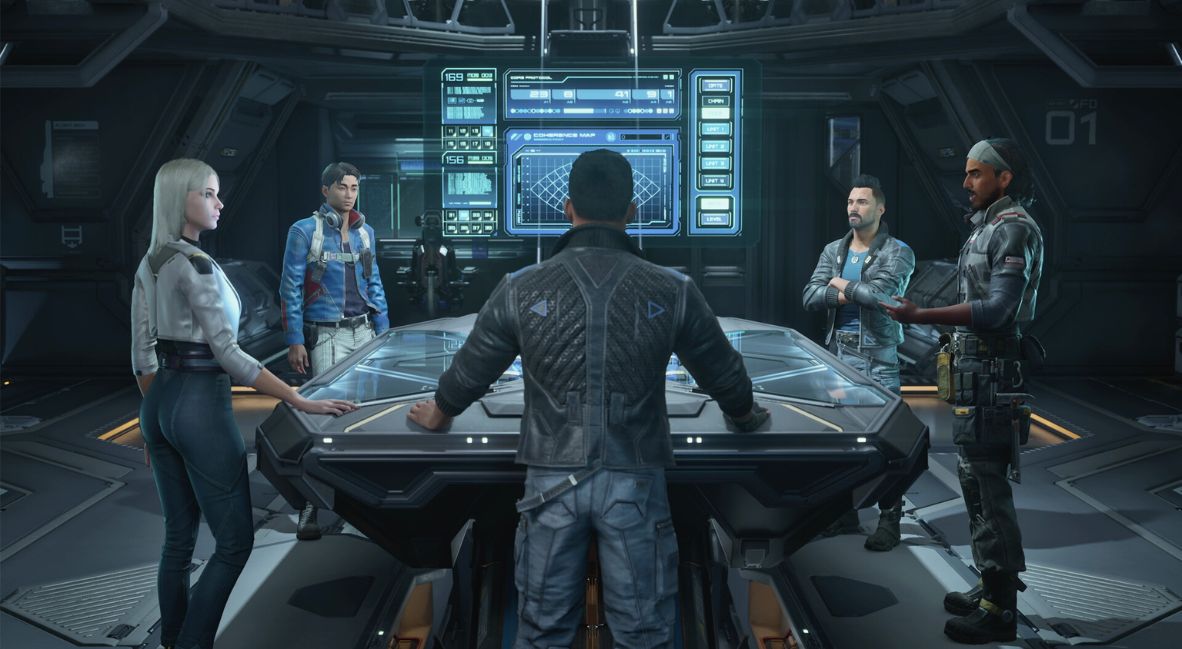
In this story-driven action-adventure RPG, players will customize their Captain as either an Earther, Martian, or Belter. Once you’ve made that character, you’ll lead a crew of highly skilled specialists as you face off against threats, political pressure, and a relentless enemy. In a solar system held together by fragile alliances, every decision you make will inform how the world around you views you.
During our hour-long demo, we made a choice to save a group of people who would have died if we didn’t take a riskier encounter and escort them to safety. As I made the choice, I asked the developer beside me how it would affect how people view me.
She responded that the choice has a ripple effect on how I’m received in another chapter, when the people we saved come back into play. While we didn’t get to explore many choices, it was pretty easy to see how they would come into play.
What we did get to see through some of our conversations was how well-rounded each secondary character is. Good companions are necessary to make a game like The Expanse: Osiris Reborn fun to play, but more importantly, to immerse players to a point where they come back and replay. From our time in the demo and from discussions with the developer, it was clear that connecting with your companions wasn’t just about answering one question correctly or not.
Instead, Owlcat’s approach to narrative design creates companions with their own loyalty, trauma, likes, dislikes, and more, situating them within a larger world. And yes, that includes secrets. With your ship as your home, how you interact and work with your companions is crucial to completing the story and shaping The Expanse around you.
After four years off the air, and with only The Expanse: A Telltale Series as another way to explore the world before Osiris Reborn, fans of the series resurrected by Prime Video haven’t had a chance to return to the world of the series.
While some comics have been released, returning to the franchise in an immersive way like this feels long-awaited. Now, The Expanse: Osiris Reborn plans to bring players to Ganymede, Ceres, Mars, and Luna, and that’s just with what they’ve released so far.
Companions in The Expanse: Osiris Reborn are meant to be fully realized characters with their own motivations and trauma.
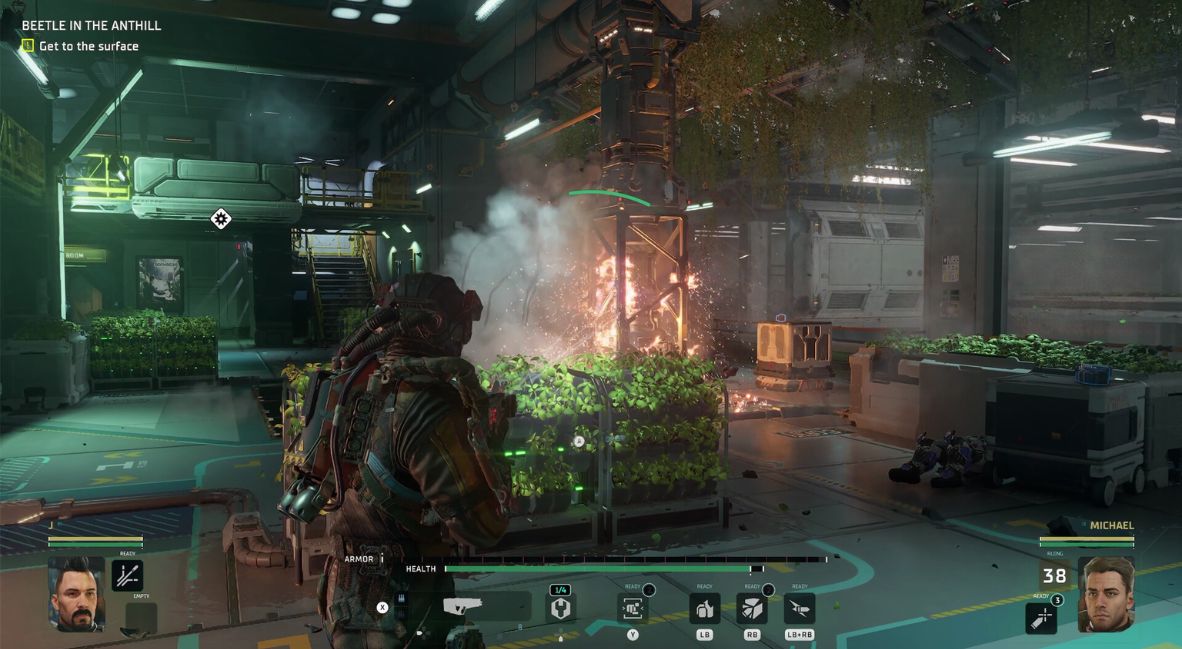
Each area is filled with life—if there is life to be had—and not just ruins. The NPCs in each area we explored had independent conversations. Their conversations weren’t just focused on reacting to you or delivering quippy one-liners about how great you are. Instead, they’re talking about a task, their job, and just being in the world. It’s an element you can’t overlook, and it helps create a world worth exploring, even if this isn’t an open-world RPG.
More importantly, the environments we got to explore were layered with elements of life, showing that the game places you in a space that existed before you and may still exist after you. It was an interesting element that took each space from an “interesting sci-fi setting” you could pick and move through game to game to a grounded space.
That also affects how you, as the player, view the characters and world you interact with and connect to. We’ll have to wait and see how The Expanse: Osiris Reborn delivers on its promise of entirely unique settings across each ship and planet. But for now, the depth of the places and people we saw, met, and were pulled into our party offered more than enough to be excited about.
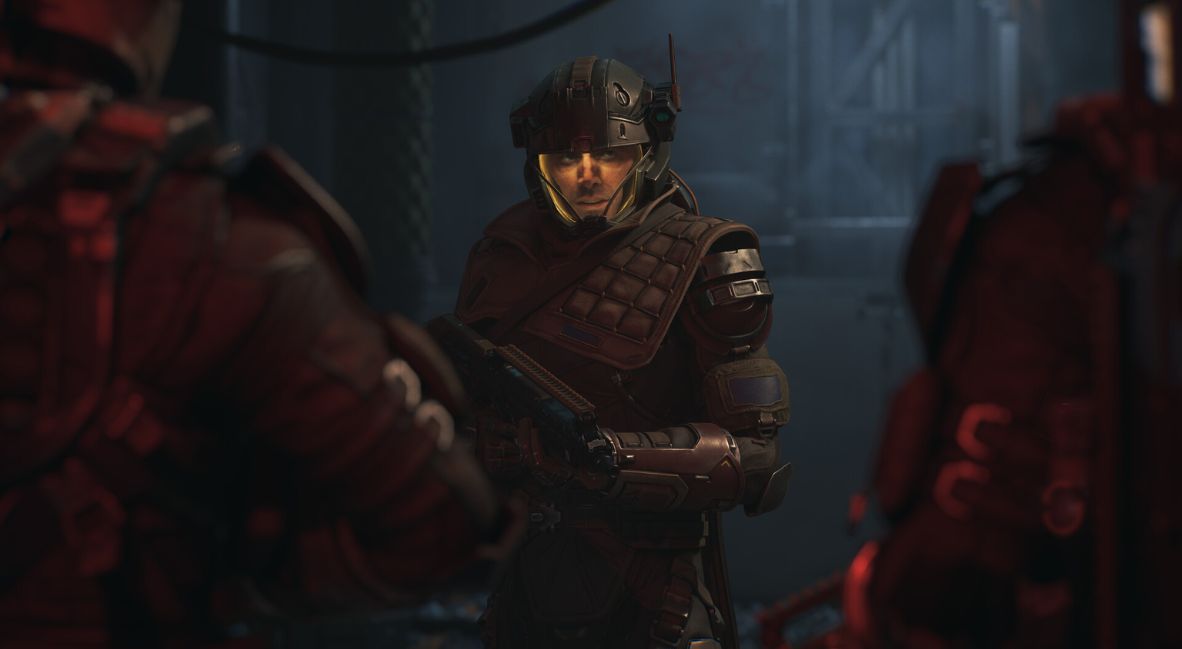
One note that makes The Expanse: Osiris Reborn stand out as a game tied to an existing IP is how well the franchise’s dialogue, humor, and grit carry into this new medium. Set between the first two books in The Expanse series (or during the first season of the television series, if that’s what you connect with, like me), players will get dropped into a world that they know.
Matching the series’ tone is pivotal to ensuring The Expanse: Osiris Reborn lands with audiences drawn to the game not because of its genre or systems, but because of the IP attached to it. Thankfully, from what we played, Owlcat Games has captured the franchise as it should be.
In terms of navigation and exploration, the small pieces we saw showed the value of checking every nook and cranny. With lore to find, people to talk to, and loot caches to find, there is an incentive to explore. More importantly, the UI for exploration strikes a balance of being informative without being intrusive. It’s a small refinement that paid off as I tried to take in the world.
The Expanse: Osiris Reborn may feel familiar, but it’s also a promise to the fans of the franchise that have been waiting to go back to this world.
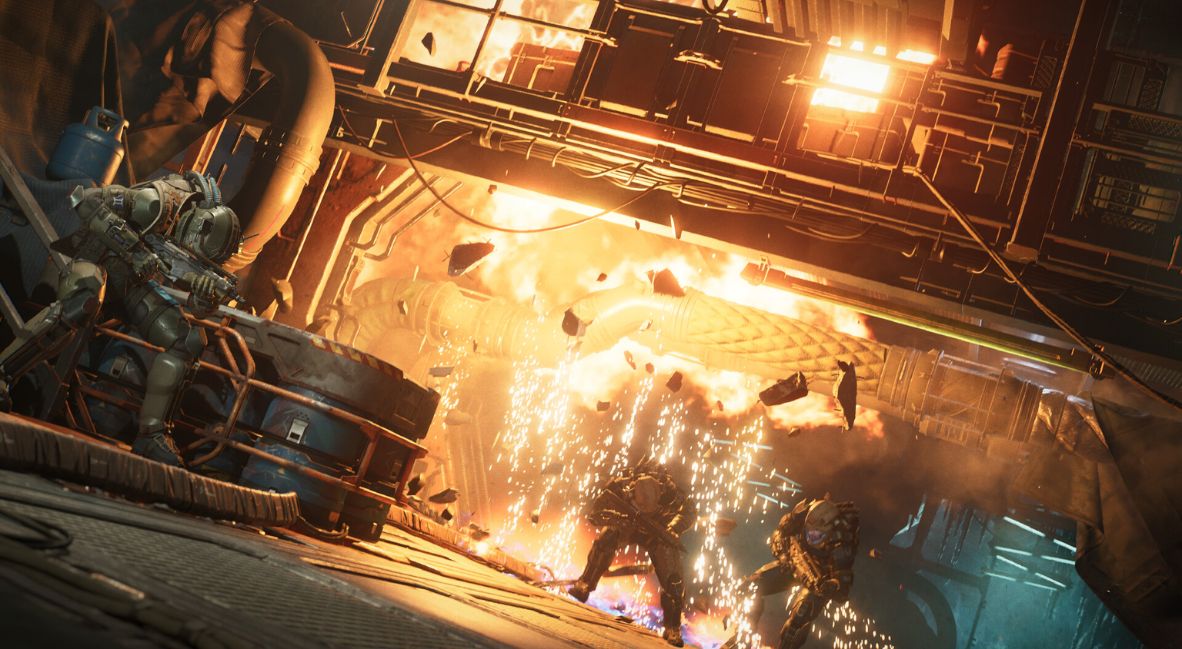
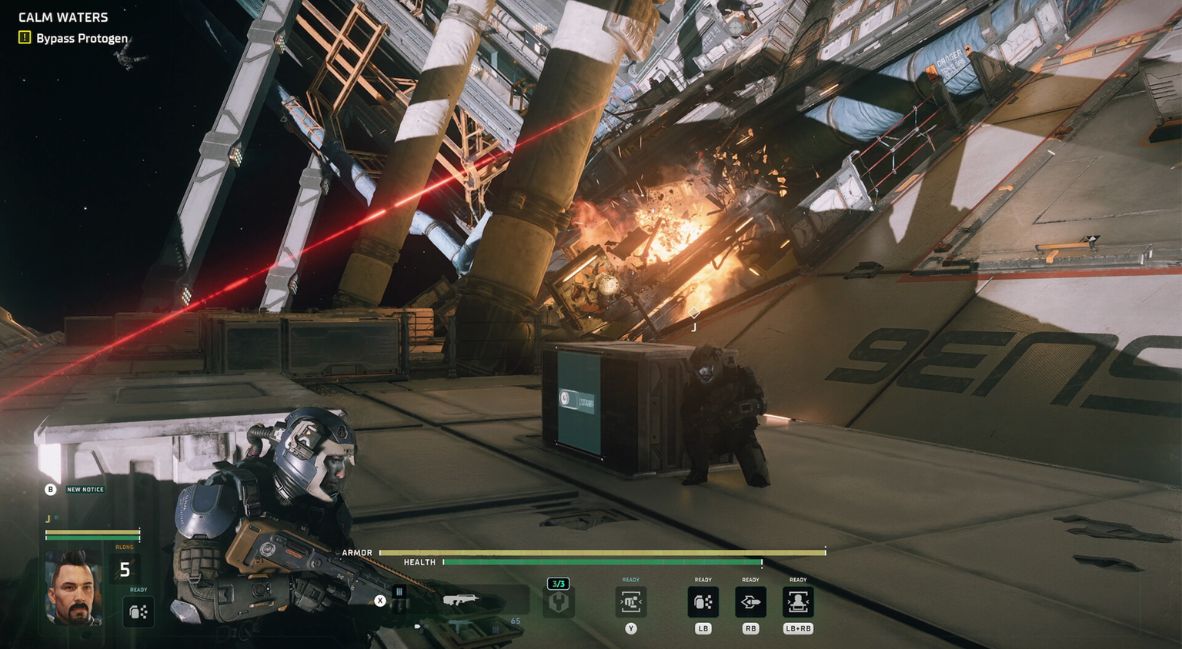
The game’s combat is third-person shooting with cover-focused gunplay. Like many games with this kind of combat, players can use their own abilities and those of their companions. From a combat standpoint, everything is as you would expect; however, the strength of enemy weapons necessitates cover in a way that forces strategy above all else. That said, you can make it through the firefights with good aim and well-timed abilities.
Still, the developers explained that the game isn’t just meant to prioritize firefights. When I was getting overwhelmed toward the end of the demo, the developer reminded me to use my team. While you can press quick-input buttons to call them immediately, you can also direct them using a wheel, as you’d expect in a game like this.
That said, what really stood out is the fact that being a Commander, a Captain, is something that players can do explicitly while defining their playstyle and combat. This means there are paths to develop your character into someone who truly uses their companions and skills. This adds a layer of strategy and immersion. It also gives players who may not be as skilled at firefights some reprieve. It offers built-in accessibility designed to support immersion.

While the Mass Effect comparisons will be many, much like Exodus, The Expanse: Osiris Reborn has made a space for itself. More importantly, as of now, this is one of the most interestingly designed tie-in video games I’ve played. Familiar enough, it’s the flavor of The Expanse that will hook players. Meanwhile, the creative approach to the world still embraces key elements we’ve seen before in the series.
Ultimately, my time with The Expanse: Osiris Reborn was just a snapshot. While it grazed the surface of what the game has to offer in dialogue, combat, companions, and story, it was clear there was so much more happening under the hood.
Games like this are hard to demo, but the important thing is that it invites players to stay awhile and, more importantly, entices them to come back. Owlcat has a lot of expectations on its shoulders, but so far, it looks like the studio is rising to meet them instead of buckling under the weight.