
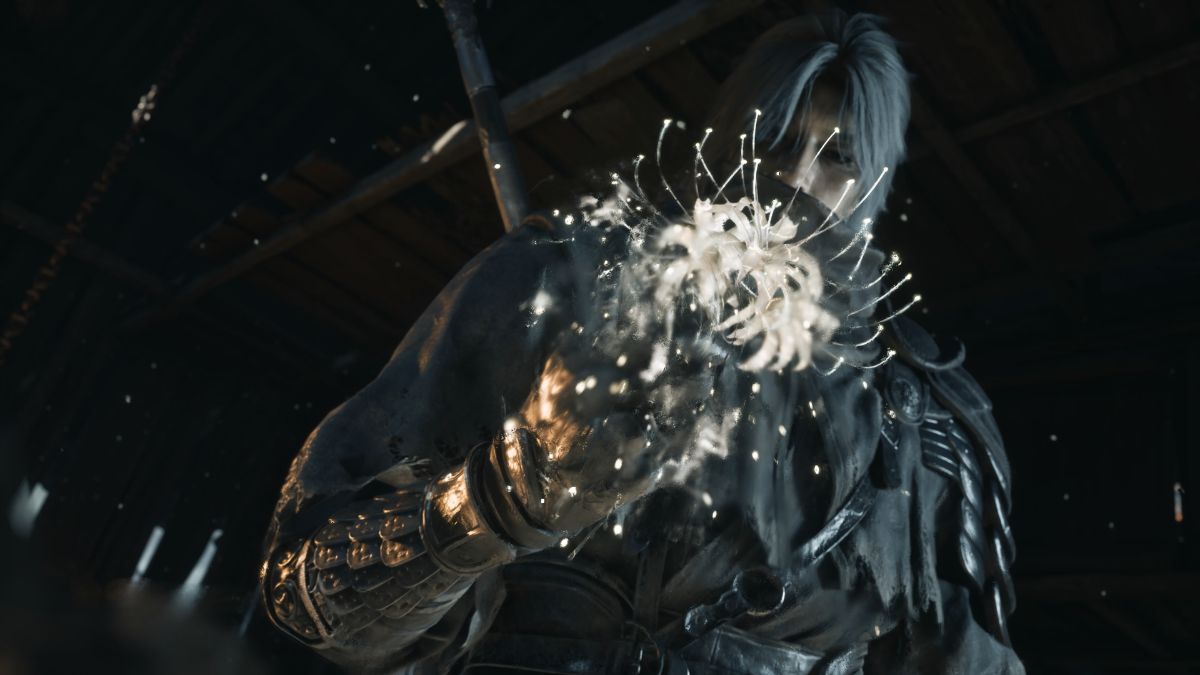
Phantom Blade Zero has been in development for 15 years. Developed and published by S-Games, named after the studio’s founder and CEO, Soulframe (also known as S), Phantom Blade Zero is a game that has been previewed multiple times over the course of its development. Each new section and boss battle showcases a different facet of the game. And now, they’re done.
We attended a media event with press and content creators to play the first six hours of Phantom Blade Zero and experience the game’s first chapter. Each subsequent trailer, announcement, and gameplay preview has made this wuxia-inspired video game one of my most anticipated. Visually stunning, the game is much more than just something pretty on a screen.
Where other games are investing heavily in high-fidelity graphics just to make a title with very little game mechanics, Phantom Blade Zero stands out as something wholly beautiful and stunningly in-depth. From combat and progression to exploration and side quests, S-Games has created a layered experience that prioritizes storytelling in a way that only action cinema does.
Phantom Blade Zero has taken 15 years to develop, and it pays off.
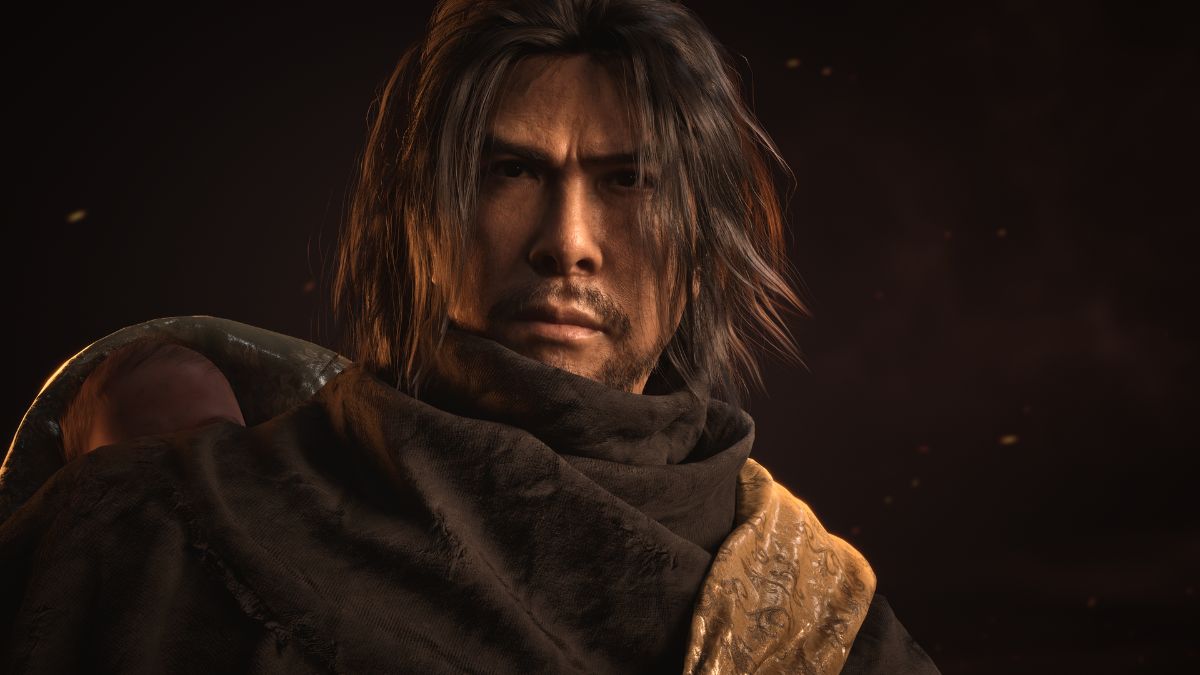
In Phantom Blade Zero, you play as Soul, once the Order’s most feared killer in the Wulin’s underworld. After a duel with his sworn brother, Zuo Shang, leaves his heart pierced and on death’s door, a mysterious healer known as the Flesh Sculptor saves him by replacing his heart with an artificial one.
But now, he’s on a clock with only 66 days to live and, in the process, save pieces of the world from the faceless threat. All while heading to Pangzhen to find his brother and uncovering conspiracies that threaten the foundations of the Wulin and the larger world.
For our time with the game, we started at the very beginning of his journey. We got to meet Zuo Shang and see how different he looks compared to Soul. Where Soul is dark, Zuo Shang’s brightness plays with fantasy expectations of good and evil. Here, it’s not as simple as light and dark, and after hearing how much the game’s creator, S, loves Kentaro Miura’s Berserk, it makes sense.
Soul is embodies Xia, and propels the narrative because of it.
Picking up from the very beginning of Phantom Blade Zero, we experience Soul’s fall and the clock ticking. As we head to Pangzhen, we learn that the Wulin is a martial arts underworld shaped by rival factions and personal loyalties, and this dynamic is ripe for holding secrets and creating enemies. With the Wulin’s warriors gathered in Pangzhen, the town is filled with competing interests and plans that Soul has to navigate.
Throughout the game, we encountered different crane bells that you’re connected to through guiding red threads (a nod to the concept in Eastern folklore that soulmates are connected together through a red thread of fate) that serve the function of saving your game, upgrading your weapons, crafting, and progressing in your skill trees. But sometimes, after large boss battles, the bell left behind is something more; it’s a spot to relive a memory.
Using a blend of Unreal 5 animated cinematics and hand-drawn animation (as good a caliber as any popular donghua), we started to piece together the overarching story, the threat, and Soul’s place in it all. Phantom Blade Zero feels to be as much about mystery as it is about Soul. There is a web that he is navigating, but with only fragments to understand, the image comes together slowly.
While S-Games didn’t share the mechanics behind Phantom Blade Zero’s strict 66-day timeline, the days seemed to progress after you completed major boss milestones in the campaign’s narrative. Unlike the day-night cycle featured in The Blood of Dawnwalker, the countdown here doesn’t seem to force you to choose between finding a hidden boss and fighting it for an hour (yes, I did this) or completing the game’s sidequests and the campaign.
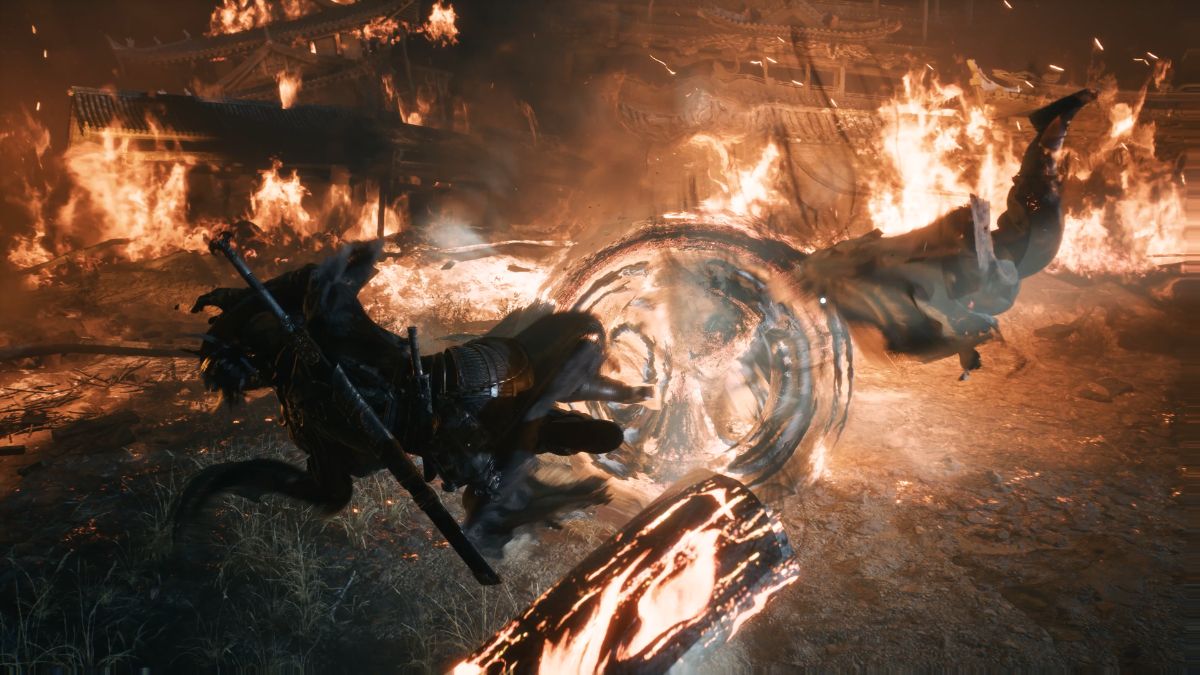
Thick with things to do and explore, Phantom Blade Zero’s protagonist may have limited time, but that clock isn’t really felt by the player. And that’s a plus, given the depth of combat and boss fights I experienced during my brief time with the game. That said, the clock you find yourself in does impact how Soul views and responds to the world, making it a core piece of the narrative.
Ultimately, not being on a literal clock gives the player the chance to explore Phantom Blade Zero. And from the water on the ground to tree canopies and mountain ledges, the world of Phantom Blade Zero is breathtaking. The game’s environmental design is thoughtful, guiding the player’s eyes from the ground to the sky. As you explore areas on your own or through quests, the verticality of the level design is hard to describe.
While S-Games isn’t making a wide-open world à la Crimson Desert, Phantom Blade Zero‘s world never feels entirely linear. In fact, the game’s fast-travel system nods to soulslike map design, encouraging players to backtrack once they’ve acquired certain weapons, learned certain skills, or just want to. Using the bells mentioned above, players can fast travel to past areas with little to no restriction, and ultimately, some of the game’s side quests will even ask you to.
Phantom Blade Zero’s interconnected world design is beyond thoughtful.
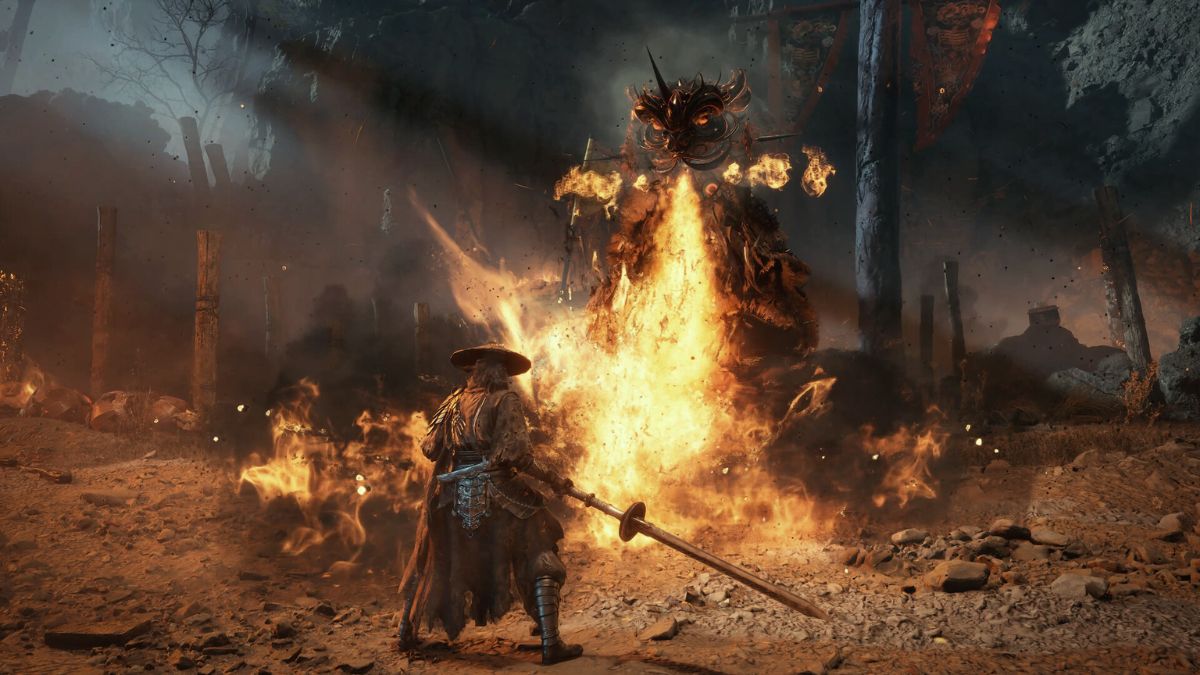
The interconnected nature of the game’s level design allows players to explore at their own pace, giving them choice. With hidden bosses (including one that I desperately want to talk to about because of how beautiful her design is and how brutal her mechanics are), the game’s approach to travel embraces the game’s challenge and just how much finding new weapons (of which there are upwards of 30 options), charms, and Phantom Edge abilities can change your viability against a boss.
While we only got the chance to explore the opening region, it was clear that 100 percent completion of the map would take time. After clearing the main campaign quests, the map remained at around 60 percent completion. Additionally, the map’s hand-painted visuals appear only after you find the bell that unlocks them.
Because of this, the branching side paths that you can find feel closer to the way that Metroidvanias are designed, and this makes the game’s replayability, or initial time investment, high. And that’s what is exciting. But what makes the branching secret paths of each region exciting are the sidequests that you find.
With investigation as a key way to interact with the lore you find in areas or through conversations with NPCs in Phantom Blade Zero, it constantly stokes your curiosity. The embrace of curiosity is also why the game thrives on the agency it gives every player.
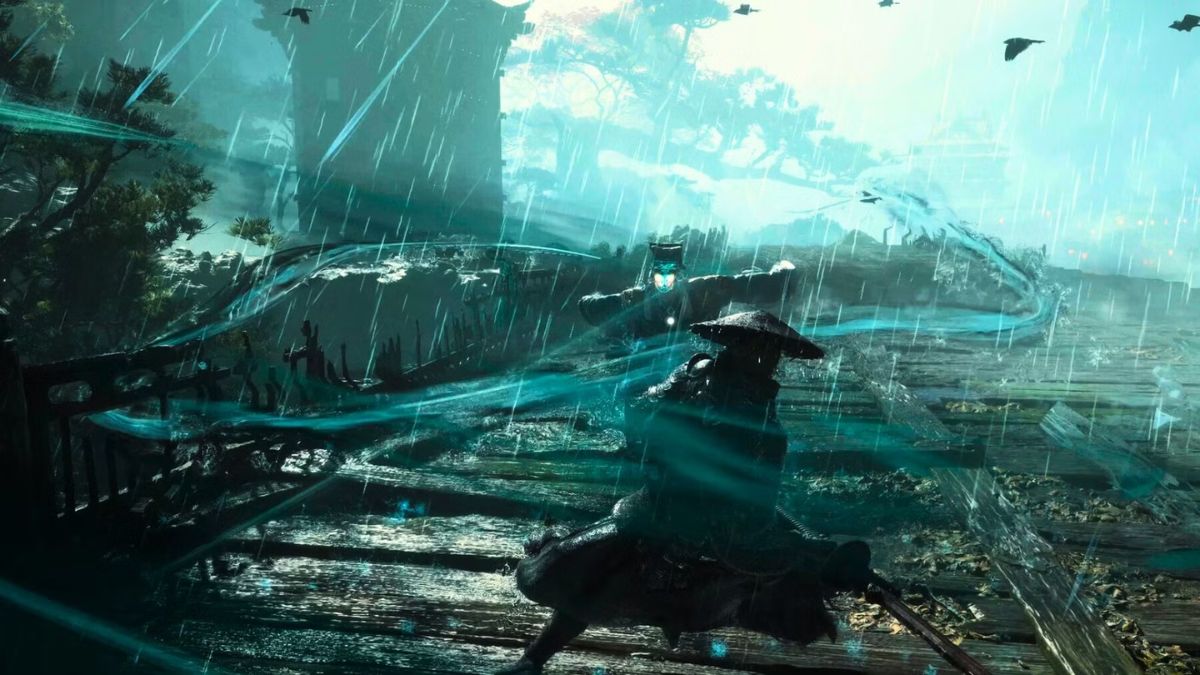
Whether through different builds or different approaches to quest completion, this interconnected world asks players to do more than follow one linear path; ultimately, that freedom of choice creates different core memories, making each playthrough special. The different difficulty levels (Wayfinder, Pathfinder, Hellwalker) let you choose how you meet the game’s challenges, and in New Game+, S-Games shared that you can play with only 66 deaths in their true 66 Days mode, which turns the game into a roguelike-esque experience.
Additionally, curiosity and exploration in the wide world of Phantom Blade Zero are rewarded through sidequests and characters that add substance to the game’s overall narrative. During the game’s Q&A, S explained that the developers’ approach to storytelling meant that they did not write the game’s sidequests to be simple fetch or follow quests.
Instead, each sidequest was designed to add emotional weight to Soul’s choices. An unexpected hero, Phantom Blade Zero isn’t just using wuxia as an aesthetic inspiration or as the backbone of combat. Wuxia, and its fundamental pillars of heroism, are clear in the game, even in my first six hours. For example, Soul is defined by Xia.
The pillar that defines Wuxia heroes, Xia, is a concept that embodies righteousness, and it is the moral backbone of any Wuxia hero. They protect the innocent, fight injustice, and put honor first regardless of what it means for them. You can see this in the main campaign alone, but it really stuck with me when I completed a side quest that gave players a bow-and-arrow-style Phantom Edge.
S-Game’s Phantom Blade Zero is stunningly beautiful from top to bottom.
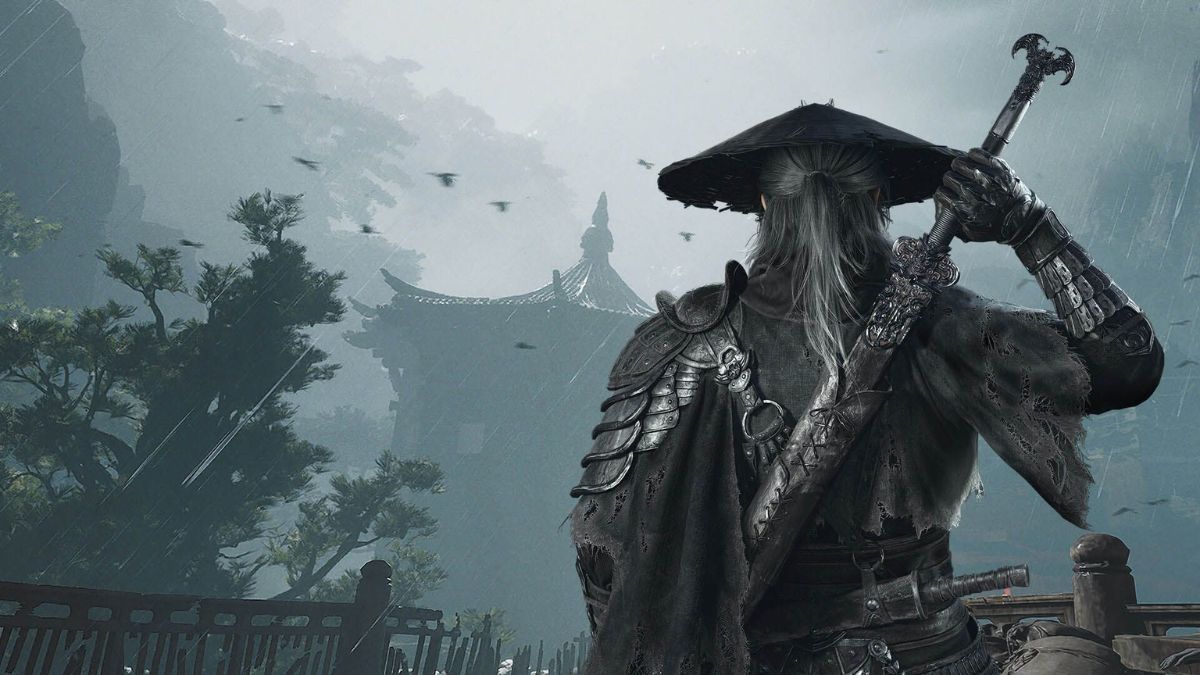
“Take this, and kill those who deserve it,” an old man says after recounting the tragedy of his protege and you complete the quest behind it. It’s a line that captures how the world meets Soul. He is being called on to save the innocent and to fight to save the humanity of those around him. But it’s not a passive act. It’s one that requires thought to honor.
Sure, it could have been a throwaway line, but the emotion it gives the player and how it sets up the promises that Soul is making people, it becomes clear that side quests have value, not just in what they can give you as a player, but in the story they can tell. Phantom Blade Zero’s largest accomplishment so far is how well it’s made a dark fantasy world feel alive, or at the very least look lived-in.
The people you meet and take quests from have heart behind their requests and reveal different elements of Soul in the process. Phantom Blade Zero’s approach to storytelling isn’t about telling you endlessly about a decaying land and the force of darkness that has been creeping in. It’s not focused on exposition as much as it’s focused on interaction. You learn about the world by talking to the people in it.
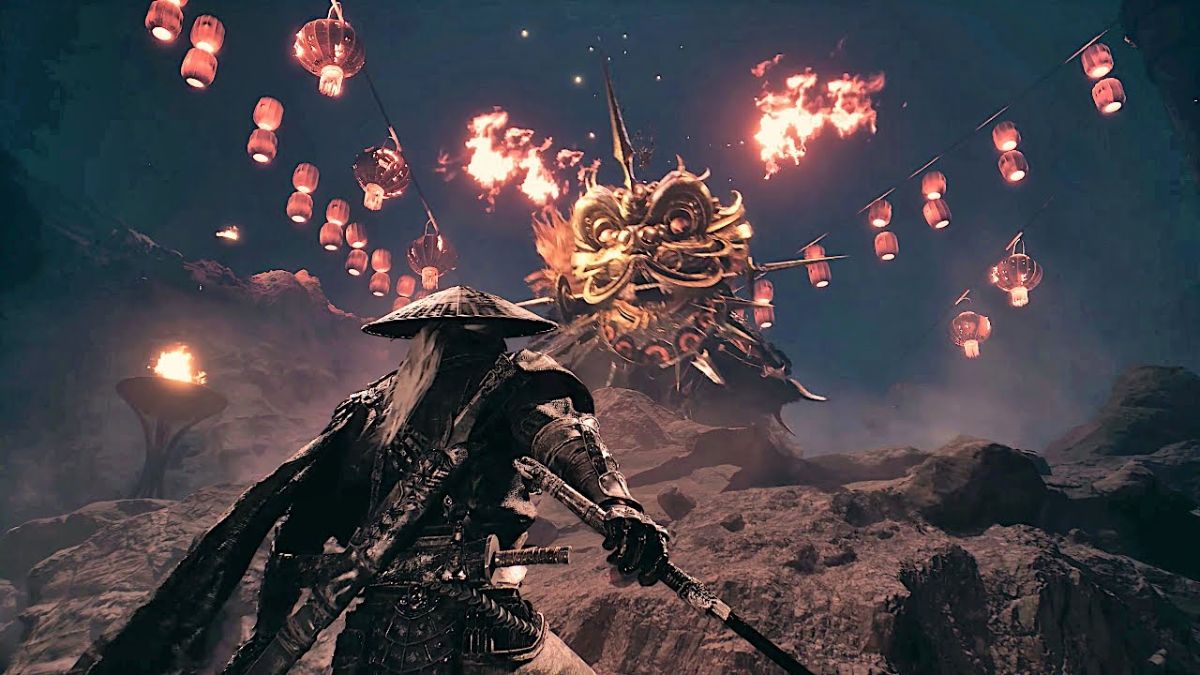
Each character encounter you experience as Soul is crafted to contribute to the world. This was a point that I kept hearing as the developers spoke about their hopes for the story. You see people who have turned their backs on tragedy, those who regret it, the innocent, and those looking to make an impact.
It means that any space you explore has a life that was lived there before you, and that layered lore, even if sometimes convoluted, creates a strong artistic identity. More importantly, it makes everything feel important, even if it’s in the future.
The first thing that you’ll notice is that faces are few and far between in this world. As the darkness takes hold of people and even animals, their faces disappear. Some wear masks, and a face becomes shorthand for safety or conflict. Those without faces have been taken by the darkness that Soul is fighting, and those who haven’t been taken yet are small tokens of the world’s humanity.
Narratively, we’ll have to experience more of the game to see how this concept of humanity and darkness develops narratively. Still, Phantom Blade Zero is already shaping up to be a video game with ample style and emotional weight if every subsequent region is as strong as the one we saw in Chapter One.
Emotional weight is S-Games’ goal from small side-quests to the main campaign’s mission.
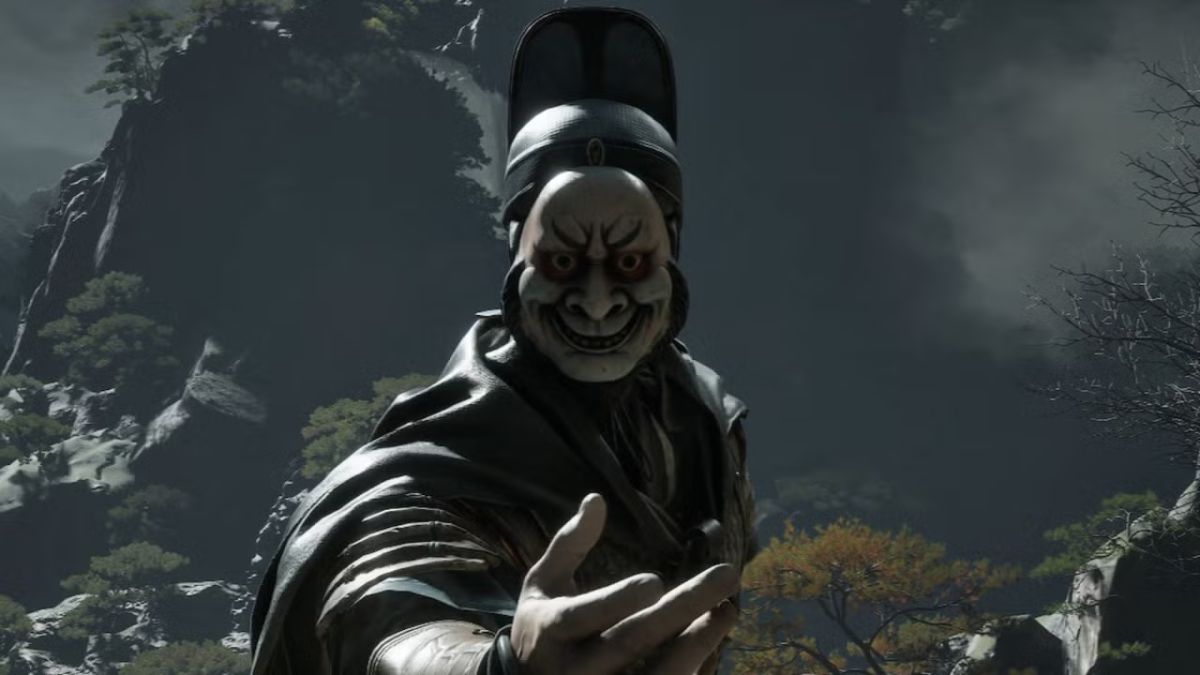
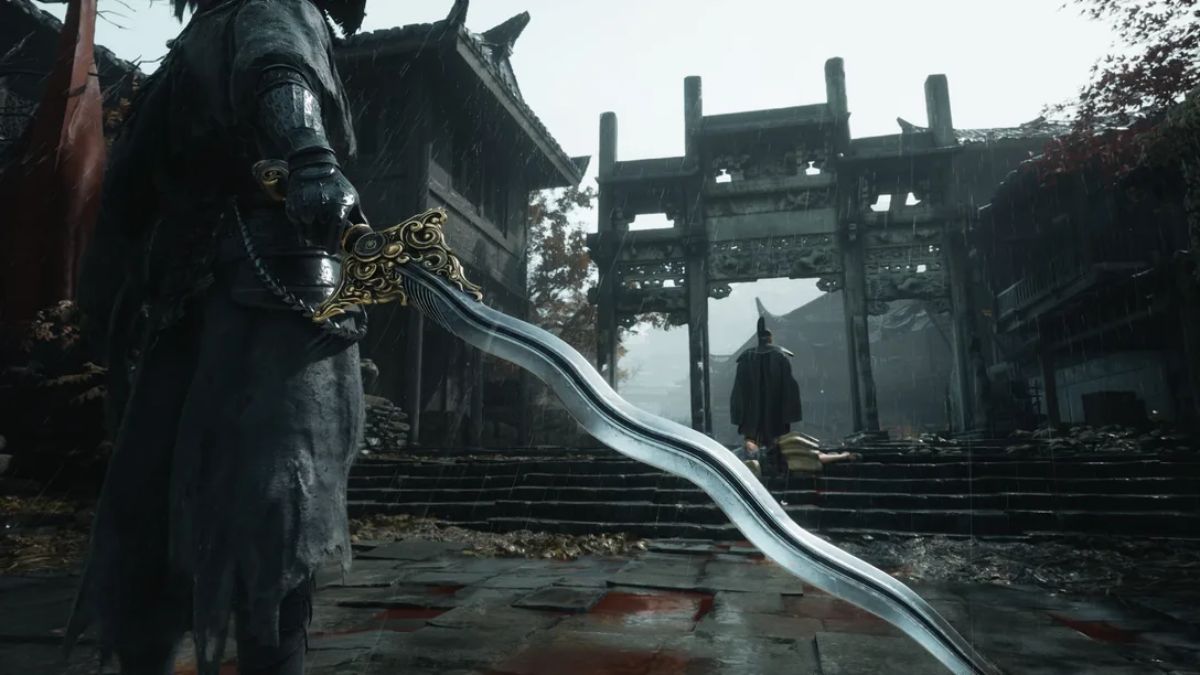
If there was something to latch onto for anyone anticipating the title, it’s Phantom Blade Zero’s combat. Much like the Wuxia films the game’s combat is based on, the action mechanics tell as much of a story as the dialogue does. With kinetic movement, no weapon uses the same animations across wielders or weapons.
With Donnie Yen’s work on the title as a creative partner, one of the last masters of Chinese martial arts and cinema, the dedication to combat animations has few equivalents in gaming. The only competition is NetEase’s live-service title, Where Winds Meet, which is also a wuxia story and features combat animations developed with help from martial arts legends (most recently Yuen Woo-ping). But the two games couldn’t be more different aesthetically.
The dedication to creating good combat included shooting mocap sessions for the game’s animation with every weapon, and more importantly, using both male and female martial artists to get the nuances just right. This is also where the game really comes together in its combat design.
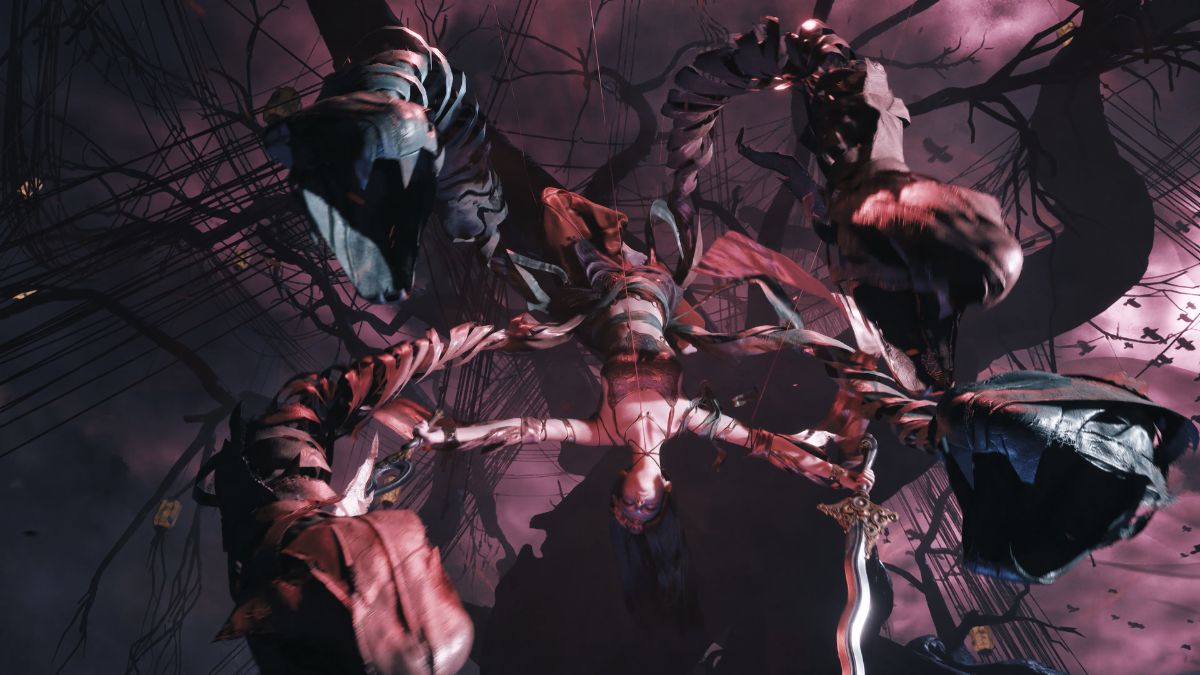
One of the best things about Hong Kong and Chinese wuxia and action cinema is that women aren’t cast to the side. Instead, a long lineage of Chinese women martial artists has brought their craft to film, most notably Michelle Yeoh. Here, the focus on the nuances of movement and weight distribution with weaponry speaks to how S-Games views action. It’s not just combat; it’s storytelling.
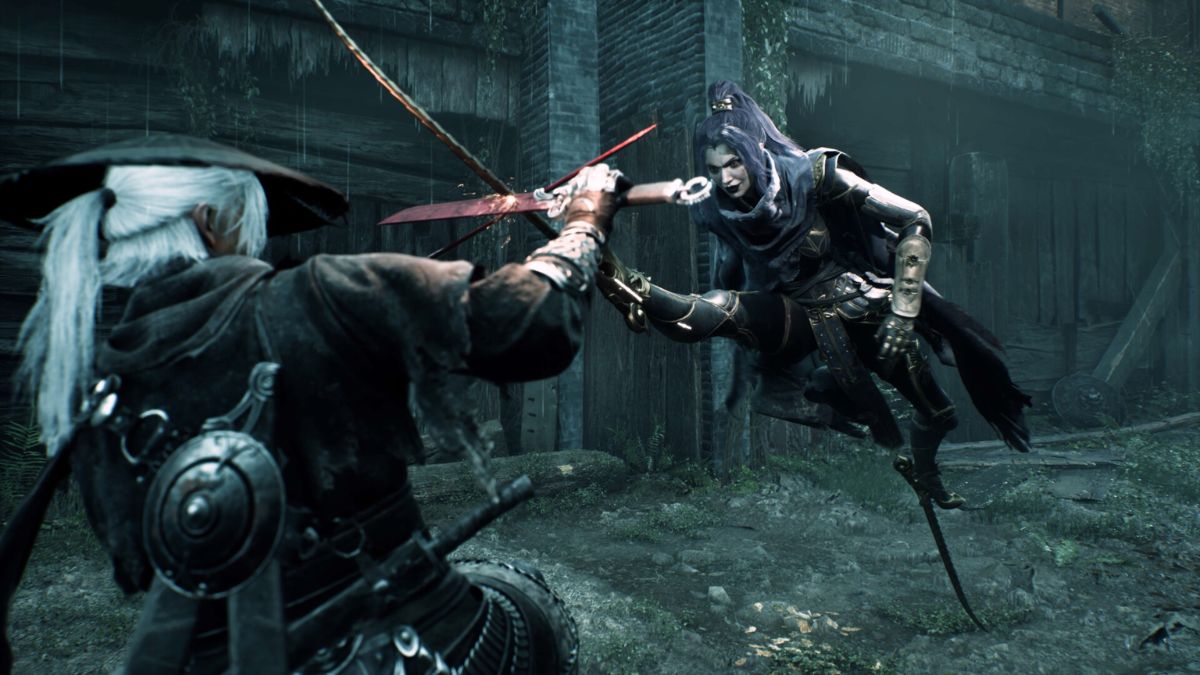
Additionally, the character designs for every boss and major NPC that you encounter are distinctive and interesting in their own right. From Chapter One to the boss runs later in the game, the diversity of boss types, mechanics, and weaponry keeps you on your toes. I got to fight two female bosses and use one of their weapons as my own.
The way I moved as Soul (a male character) differed from how they moved with the weapon. It’s a small adjustment with a big impact, especially for fans of action cinema and, more specifically, wuxia. Additionally, the variation of body type and costuming among the women bosses was something exciting to see.
Phantom Blade Zero’s attention to detail in character design and execution is among the most varied I’ve seen from a Chinese studio, especially in how it portrays the women in the game. Though time will tell just how varied the characters are once the game releases.
In the same way Chinese action cinema is filled with fierce women, Phantom Blade Zero just might be too.
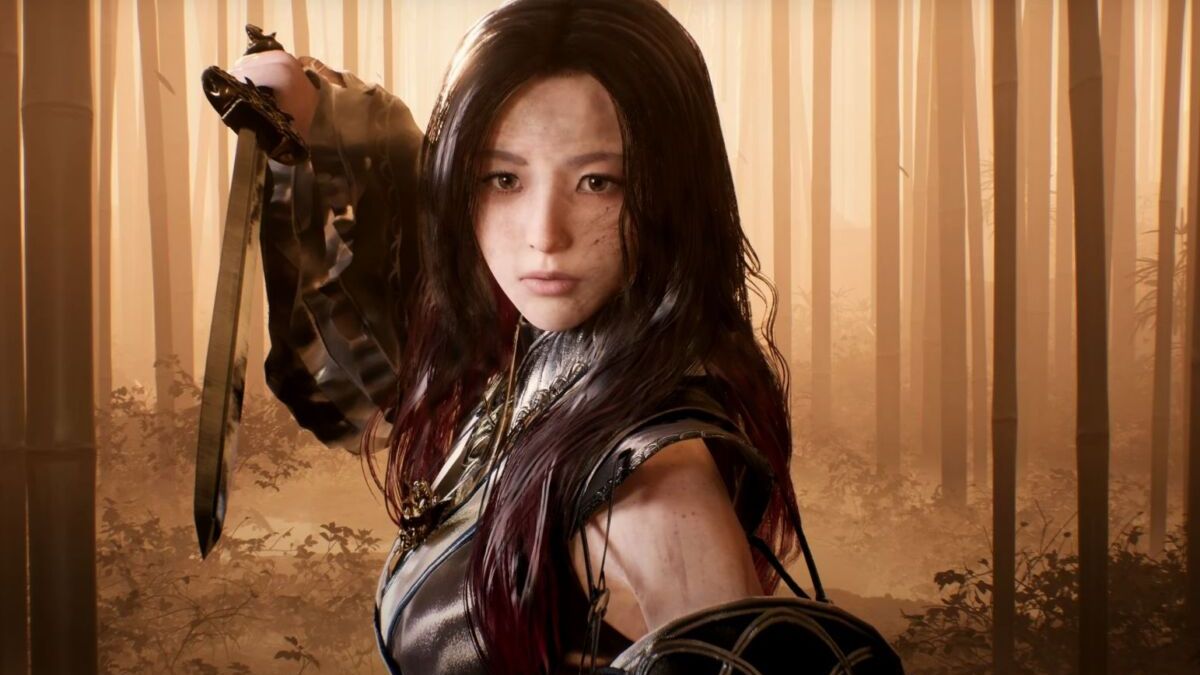
S-Games has defined Phantom Blade Zero’s style as kungfupunk. By their definition, “Kungfupunk is our approach to reimagining Wuxia for a contemporary audience. Chinese martial arts, folklore, and the beliefs that shape its warriors form the foundation, combined with influences from modern action cinema, anime, games, steampunk, and cyberpunk.”
After my time with the game, it’s clear how much S-Games looked to the wuxia greats, but also how much they aimed to add to their legacy, not replicate it. Some sequences will remind players of Zhang Yimou’s work, particularly the Jet Li-fronted Hero. But pop culture references don’t overwhelm the player; instead, Phantom Blade Zero reads as a larger love letter to its influences, pulled together by a group of people eager to tell their own story.
The cinematic qualities the game has during boss battles never overshadow the combat mechanics themselves. Across our time with the game during the media event, we progressed through different bosses and story beats that grew in difficulty. We collected new weapons across many encounters and experienced multiple bosses with different stages that push players to manage resources like health and stamina, and to decide when to use Phantom Edges, a special ability tied to a weapon.
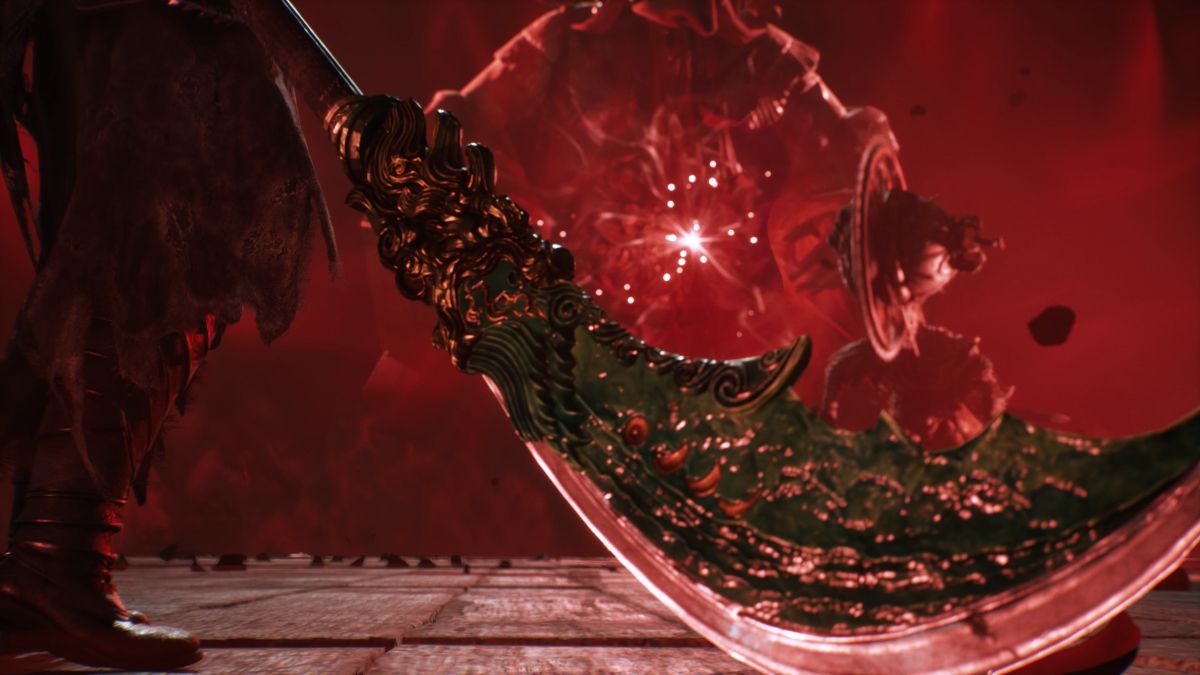
In combat, players have two weapons, two Phantom Edge abilities, and charm slots. The latter of these is used to equip different items with buffs that impact play. You can use it to increase damage, increase parry window, reduce elemental damage, increase health, and the like.
That said, each weapon and Phantom Edge also offers players different advantages as you level them up and as you progress in your skill tree using the remnant dust that you collect by picking up pieces of lore or interacting with shiny spots on the map, often guarded by enemies.
Progress in Phantom Blade Zero is a layered process that prompts the player to treat their build as malleable to meet the challenge in front of them. Remnant Dust is the core to making any upgrade in the game, forcing players to make the choice between updating core character tree abilities, upgrading weapons, and other equipment.
Offense and defense happen at the same time, and that makes combat delicious.
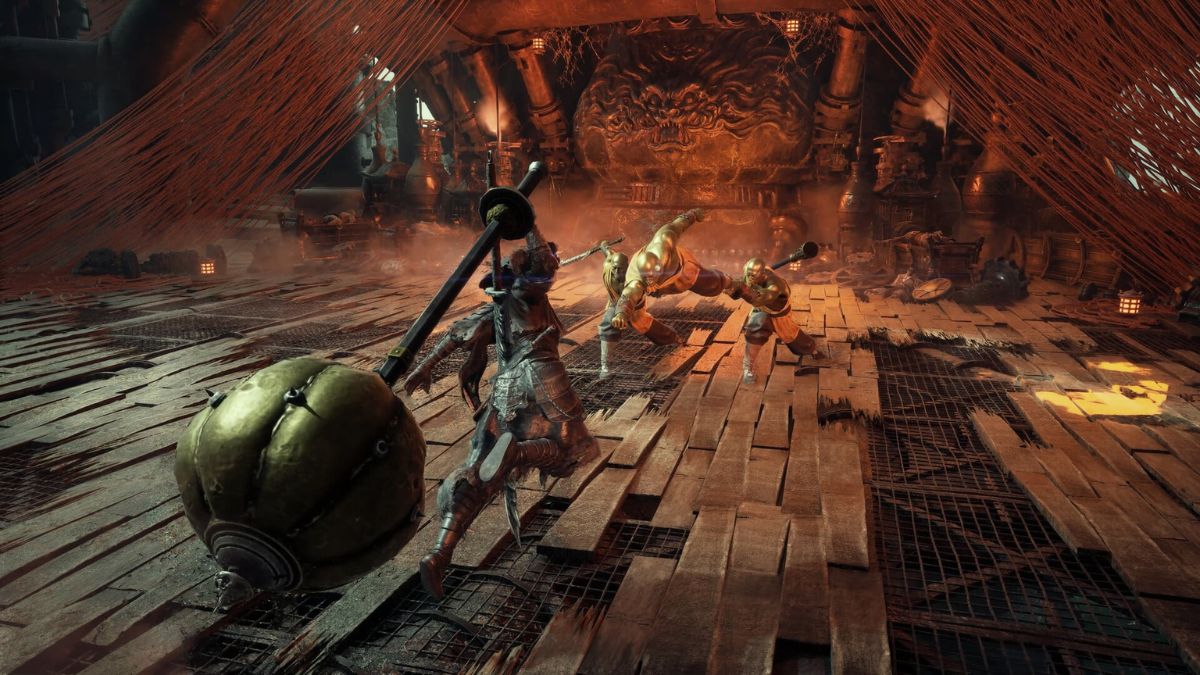
But while the nuts and bolts of what you use in combat offer players ample creativity, the game also asks the player to rethink how we view combat entirely. In other action RPGs, offensive and defensive inputs happen at different times. You parry, then make another input to attack after you release the block. Dodging and parrying are separate acts with input delayed between the two.
However, Phantom Blade Zero instead uses the traditional concept in Chinese martial arts, where offense and defense happen at the same time. The delay between parrying, dodging, blocking, or attacking is so slim that it feels like you’re doing both at the exact same time. While some bosses require parrying to get through certain phases, others you can compensate for with perfect dodging instead.
Additionally, the seamless way that you move from doing both into attacking makes the combat easy to pick up. While still difficult to master, Phantom Blade Zero offers complexity and creativity whenever you engage in combat. It invites you to think about combat as one action, not broken down into individual bits, but something fluid, well, like water.
That fluid combat design made every weapon feel interesting, different, and ultimately inspired me to keep trying everything new that I could find, alternating between them frequently. It’s important to say that this is not a soulslike; it’s an action RPG.
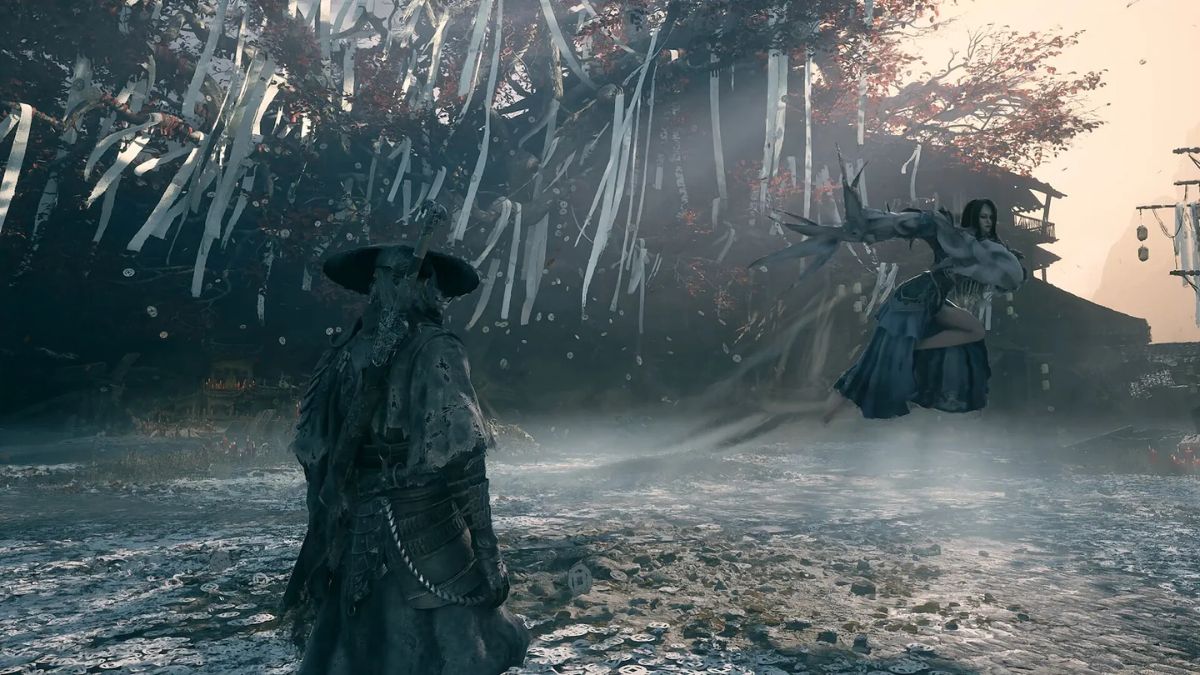
Some systems are clearly inspired by the genre popularized by FromSoftware (even with some overt nods to that studio’s titles). Ultimately though, the distinction comes from multiple angles, but the strongest is combat. Learning to think both defensively and offensively is a skill you start to pick up once it clicks somewhere after the first true boss fight.
In execution, the game’s combat mechanics never stop pushing the player to learn something new about how their weapons and abilities work. As new elements reveal themselves, you can become more lethal, and you can also turn others’ force against them. Understanding the game’s combat mechanics allows you to use them to the point that the wooden sword that you have at the beginning of the game can be used as a viable weapon as well. But that will take a significant bit of skill.
Phantom Blade Zero has taken S-Games 15 years to develop, and all of that work has paid off so far. With six hours of playtime from the start, it’s easy to fall in love. What had even more impact is that the openness of Phantom Blade Zero’s exploration means that none of the other press that I spoke with had the same experience. From narrative to combat and worldbuilding, S-Games has undertaken an ambitious project.
That ambition has created an immersive experience unlike anything I’ve played so far, while still capturing some of the greatest hits from its inspirations. The game’s very specific Chinese lens is also presenting a universal connection with audiences through good combat design and, ultimately, characters and dialogue that carry weight.
Phantom Blade Zero is ambitious, beautiful, and all that I can think about since playing.
Players with experience with and a love for wuxia will find plenty to love, and can draw on their action-cinema experience to get even more out of some of the game’s battles. But ultimately, this is a game that doesn’t require homework, but instead is just asking you to fall in love with wuxia and its themes.
Undeniably Chinese, S-Games has created an action RPG that leverages folklore and cultural specificity as its biggest strength. With so few titles releasing globally that lean this hard into China’s cinematic history and thousands of years of storytelling, Phantom Blade Zero is a boon.
Ne Zha II took pop culture by storm, showing audiences the beauty and depth of Chinese mythology while also becoming the best-performing animated film of all time. Now, I can see how Phantom Blade Zero can cross over to global audiences with an undeniable style and story that captures that same spark, only for the video game industry. It’s thanks to its beauty, combat, and choice to lean into wuxia philosophy, storytelling, and action.
Time will tell if Phantom Blade Zero will compete in Game of the Year conversations. But if I had to guess, it’ll give every other big title a run for its money. For me, after just six hours, it’s already all I can think about until I get to play again. Each new battle, each new conversation, shows why this title is already primed to take over your schedule and your end-of-year greatest hits list.
Phantom Blade Zero is set to release on October 29, 2026, on PlayStation 5 and PC.