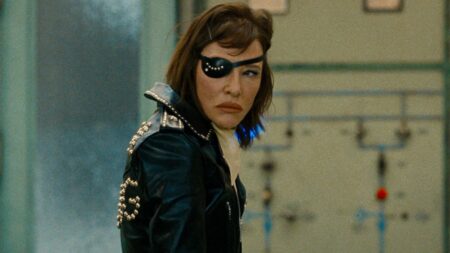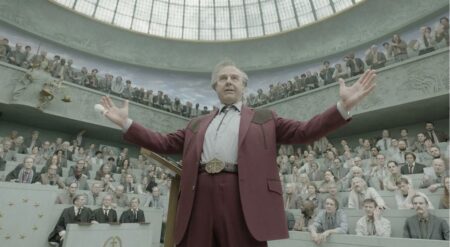


Motor City is an Alan Ritchson-fronted action film set in 1977. With very little dialogue, the film’s core focus is on situational setup and a score featuring some of the top songs of the 1970s to define the atmosphere and narrative shifts across the film’s three acts.
With a stacked cast of Alan Ritchson, Shailene Woodley, Ben Foster, Pablo Schreiber, Ben McKenzie, Lionel Boyce, Amar Chadha-Patel, and Rafael Cebrián as Athos, Motor City is looking to capture a time period. Whether it’s the sound, action, or other sepia-hued bits, the film does what it can to drop you into 1977 Detroit.
Motor City casts Ritchson as Vietnam War veteran and factory worker John Miller. Having completed probation, he proposes to his girlfriend Sophia (Shailene Woodley). But their life isn’t all roses, since John rescued Sophia from Detroit’s drug-trafficking mobster Reynolds (Ben Foster), who is also her abusive ex-boyfriend.
Motor City captures the sound and action of 1977.
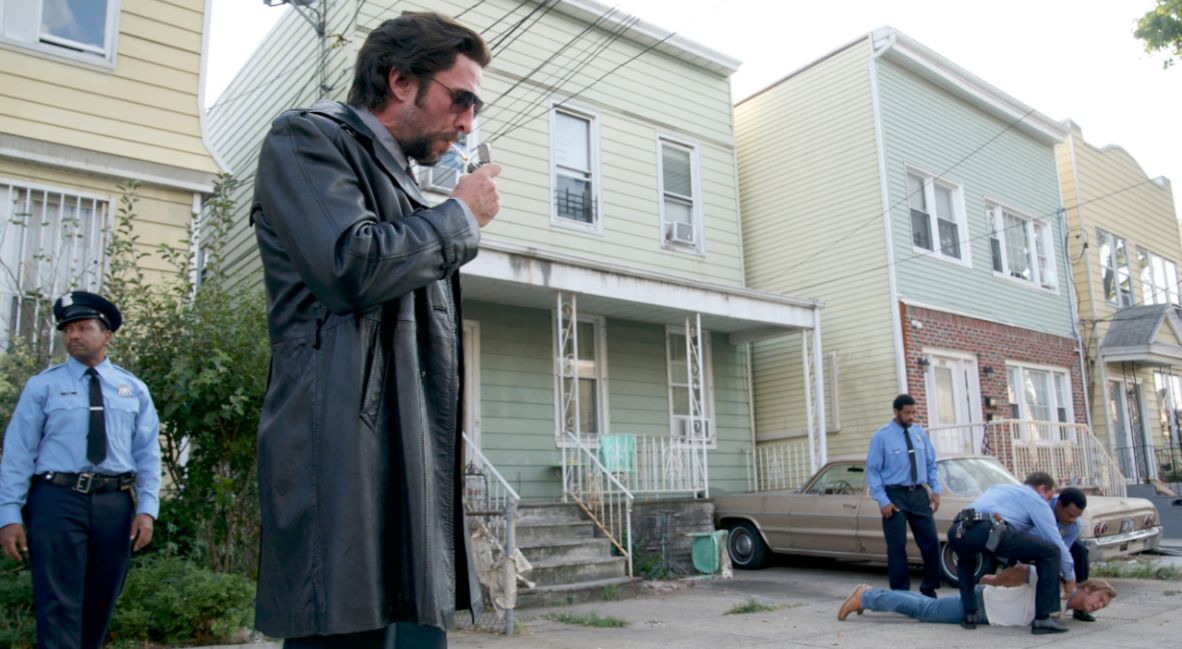
Like many powerful men with no conscience and endless money, a jealous Reynolds uses the corrupt police officer, Savick (Pablo Schreiber), to plant drugs in John’s car that lands him in jail instead of at the altar. Even though Savick’s fellow detective, Kent (Ben McKenzie), grows suspicious, John is still sentenced to 25 years in prison, leaving Sophia alone and as prey for Reynolds to swoop up.
What follows in Motor City is a story of revenge that spans decades. Where death and mistakes pile up, even when John is able to escape prison, Reynolds attempts to ruin his life behind bars.
While Reynolds makes sure that John has no life to return to, John’s former squadmates Youngblood (Lionel Boyce) and Singh (Amar Chadha-Patel) break John out of prison. What comes next is John’s path of revenge, culminating in final confrontations totaling nearly 20 minutes of non-stop action as the film approaches its finale.
Once we enter the film’s third act, John’s scorched earth approach is something to revel in. John and his friends arm themselves with homemade munitions, explosives, and improvised shotgun shells loaded with coins, with a special one prepared just for Reynolds, which adds the right angle of grit to the on-screen action.
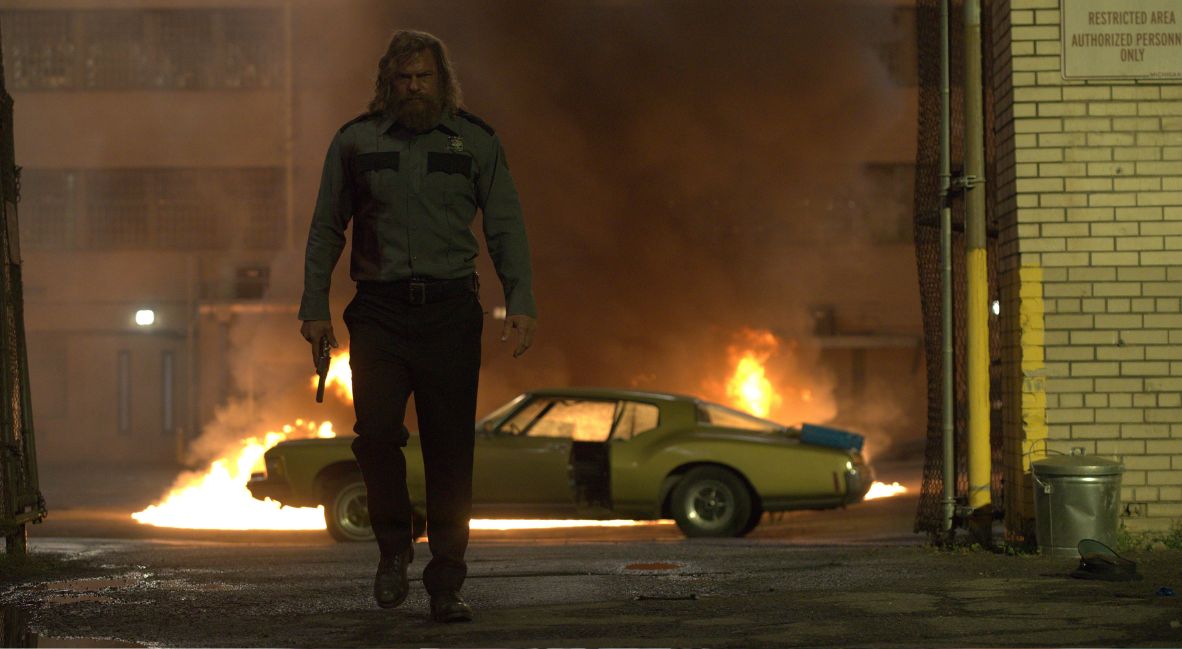
Additionally, Motor City’s dedication to the craft is on display, as the ingenuity of each character in the fight sequences stands out as they become more desperate and must respond to every situational choice, especially in close quarters. The three brothers-in-arms storm Reynolds’s warehouse and massacre his men in an action sequence that kicks off the height of the film.
It’s bloody, brutal, and pays off on the hour-plus of silent characters figuring things out. The prison escape in the middle of the film is one piece of the action that Motor City has to offer, and it only gets more intense from there as the film brings everything home and delivers the end to John’s revenge.
Motor City’s greatest moments stem from its engagement with the action cinema of the 70s, stretching John’s revenge across decades. The attention to detail in this period piece works from top to bottom and, more often than not, makes Alan Ritchson (Hollywood’s defining big man) look right at home in the period. This is carried through in production design, score, and costuming, and, most importantly, in the brawling nature of much of the film’s action sequences.
Alan Ritchson is a true action hero, regardless of the dialogue attached.
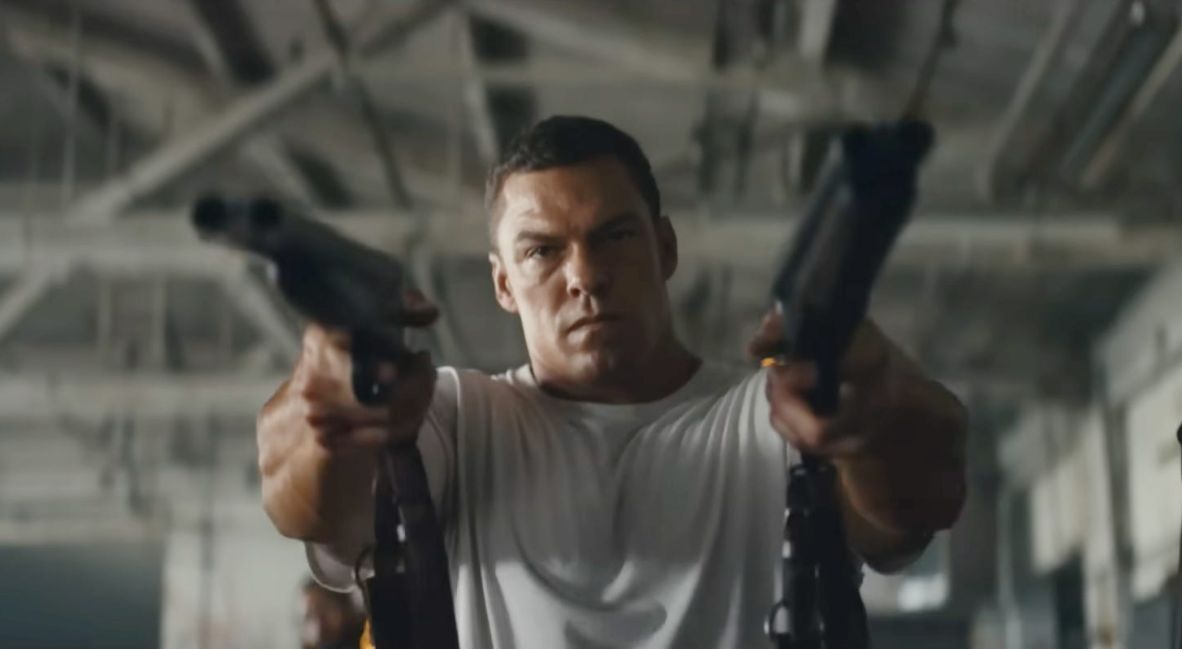
The grime attached to Motor City is essential to painting its story of anger and revenge with the same paintbrush that defined the decade with films like Rolling Thunder, Taxi Driver, and Dog Day Afternoon. That said, the film’s more visceral moments rely on its action and actors to deliver without dialogue. And that only rarely comes to fruition outside the action set pieces and climactic moments in which a character dies or is imprisoned.
If anything, Alan Ritchson’s performance in Motor City does more to establish him as core to action at this point in time. Not just because of how well he executes the flashier sequences, but because of his ability to carry a scene without a word. But that’s key to the men who find themselves enshrined in action’s pantheon.
It’s the ability to do a lot with your body and to not shy away from scripts or moments that leave an actor nowhere to hide. And, in Motor City, there is nowhere for any of its actors to hide, which leaves them all laid bare. Only not all of them rise to the challenge.
Motor City’s actors may not rise to the emotional demands of the role, but it always delivers on the action.

The problem with Motor City’s approach to storytelling is built on the back of recognizable songs of the time period. With little to no dialogue, it has to straddle the line between artistic choice and gimmick. Unfortunately, with a cast that can’t always convey emotions in silence, the film’s female lead, Shailene Woodley, primarily leaves its lack of dialogue feeling like a commitment to a bit the cast hasn’t all agreed to do.
While some excel in their roles, like Alan Ritchson, Pablo Schreiber, or even Amar Chadha-Patel, others like Woodley end up, well, wooden. When characters don’t have much to work with, they wilt easily. And that makes the film’s wonderful fight sequences feel like something you want to fast-forward to, rather than a piece of the narrative bolstered by the rest of the film’s choices.
Motor City isn’t the first action film to rely on bodies over speech. While Chad Stahelski’s John Wick features dialogue, Keanu Reeves, as the titular character, rarely speaks and mostly sticks to one-liners throughout the four-film franchise. While I commend Motor City’s attempt to do a lot with little in the way of spoken word, the end result winds up feeling more like “the sounds of the 70s” for the first half of the film.
Still, while Motor City may not always have the acting chops to make its first act work, its action is astounding at times. While emoting consistently throughout the film’s silent sequences does carry a heavy weight, the skill that both Ritchson and Schreiber bring to their physical performance is palpable. Their faces contort, their bodies respond; it’s a reminder of how much storytelling can happen just when violence erupts.
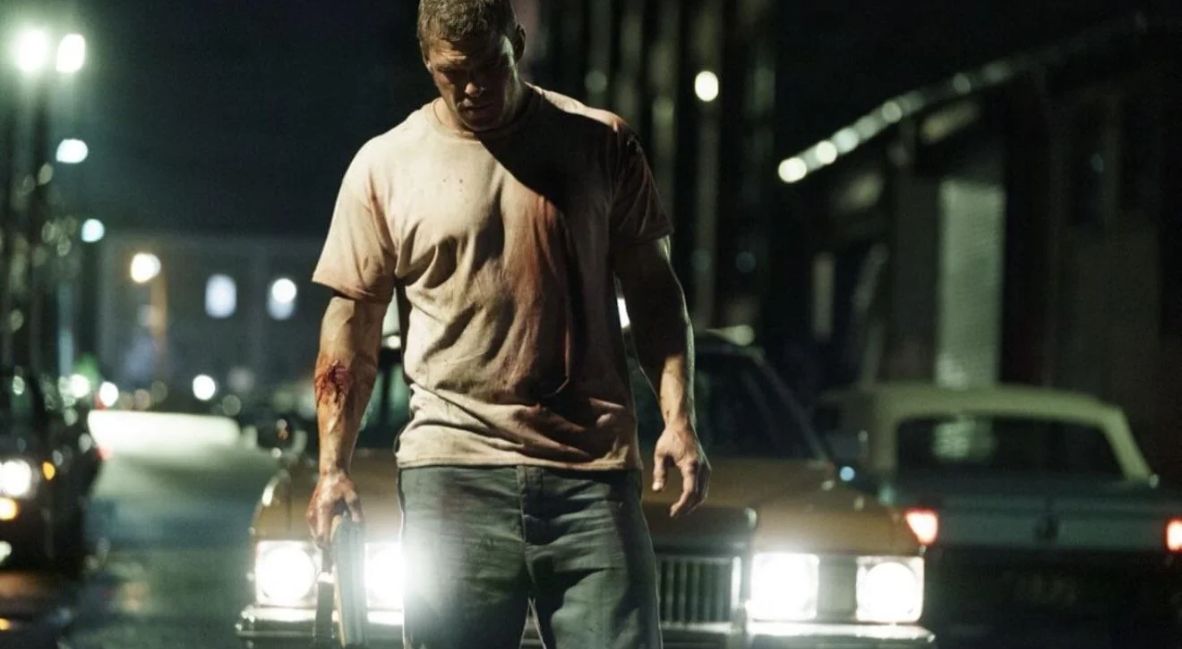
The pacing lets this film down, as does its odd choice to go silent. Yet, the nostalgic quality of the violence on screen in the films of an often-forgotten era of action and thriller highs pulls this film through.
The violent escalation toward the film’s confusion that involves blood, dismemberment, a flipping car, a body thrown off of a building, and so much more is the way to make even the most frustrated audience (of which I found myself in the film’s beginning) clap when the credits roll.
To recommend the film, the audience you’re speaking to must be a child of action cinema or the films of the 1970s. It’s where you find most of Motor City’s accomplishments, and what makes it a film worth finishing rather than checking out during the second act.
A lot of this could have been solved by increasing the pacing of the film’s narrative or by shortening the film by 10 minutes. Too little happens to move the audience undeterred through the story until the bullets start flying and the action hits. That said, the film stands as one of the few pure action films of 2026, and the caliber of the fight sequences, matched with Alan Ritchson’s command in every scene, makes Motor City worth a watch. However, Motor City will find a place in an action-loving heart in spite of its gimmick, not because of it.
Motor City is playing now in select theaters.
Motor City (2026)
-
Rating - 7/107/10
TL;DR
To recommend the film, the audience you’re speaking to must be a child of action cinema or the films of the 1970s. It’s where you find most of Motor City’s accomplishments, and what makes it a film worth finishing rather than checking out during the second act.