
This interview is lightly edited for length and clarity.
In an age of AI, LAIKA Studio’s stop-motion masterpiece Wildwood stands out for its incredibly intricate, handmade beauty and wonder. We spoke with some of the craftspeople behind the movie about why and how they made it possible, including 6-time Oscar-nominated Cinematographer Caleb Deschanel; Head of Animation Brad Schiff; Costume Designer Deb Cook; and Head of Characters and Practical FX Oliver Jones.
Wildwood proudly wears the label “handmade by people in Portland, Oregon,” the same city, by chance, that its characters, Prue and Curtis, leave to enter its magical world of talking animals and rivaling communities. “With AI taking over from human beings, there’s something about the fact that when you make something by hand, whether it’s a piece of furniture or clothing or whatever, there’s a certain quality to it that doesn’t feel machine-made,” Cinematographer Caleb Deschanel explained.
“We’ve always kind of leaned into the handmade,” Head of Characters and Practical FX Oliver Jones picked up. “[When] we started this movie a long time ago, AI wasn’t being spoken about with such consistency. But we’ve been really consistent with the way we’ve approached movies. Film is really about empathy. It’s about stories, and that’s something that I don’t believe you can get from AI or from a machine. That’s where we stand apart in the current landscape.”
According to the LAIKA team, AI can’t stop great human-made art from being made.
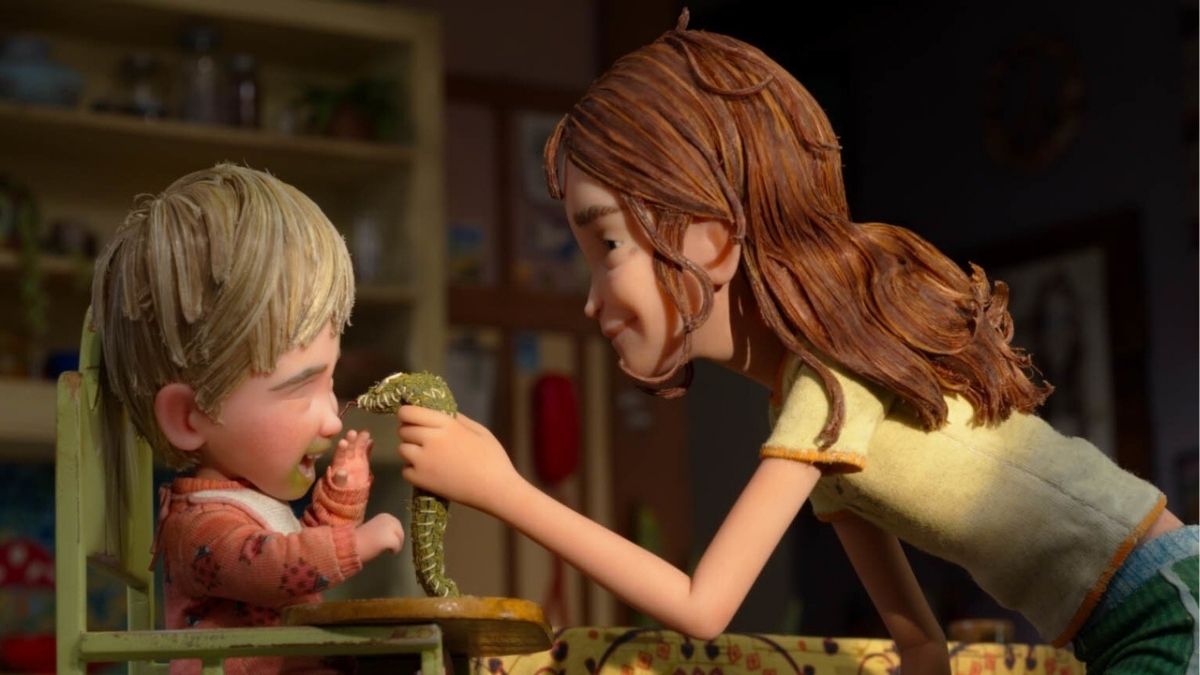
“[People have to] go in and move [the models] a small part at a time,” Deschanel spoke on behalf of Wildwood’s animators. “And as they’re animating, they’re feeling those emotions. They’re bringing them to life in the same way an actor brings their character to life, if they’re performing on stage or in front of the camera. There’s a certain serendipity and surprise that you get out of something that’s handmade.”
Costume Designer Deb Cook was adamant that “When you look at [AI] in comparison, it’s just this amorphous gathering of things on the surface. It’s just not convincing or relatable.” On the other hand, she feels that while “There’s a current threat from AI, it’s very much a talking point. There are always new technologies and new things coming along that people might perceive as a threat. But I think we [at LAIKA] stand by quite strongly that we make everything by hand. [It makes Wildwood] human and relatable.”
Jones connected Wildwood and LAIKA’s craftwork to our humanity. “We’ve always leaned into the handmade. We’ve always made sure that there is a [lived-in] reality. There’s real textures. There’s fabrics. There’s silicon. There’s steel. That’s all on the screen, [because] we want to make a connection to an audience as filmmakers.
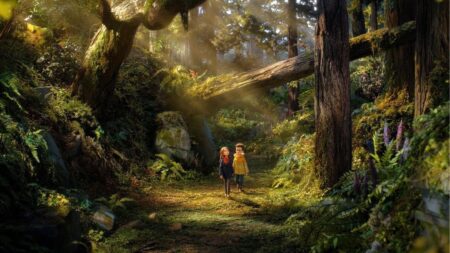
Wildwood is designed to feel naturalistic in its magical world.
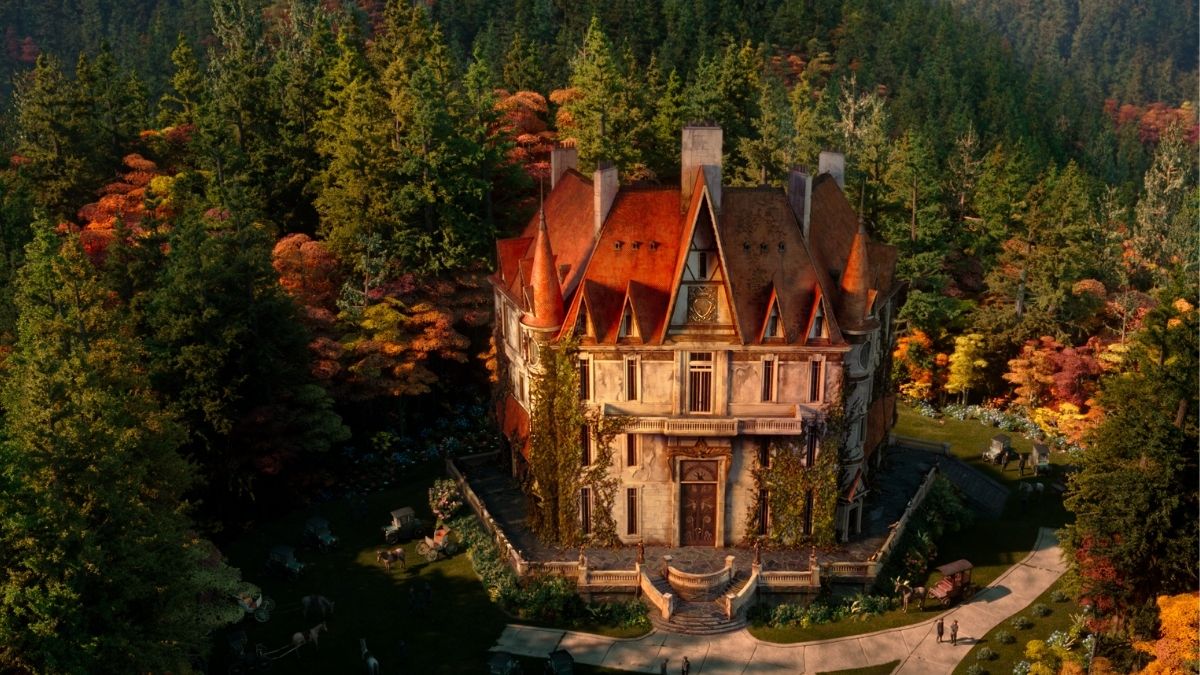
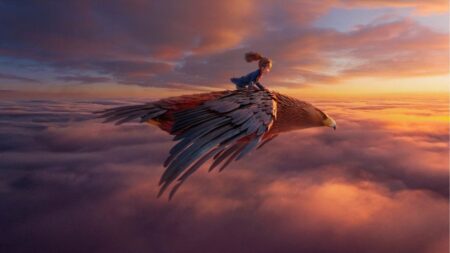
Among LAIKA’s films, Wildwood is its most human, even though it’s filled with talking animals and magical forests. This is thanks to character designs that are more lifelike than the studio’s typical embellished ratios and exaggerated figures. The artists made that choice intentionally.
Head of Animation Brad Schiff started by explaining that “To get these authentic performances that the audience will hopefully relate to and resonate with, we wanted [the characters] to feel more human than we’ve ever done before. The proportions certainly help that. They feel more alive.”
Schiff also believes that “Wildwood has performances that are so subtle and naturalistic and emotional that you forget that you’re watching puppets. Part of that has to do with the proportions of them.” Jones agreed, adding, “We have like a fantastical world, right? [With] talking animals, you need a way in that is more recognizable and more naturalistic. Because if you’re being challenged too much by those designs, if those proportions are too stretched, it would be a distraction from the journey that you’re going on with Prue.”
It’s LAIKA’s unique blend of VFX and practical magic that made Wildwood possible.
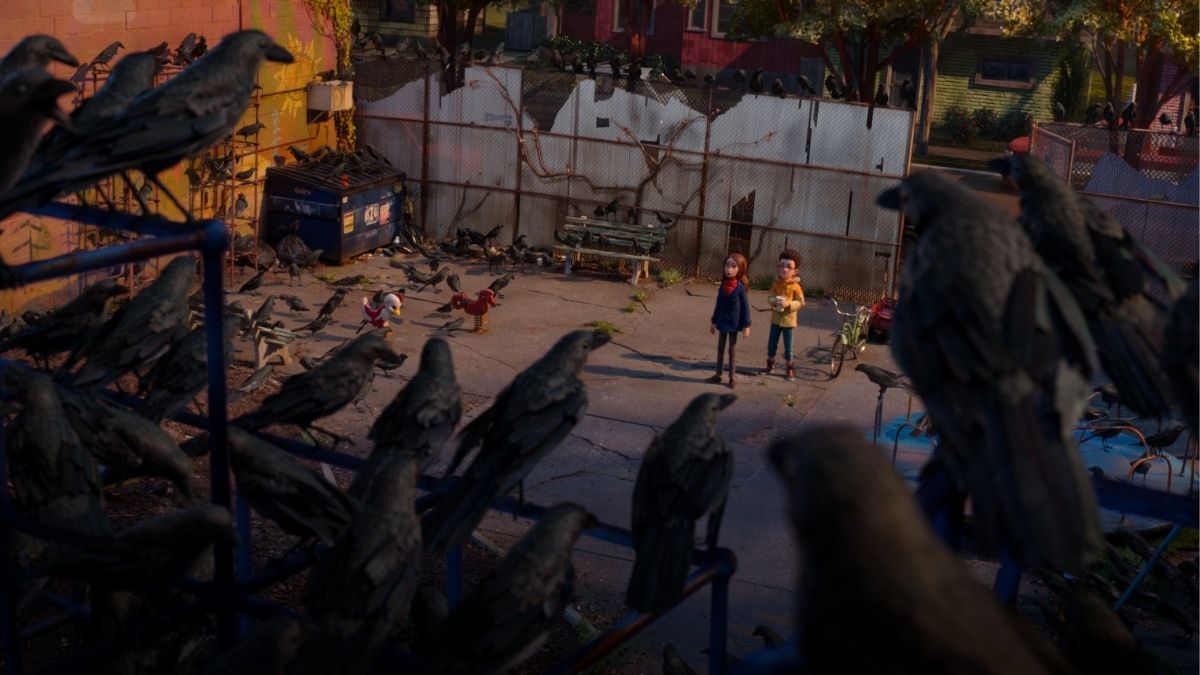
And what an incredible journey it is. Wildwood represents 16 years of hard work and dedication from a phenomenal team of creatives. It’s the most ambitious stop-motion film ever attempted, and it shows in how miraculous the scale feels.
Schiff described what it feels like working in stop-motion. “There’s such a tactility to stop-motion. There’s a Japanese term, wabi sabi, which means beauty and imperfection. That’s what stop motion is. Even though [Wildwood is] as beautiful as it’s ever been done in the medium, it’s still done by hand. So you know the arcs aren’t perfect. You know the curves are inconsistent. And even though it looks smooth, you can feel that tactility, and it’s [still] never going to be perfect.”
“We’re all making small things,” Jones pointed out, “And [that’s] a contradiction, [because] the studio is massive. There’s [maybe] 110 stages happening at the same time, but when we came to think about the characters, the coyotes were a good example. We started thinking, ‘Okay, we’re going to need to make an army of 1000s of coyotes, but we want there to be an authenticity and a realism to the stop-motion world.'”
It’s LAIKA’s unique blend of VFX and practical magic that made it possible for Wildwood to have some of animation’s most impressive crowd scenes ever. Jones went into detail, saying, “We brought our VFX team in really early into the process, and we authored all the furs and the hairs using procedural Houdini technology. That enabled us to have the same origin point both when we produce something practically as when we did digitally, while making sure that there’s a real harmony and a real believability to the illusion of these characters in both these materials.”
Every last bit of Wildwood is magic.
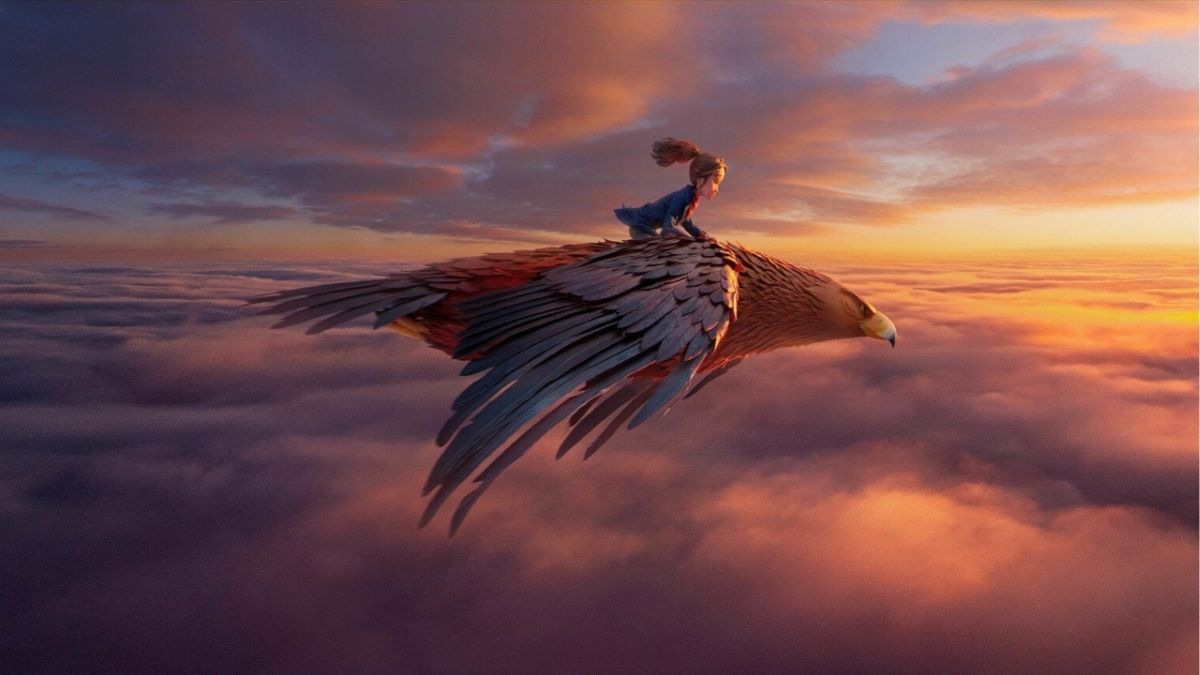
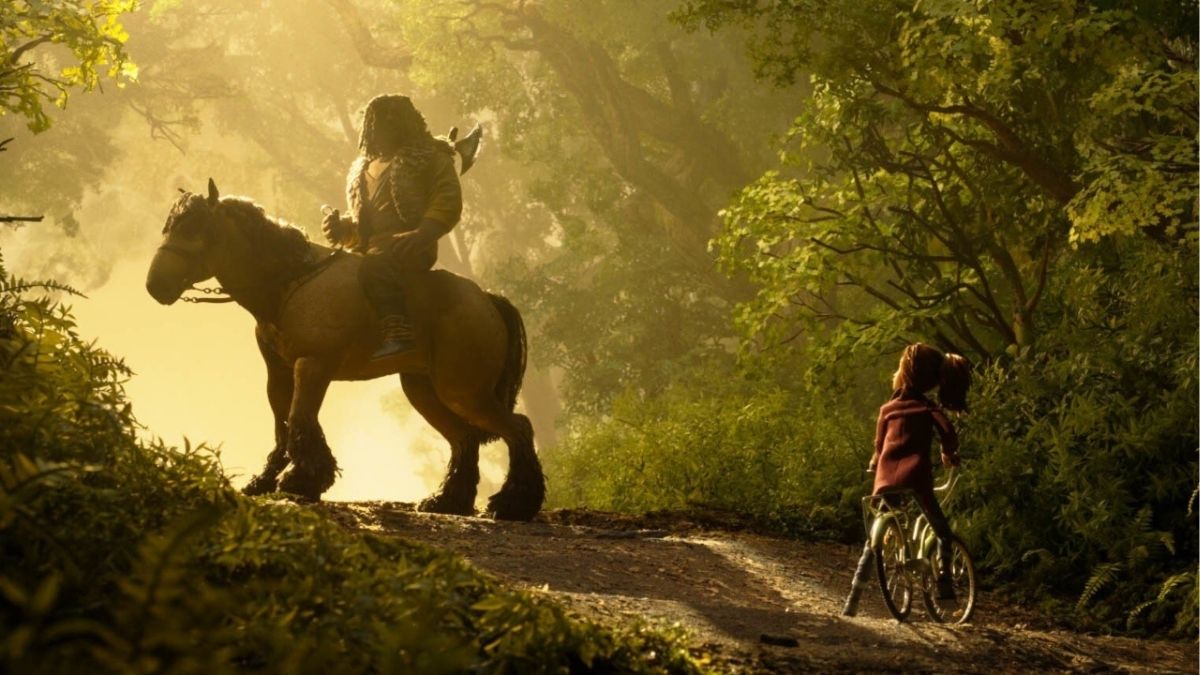
Ultimately, making Wildwood feel real was a labor of love for everyone involved. “I loved the tower room,” shared Deschanel. “The forest sets were amazing. It seems simple to make a forest, but it’s not. It’s not simple to make it feel realistic and accurate. It was [key] to not have it so thick that you couldn’t get light through it. [We had to work to] get the amount of trees and leaves to get the kind of dapple that you were looking for.”
For Schiff, it was the impressive work of the animators, millimeter by millimeter, that made the magic happen. “The subtle animation the animators could do, the quiet moments. I always gravitate to the moment between Prue and her dad. There’s two kind of reciprocal moments [with their hands]. They’re hands that are this big. I just loved [the magic] we were able to get out of those little, little hands.”
Every last bit of Wildwood is magic, and it’s clear that the people who made that magic poured a ton of love into making it possible. In a time where human-made art is being devalued, Wildwood and its artisans are a reminder that great art is absolutely still being made.
Wildwood is playing now in theaters everywhere.