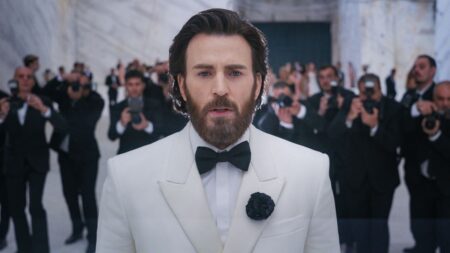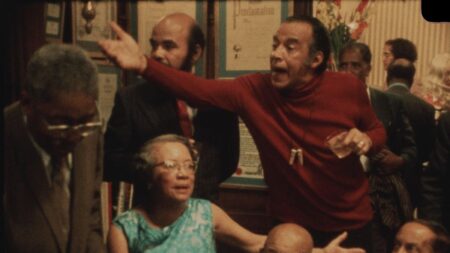

In August of 1987, the world was introduced to Street Fighter (2026). The massively successful fighting game spawned five more games in the main series. Including new editions, updated classics, and crossovers, Street Fighter has over 20 game releases under its belt. Adding to the fun of the video game series is the new Street Fighter movie by writer and director Kitao Sakurai that leans into its humor to create a memorable experience for the fans.
It’s so refreshing to see that Hollywood has finally figured out how to make video games into movies. After a horrid Super Mario Brothers in 1993 and a bizarre military rescue adaptation of Street Fighter in 1994, Hollywood earned a reputation for simply not knowing how to treat the video game medium, largely because they didn’t know what it was supposed to be.
Fortunately, times have changed and successful film and TV franchises based on Sonic the Hedgehog, The Last of Us, and yes, even The Super Mario Brothers, have breathed new life into people’s desire to see their favorite games reimagined. Fighting games are also experiencing a massive renaissance thanks in large part to Street Fighter IV in 2008.
The new Street Fighter movie leans into the Capcom franchise.
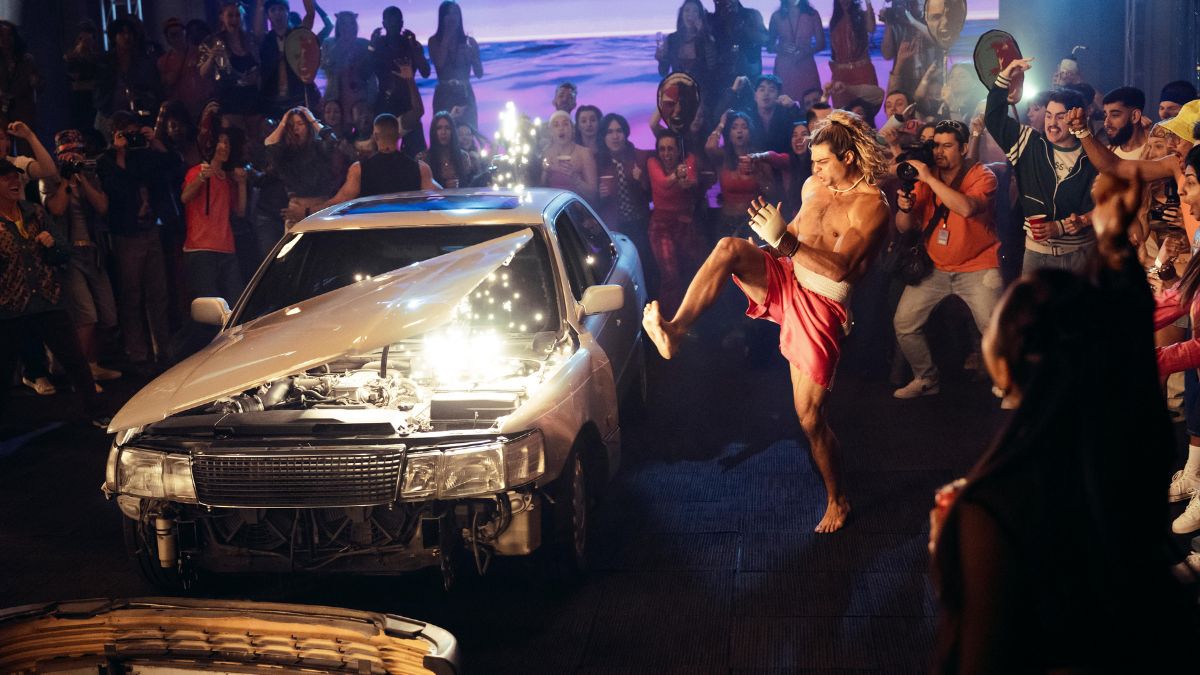
It was only a matter of time before Hollywood caught the scent again and made a Street Fighter film. Street Fighter’s success is a testament to how far the film industry has come in understanding both video games as a medium and the fans who play them.
It’s 1993 and Ryu (Andrew Koji) is missing. It’s been 6 years since he won the World Warrior Tournament and 6 years since he refused to fall to the dark power that had allowed him to defeat Sagat. That decision had caused his mentor to fall to the evil Akuma (Joe “Roman Reigns” Anoai).
Ryu’s friend and brother in training, Ken (Noah Centineo), has been on a reckless downward spiral ever since. Acting like a frat boy with a penchant for partying, Ken’s career is at an all-time high, but personally, he’s never been lower.
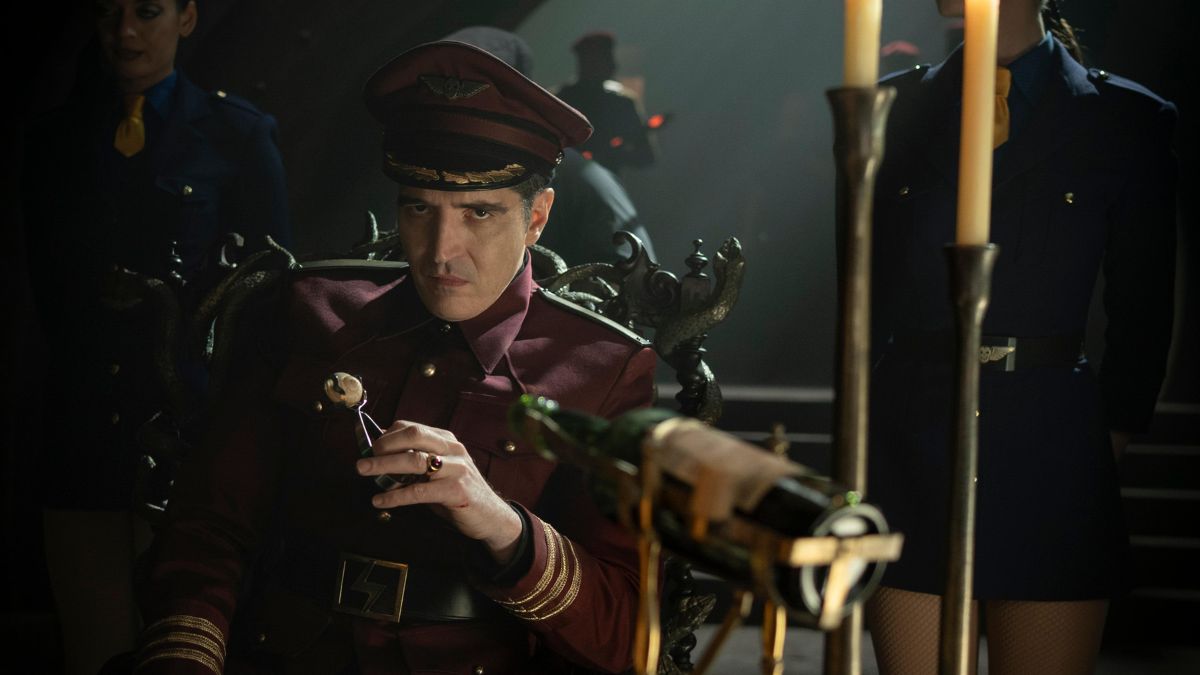
Meanwhile, in Metrolau City, Lord M. Bison (David Dastmalchian) is draining the life force of warriors in an attempt to harness Psycho Power. No matter how many people he drains, he’s not satisfied. He remembers the World Warrior Tournament and how Ryu had used a power greater than anything he had ever seen.
Bison, in an attempt to lure Ryu back into the public eye, announces a second World Warrior Tournament. After Akuma tells Ryu that he’s going to take on whoever wins the tournament, Ryu knows that, for the safety of everyone else involved, he’s got to enter and win.
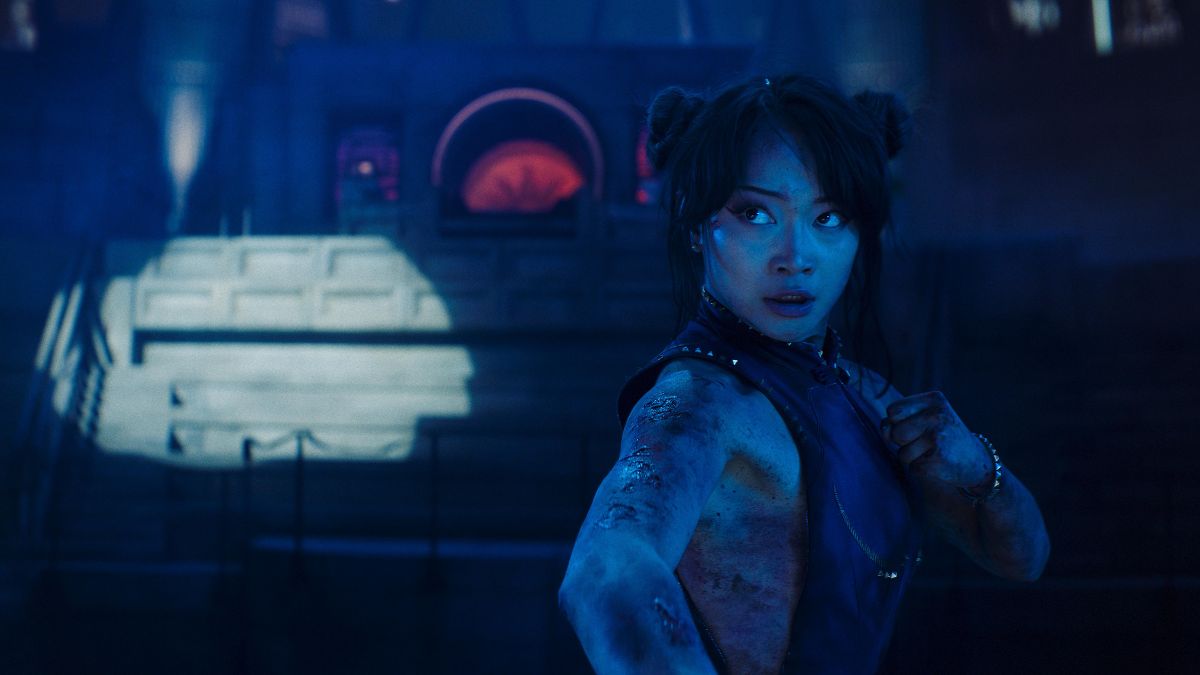
From there, Street Fighter proves definitively that all you need for fun is humor, hadoukens, and a cast of iconic characters. Of course, Street Fighter’s story is absolutely absurd. Between Guile (Cody Rhodes) operating on behalf of the military while giving the audience zero insight into what he’s doing, and Chun-Li (Callina Liang) undercover as a member of Interpol, so much happens that doesn’t make any sense.
Still, that’s entirely forgivable because Street Fighter isn’t trying to be a serious action movie. It actively leans into the absurdity and cartoonish nature of the characters in order to preserve its video game roots.
Street Fighter’s Regressive jokes and underused characters do undermine the film’s campy strength.
There are a few things that work to undermine all the silly fun found in Street Fighter. The humor is a necessary part of the film. Everything from the premise to the exposition introducing the larger-than-life characters is so unserious and funny that not having any jokes would be bizarre.
Unfortunately, much of the humor employs a very 90s-centric “it’s funny ‘cause it’s gay” kind of joke, the ones we’ve long been done with. Men making increasingly homoerotic innuendo with each other is a clear callback to an era when that was commonplace.
Still, in a film about a mad ruler draining humans of their life force to harness Psycho Power, the humor doesn’t need to be where era-specific authenticity makes its stand. Dated, regressive tropes feel mismatched to an otherwise fun, silly blockbuster.
The other major issue is that the two WWE combat athletes in the movie have relatively little fighting. While Roman Reigns is spectacular as Akuma, looking like he was born for the role, he has only one fight. And it doesn’t even last long.
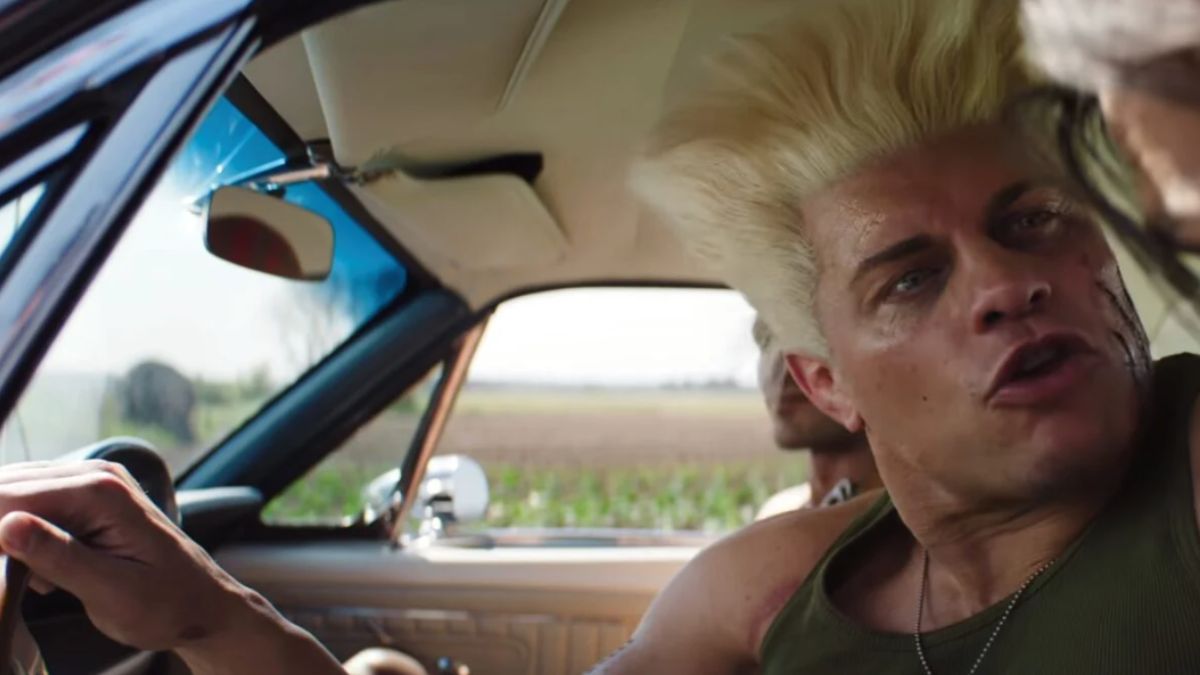
Additionally, Cody Rhodes, as Guile, completes literally one fighting move in the entire film. Despite the star power and athleticism in this cast, his tournament fight isn’t even shown on-screen.
That means Andrew Schulz, the comedian who plays Dan Hibiki, a character created by Capcom as a joke, is taking more bumps in Street Fighter than a trained combat athlete. Cody Rhodes, who’s known in WWE as The American Nightmare, is the perfect casting for a character who is intentionally a caricature of the American military, but he’s given nothing to do the entire film.
Street Fighter (2026) is filled with cheese, camp, and terrible goodness.
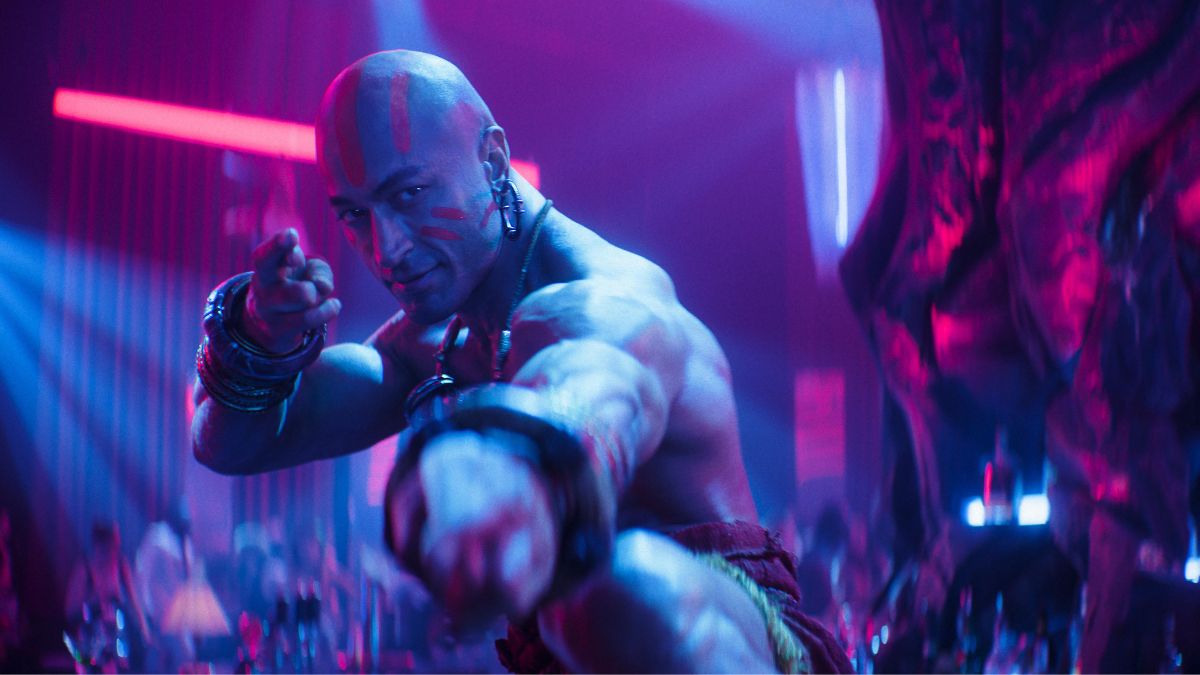
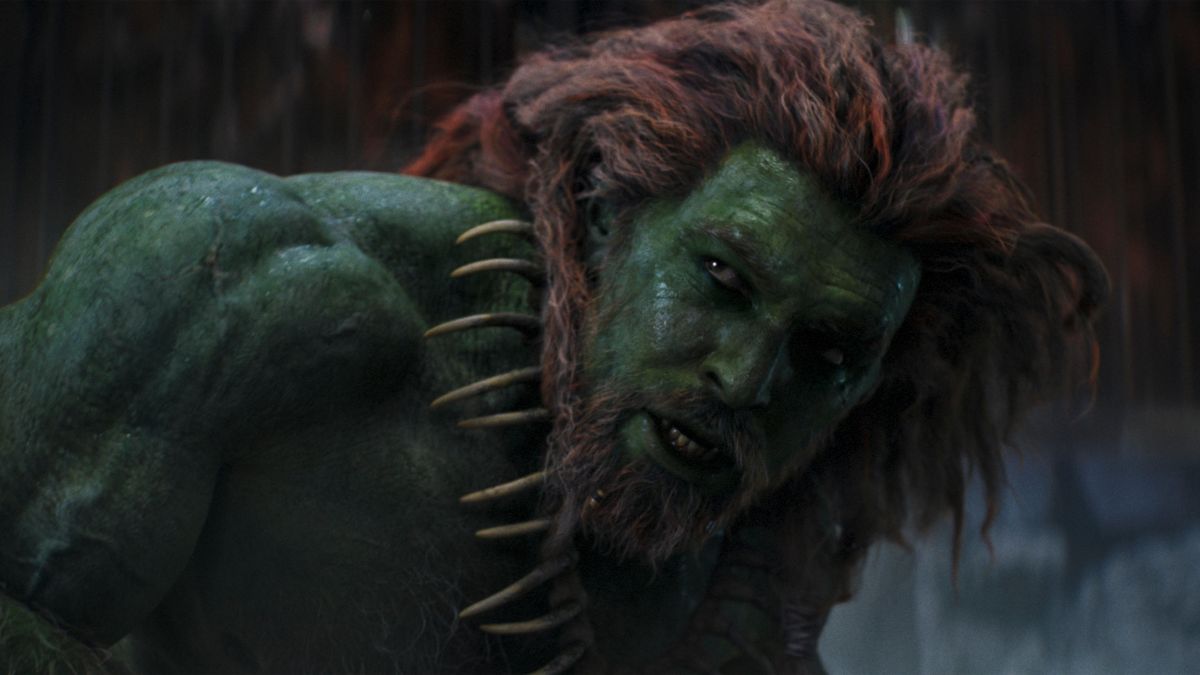
To that end, a lesser issue is the size of the cast vs. the scope of the movie. Street Fighter makes sure to include everyone’s favorites like Blanka (Jason Momoa), Balrog (Curtis “50 Cent” Jackson), Vega (Orville Peck), E. Honda (Hirooki Goto), Dhalsim (Vidyut Jammwal), Zangief (Olivier Richters), and more. They all do justice to the characters they represent; there simply isn’t enough movie for all of them to do much.
That said, Street Fighter is only the setup to a broader franchise. The film doesn’t resolve the main plot by the end, and a sequel is clearly planned. That gives hope that more of these lesser-used characters will have something more meaningful to do in future installments.
The best example of this is Eric André who plays Don Sauvage, the announcer of a combat sports news program that is merely an arm of M. Bison’s government. As usual, Andre steals the scene every chance he gets. His comedic timing and over-the-top antics are a perfect fit for how absolutely insane Street Fighter is.
The film’s dedication to Street Fighter eccentricities makes it a great entry in the video game-to-movie pantheon.
The score by composers Leo Birenberg and Zach Robinson is brilliant. There’s a great 80s and 90s vibe that speaks spectacularly to its 90s setting and the fans that made the franchise popular to begin with. Additionally, the use of a great soundtrack of Gen X and millennial fight anthems makes Street Fighter an incredibly immersive experience.
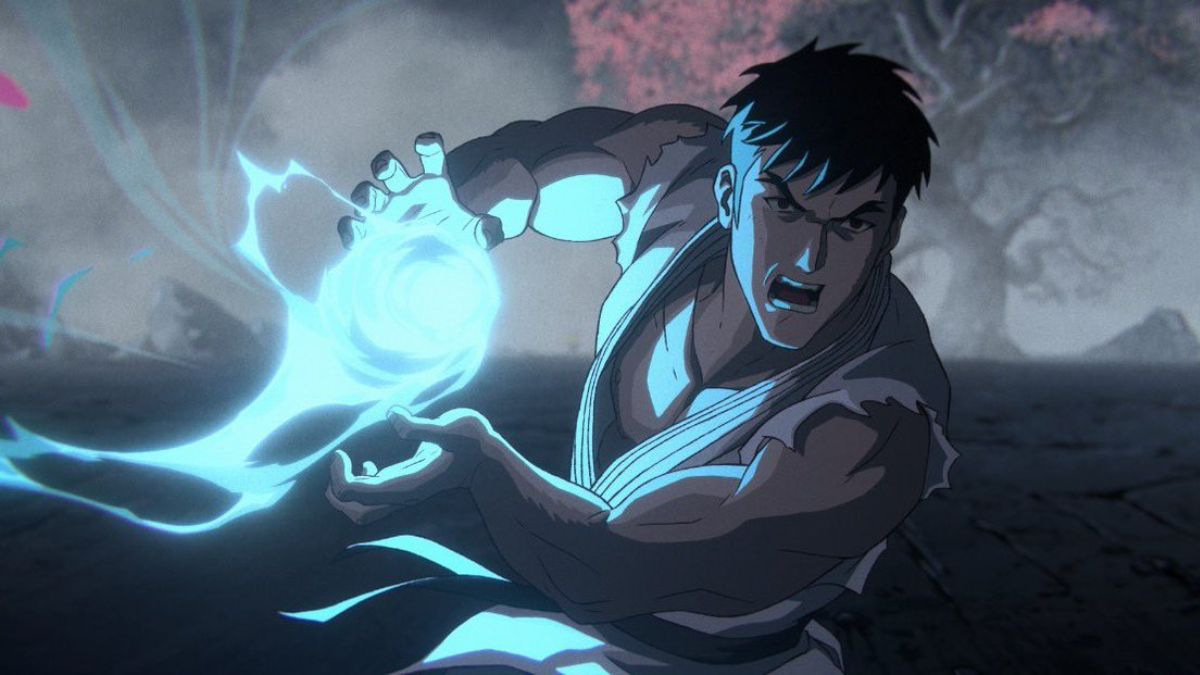
Adding to that experience is a clever use of 80s and 90s action animation. The opening scenes are set in 1987, and every flashback after that uses impressive animation, a staple of its setting. Honestly, the animation was so good that if the entire film had been animated, it wouldn’t have hurt.
That’s not to say that the special effects aren’t impressive; they absolutely are. One of the best things Street Fighter does is give Ryu’s hadouken and Akuma’s Hado energy an amazing look. It’s merely to say that the animation, when used, is good enough on its own to be the whole thing.
Overall, Street Fighter (2026) is a fantastic entry in the “Hollywood Does Video Games” journey, even with its many stumbles. From over-the-top performances and absurdity upon absurdity, Street Fighter is at its best not when it attempts to avoid being cheesy or campy, but when it leans into it. It’s a true love letter to the franchise and to the fans, and it isn’t over yet.
Street Fighter (2026) is playing in theaters now.
Street Fighter (2026)
-
Rating - 6/106/10
TL;DR
Overall, Street Fighter (2026) is a fantastic entry in the “Hollywood Does Video Games” journey, even with its many stumbles. From over-the-top performances and absurdity upon absurdity, Street Fighter is at its best not when it attempts to avoid being cheesy or campy, but when it leans into it.