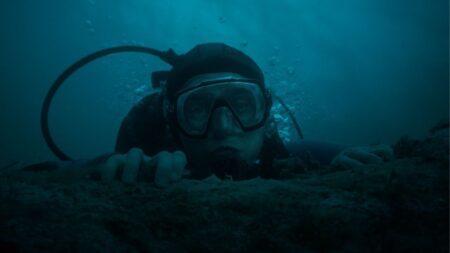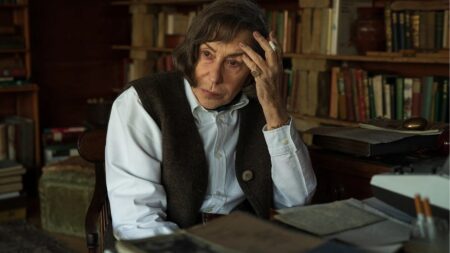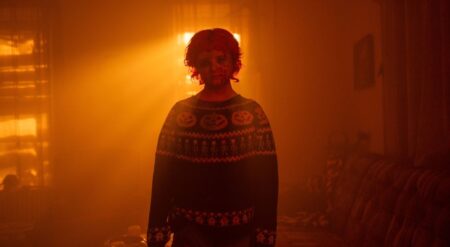

One-location films are simple on the surface, but the complexities of how the filmmaker uses the setting can make them excel. Simple cinema is sublime in the Swedish film The Storm (2026). A Netflix Original film written and directed by Josephine Bornebusch, The Storm burns down the facades we create for everyone around us, and for ourselves.
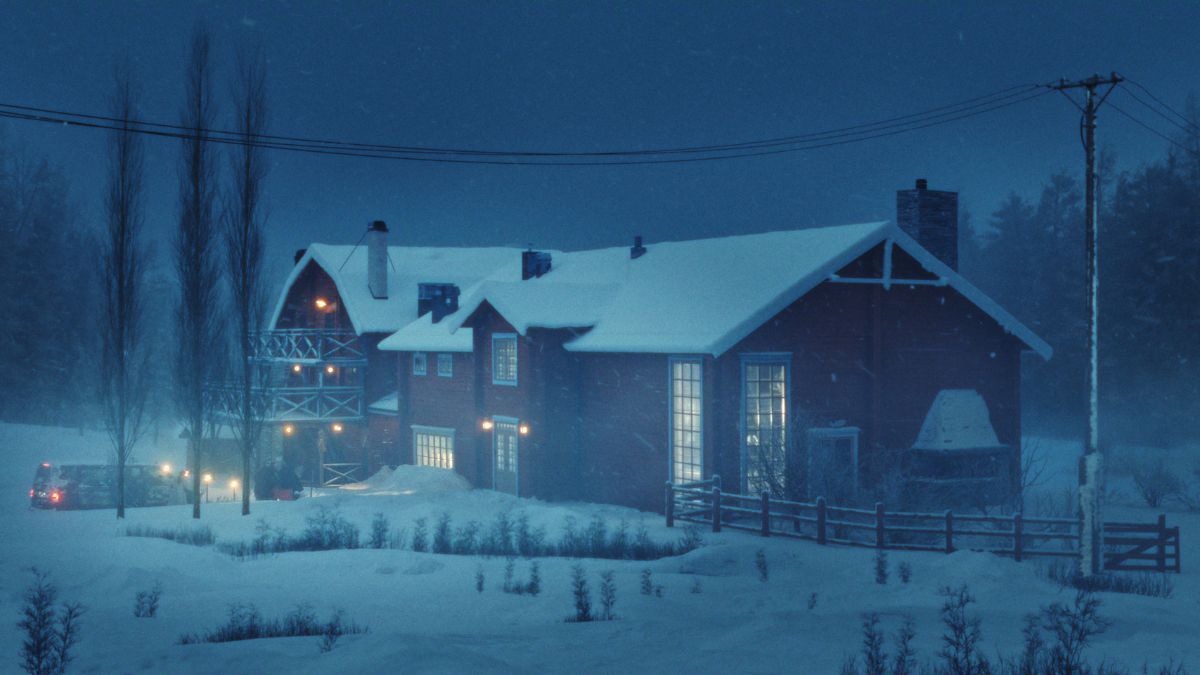
Bornebusch’s The Storm takes place at a couple’s failing bed-and-breakfast on the husband’s 45th birthday. Owned by Filip (Gustaf Skarsgård) and Caroline (Aliette Opheim), the lavish, newly bought farm estate in the north of Sweden is in the midst of renovations… and it’s kind of costing them a lot of money.
In an attempt to stop the hemorrhaging cash flow and get the bed-and-breakfast up and running, the couple invites Filip’s best friends from university. With most of them in the upper class of Swedish society, Filip and Caroline hope at least one will invest in their dream. Well, Caroline’s dream. The group that shows up couldn’t be any more different, except for one thing: they’re all lying.
Netflix’s The Storm (2026) takes a bad dinner party to a new level.
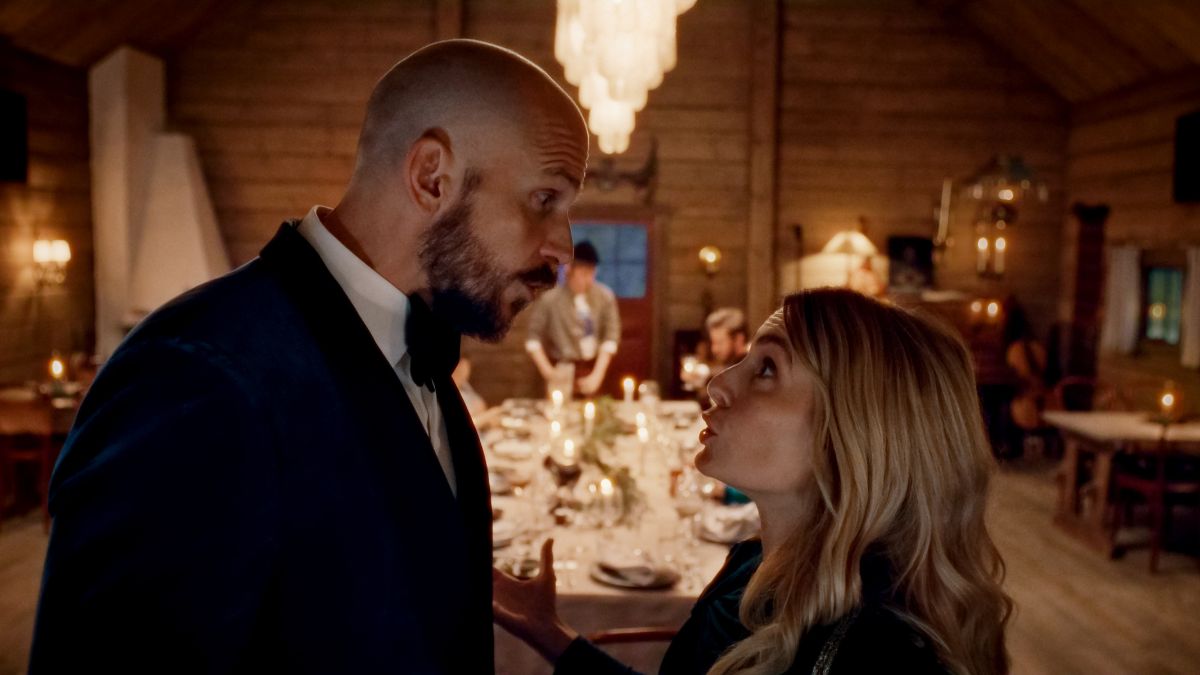
Maybe the lie is to their spouse or to each other. Maybe the lie is to themselves. But the takeaway is that the glamour and spectacle they bring with them are meant to make the world think they are the best and richest versions of themselves. But when a storm traps them all inside of the house, each of their polished act falls apart, and an unfiltered meltdown begins.
While we know Filip and Caroline’s farce (or at least some of it), everyone else’s is hiding just beneath the surface. Some reveals are big, and others are easy to spot in how each person shows up to the dinner party.
To start, the couple that is barely staying afloat is Ossi (Filip Berg) and Kina (Bornebusch). But that doesn’t stop Ossi from splurging on Gucci loafers just to make his friends think he’s more than a middle-class husband and father. For Kina, she’s too busy being a mother worrying about her sick kid to pretend anything, except for maybe liking her husband.
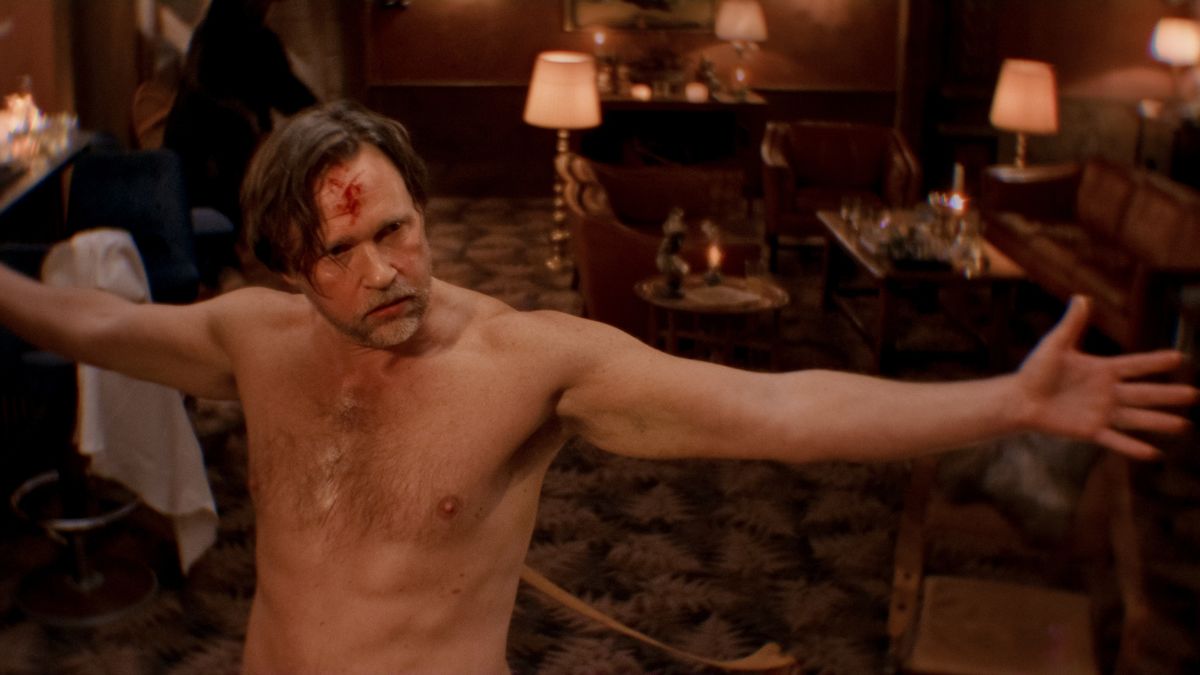
Then, there are Henrik Müller (Christopher Wagelin) and his very young wife Ninni (Sara Shirpey). Henrik is an egomaniac CEO on the verge of losing it all, and Ninni is his bratty wife, seeking validation from anyone and everyone she meets. If Ossi and Kina are trying to make things work, Henrik and Ninni ignore everything, as long as they can throw money at the problem.
And finally, there are the judgeiest of the group. First, it’s Jakob (Jonas Karlsson) and his husband Nicholas (Johan Rheborg), who don’t really do much outside of hiding their age and showing their disdain for the people at the table. But the real mallet of judgment, pulling everyone with a hint of a non-politically correct joke or stance into a debate, is Nattis (Gizem Erdogan).
A walking archetype of someone who was on Tumblr way too much and currently gets joy from policing everyone’s tone and stances around her, Nattis is abrasive. The only good thing about her is ultimately her dog Mochi. But everything else sets up a woman hiding her loneliness behind righteous anger and social media “activism.”
Dumb and dark in equal measure, The Storm’s erratic storytelling is fantastic.
The way that every single one of these selfish people collide is hilariously dumb, dark, or nonsensical. It all works from start to finish, with every performance making The Storm feel like it never drags. The hijinks they find themselves in are often small, banal errors taken to extremes because of who they are.
While every character plays their role spectacularly, it’s Filip and Caroline’s fiery crash-out that makes the film’s big swings pay off. Gustaf Skarsgård and Aliette Opheim’s chemistry is annoyance feeding on annoyance where passion once sat. As they spiral into their own worlds and stop holding onto each other, they both steal the show.
As The Storm builds narrative weight and strips our characters of confidence and facade, the farmhouse becomes as much a character as this ensemble cast. It holds chaos in its walls and sets each character on their own journey. As panic sinks in, the walls of the house begin to constrict around each friend, squeezing the truth out of them whether they want it to see the light of day or not.
An epic meltdown in cinematic form, every stitch of this film exists to drive anxiety. The panicked spiral into complete disarray is entertaining in a myriad of different ways. Sometimes it makes you roll your eyes, other times it pulls out a real belly laugh, and it even makes you sigh with relief. But it all exists in a milieu of unrestrained, frenzied energy that uses each character’s neurosis as gasoline.
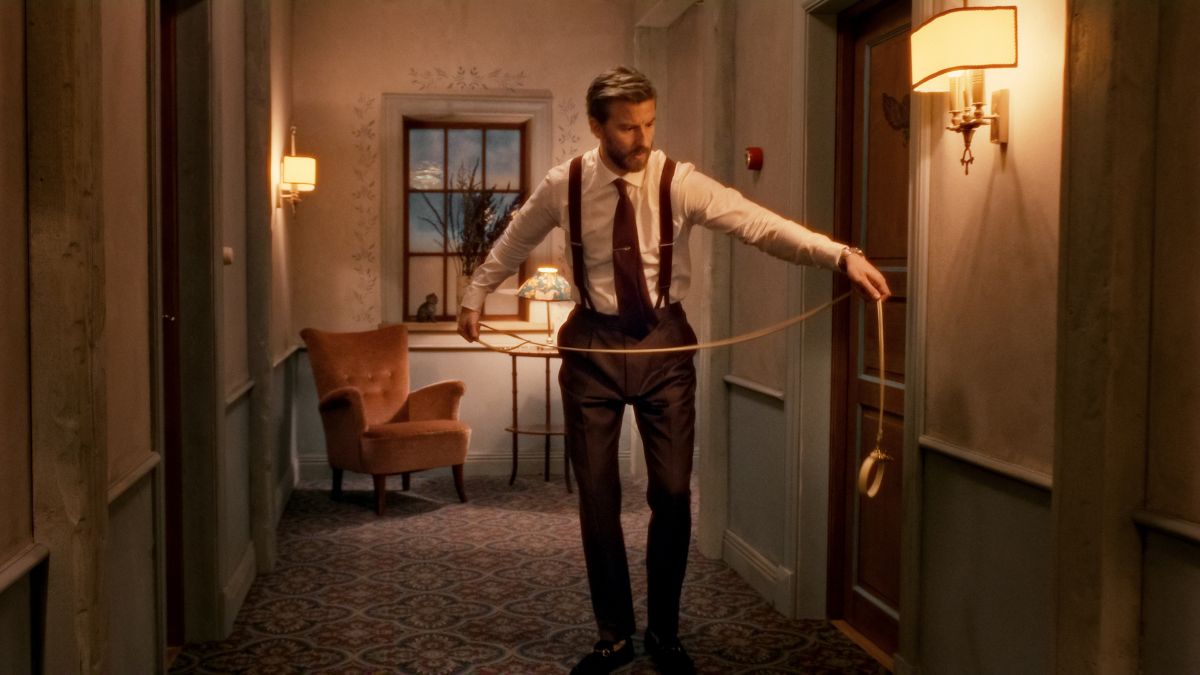
The set design is steeped in a dilapidated sort of elegance. The Storm’s directorial eye exists to humiliate its characters as their secrets surface, and it works exceedingly well. Add in the film’s cinematography, which doesn’t sacrifice pastels or vibrant gem-tones for the film’s darker moments, and the film becomes a visual delight. Additionally, the film’s score, particularly at the start of the third act, captures the nature of the people stuck in the failing B&B.
Add in drugs and alcohol, and the camera’s eccentric lens pulls us into their mania easily. The Storm’s frantic visual pace and the film’s erratic storytelling make its third act its most important feat.
Up to this point, the night’s events feel like a cacophony of opinions and mistakes. But as each bad situation is made worse by the lack of communication between the age-old friends who definitely aren’t as close as they used to be, the stakes get higher and higher.
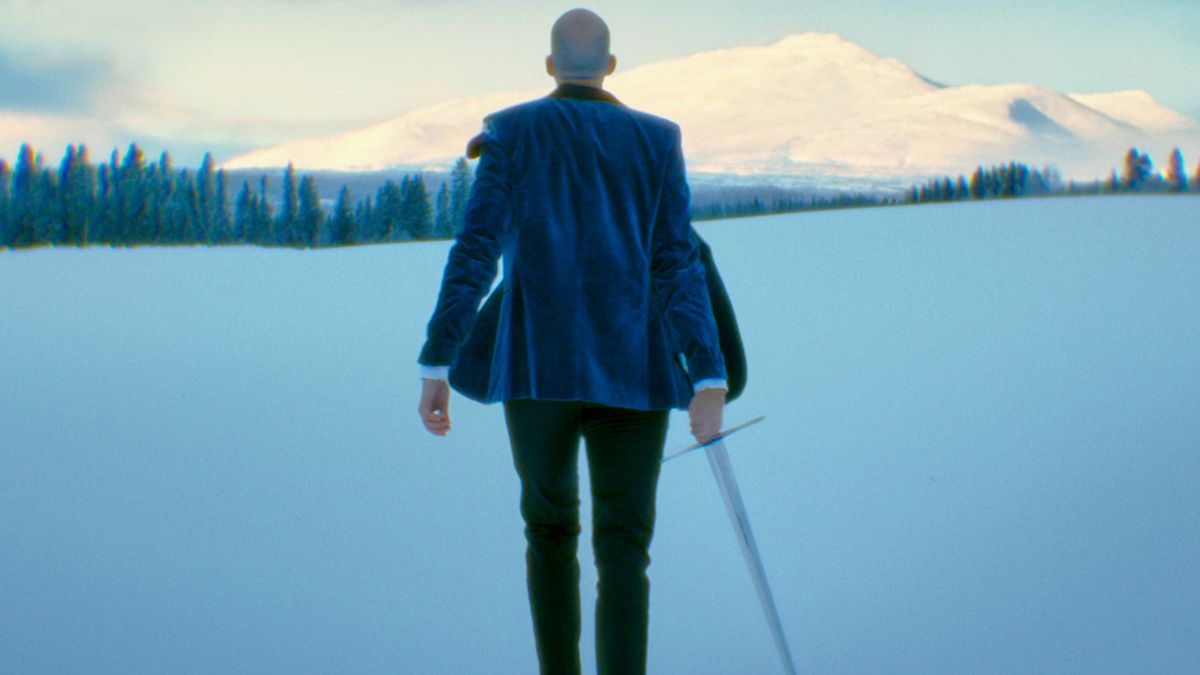
Is someone going to be murdered (accidentally or purposefully)? Will someone burn down the house? Will a finger be the only dismemberment we see? Is a man high on shrooms in a knight’s suit of armor the only kind of manic fever dream in the house?
The Storm is one increasingly chaotic meltdown after another.
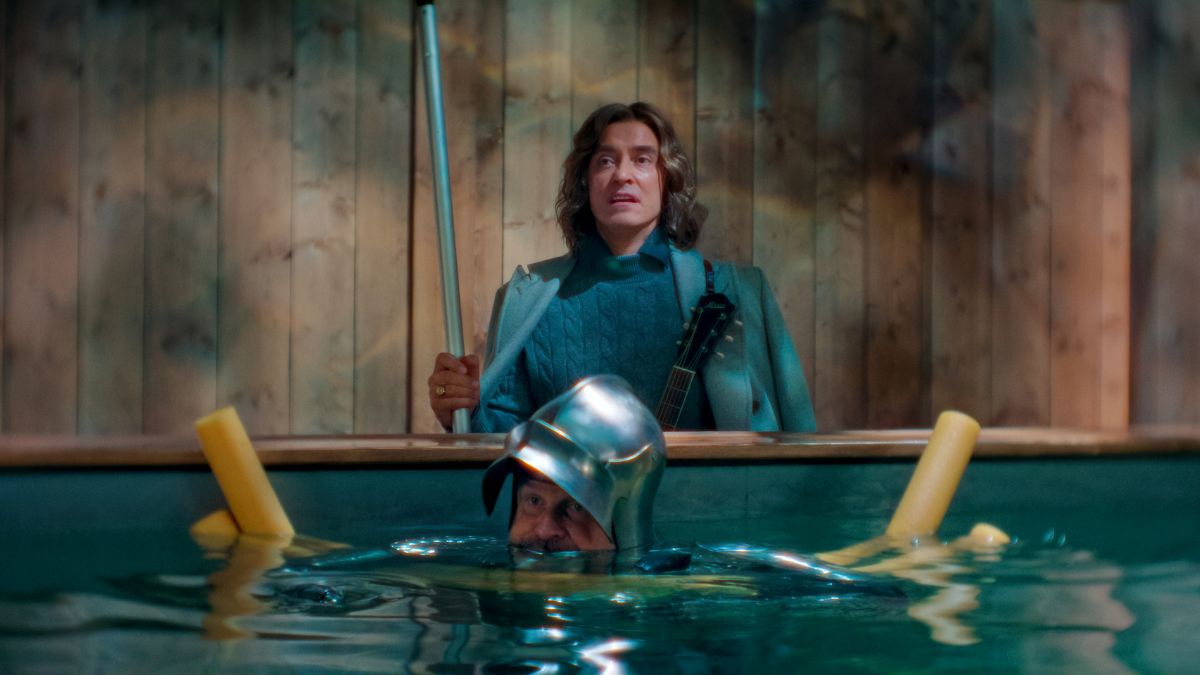
Act after act, broken up into chapters with title cards during the runtime, the situations that each person gets into are worse than the last. More importantly, none of them experience these mental breaks or situations together. Instead, the house is a free-for-all, and that alone makes every situation worse. Then, the film’s last act pulls it all together.
The Storm confronts ideas of class, love, friendship, and parenthood to show life’s messiness. As miscommunications snowball throughout the film, the third act brings every fabrication, omission, and assumption to light. Until every friend is standing in a spa, crashing out, yelling, and crying. Yet as Filip breaks down everyone’s transgressions, no one pushes back.
The Storm is a chaotic look at life, choices, and the fact that nothing in this world is simple. In the film’s final act, every character completes their erratic crash-out. They hit the wall at full speed, and every miscommunication untangles from the tightly wound knot created in the film’s first two acts.
Gustaf Skarsgård’s Filip is simply amazing.
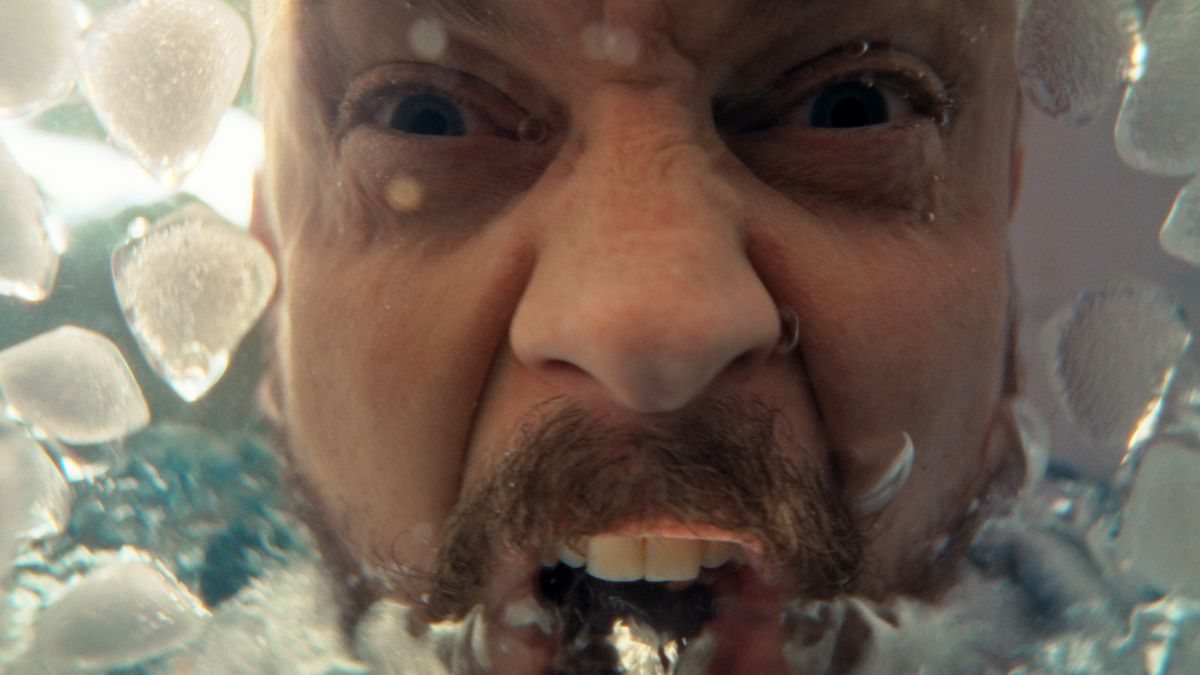
The Storm is about a group of university friends who have been putting on performances for each other since they graduated. When the walls come down with a sledgehammer, the friends see each other’s hypocrisy, flaws, and obsessions, and despite seeing the ugly beneath their handcrafted veneers, they’re still going to be back for the next holiday. Nothing was learned, but the friendships persist. Through all of the drama, miscommunications, pettiness, and chaos, they persist.
The film closes with narration that makes its message explicit for anyone in the audience who got lost in the rambunctious third act. “What did we learn? Nothing, but we survived,” our lead character, Filip, narrates. “After the storm, the light comes through, and we blind ourselves with hope.”
This closing sentiment isn’t so much a nihilistic view of life as a realistic one. Hope comes after the storm, but the one truth in life is that the storm will come again. Their dinner was transformative for every person involved. The dirty laundry was laid out to dry, and every sensitivity became a pressure point, pushed at different times throughout the film. And yet, everyone is back right back where they were when the film started. But that, that is life. And in the end, The Storm is one hell of a dinner party and an even more epic cinematic meltdown.
The Storm is streaming now, exclusively on Netflix.
The Storm (2026)
-
Rating - 8.5/108.5/10
TL;DR
The Storm is one hell of a dinner party and an even more epic cinematic meltdown.