
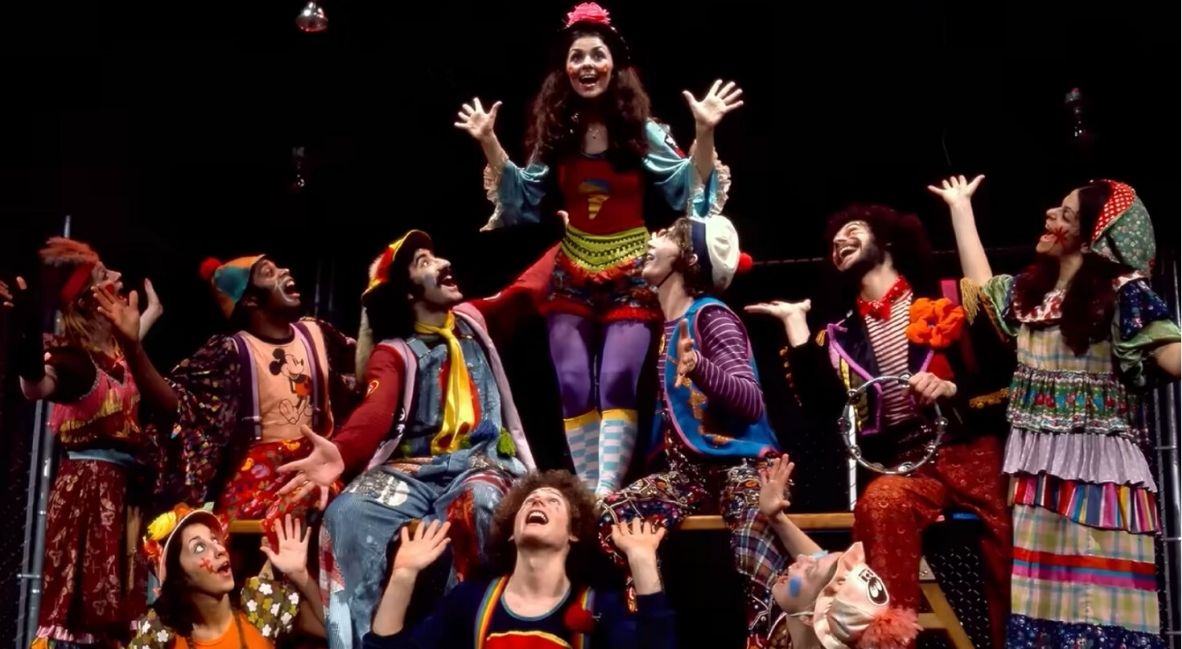
They say it right up front in You Had to Be There: Most people don’t know just how influential the 1972 Toronto production of Stephen Schwartz’s Godspell was. But boy, was it one of the most important moments in Canadian comedy history. Directed by Nick Davis and written by Davis and Jane Mendelsohn, You Had to Be There is a talking-head documentary about that production, its cast, and its influence, featuring most of its living stars.
The star-studded list includes Martin Short, Victor Garber, Eugene Levy, Rudy Webb, Andrea Martin, Dave Thomas, Paul Shaffer, Jayne Eastwood, and Stephen Schwartz. Plus, longtime friends and collaborators like Dan Aykroyd and Mike Myers, as well as contemporary stars of stage and comedy like Lin-Manuel Miranda and Heidi Gardner, fill out the documentary with anecdotes and doting on their friends and idols.
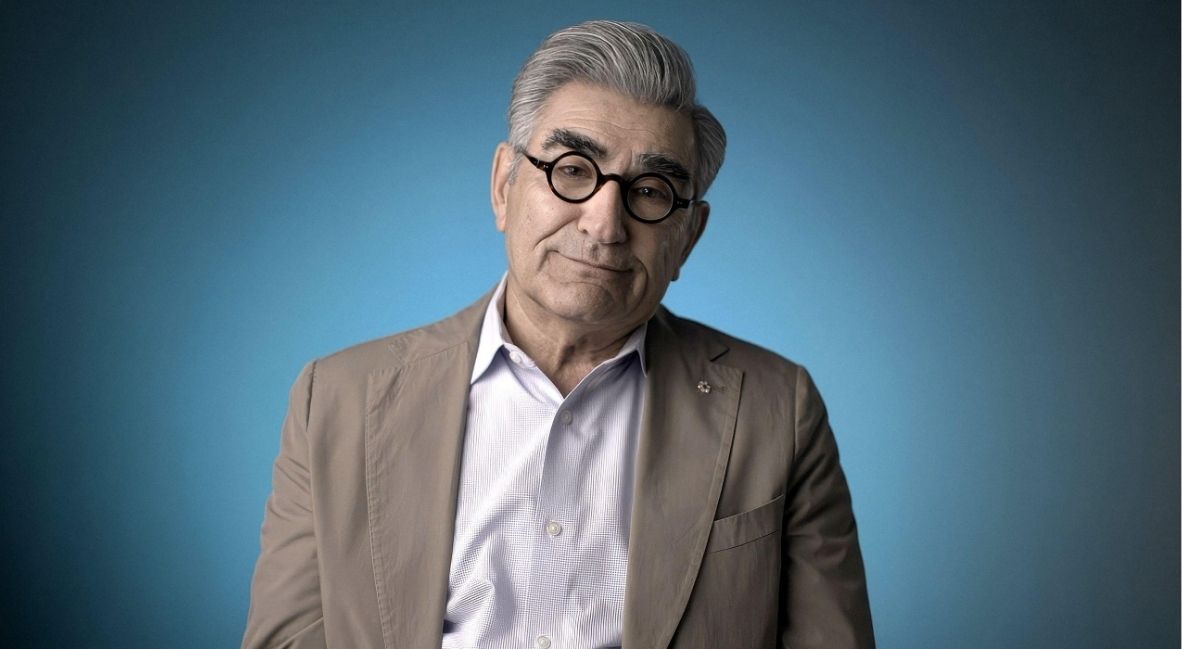
At a basic level, You Had to Be There is a straightforward documentary. It starts with each member of the cast and how their upbringings led them to the stage. You get neat stories about how Martin Short would sing Sinatra for his mother, or how a number of the cast members became university sensations for their “Shakespeare” company before landing their Godspell auditions. The documentary blends sit-down interviews with archival footage and ’70s-styled animation segments where footage doesn’t exist.
You Had to Be There is as much for the musical theater nerds as it is for the comedy nerds.
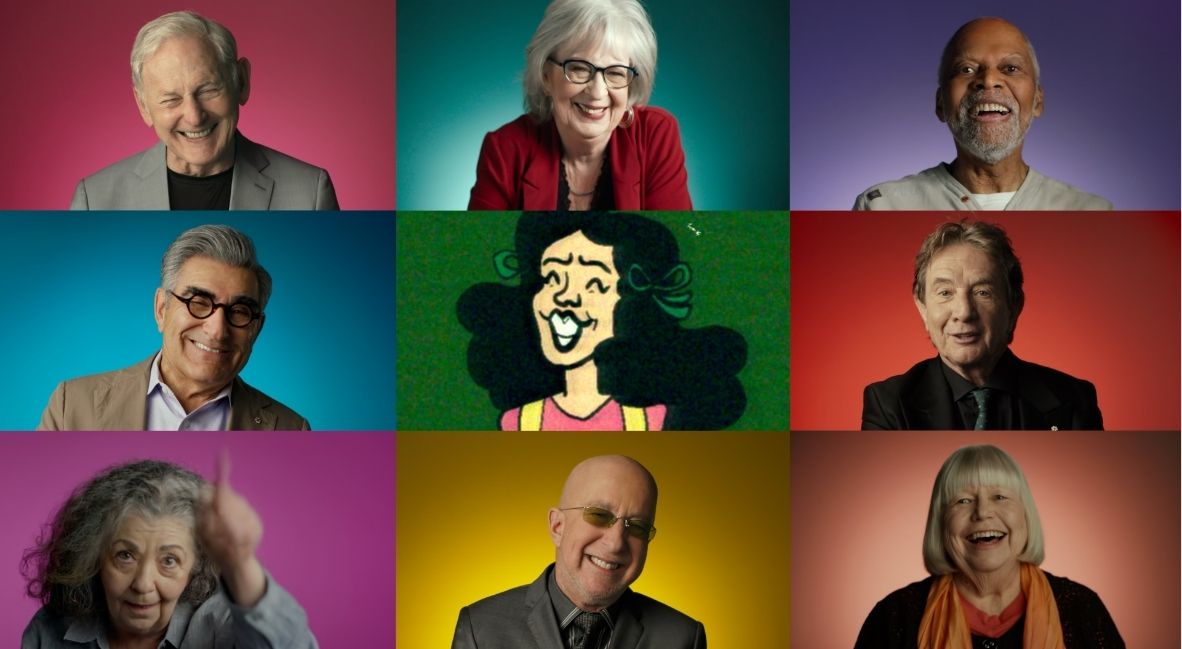
Every anecdote is not only funny or insightful, but also shows just how tightly knit much of this cast already was before Godspell, let alone once the show began. It’s a great joy to watch each cast member recall with deep fondness their friendships with one another and the coterie of other stars who filled their lives with laughter and love, like John Candy and Dan Aykroyd. Some of the unrelated contemporary talking heads feel squeezed in, but overall, it’s also an excellent introduction to the critical history of Canadian comedy in the 1970s.
If showtunes aren’t your forte, You Had to Be There serves as a solid primer on how some of the greatest comedy stars of the 1970s and ’80s came to the fore. The documentary briefly but sufficiently charts the relationship between these players and their careers with Second City Television (SCTV) and, for many, ultimately, Saturday Night Live. Not every cast member of Godspell went on to a full and famous career, and those individuals’ stories are told with just as much care as Eugene Levy or Short.
The Godspell cast member most sorely missed in the documentary is Gilda Radner. Radner died in 1989, so not only did she not have the opportunity to speak about her time in Godspell and her relationships with the cast, but her story also ended decades before everyone else’s. You Had to Be There employs ’70s-style animation to fill in the gaps for Gilda’s (and others’) backstory where actual footage couldn’t be used.
The truest charm of You Had to Be There really is knowing how close the cast was and remained.
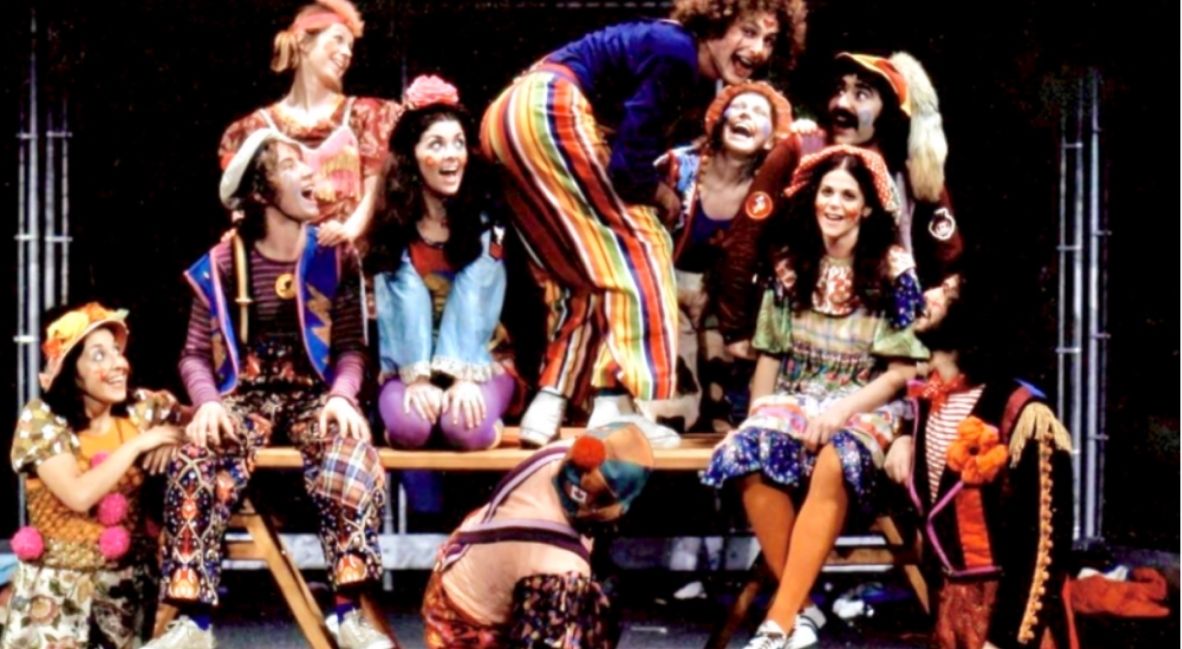
It’s a neat way to make sure that Gilda’s story is just as central to the documentary as everyone else’s, even while her friends have to tell it for her. It’s sometimes a little off-putting to transition between old footage and the cheery animation style, especially when the narration about Radner is so often sad. But Godspell itself is too cheery a play not to evoke some silliness here and there, so the animation still feels right.
Of course, a documentary retrospective wouldn’t be complete without a reunion at the end. The truest charm of You Had to Be There really is knowing that so many of its Toronto cast members were and have remained lifelong friends. It’s a joy to watch so many beloved actors retelling the same jokes together as you hear them recall in individual interviews.
If these bonds are any less true in real life than the film makes it seem, then they are spectacular at pretending. But the power of musical theater shines so clearly throughout every interview that you have to imagine their joy at being reunited is authentic.
You Had to Be There leaves you really wishing you could have seen this production of Godspell.
You can surmise that perhaps Victor Garber hasn’t been in as close touch with Short and Levy as the two lifelong comedians have with each other, but the documentary elucidates why that might be true and never dwells on it. It treats the subject with as much respect as the disappearance of some lesser-known cast members from public life. It notes their resentment, but it doesn’t linger.
You Had to Be There gets its name from the fact that no video recording of this Godspell production exists. The only way to know how truly special it was night after night was to have been there yourself. Short did, however, find an old tape recording he made illegally one night from the back of the stage. They also found a rehearsal tape. The documentary shows too little of either, and not enough people react to hearing or seeing themselves from 50 years ago. But it raises the specter of what the production looked like just enough to satisfy.
You Had to Be There is a fairly standard documentary in form and function, but its subject is lovely. Whether you come to it by way of Godspell or ’70s comedy history, you’ll find plenty to delight in from toe to tip.
You Had to Be There is playing now in select theaters.
You Had to Be There
-
Rating - 7.5/107.5/10
TL;DR
You Had to Be There is a fairly standard documentary in form and function, but its subject is lovely. Whether you come to it by way of Godspell or 70s comedy history, you’ll find plenty to delight in from toe to tip.