

The Defiant was played on-site during Gamescom 2026.
There were other fronts in the Pacific. It’s hard to remember now, in a world where Medal of Honor is dead and Call of Duty is a platform with Ninja Turtles costumes, purchasable weed emblems, and yearly releases, but the military shooter was, for a short time, grounded in real history.
The point wasn’t just to make a fun video game. It was also supposed to be educational and entertaining, thanks to Steven Spielberg, who was inspired to create the series after directing Saving Private Ryan.
It wasn’t just about playing at war; it was about teaching people history as they played. Almost everyone at DreamWorks Interactive thought Medal of Honor was a bad idea. According to producer Peter Hirschmann, “People were really dubious. They said, ‘World War II is old, it’s got cobwebs on it. People want ray-guns, hell-spawn and laser rifles’. The idea of doing something with historical relevance set in a low-tech game environment was a challenging sell.”
There was a time when WWII video games weren’t about “playing war.”
But Spielberg was persistent and insisted on historical accuracy, bringing in historians and military advisors. The rest is history: Medal of Honor was a massive hit, and many of the developers who worked on this series would go on to make Call of Duty, which itself had its own brief flirtation with historical accuracy and the importance of World War II as a conflict before Call of Duty 4 taught Activision that there was so much more money in peddling good ol’ American jingoism, and even more money in… whatever Call of Duty is now.
But as I sat down in a warm hall at Gamescom with The Defiant, I was reminded of Call of Duty. The early ones, Call of Duty 2 specifically, where graphics were impressive enough to wow, but Infinity Ward, then still full of Medal of Honor developers, wanted to make a game based in reality. The difference with The Defiant is that it’s set in a part of World War II that’s rarely explored in games: the Japanese invasion of China.
I started as a soldier inside a bunker. The Japanese assault would begin soon, but we had to arm ourselves. After picking up a rifle and machine gun (my options were all, true to life, based on real weapons, though these were Chinese), my fellow soldiers burst forth onto a snowy battlefield. A few things were immediately clear: first, we were hilariously outnumbered. Secondly, this really was like Call of Duty.
The Defiant calls back to one of the military shooter genre’s greatest eras, but with a new lens.
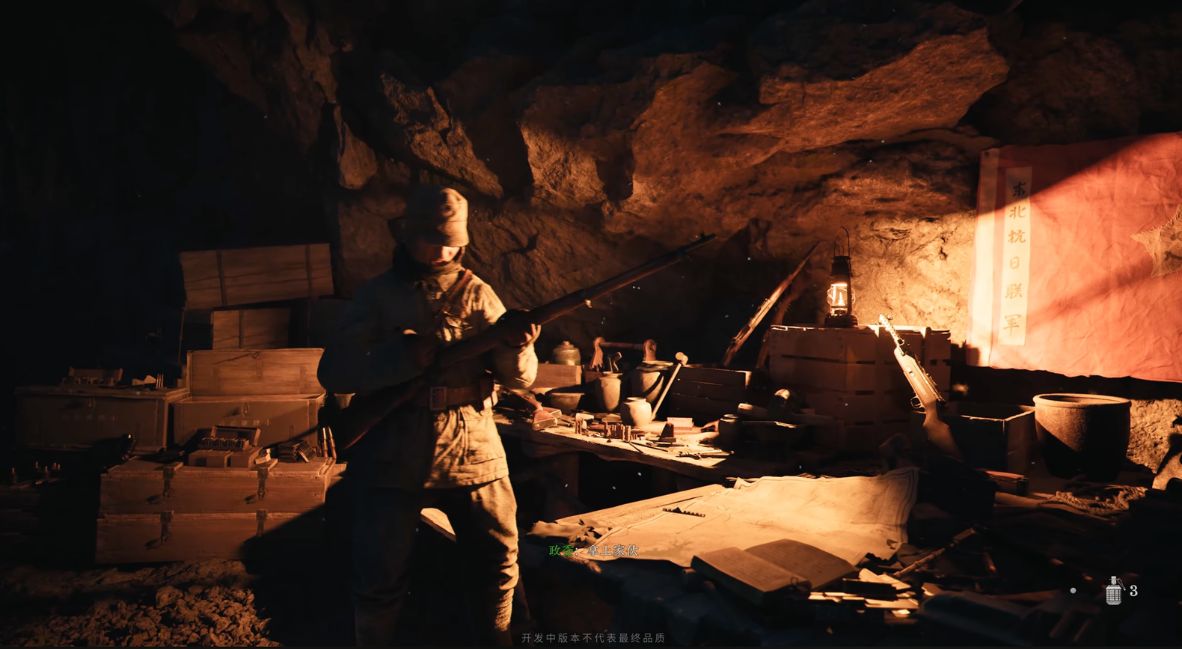
Guns were just as snappy and responsive. Landing a shot produced a hit marker. Getting shot splattered the screen with vaguely Ketchup-ish blood that multiplied the more I got hit. Hiding behind rocks and taking a quick sit restored my vitality and let me push on.
It was a stop-and-pop affair, but one that always had me moving, up the hill, under a fallen tree, always either taking a position or holding it against waves of enemies. If a door needed to be open, that wasn’t my job; a fellow soldier would do it for me.
Playing The Defiant, I experience a profound kind of deja vu. The weapons, setting, and language the characters spoke were different, but I’d played this game before, a long time ago, on the Xbox 360. Even death wasn’t a reprieve from this feeling, as the screen became filled with quotes about war and the fragility of human existence and the nature of being, or messages telling me how important what I was doing was. My actions would echo in the future.
That’s not to say any of it was bad. The Defiant is visually arresting. Snow that fell in chunks around me, shattered trees dotted our path (and the areas just off of it; you know how this sort of thing is), and the world had been upturned by trenches and barbed wire. Weapons are satisfyingly loud; muzzle flashes and swapping magazines are beautifully animated. The Defiant looks expensive.
浩汤科技 and 4Divinity’s The Defiant feels like a good homage to 2000s shooters.
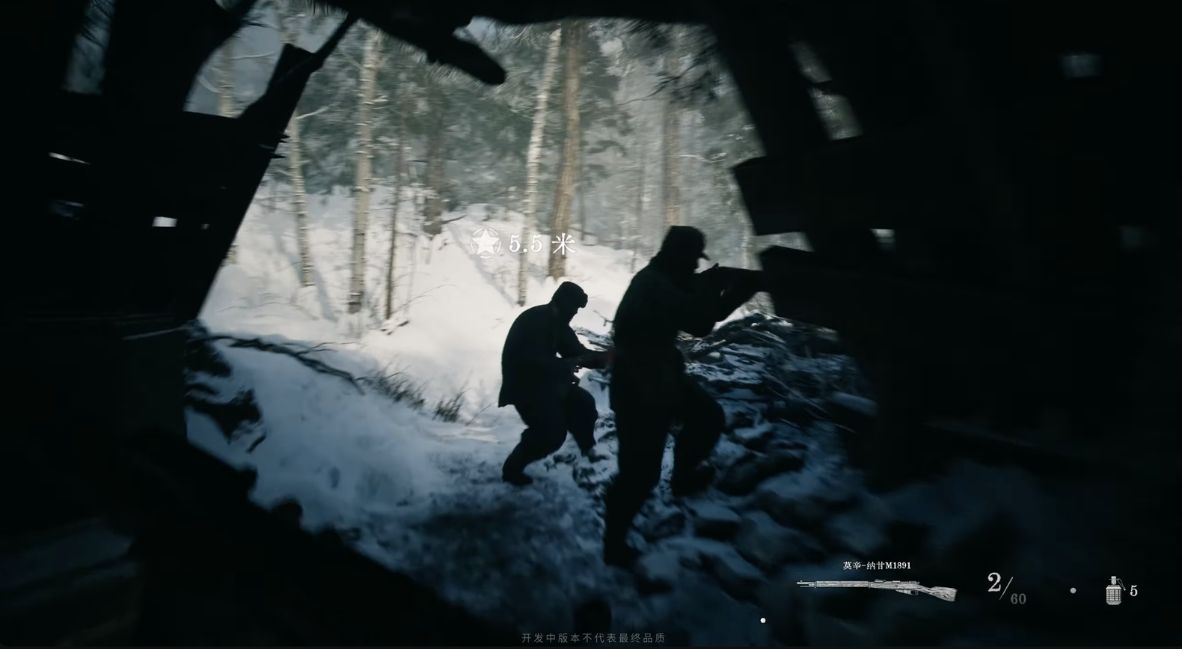
My path was linear, but enemies were smart, and they would flank us. When they would come screaming at us en masse, we had to hunker down behind what the war had left us. My comrades were afraid, but we held. Soon after, we made for the ruins of what seemed to be a house. The Japanese were charging again. Here we would make our stand.
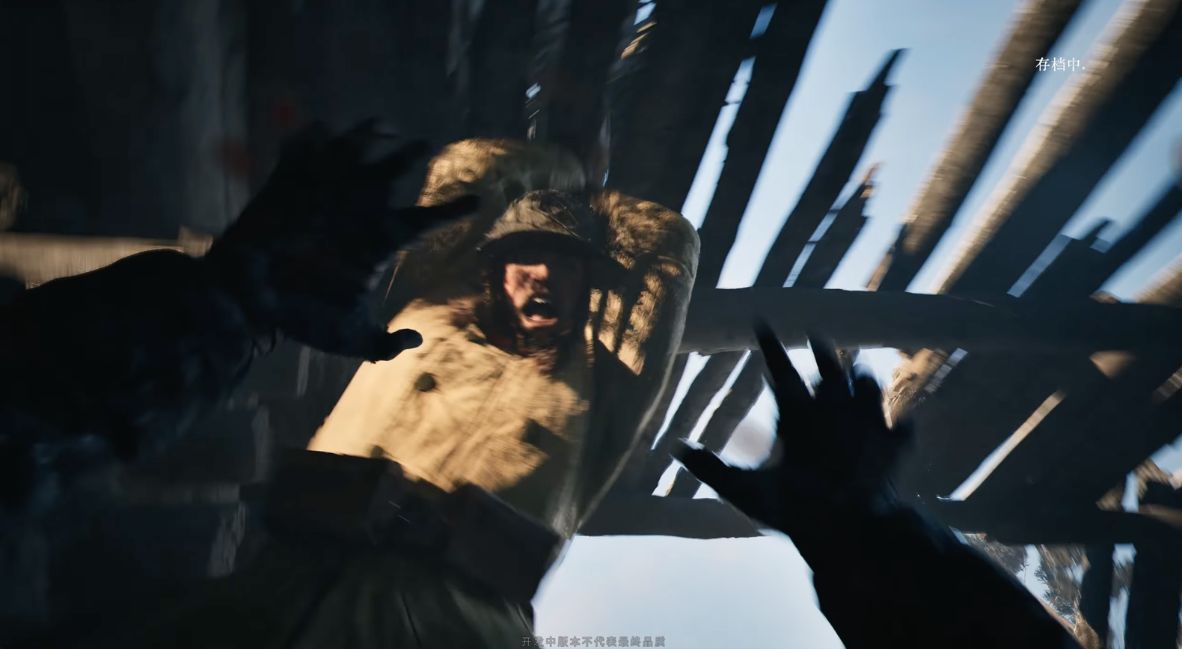
As I entered, I was attacked by a Japanese soldier with a knife. After a brief quick-time event (I admit I died the first time; I can’t remember the last time I played a shooter with something like this), I fought him off. We had moments to prepare for another assault.
Two of the house’s walls had been completely blown away, leaving only the one that the door we had entered through was set, and the adjoining wall to its right. Half-destroyed shelves or perhaps bookcases littered the middle, meager cover.
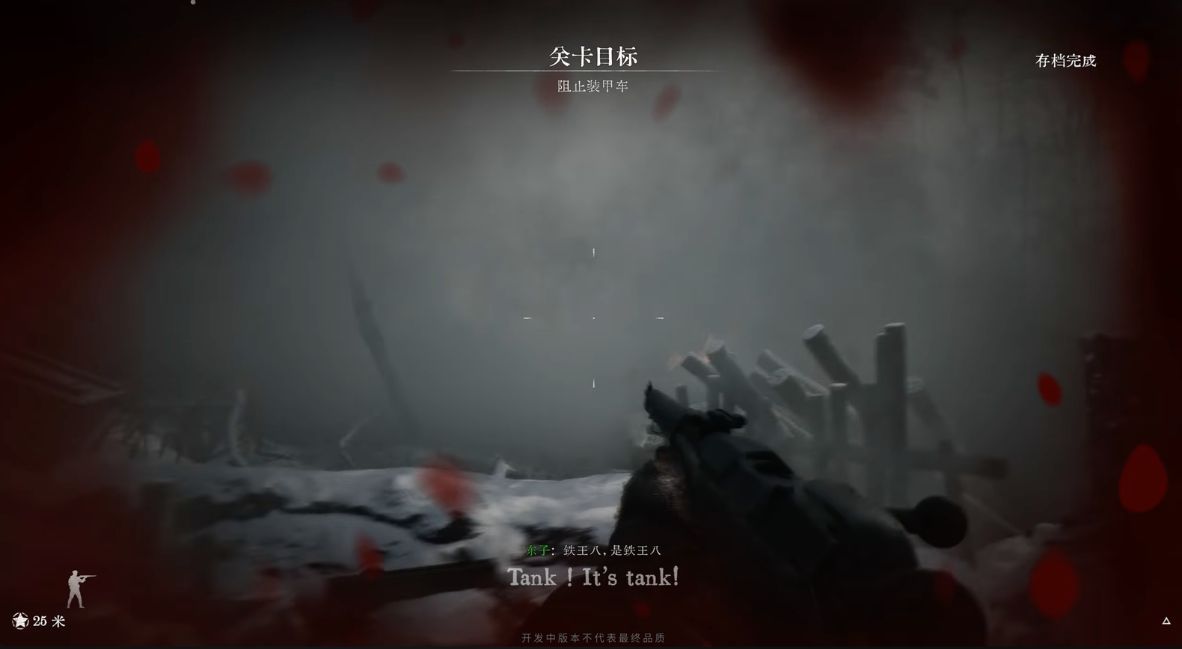
Then they are on us, me and a couple others, and the dying starts. I manage to last for a while, sequestering myself into the L formed by the house’s remaining beams. But they come from in front of us, fire from over the ridge overlooking our splintered walls, and sneak through the door. I cannot kill them fast enough. I die. Try again, now using the fractured shelves as cover. I die again when one sneaks through the door behind me. And again to the fire raining from the ridge.
After each death, my eyes flick to the timer in the upper right corner of my demo. I only have half an hour for my demo. Soon I only have eight minutes left. This feels impossible. Maybe that’s the point. And then, I manage it. I survive long enough, only to meet my end in an explosion delivered by a cutscene. I have been before, after all.
Or perhaps not. My character wakes, their vision blurry, as Japanese soldiers walk through the dead, executing survivors. One of them, perhaps a commander, spots me and points. His men begin to advance. Then a sniper’s bullet enters his head just above his left temple from the ridge above. His men turn to face a new threat. For a moment, I am forgotten. Title card.
The West gets to tell its WWII story in every medium globally; now it’s China’s turn, with The Defiant.
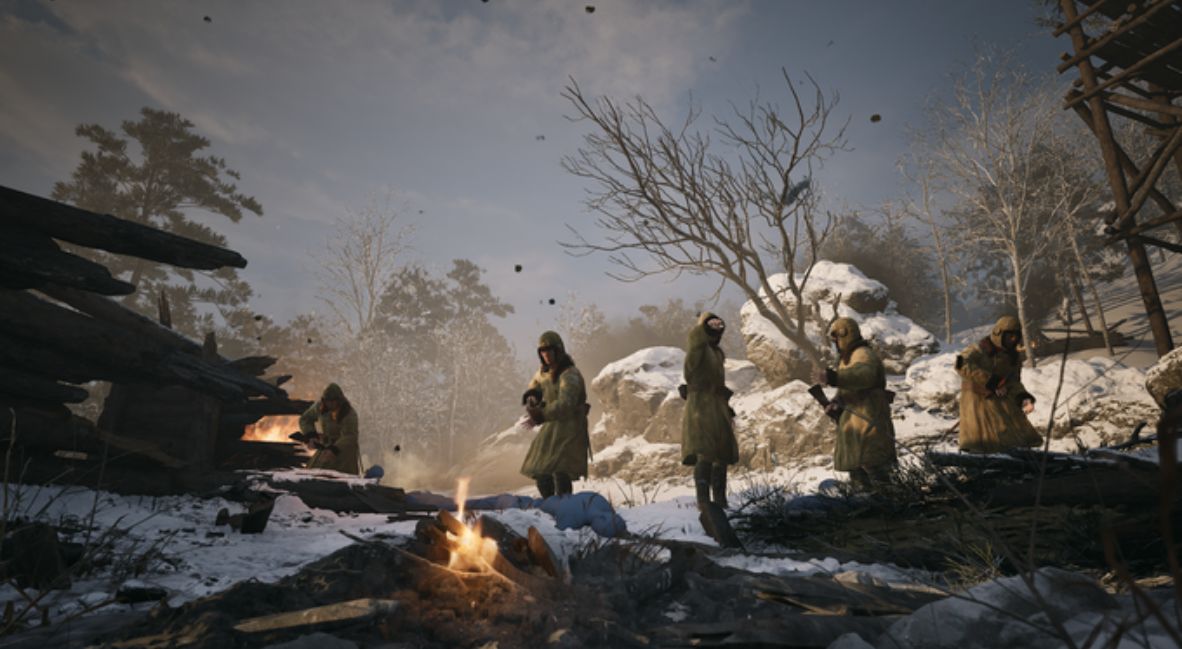
As I picked up my bag and began my trek back across Gamescom’s many halls, I thought about the kinds of stories that get told. For a long time, Americans loved to tell stories of the Western Front. The war against the Nazis. Countless films and television series, including Spielberg’s Saving Private Ryan, inspired Medal of Honor, which then led to Call of Duty. Sometimes we even veered into the Pacific, where my grandfather served aboard the only US destroyer ever credited with sinking a Japanese battleship. I remember being drawn to those stories, that connection.
With The Defiant, Chinese developers, like their Western counterparts before them, are telling the story of their grandparents’ war. In many ways, it feels like a game out of time, transported here from the early 2000s. They don’t make ‘em like this anymore. It’s not a bad thing, I don’t think, but it is interesting, and this story, rarely told in the West, interests me even if I’ve only seen a fraction of it.
Perhaps this – a game like this, that looks and plays this way – is the only way we know how to tell their country’s story. Or perhaps Spielberg had it right all along, and the history, the story of what was, is more important. We’ve told ours. Now it’s someone else’s turn.
The Defiant does not currently have a release date, but it will launch on PC.