

On July 20, 1969, the United States made history when astronaut Neil Armstrong landed on the moon. The lunar mission that succeeded in putting a man on the moon came after a years-long space race primarily with the Soviet Union. Consider this: What if the Soviets had won that race? How would history have changed?
In the Apple TV original by directors Kasia Adamik, Nick Murphy, Jamie Payne, and Stefan Schwartz, Star City attempts to answer those questions and more in their alt-history drama. The result is a fascinating “What If?” exercise as thought-provoking as it is unsettling—a story that explores just how easily humanity’s greatest achievements can become instruments of political ambition.
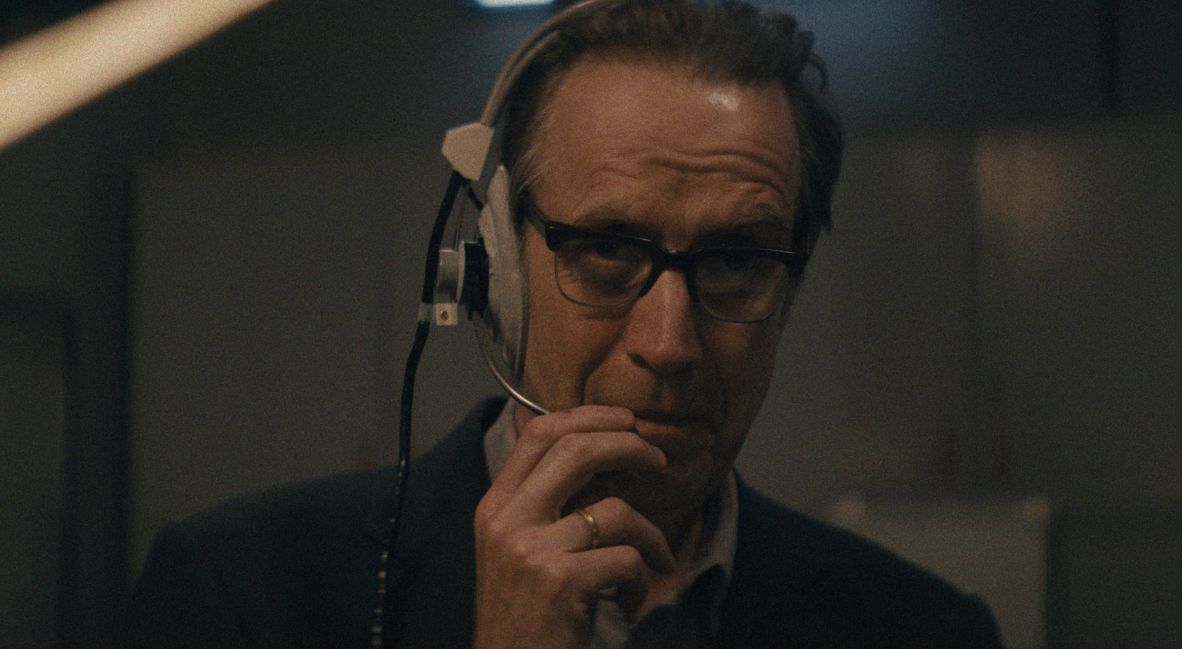
In the opening scenes of Star City, the Soviet Union has just put a man on the moon, beating the Americans to the finish line. In the wake of the Soviets’ victory, the Chief Designer (Rhys Ifans) looks ahead to being the first to put a woman on the moon as well. Meanwhile, an operative for the Soviet regime, Irina Morozova (Agnes O’Casey), realizes that the investigation into the female cosmonaut assigned to the mission has resulted in her false arrest.
Star City Season 1 shows For All Mankind viewers what was happening in Russia in this alt-history drama.
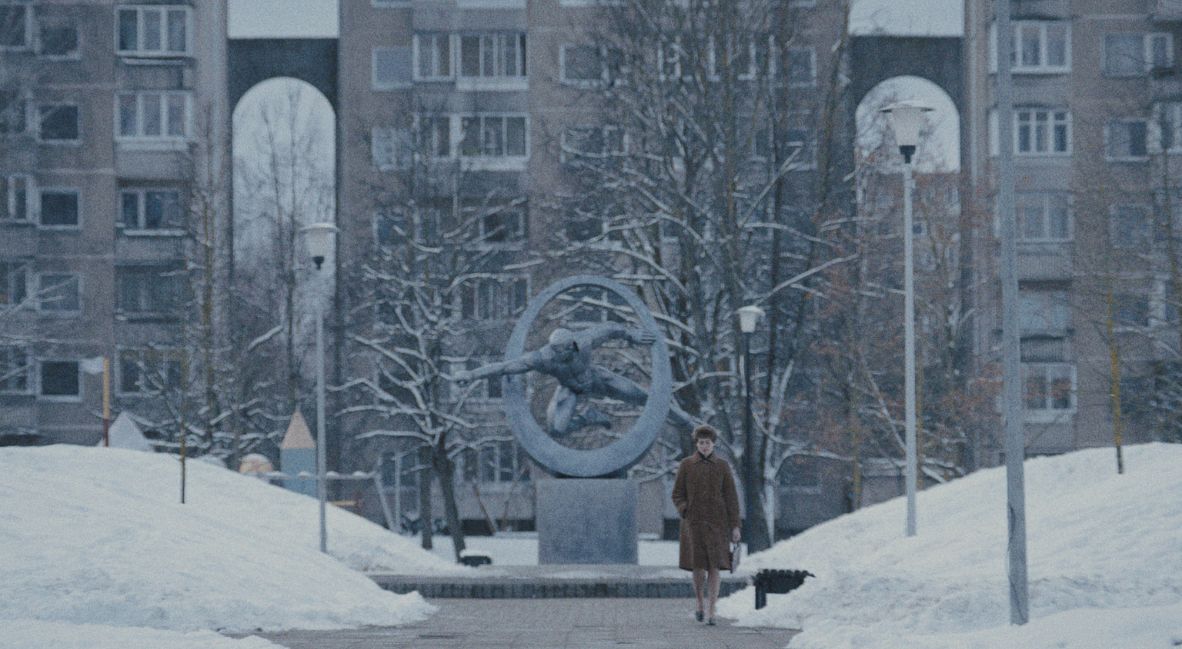
Attempting to do good, Irina brings evidence of her innocence to the head of Star City’s security, Colonel Lyudmilla Raskova (Anna Maxwell Martin). Irina learns the important lesson that the Soviet Union does not arrest innocent people, as Raskova, knowing the truth, executes the young cosmonaut in her cell.
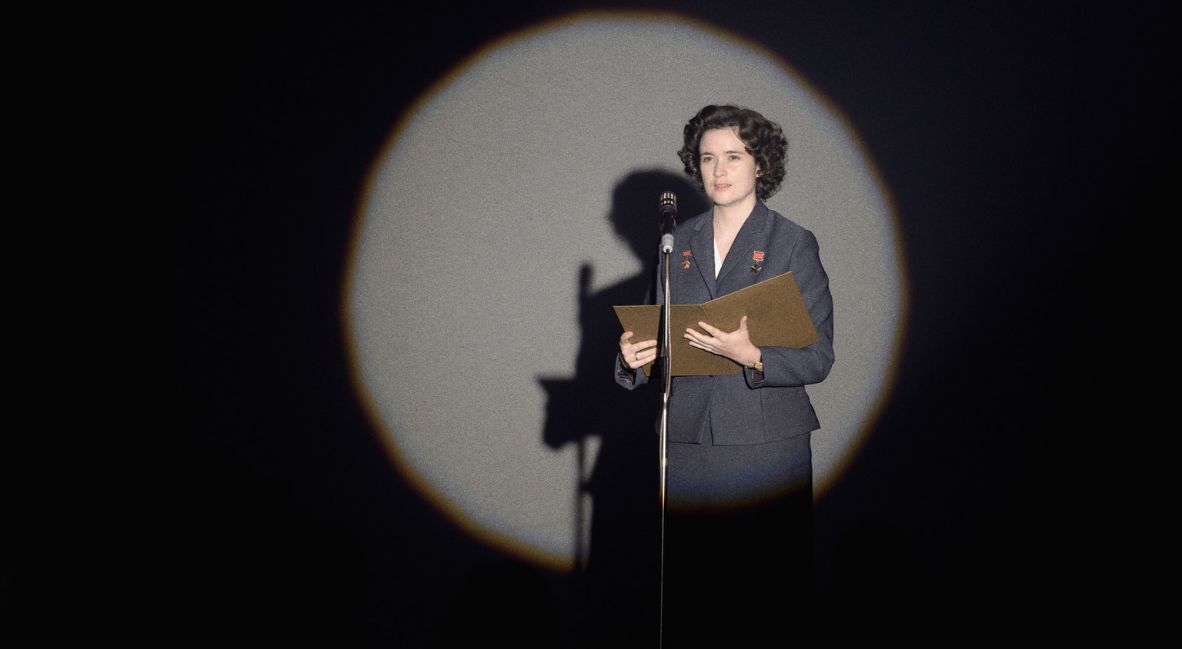
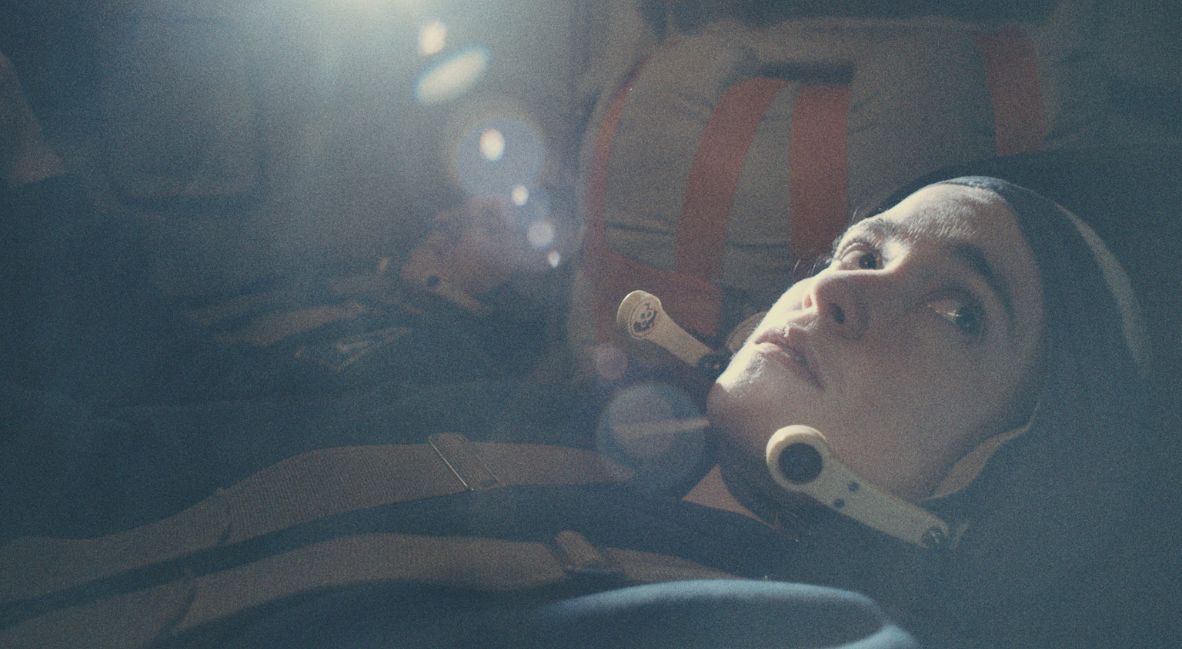
The woman set to replace her on the lunar mission is Anastasia Belikova (Alice Englert). She’s a yes-woman for the powers that be, a patriot whose only thought is to bring glory and honor to the Soviet Union. All of that is challenged when she learns about the woman she replaced during her voyage to the moon. She abandons the speech she was given and goes completely off-script to praise the people who made this journey possible for her and to encourage her compatriots never to forget them.
The Soviets are quick to mute her microphone while the news announcer says there must be some kind of technical failure. Upon returning, Raskova meets Anastasia at the landing zone with a woman who looks an awful lot like her. All this to show her that she is fully replaceable.
And Belikova once again bends the knee. A marriage to fellow cosmonaut Sasha Polivanov (Solly McLeod) is arranged, and Anastasia becomes a symbol of the era, signifying to the world that the Soviet Union believes in female excellence.
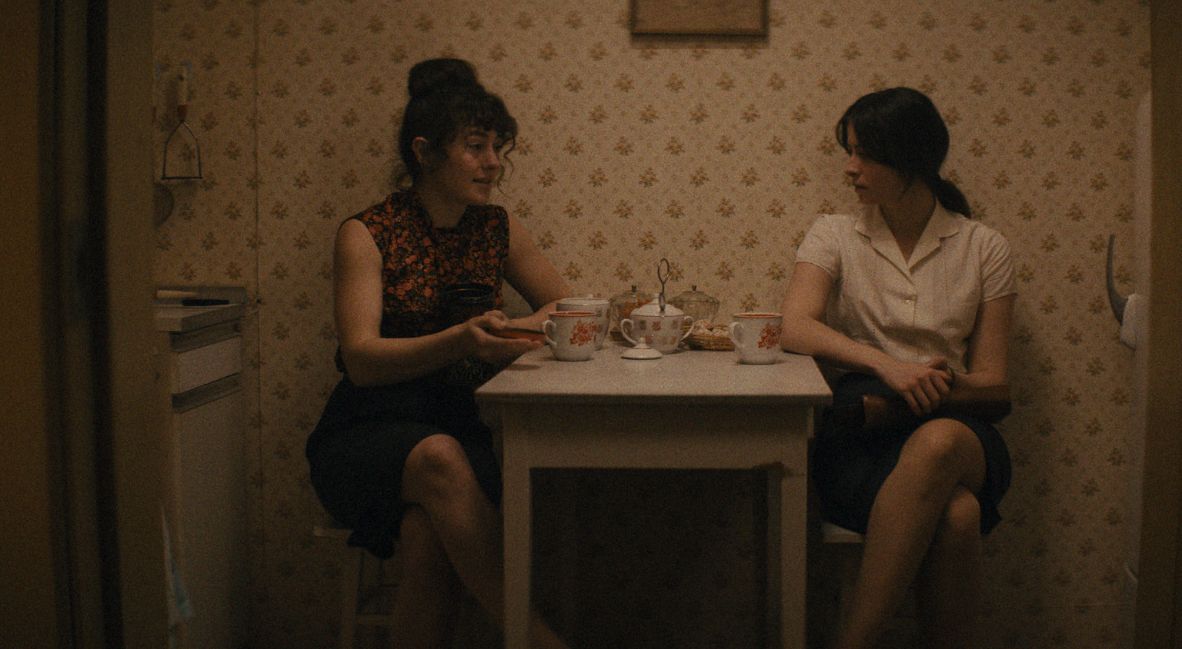
Valya Miranov (Adam Nagaitis) is another scientist and cosmonaut at Star City. His wife, Tanya (Ruby Ashbourne Serkis) is a free spirit that feels dampened by the confined life of living within the walls of Star City. She listens to banned music, refuses to be a doormat for her husband or any man, and even has an affair with Sasha before his marriage is arranged. Sasha loves Tanya and begs not to be forced into marriage with Anastasia but ultimately knows his place.
This Apple TV spin-off series forges its own path with a heavier story.
From there, the series spends its time focusing on The Chief Designer’s seditious act of defying The Kremlin’s wishes to build a lunar base in favor of making Russia the first country to visit Venus. As his life and career entangle with those of Irina, Belikova, Raskova, and the Miranovs, we’re given a story that serves as a stern warning against giving the government too much power over the people.
There’s no doubt that the theme of Star City is that everyone is just another cog in the machine. That simple premise does a lot more heavy lifting than it seems at first. Each person in the main cast acts with individual motivations and beliefs but also understands that the only will that truly matters is whatever the Soviet Union has determined for their life.
The Chief Designer is the oldest of all of the characters. He fights for what he believes in and is a true patriot in the sense that everything he does is motivated by a desire to benefit the Soviet Union. When the Kremlin declines to spend more time and money going to Venus, the Chief Designer is unable to see their logic.
It’s the Chief Designer’s defiance of his government that is an act of sedition, and he even warns anyone who helps him that they’ll also be guilty of treason. He knows and understands the risks but believes the best thing for his country is to be able to say, “We got to Venus first!”
So, he enlists the help of other engineers and cosmonauts, and even brings in a scientist from India. The Kremlin simply isn’t interested in his opinion or motivations. To them, he’s just another cog in the machine.
Star City Season 1 reminds us that everyone we meet changes us.
Anastasia is first introduced specifically as one of those cogs. Being sent up as the first woman to land on the moon is a move designed specifically to make sure that the symbol of female excellence is also fully moldable. They don’t want just a yes-woman. They want to use her as a speaker. It’s her decision to defy orders and go off script that shows even those who believe in their government’s cause can still question whether or not it’s right.
This extraordinary detail helps understand what’s happening in every single character’s story arc. Some characters’ position at the end of Star City Season 1 is so vastly different from where they started. In some cases, that’s because of personal growth. In other cases, it’s because they became hardened or ambitious.
Irina begins her story unwilling to kill a wrongly accused woman. She works hard to act as a sort of double agent, helping out Tanya Miranov, a woman she was tasked with monitoring through the use of wiretaps. Every time she interacts with Tanya or with Colonel Raskova, there’s a small part of her that changes forever.
It’s a wonderful reminder of how people shape us. Every relationship — friendship, romance, brotherhood, parenthood, childhood, etc.- is our own personal building block. People don’t become who they are without the direct influence of every single person around them.
Star City Season 1’s remarkable score builds up its story.
Even Colonel Raskova, who appears on the surface to be cold-hearted and detached from any morality whatsoever, has been shaped by years under Soviet rule. While she’s portrayed as one of the series’ greatest villains, she’s also just another cog in the Soviet machine. She answers to people far scarier and more villainous than even her.
If there was one place to nitpick, it’s the lack of real depth of character in Raskova, which is a shame because Anna Maxwell Martin plays her with a lot of richness, nuance, and gravitas. There’s a version of this story that could give us more background into Raskova as a person and maybe even some flashbacks of a young and hopeful Lyudmilla. Instead, we get one small exposition piece to remind us that she too is human.
Tanya, the free spirit, has her world turned upside down when she learns how the machine changed her life. She goes from the bored housewife who longs for more to being a woman with perhaps too much excitement in her life. Her husband, Valya, is also just another victim of the regime’s totalitarian grip on its people. Decisions Tanya makes affect Valya, and, in turn, Valya’s decisions affect many more people.
There’s this amazing throughline in the storytelling: in the Soviet Union’s efforts to control people, they’ve done a fantastic job of changing them. Sometimes that change is for the better, and sometimes it isn’t. The Chief Designer is a patriot, but the firm hand the Kremlin wields pushes him into seditious acts. Irina is hopeful and tries to help Tanya but, after getting burned, is pushed into a darker place.
Every character carries the weight of their complex choices in Star City Season 1.
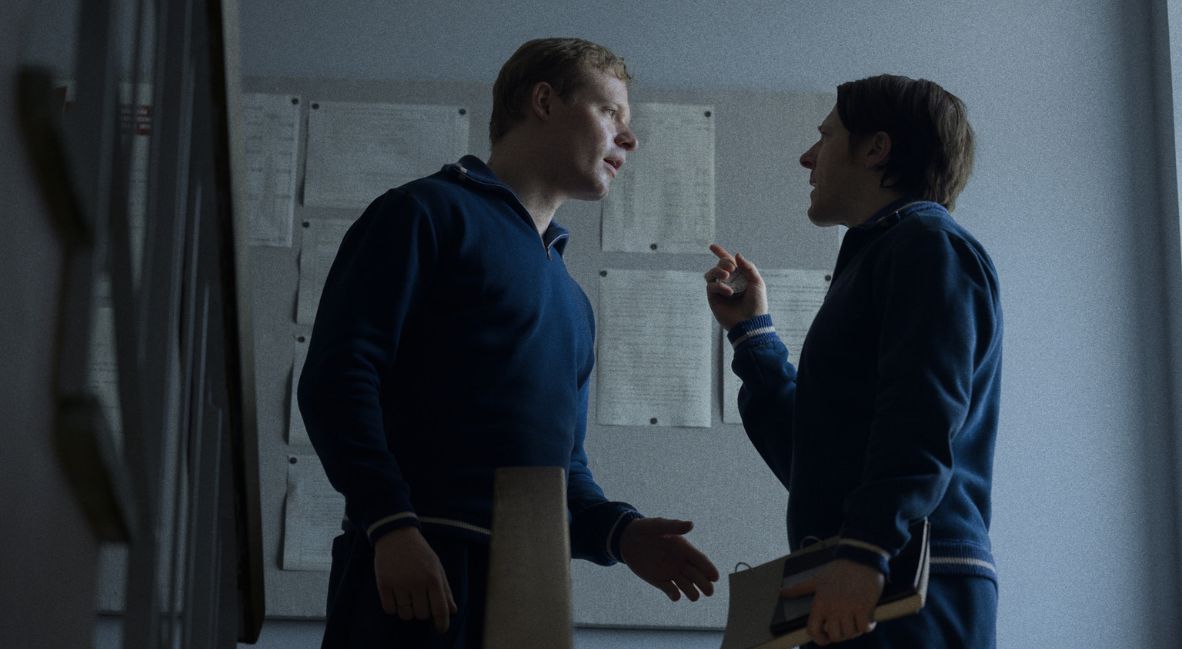
Tanya’s decisions anger the government and push Valya to make unspeakable choices, despite everything in him wanting to make a different one. Anastasia is forced into silence. Sasha, the stoic cosmonaut who follows orders, even comes to see how the Soviet Union has affected his life and ultimately becomes a different person in the final scenes of Star City Season 1.
Considering the political climate here in the United States, it’s important to hear this cautionary tale for what it is — a dire warning to not be changed in the face of adversity. While we may not be citizens living in an alternate Soviet history, people are challenged every day to decide what kind of humans we’re going to be. Star City is reminding us that those in power can push us along, but ultimately we’re the only ones who can choose.
The cast makes these messages truly come to life. While Anna Maxwell Martin as Colonel Raskova is the highlight, it’s important to note that she’s just one of many great performances. Rhys Ifans as The Chief Designer is stoic and fierce.
He plays on The Chief Designer’s resolve with amazing results. Agnes O’Casey is perhaps the most versatile because of the intense changes her character goes through. She plays meek and timid early on, very well, while making loyal-to-the-machine look effortless later on.
Apple TV’s alt-history series asks questions of its audience, but not alwayss what you initially think.
Adding to their incredible performances is an equally impressive musical selection. The show’s composer, Federico Jusid, has an amazing score for the opening of Star City that, when mixed with the on-screen visuals, evokes a Game of Thrones vibe, one of the most notable openings in television.
Christine Greene Roe served as the series’ music supervisor and oversaw the selection of a wide array of Soviet and Russian songs to use as the backdrop to the Cold War setting of Star City. With an excellent score and a pristine selection of licensed music, Star City clearly understands music’s power to move people.
While the major story beats are concluded by the end of the season, Star City leaves more questions than answers. Fortunately, a second season has already been announced with a June 2027 release date. Had the show been canceled before then, the ending would have been extremely unsatisfying. At least there is some solace knowing that this story is not yet finished.
On the surface, Star City begs the question, “What if Russia had made it to the moon first?” But perhaps it’s asking far more than that. While characters wrestle with their personal choices in the face of extreme authoritarian rule, the series inherently asks each viewer, “What would you do?” The result is a show that is entertaining but, more importantly, thought-provoking. As the audience sees the effects of living in Soviet Russia, we find ourselves faced not just with “What would” but with “What will you do?”
Star City Season 1 is streaming now, exclusively on Apple TV.
Star City Season 1
-
Rating - 8.5/108.5/10
TL;DR
Star City begs the question, “What if Russia had made it to the moon first?” But perhaps it’s asking far more than that. While characters wrestle with their personal choices in the face of extreme authoritarian rule, the series inherently asks each viewer, “What would you do?” The result is a show that is entertaining but, more importantly, thought-provoking.