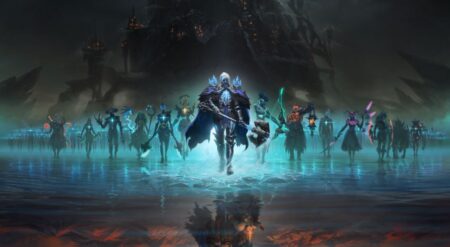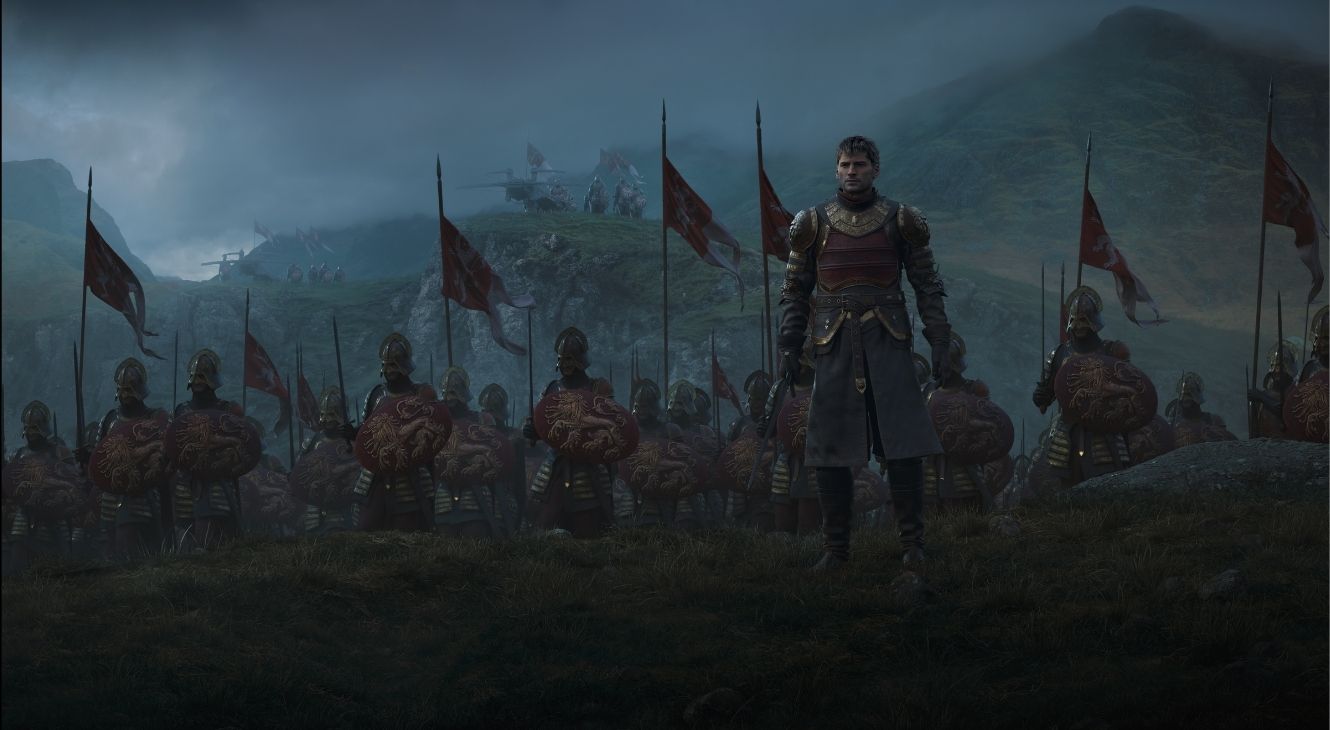
Game of Thrones: War for Westeros isn’t the first time the hit HBO series based on the works of George R. R. Martin has made the jump to video games. But it is the first time that it hasn’t been kept as only a mobile title. Developed and published by Australian studio PlaySide, War for Westeros is an RTS title that puts players into fighting for the Realm as one of the great houses involved in the fight for the Iron Throne in the series.
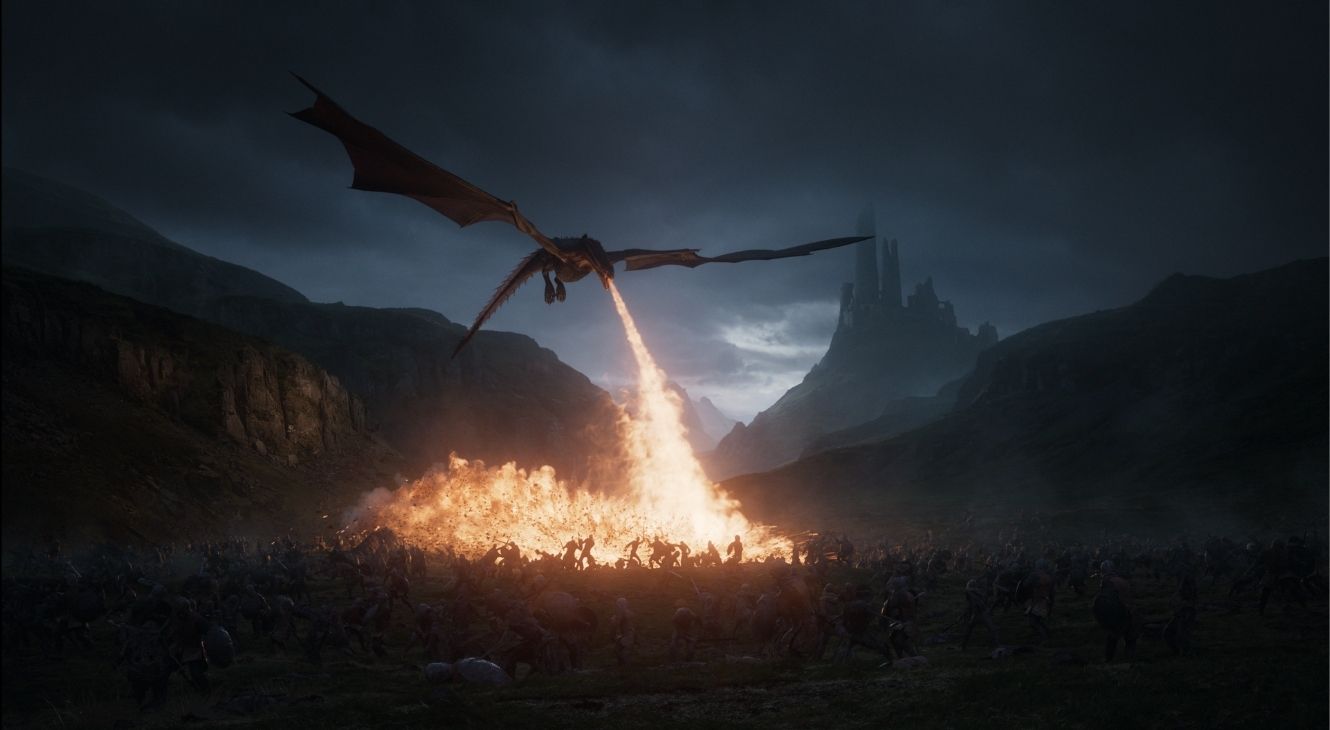
Made in collaboration with Warner Bros. and HBO, the game has adapted the strengths and weaknesses of the great Houses of Westeros into RTS mechanics. With the ability to step into one of the Houses, players get to partner with Wildlings and the Night’s Watch, rain wildfire down on their enemies, or even send a Dragon from the sky to turn the tide of battle.
While we’ve only gotten the chance to play as House Stark and Lannister, the game’s attention to Game of Thrones lore is immediately recognizable in how the matches progress over time. During GamesCom 2026 in Cologne, Germany, we got the chance to speak with PlaySide’s Ryan McMahon, who serves as Game Director on Game of Thrones: War for Westeros.
In our conversation, we discuss the importance of spectacle in the world of Game of Thrones, what it was like to collaborate with HBO and Warner Bros., the importance of being a good RTS first, and more.
This Game of Thrones War for Westeros was conducted on-site at Gamescom 2026 at the PlaySide booth in the Australian pavilion and has been edited for length and clarity.
BUT WHY THO: I guess I have my own notebook. I got everything going here. My first question is: you guys get to work with this large IP. What was it like working with them? I mean, was it hard? Did you like it? There’s a ton of source materials. As I said, there’s all this other stuff that you have to combine and restrict. You get any? Did y’all have free rein to do anything you wanted to, or did you have to hold any part of it?
RYAN MCMAHON: To a degree, with respect to the IP, of course. Right. We’ve got a lot of really passionate Game of Thrones fans in the office, myself included, with a lot of us reading the books. We watched the show multiple times. We play the board game. We play the NutriGame. For us, it’s about doing the source material justice as much as possible.
The license is specifically for the show, though. So we’re working with it by putting constraints on this whole television series. But working with Warner Bros. HBO is great. I think it’s more of a creative collaboration with a lot of ideas, rather than like being told what to do or us being rejected or anything in particular. It’s a really fun, creative experience where both sides ultimately just want to make a great game.
BUT WHY THO: What was it like, kind of, adapting all that stuff to like actual RTS mechanics?
RYAN MCMAHON: I think that the Game of Thrones universe lends itself really well to strategy games and real-time strategy as well. As I was talking about earlier with you, we kind of separate the faction mantra from gameplay for a moment. We break them down in terms of, like, what are the key words that resonate with us when we talk about this faction.
With the Lannisters, you think gold, wealth, power. Then, [when] you think of the Starks, you think of honor, of unyielding resolve. You think of this unity that they have in the North as well. These are sort of the keywords we look [to] and try to take into [account] when we design faction mechanics around this.
If we look at Lannisters, we can see they’ve got this debt mechanic where they can go into debt and overspend their gold, but then they have to pay their debts back because “a Lannister always pays their debts.” They also have the ability to trade gold for influence. So gold is our primary resource, influence is our secondary resource, and the interchange between them is a mechanic that’s specifically unique to the Lannisters.
Whereas the Starks, on the other hand, actually have this Northern Alliance that they’re working towards, where they can get access to both the Free Folk—Wildlings—and the Night’s Watch. As they work through their progression, they can only build one to start. Once you pick Free Folk, you’re locked out of Night’s Watch.
Once you build Night’s Watch, you’re locked out of Free Folk until you get to the research deck, where you research the Northern Alliance and unite both the Night’s Watch and the Wildlings under the Northern Alliance, so that’s like an interesting thing. We talk about the unity of the North as well.
BUT WHY THO: You’re working with two different groups. You have people who love Game of Thrones, and you have people who play RTS games, and obviously there’ll be a bunch of people [who overlap], but there are people who will be playing this who aren’t familiar with the property’s lore and just the RTS side of things.
If someone comes to War for Westeros and is not that familiar with Game of Thrones, will there be any issues getting started?
RYAN MCMAHON: Hopefully, it gets you into Game of Thrones. [It’s] a great universe to explore. It has a lot of really cool lore behind it. But we’re building it as a core RTS. We wanted to do the RTS genre justice and execute on all the things that [the genre does] well.
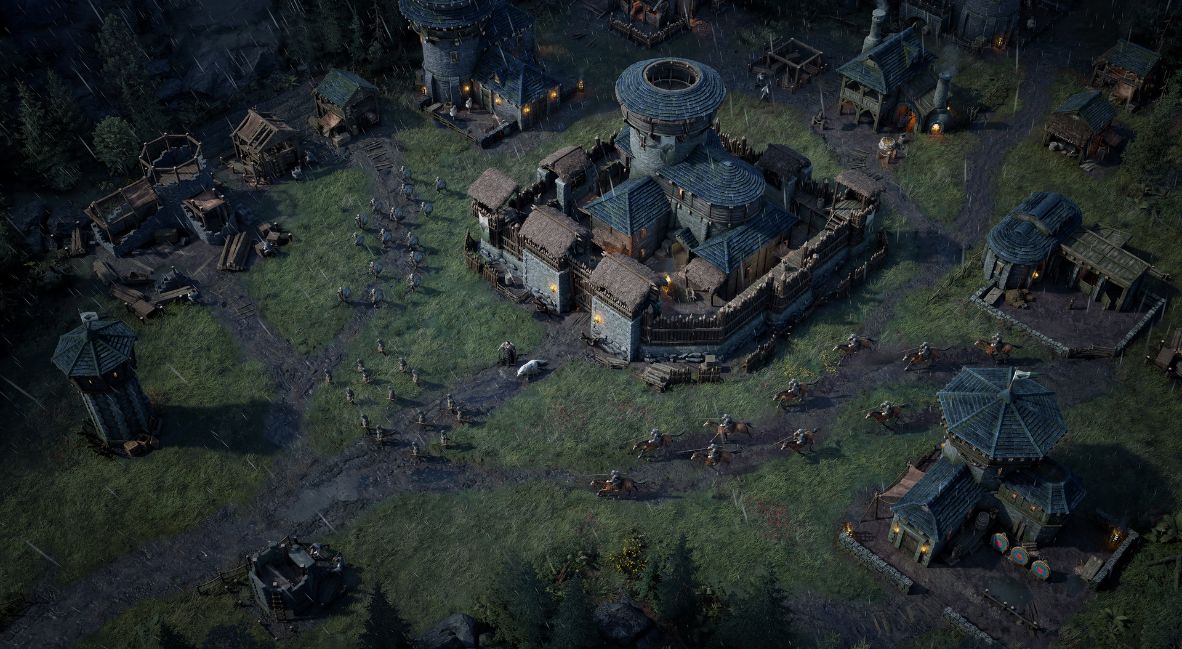
We put a lot of time and effort into the actual RTS systems and mechanics to make sure they feel good. For us, it’s about making sure there’s a good game that appeases the RTS players and makes them happy, so that they actually have a gateway to get their non-RTS fan friends that maybe like Game of Thrones into the genre as well.
BUT WHY THO: As we all know, all the Houses aren’t equal. What were some of the challenges in balancing the Great Houses?
RYAN MCMAHON: All that comes back to the [match progression of the game]. You don’t just start with a dragon, and you don’t start with wildfire. These are things you have to work towards over the course of a game. And for us, our design philosophy is very much a rule of thumb. We’re not trying to create this perfectly balanced symmetric RTS. Asymmetry is a big factor in the flavor for how these all play, and it’s okay if there are power spike moments where one faction does excel and does really cool things, but there needs to be counterplay opportunities within the other factions to also match that strength.
When we look at the targets, it’s obvious we have dragons, but that’s like a late-game unit they have to really work towards. And as an opposing player, I have the ability to shut you out of reaching that point; as a Lannister, I get to work towards wildfire. I also get to access your siege weapons like scorpions and trebuchets, and as the Starks, I get access to catapults, giants, and men-at-arms from the Night’s Watch and the Free Folk as well.
I think as long as people are having fun with it, and it creates a moment that you want to go away and talk about, like, “Oh man, remember when you finally got that dragon out? I thought I stopped you. I thought I could be that one dragon, but then you brought the other two out, and it was over from there, man.” Those sorts of stories are the things we want to create.
Or even “I had this army that was way bigger than yours. I didn’t know what you were doing, and it turns out you built all, spent all your gold building wildfire caches in the ground, all outside your base. And when I marched my army in, it blew up. My entire army burnt up in wildfire flames, and you just massacred me.” That is a moment we want people to talk about and remember when they play our game and chase moments like that in a skirmish. And rather than trying to nerf it because it feels overpowered, we let it happen, but require [player] effort to get there.
BUT WHY THO: What went into terrain and map design? Did the houses come into play in terms of designing the maps? In the trailer, we see the White Walkers bring ice, so I was wondering how you all designed that.
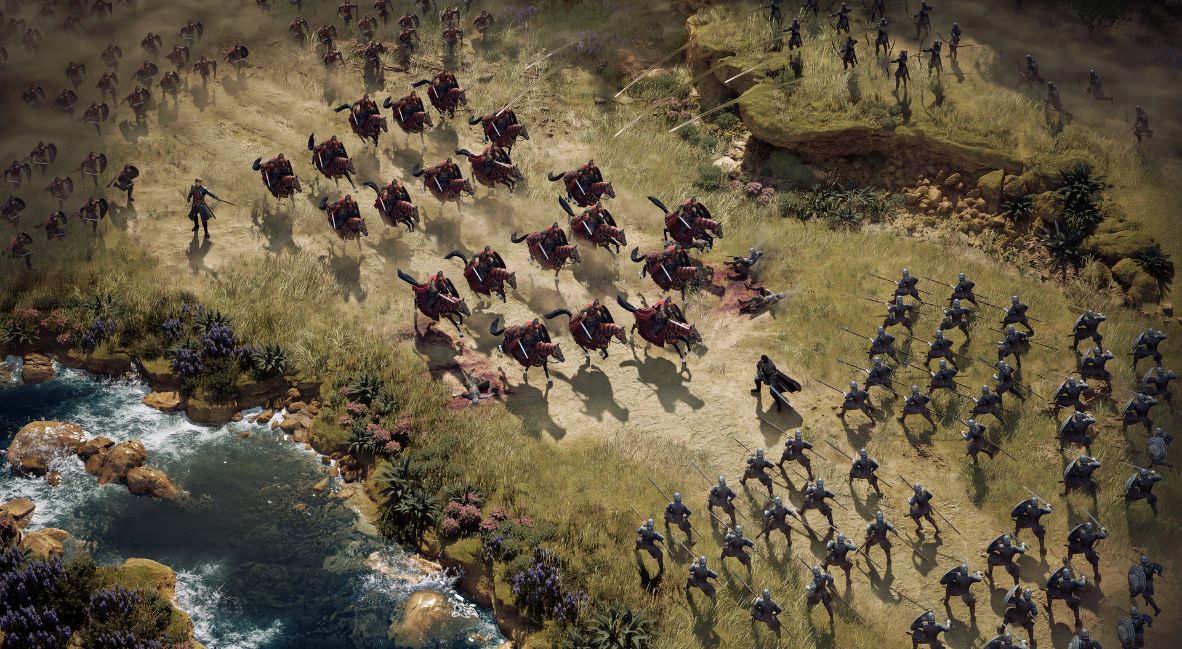
RYAN MCMAHON: No, not necessarily for different Houses. When you see that frost coming in, that is actually part of what the White Walkers can do with their action mechanics. But level design definitely plays a big part in terms of how you approach a match. So you might have a strategy, playing as a starter, where you like to go a Wildling build on a certain map, but you might get another map that actually lends itself to more of a defensive play style, so you go the Night’s Watch.
Every map sort of is another layer where faction versus faction, the way you play starts against Lannisters, will be different from how you play them against Targaryens, and then as well the map on top is another layer of decision-making of how I might want to play the game differently to get the best results. We have a mix of symmetric and asymmetric maps, which created quite a variety of different ways of playing as well.
BUT WHY THO: What went into designing the campaign? Because obviously, you said that you had almost free rein and could kind of do whatever you wanted. What story were you all hoping to kind of portray and showcase?
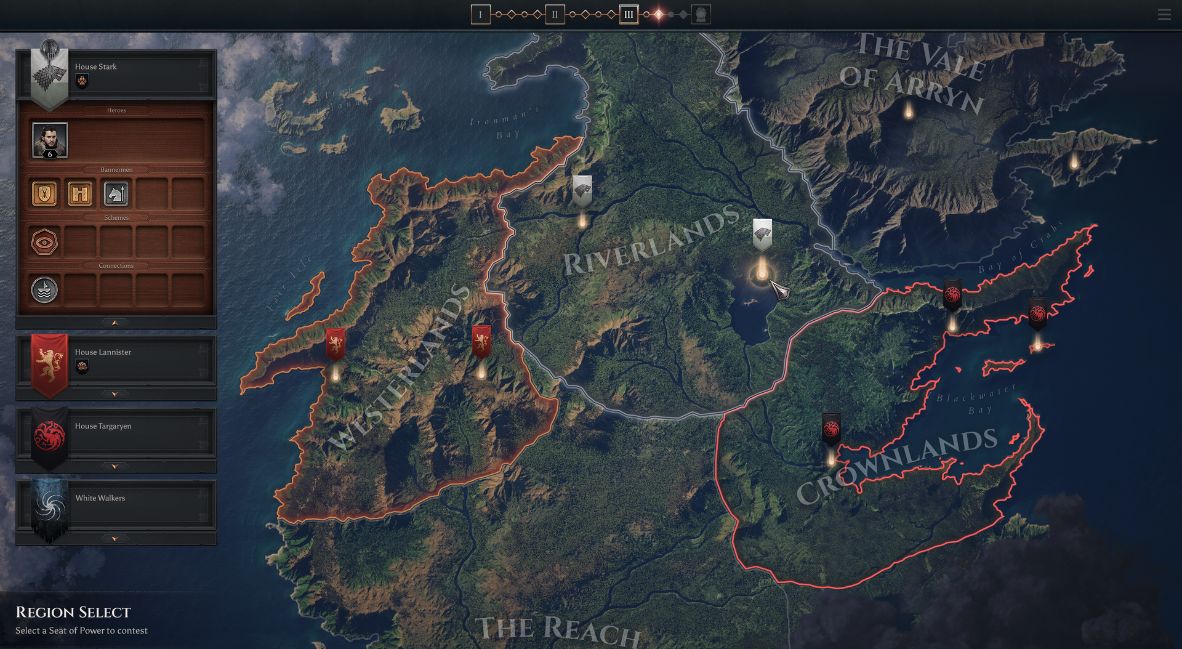
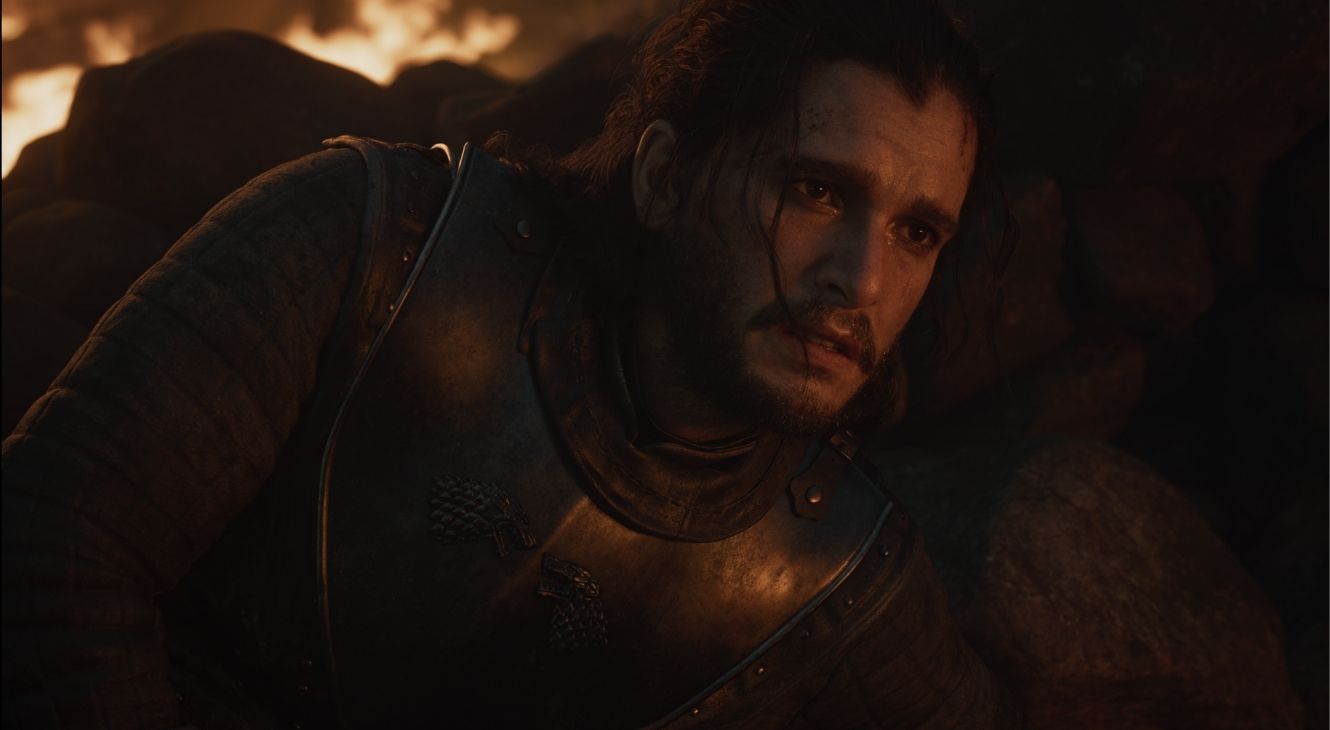
RYAN MCMAHON: I mean, we didn’t exactly get free rein. But it’s been a collaborative partnership to make sure we’re both happy with the story that we’re trying to tell. The campaign is more of a sandbox-style campaign that follows the player’s journey, going through the world of Westeros as they conquer it for the faction they choose to play. It doesn’t take place at any certain point in time in the show.
We take a bunch of different heroes and characters and different parts of the factions from varying points of the show, and kind of mash it all together to allow you to demonstrate them at their full force. But through the campaign, you’ll go through a series of conquest battles. You’ll play different skirmishes across different territories, try to claim them to basically conquer Westeros, and work towards claiming the Iron Throne.
Through that, you’ll also be met with some high-stakes moments through dilemmas in a political area of alliances and betrayals where you can ultimately decide not only whether you win the Iron Throne or not and sit your faction on it, but who, and which of your heroes, sits on it as well.
So there’s a lot of replayability and depth in how you choose to go about the conquering of Westeros, the moments that can happen as you go through those phases, and who then ultimately ends up being on the [Iron Throne] is a real character.
BUT WHY THO: What was the one thing that you felt that you all had to get right? Like, okay, we’re doing Game of Thrones, we’re doing an RTS, we need to make sure that we get this one thing right. If we don’t, people probably won’t be happy.
RYAN MCMAHON: I mean, the biggest lens for this is probably the RTS side of things. [It was] actually making sure that I’m finding the responsiveness and tactile nature of the unit behavior feels really good because I think it’s a really hard thing to do well in RTS, and when it doesn’t feel right, it’s where you lose a lot of players.
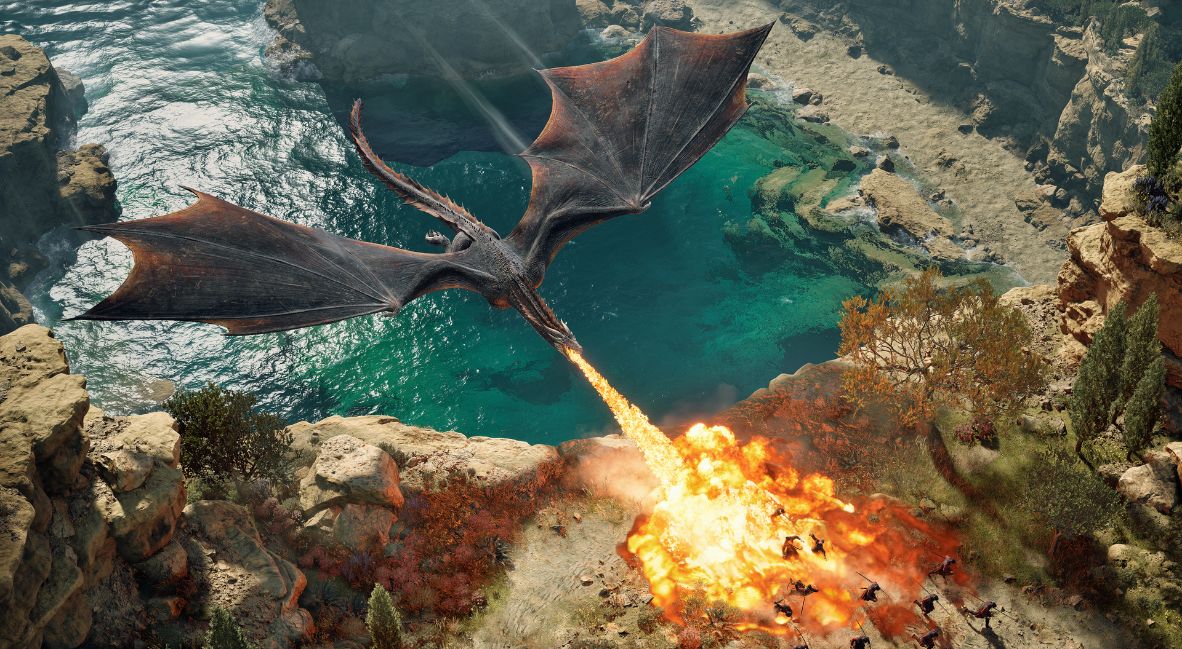
They have high expectations there, but when it comes to combining RTS with Game of Thrones, I think it ultimately comes down to spectacle. We want the thing I was talking about earlier: having these moments that you can just sit there and go, “That was a cool moment. That’s memorable. I want to talk about it.”
That’s something we want to really capture and make right. And it’s also reminiscent of one of our inspirations, Battle Fiddler. It’s a very good game with a lot of physicality in the combat, and it creates spectacle moments that are very memorable. It’s something we want to capture as well.
In addition to that, I guess making sure that we do justice to the IP, making sure that people feel that they can feel Game of Thrones through the game and feel like they can also have the agency to tell their story through it as well.
BUT WHY THO: [War for Westeros] is multiplayer, correct? Do you all have plans for doing co-op at all, or are [you all] just sticking with multiplayer?
RYAN MCMAHON: We’re trying to support as much as we can. [We have ] a single-player campaign, we’ve got multiplayer matchmaking, and then our co-op comes in; it’s more of a teams format, so you can do 2v2s. And the 2v2s can be done against AI or against other players, and that’s sort of our formal co-op at the moment. In terms of the specific co-op mode, we plan to expand our game modes post-launch, but [we can’t share] what that looks like right now.
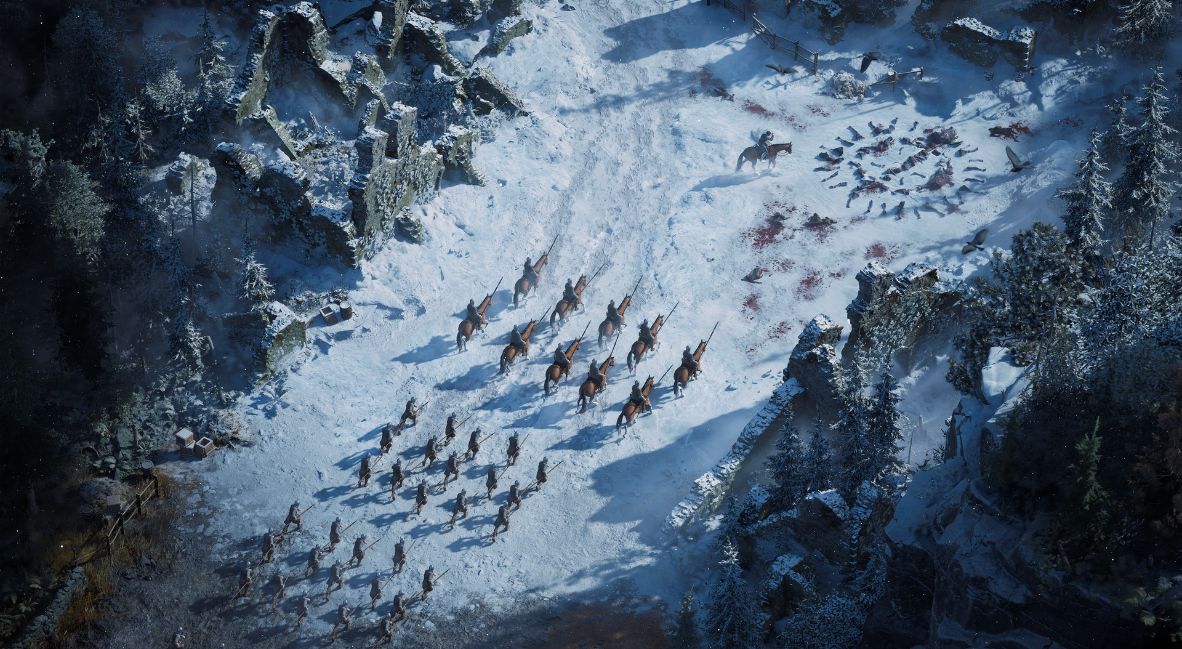
BUT WHY THO: When I think of RTS modes, you all have Annihilation where you just want to destroy [the enemy] base. But why do y’all feel it was nice to also have more of a Domination-like option in there too?
RYAN MCMAHON: Well, we have both! I think a lot of RTSs have both as well. For us, it’s about having multiple ways to close out a match, and it kind of comes back to what RTS players appreciate, which is the strategic choice of how you choose to play the game.
Having the Domination victory lends itself to more of a defensive, turtle-style player who wants to slowly build up, claim one territory, wall it up, defend it, and then slowly re-expand and move out to others. And it also helps close out the game where there’s a big skill gap between players as well, where maybe you know they’re being too difficult, and I can’t close it out through Annihilation.
It [also] just creates a natural timer for the game if someone’s obviously winning the game. The other good thing about territory and Domination is that it creates natural areas of conflict in the map design itself. And based on the map that you’re playing on, how many territories it has, and where the territories are located, can create some really interesting tension points for you to play on as well.
Game of Thrones: War for Westeros is set to release sometime in 2027 on PC.