

Square Enix’s Final Fantasy Resonance is the first “mainline” Final Fantasy game to sport the HD-2D style. The now-household term “HD-2D” first exploded onto the scene when Octopath Traveler first came out on the Nintendo Switch in 2018. At the time, we hadn’t seen anything quite like it; SNES-era visuals but with massively overhauled lighting effects, depth of field, and gorgeous water animations were this retro game sicko’s dream.
Since then, we’ve seen a handful of other HD-2D titles grace us with their presence, including two Octopath sequels and a few Dragon Quest remakes. But the art style wasn’t the only thing taking inspiration from 16-bit era classics like Final Fantasy VI and Chrono Trigger.
The turn-based RPG combat and exploration were ripped straight from that era as a love letter to the genre, and as far as homages go, they were incredible. But Final Fantasy had yet to receive a proper entry in this style until now.
Final Fantasy Resonance is the first time the franchise gets the HD-2D treatment.
Final Fantasy Resonance is more of a reimagining of the mobile-only title Final Fantasy Brave Exvius than a wholly original new game. And yet, after about an hour of hands-on time with it, it’s clear to me just how much care and attention was put into Resonance. I even experienced a Ratatouille-style flashback to my days playing Final Fantasy II (or FFIV in Japan) on the SNES, one of the most formative times in my life and a jumpstart to my video game career.
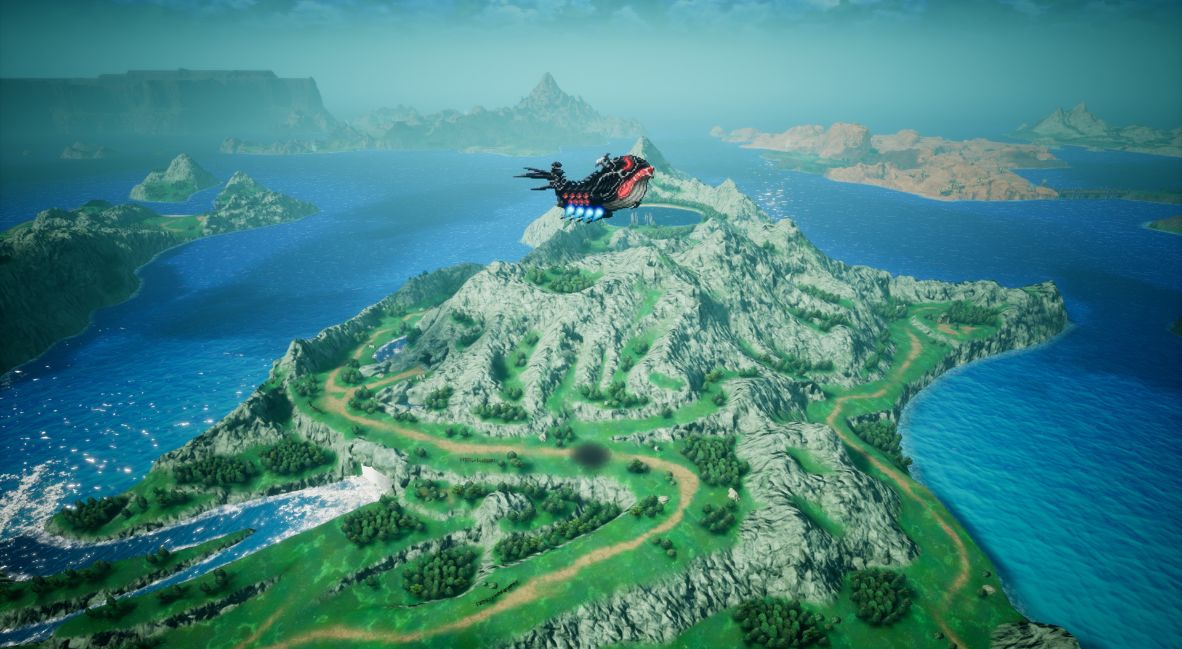
My demo began relatively early in the game’s story at Chapter 2. At this point, four of the game’s eight playable characters have been unlocked: Rain, Lid, Fina, and Laswell. I started in a lush, green world map reminiscent of Final Fantasy games of yore, complete with gorgeous pixelated mountains and a whimsical, catchy overworld theme.
This build of the game was specifically crafted for media preview purposes, so my party was highly leveled for where I was in the story, and I had some strong equipment, making random encounters less of a hassle. But as a traditional JRPG, the combat mechanics are Final Fantasy Resonance’s bread and butter, and they harken back to its roots.
Final Fantasy Resonance focuses on strategy first and nostalgia second.
There’s no Active Time Battle system here, so you can take your time to strategize how you want each turn to play out. Enemies have elemental strengths and weaknesses, as well as a stagger meter that’ll stun them for a turn cycle if filled. Instead of a traditional job or class system, Visions set Final Fantasy Resonance apart from other titles.
These are equippable versions of characters from throughout the franchise’s history, each with their own bespoke abilities and elemental attributes. You can have Cloud from Final Fantasy VII, for example, who uses a host of physical attack abilities to deal big damage.
Characters and Visions level up independently of one another as you’d expect from a job system, and as you level Visions up, you’ll permanently unlock certain abilities the equipped character can use even when partnering with another Vision. I’m someone who loves theory-crafting builds in games like this, and Resonance offers fairly deep customization options to kit out the party to suit my playstyles.
Your party characters can attack and use their own abilities, or you can use Visions’ abilities in their stead. Summons, once again called Espers here, are also available. They require a hefty chunk of MP to call to battle, but they stick around for a few turns.
Final Fantasy Resonance is a striking and beautiful world.
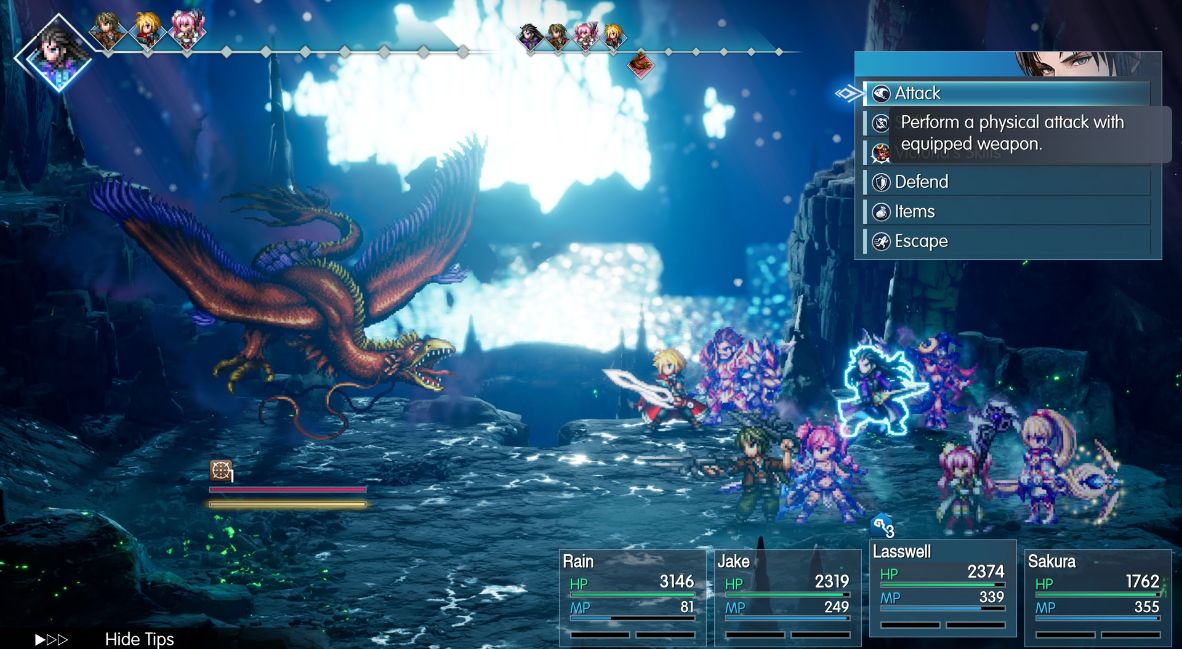
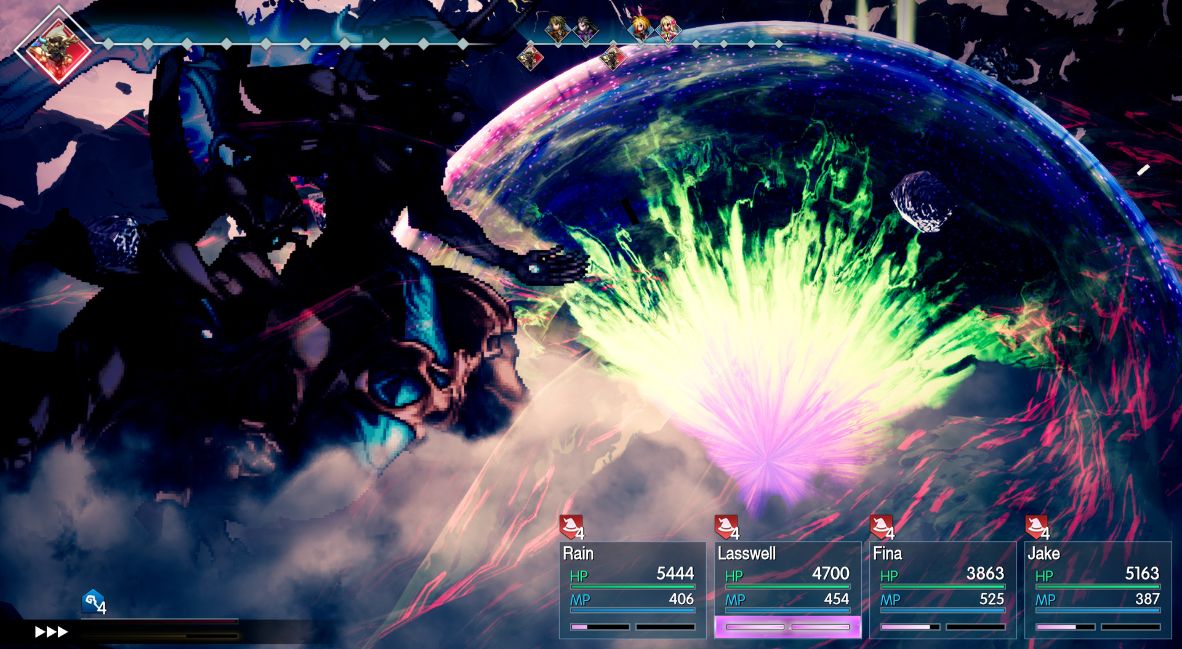
But the best part of summoning an Esper is the return of beautifully animated 3D cutscenes similar to what you see in the original Final Fantasy VII. Even Vision ultimates, fittingly called Resonance attacks, give these characters insanely cool 3d animated cutscenes when used in a battle.
Brave Exvius originally saw Vision characters getting unlocked through mobile-focused gacha mechanics, but here they’re unlocked organically throughout the story – no microtransactions at all, and the game is feature complete at launch, thankfully.
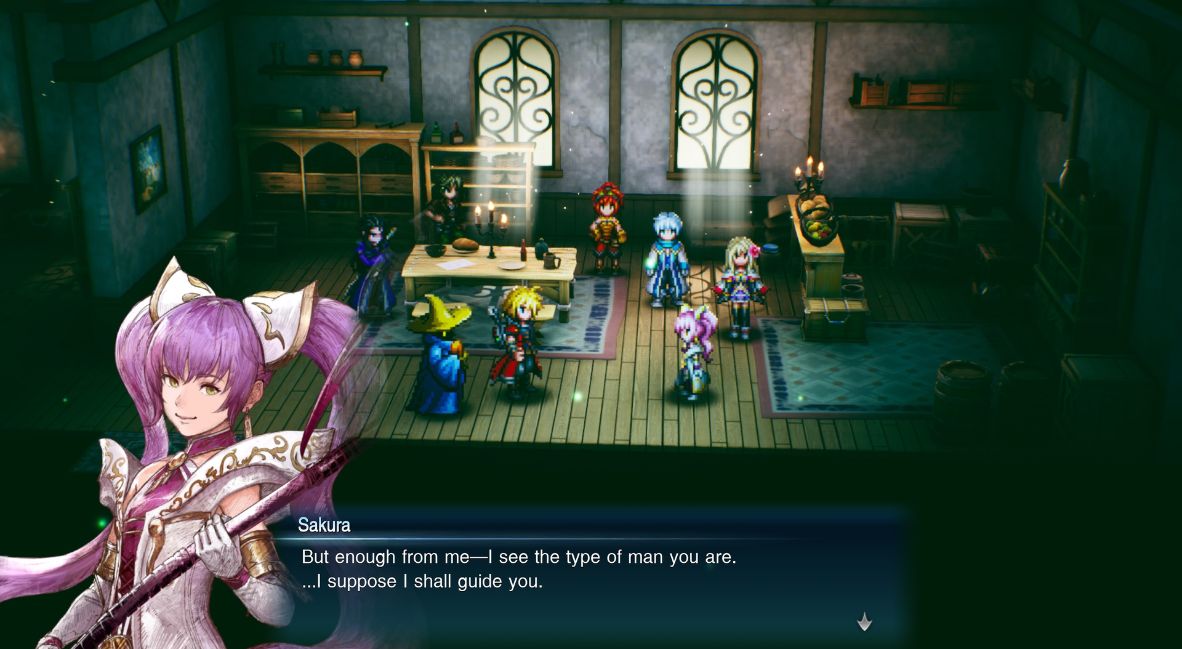
As a game that’s tailor-made to tug at my nostalgic heartstrings, there are plenty of great references and callbacks to the older games besides Visions. There’s a conversation that references the “spoony bard” quip from Final Fantasy IV, the game’s soundtrack (which is incredibly arranged) features plenty of motifs longtime fans will be familiar with, and so much more.
I didn’t get to explore much of the visually striking world, but I can confirm that each area is a somewhat open zone with plenty of side quests to distract you from the main story if you want to grind, discover more characters, and find stronger gear, and you can even do so on a Chocobo.
Final Fantasy Resonance already captures the spark of Final Fantasy nostalgia.
You can also fast travel in this game, something older titles were lacking. And one neat new thing is tied to random battles. The in-game minimap will start to pulse red when a random encounter is about to trigger. For players new to the genre, this could be a welcome addition to know when to heal up before a fight starts.
My demo was capped off by a difficult boss fight integral to the main quest. I can’t disclose many story details, but I can say that the fight was super fun and interactive. Boss fights are some of my favorite aspects of JRPGs, and this battle forced me to think a little outside the box, relying on support abilities and well-timed healing to stay ahead, even with my buffed-out party. I appreciate a level of difficulty that doesn’t just let me attack until I win, and I’m eager to see how more of the game’s boss fights pan out.
I only spent an hour with Final Fantasy Resonance, but as a child of the early wave of these games, it’s a beautiful and engaging JRPG adventure that expertly captures the feeling we can all recall the first time we booted up a Final Fantasy game, and I cannot wait to return to it when it launches.