

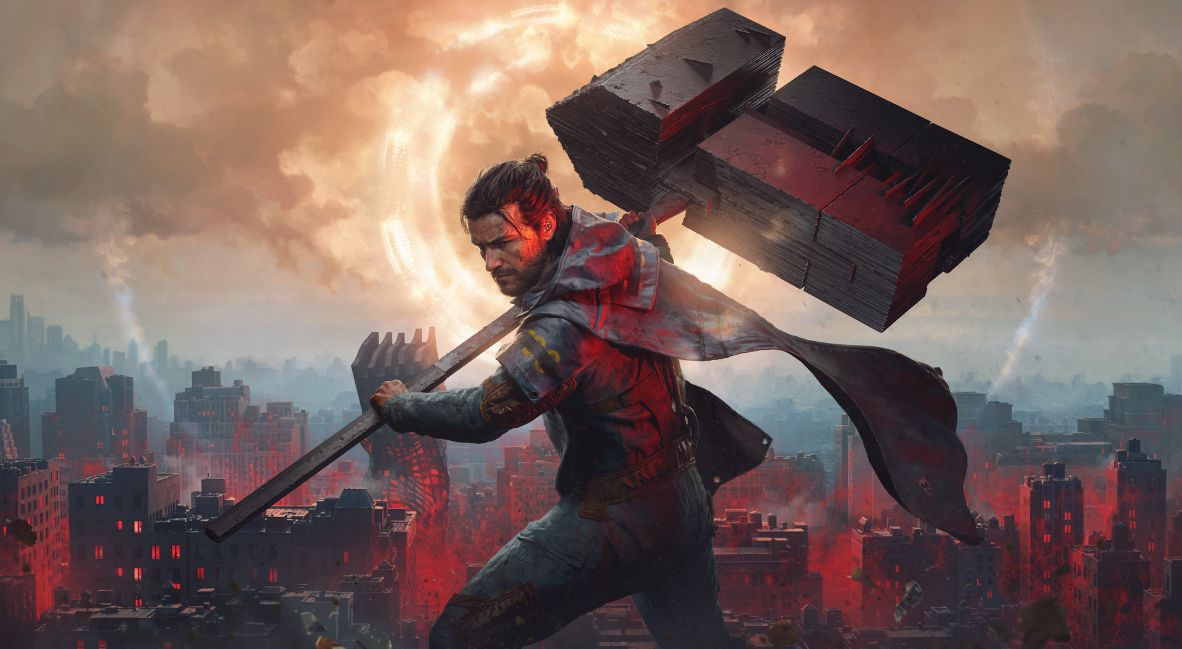
Seven years after Control heralded the RTX graphics age, Remedy Entertainment’s sequel, Control Resonant, goes big in both scale and scope. Presenting a large cityscape full of strange phenomena and otherworldly beings, Control Resonant comes out of the gate at full speed and doesn’t let the player off the weird and wild ride.
Control Resonant finds the brother of Control‘s protagonist, Jesse Faden, Dylan (Sean Durry), taking the leading role for himself. Saved from the supernatural hive mind, The Hiss, using him as a host, Dylan spent the seven real-world years of Resonant‘s development in a coma.
He wakes to find that the Hiss has escaped the lockdown Oldest House that was left in place at the end of Control and is now loose in New York City. Dylan aligns with the Federal Bureau of Control to help contain the crisis.
Combat is a more dynamic central focus in Control Resonant.
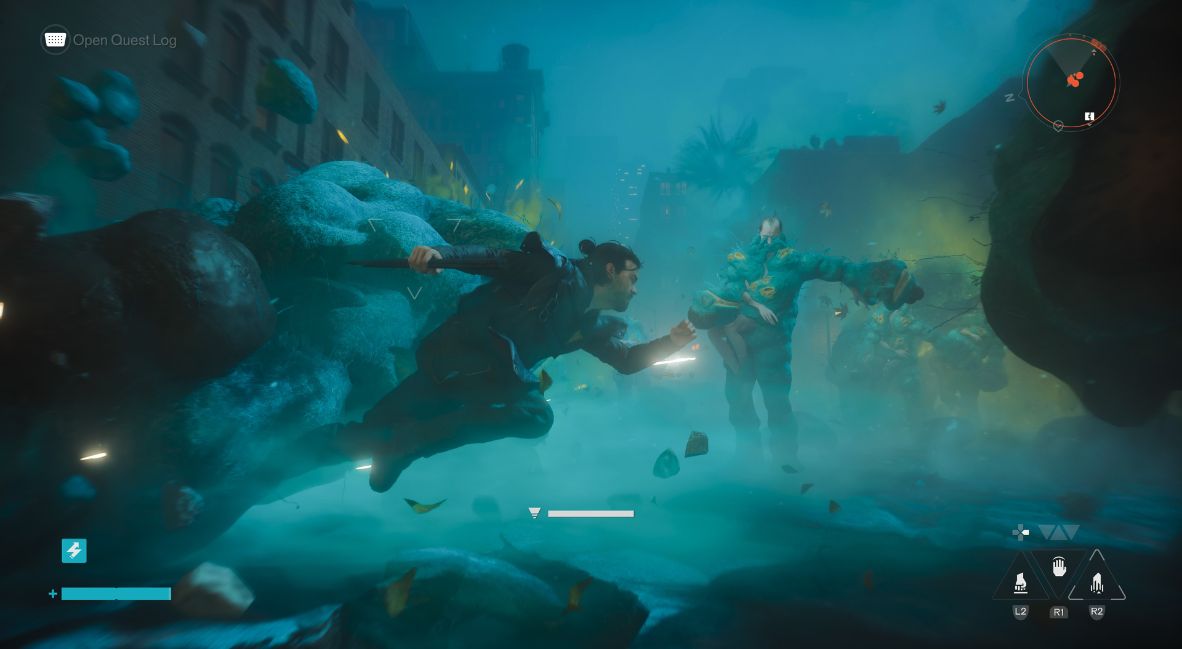
How New York got like this is one of many mysteries Control Resonant throws at the player pretty immediately. There’s no time wasted getting Dylan on his feet and players getting practice with the way he plays, with combat a bigger focus in Control Resonant than its predecessor. Dylan is constantly accosted by hordes of strange entities looking for a fight, and he has no problem obliging.
Like his sister, Dylan has access to psychic powers. He’s also armed with the transforming melee weapon called The Aberrant. While the first game’s Service Weapon – a gun – had some modularity, The Aberrant is flashy and malleable. Deciding which forms to use as primary and secondary weapons at any time is one of Control Resonant‘s most interesting choices. With one button press, The Aberrant becomes a scythe that swings wide arcs; with another, it becomes a whip that closes distance.
Entering a combo transforms into a finishing attack that stacks on the damage. These variants all have different applications depending on the combat scenario and, thankfully, can be swapped from the menu easily, even during combat. Action fans will feel their Devil May Cry muscles twitch, but the execution isn’t quite as fast-paced, unfortunately. Especially in the early hours, Control Resonant‘s various threats are capable of outpacing and swarming Dylan.
The playing field opens up, providing greater scope as you navigate this supernaturally run world.

However, with some practice and experimentation, the way combat actually works really starts to flow. When attacking with The Aberrant’s primary weapon modes, Dylan puts out more damage. But when using the secondary forms, a bar builds up on damaged enemies that can trigger an execution animation. That animation then triggers a temporary flow state that increases overall damage output. Getting into the pattern and understanding how each weapon form achieves it is extremely rewarding.
Leveling up Dylan’s ability is expanded compared to Jesse in the original Control. Upgrades split into various paths that align with the weapon and ability loadout the player prefers. Helpfully, the upgrade menu highlights when an upgrade path is not worth spending points on because nothing the player is using would be impacted by it.
In the original Control, players navigated a warped but closed space. Thoughtful level design encourages exploring the nooks and crannies, but the experience is linear in nature. By comparison, Control Resonant is ten times bigger. The city is full of big story events and side quests, many of which are dropped in chunks to encourage the player to tackle them in their own route.
Elements of Control seep into the follow-up.
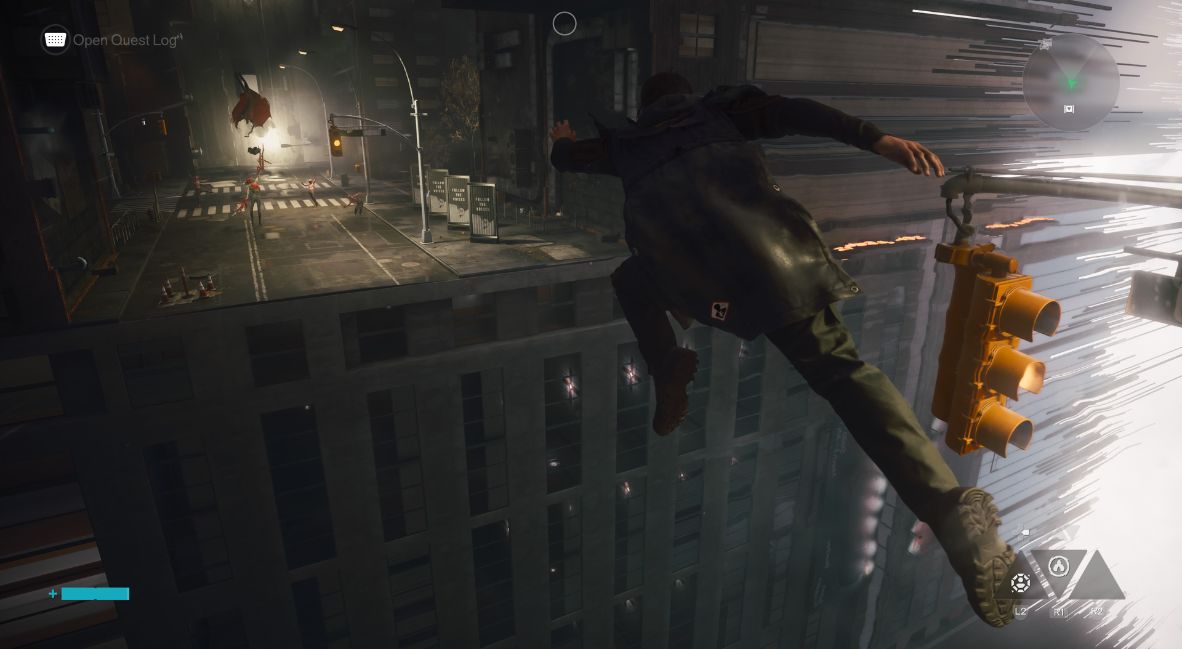
As players progress, they’ll find weirder stories, more unsettling imagery, and some genuinely fantastic moments of levity. Ruining the surprises takes away all the fun, but the more time spent off the beaten path, the better. Side quests are where Remedy fans will find the real freak stuff they want out of these games.
Control Resonant’s vision of New York is warped by the supernatural events of the story, allowing some of that thoughtful level design of the first game to shine through. Even with his powers, Dylan can’t go anywhere he wants at any time. Sometimes a new power is needed from a main story mission; other times the player will just need to orient themselves in a different direction entirely.
In a way, Control Resonant fulfills the promise of an open-world metroidvania better than games like 2025’s Metroid Prime 4. Not even Remedy can escape some of the edges showing. In between the side quests and gooey hallways are common staples of open-world games: map markers, sporadic crates to open, and piles and piles of audio logs and documents to pick up.
Remedy Entertainment utilizes a strong writing team to ensure each detail is worthwhile.
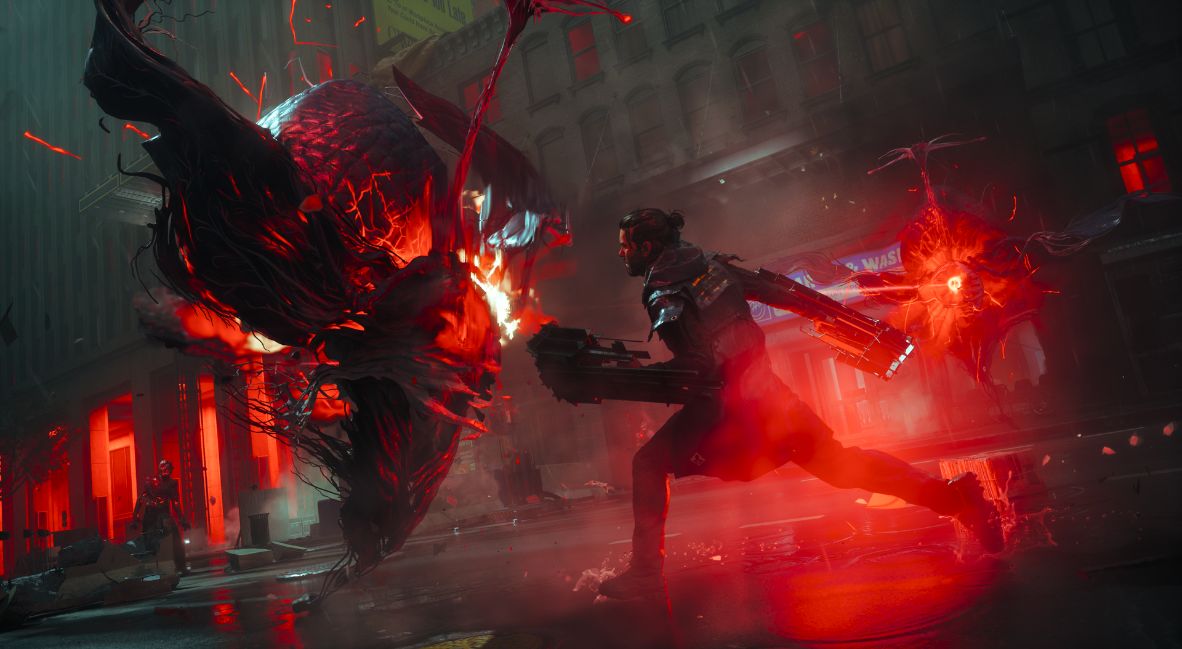
Remedy’s got some really stellar writers, so picking up and reading a story about how someone is reacting to the changing New York or hearing FBC agents in the field isn’t a waste of time. There are a lot of them, though, and most of the time players will be either in combat or reading these logs. It can be fatiguing even if the world itself is great.
Less fatiguing is the visual world. New York is no stranger to video game depictions, but Remedy’s warped version gradually moves further and further away from reality into something else. Entering a section of a city controlled by one of the titular Resonants comes with a well-staged set piece that makes each of them stand out.
Remedy makes good use of modern-day gaming tech. Playing on an original model PS5 on performance mode, Control Resonant maintains a solid 60 FPS performance without trading too much of the fidelity needed to appreciate the art direction of each of these warped zones in full.
Fans can rest assured that Control Resonant is more than worth the wait.
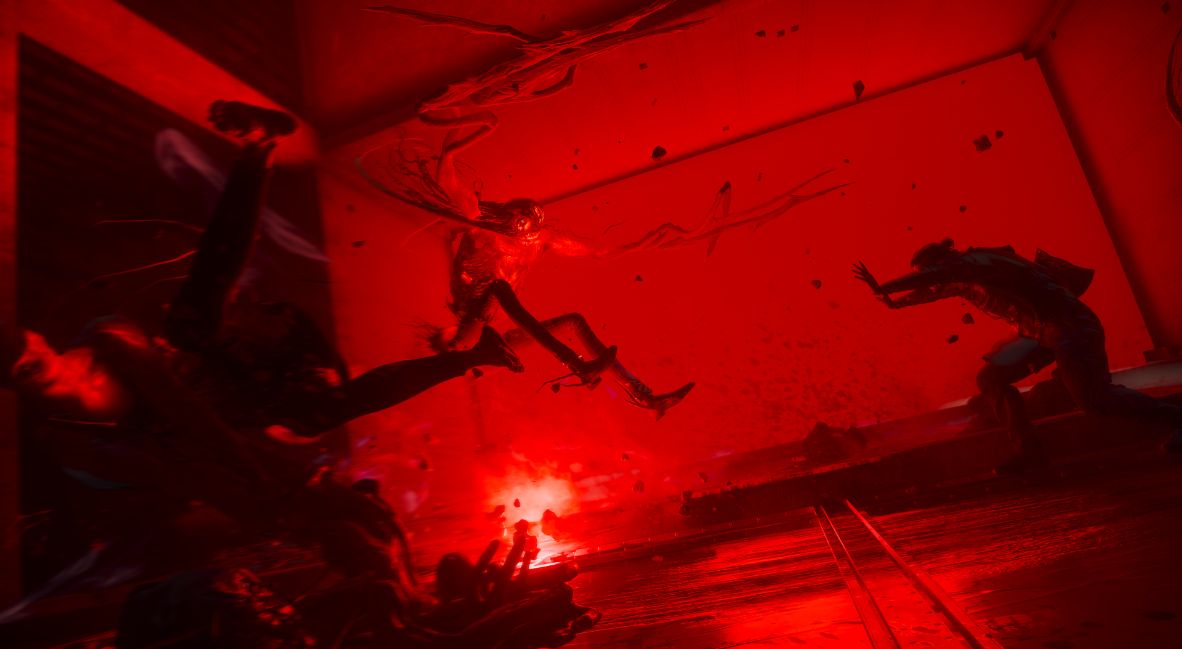
The art direction has a strong fascination with the color red filling the screen. Sometimes a little too much. The performance of the game doesn’t take much of a hit from it however. In fact, it may be that Control Resonant is too good at displaying red onscreen.
Thankfully, Remedy provides a truly robust set of options and accessibility tools to fine-tune the experience and mitigate the intensity of the effects and colors if need be. Assist options do not penalize the player for using them either, achievement hunt away.
Control Resonant is absolutely worth the wait. Some of the open-world aspects put strain on the exploration, but there’s enough curiosity and compelling events both in that world and in the combat design to recover every time fatigue begins to set in. Control Resonant is another feather in Remedy Entertainment’s increasingly elegant cap.
Control Resonant releases digitally September 24th, 2026 on PlayStation 5, Xbox Series X|S, and PC. Physical editions release October 15th, 2026.
Control Resonant
-
Rating - 8/108/10
TL;DR
Control Resonant is absolutely worth the wait. Some of the open-world aspects put strain on the exploration but, there’s enough curiosities and compelling events both in that world and in the combat design to recover every time fatigue begins to set in.