

Onimusha: Way of the Sword, the revival of the iconic action-adventure game from Capcom, brings Onimusha back in a big way. The last mainline entry of the series was back in 2006 on the PS2, making it 20 years since we crossed swords with the demons of this story. Onimusha: Way of the Sword is a fresh jumping-on point while feeling exactly how the franchise should today. The action is awesome, with tense fights and huge boss encounters that push you to the brink. While the pacing can be odd and the regular enemies too easy, Onimusha: Way of the Sword feels so good to play.
Onimusha: Way of the Sword follows Musashi Miyamoto, a wandering samurai focused on fighting. His motivations at the beginning are simple: take on tough enemies and get stronger. That’s pretty much his sole focus, uninterested in much else, until he dies fighting demons and gets brought back with a mystical gauntlet that lets him fight back.
The unwilling hero gets thrust into a much greater conflict, and his journey to accepting the world at large and a greater purpose is well told. He’s a goofy and aloof character that cracks jokes one second, but then gets serious as soon as he witnesses something he feels is wrong. He’s a great new main character for the series who will hopefully continue to appear in future installments.
Musashi Miyamoto is a fantastic protagonist to lead the way.
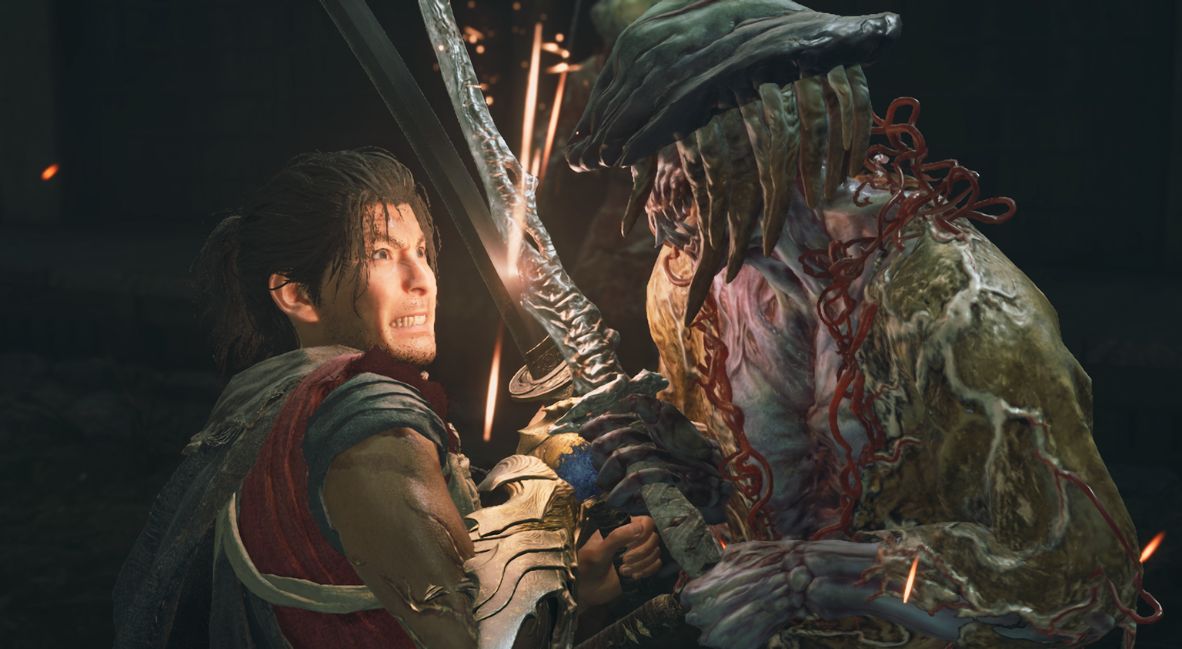
The supporting cast aren’t slouches either, with a small core group surrounding Musashi. The gauntlet talks to him, and his relationship with the voice being important. Without giving too much away, the true nature is foundational to the conflict at large. Ono no Takamura acts as Musashi’s mentor and guide, an older guardian charged with keeping Kyoto safe. Izumo no Okuni stands alongside, a young and brash dancer who desperately wants to join the fight.
The relationship between all these characters is a joy to watch grow and develop. What starts as co-workers slowly burns and gives way to genuine care and compassion, especially as you learn at what brought them all together. The overarching narrative is one of the best parts of Onimusha: Way of the Sword. It’s ambitious and dark, but ultimately, incredibly human despite the demons at the door.
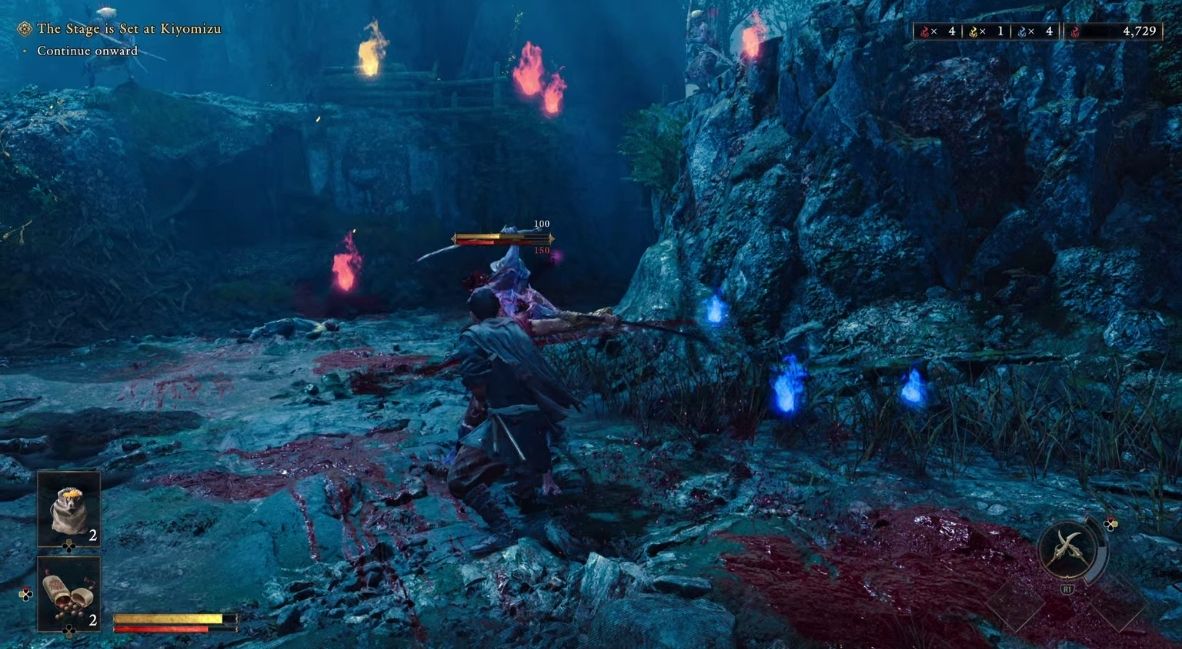
On the combat front, Musashi starts with light and heavy attacks, eventually rounding out his kit with different special attacks and ranged weapons. The core combat is so satisfying as you learn the ebbs and flows of attacks, pulling off tight counters and blocks to give Musashi the upper hand. You learn and get better as Musashi does, getting more comfortable with his combat kit as you take down more Genma, the demonic forces threatening Kyoto.
Onimusha: Way of the Sword makes steady improvement fun.
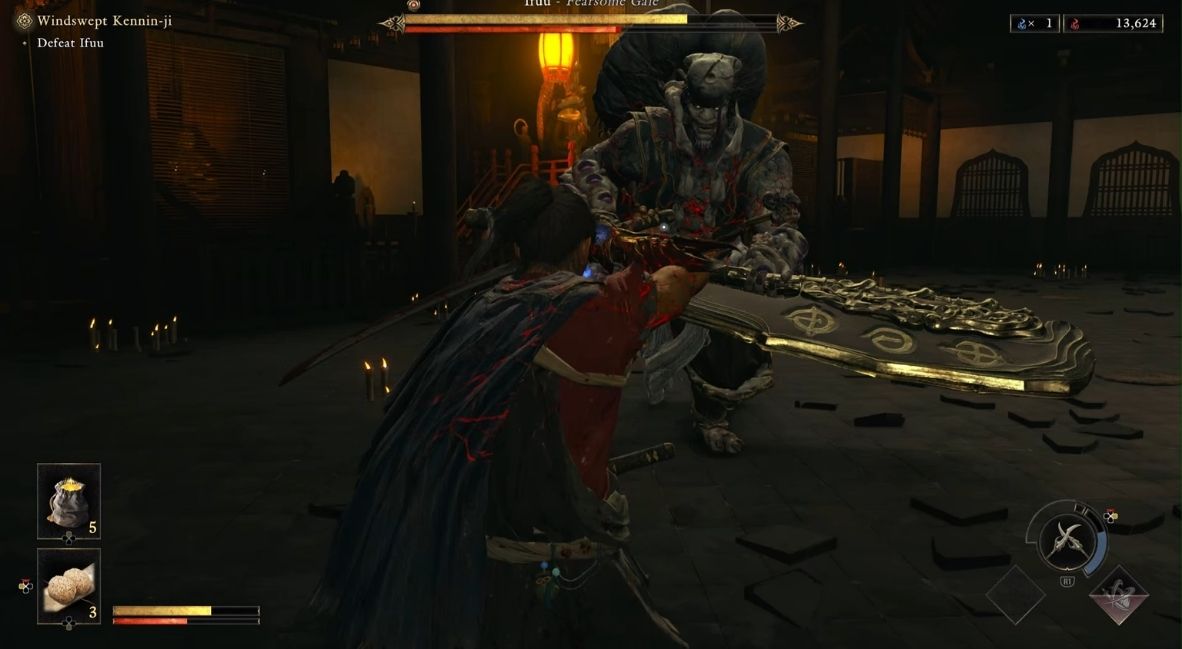
Onimusha gives you plenty of tools to deal with just about any enemy. You can time a counter, hitting attack right before theirs hits to dodge and deal tons of damage. The timing is tight and it’s tough to pull off, but it’s rewarding to get right. You can dodge out of the way, with a perfect dodge opening up the enemy to attacks. Blocking is also entirely viable, putting the enemy on their off foot and buying you a precious few seconds. On top of more upgrades down the line, Onimusha satisfying to sit in and improve at.
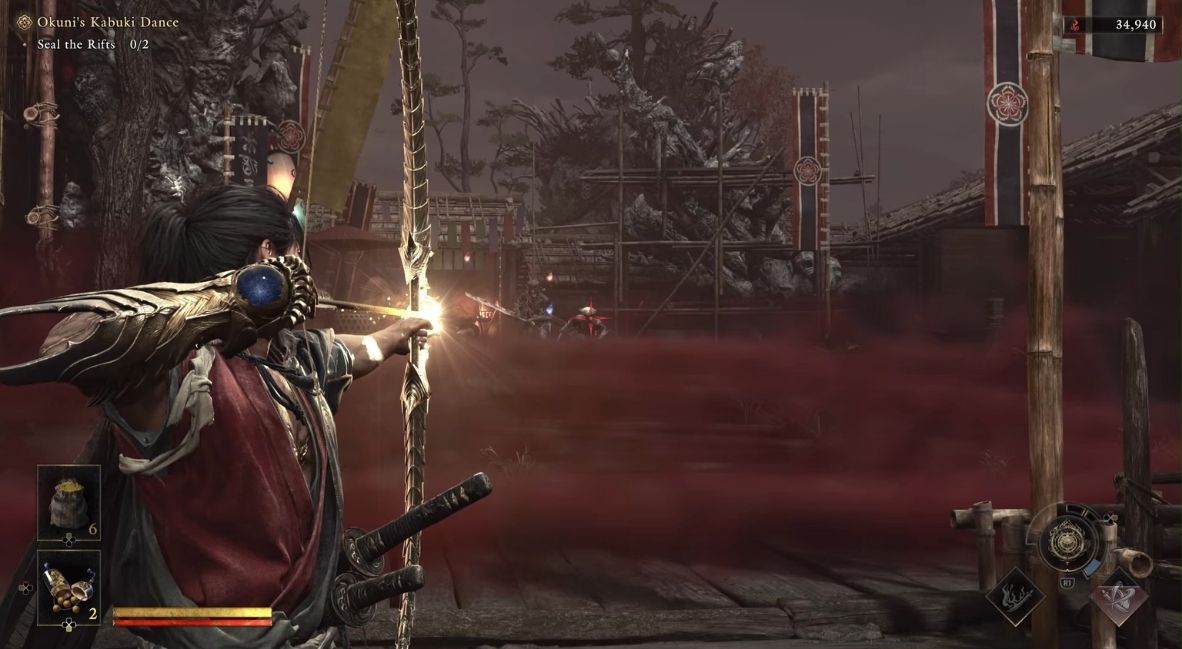
Musashi also wields a special gauntlet, allowing him to attack the Genma. This gauntlet can be used to absorb souls, with different colored souls offering different benefits. Some heal, others give crafting benefits, while others will refill the bars that let you use your special abilities. Every one of these is fantastic. You start simple, with dual blades that deal a good amount of damage. The dual hammers are incredible, dealing a ton of stagger damage that opens up the enemy to huge hits.
The only issue with combat is how uneven it can be. Normal enemies pose next to no challenge for the vast majority of the game, with plenty of them going down to one or just a few hits. As you nail down the timing for counters and upgrades to Musashi’s kit, they don’t ever really push the player meaningfully. The combat is so engaging and fun with satisfying skill expression that fighting mobs becomes trivial as the player engages with it more. Dodge, hit, break stagger, cleave through to the next enemy. That pattern could get annoying if it weren’t so fun to do.
Get ready for destruction when the bosses enter the field.
Mini-bosses start to apply the pressure. These fights start to enter the cinematic and electric territory of main bosses, challenging the player to get to work. They do repeat with the same fights often, whether in main missions or overworld exploration, and at first, this is annoying.
Why am I fighting the same giant yeti again? But then, something struck. The second time around was easier, then the third followed suit. I was getting better at adapting to the fast flurry of attacks and responding in kind; this was a dance I was learning the steps to. Then, they scale and throw more at you, and this repetition ended up being entirely necessary for the big fights.
The bosses will absolutely kick your teeth in if you’re not ready. Each one of these fights is multiple rounds, pushing the player to get better at the first phase to even get to the second. All of these encounters are massive and cinematic, with stellar boss design that doesn’t ever feel unfair.
They’re hard and make you use the entirety of Musashi’s kit, testing to see if you really learned from the mobs on the way in. These are undoubtedly the highlights of the whole game as Onimusha: Way of the Sword throws plenty at you to keep you busy. I’m not someone who cares for soulslikes or extra difficult encounters that feel unfair, but Onimusha: Way of the Sword is so well designed that I welcomed the challenge and actually had fun doing it.
As the world continues to open up the possibilities for side missions increase.
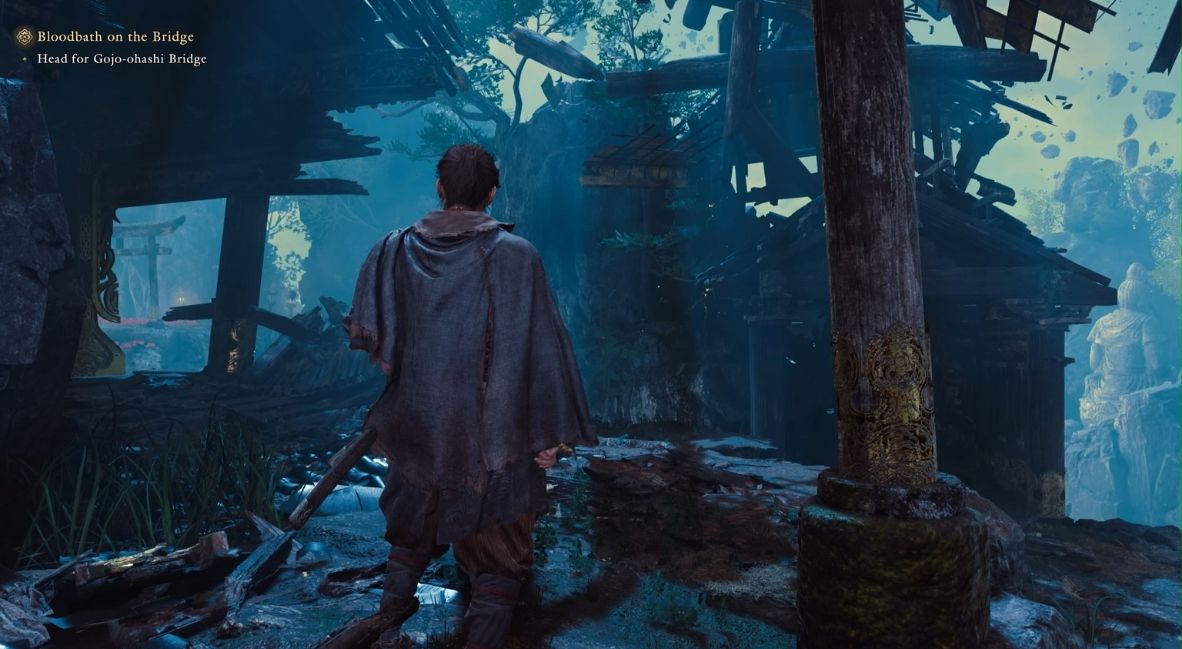
The open world of Kyoto is largely fine, albeit not very interesting, at least at first. You always run around on foot, the city expanding more as you track down sources of malice that plague certain areas. The thing is, you’ll end up doing a lot of the same thing. There are emergent encounters where you can help townspeople, but it’s always the same house being attacked, the same spot where enemies pop up, the same fights. It gets to the point where you end up just running past them to get to the next mission.
That is, until the halfway point of the game. Kyoto doesn’t give you a lot to do initially, a couple side missions and resources to collect. Then, all of the sudden, you get hit with more side missions of varying types, mini-bosses start spawning, the world design deepens and gets way more interesting. A lot of the side content here is brief, sending you to a place to fight some enemies, but it least gives you more to engage with. Some of it has interesting story pieces to it, while another character asks you to find their spiritual dogs around the city.
None of it is anything you haven’t seen before, but the torrent of it that hits in the back half of the game just feels welcome after the drought of the first half. Pacing the side content would’ve worked a lot better and made Kyoto more interesting throughout. There are solid, fun ways to engage with the world at large that should have been there earlier.
Some of the greatest strengths needed to be implemented earlier.
These pacing issues extend to Musashi’s upgrades as well. Musashi has multiple skill trees – one focused on health, strength, and his healing pouches, another on his Oni abilities, and the final one on regular combat. There are some great nodes here that genuinely make Musashi better, but some of them are head-scratching.
Why do we have to upgrade his overworld run? Why does opening specific doors faster constitute a worthwhile investment? Others just make his already existing moves better. A slimmer and more streamlined offering would’ve made engaging with the systems more fun, especially if some more of these critical upgrades that make combat more responsive came earlier on.
A lot of the above ebbs and flows to create an experience that is a ton of fun, but does have some bumps in the road. The final chapter, though, is a wall to the face. Pacing goes out the window with a final area that’s doesn’t live up to the rest of the package, essentially just a boss gauntlet with repeated encounters. It’s a frustrating experience that feels like padding more than an epic trial. It still ends well, but a more explorable area or boss fights that actually differ from before would’ve made for a more fun finale.
Onimusha: Way of the Sword is a worthy return for a beloved franchise.
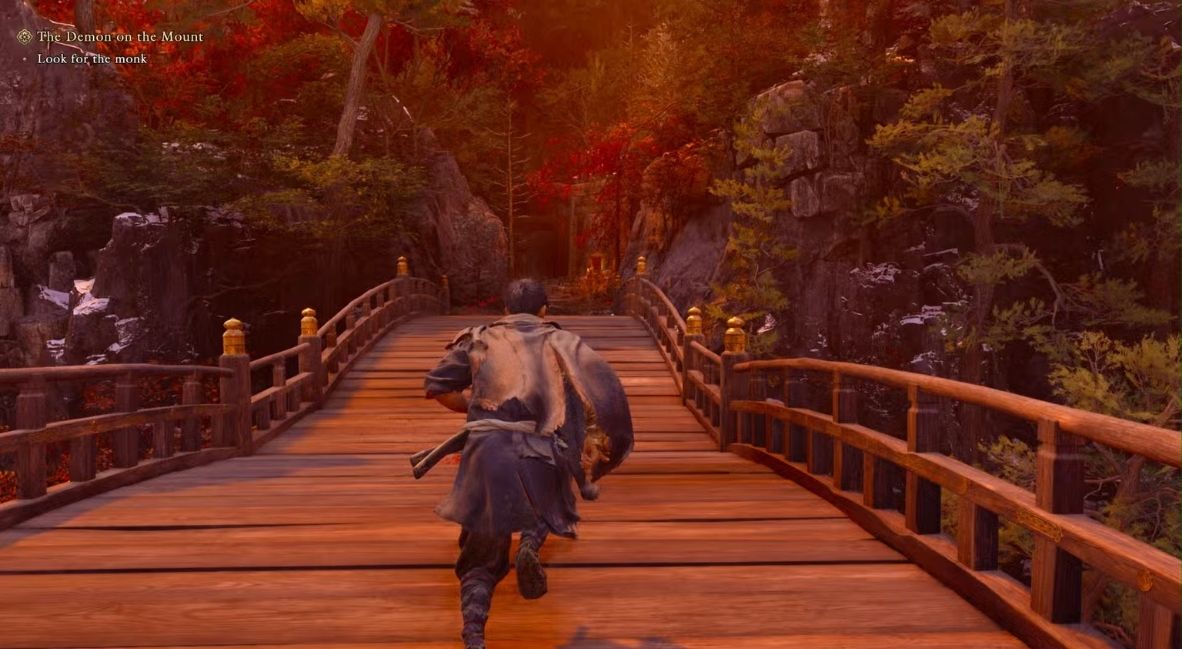
Graphics and presentation are another strong point in Onimusha: Way of the Sword. The cut scenes are stellar, with huge anime fights and gorgeous animation in combat and facial expressions alike. Every fight animation is engaging to watch and feels incredibly cool to pull off, even if the facial expressions aren’t as strong outside combat. Kyoto is beautiful, dark, and detailed, with some additional locations that I won’t spoil being truly cinematic.
This extends to the enemy design, another incredibly awesome highlight. Every enemy is gruesome and intricately designed to gross you out, with the bosses being next level. Every one is memorable and a monster in their own right. Onimusha: Way of the Sword is constantly throwing visual splendor and diversity at you, even in dark moments, and really nails the designs across the board.
Onimusha: Way of the Sword is a great return for the franchise. Musashi is a fantastic new lead, with a supporting cast that shines. The combat is satisfying to dig into and learn, and even if the basic enemies aren’t a challenge, the bosses more than make up for it. Graphically, it is a showcase for Capcom’s teams who have been raising the bar in environmental design and cut scenes. While there are pacing issues, Onimusha: Way of the Sword is so much fun that you quickly move from one fight to the next.
Onimusha: Way of the Sword is available now for purchase on PS5, Xbox Series X|S, Nintendo Switch 2, and Steam.
Onimusha: Way of the Sword
-
Rating - 8/108/10
TL;DR
Onimusha: Way of the Sword is a great return for the franchise. Musashi is a fantastic new lead, with a supporting cast that shines