

Honkai: Nexus Anima, the upcoming HoYoverse live-service game, features a unique blend of genre gameplay and a fun story that sets up an expansive world. My time with the latest beta test held lots of promise. While what is here is still subject to change, the core of what is present appears to be an original blend of largely light-hearted storytelling and some deeper strategic elements.
The world of Honaki: Nexus Anima is divided into different planes (dimensions), each centered on an aspect such as Reality, Love, or Change. Each plane has a Novarch who holds sway over that realm’s aspect. The main portion of the game I got to play took place on the plane of Reality, governed by the Novarch Bai Mei. Though this complex world wasn’t always structured like this.
The player takes the role of a Planestrider who can move between the planes. They have a mysterious past that seems to be connected to an event called the Sundering. This event broke reality’s Nexus and created the world as it is now. Hostile forces are searching for the player, though exactly why remains elusive.
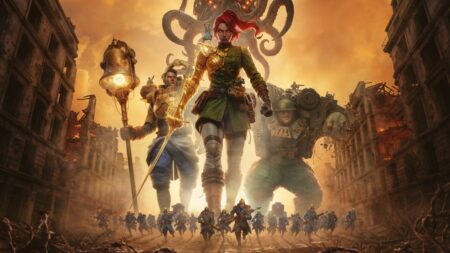
Honaki: Nexus Anima’s story is aided by some strong personalities.

In the hours I got to play, the game balances its large-scale fantasy concepts well against its more down-to-earth elements. The opening scenes establish the grander side of the concept that the amnesiac protagonist finds themselves caught up in. The game does a good job of balancing what it tells the player with what it keeps hidden, letting some sense be made of the unfolding drama without revealing its whole hand.
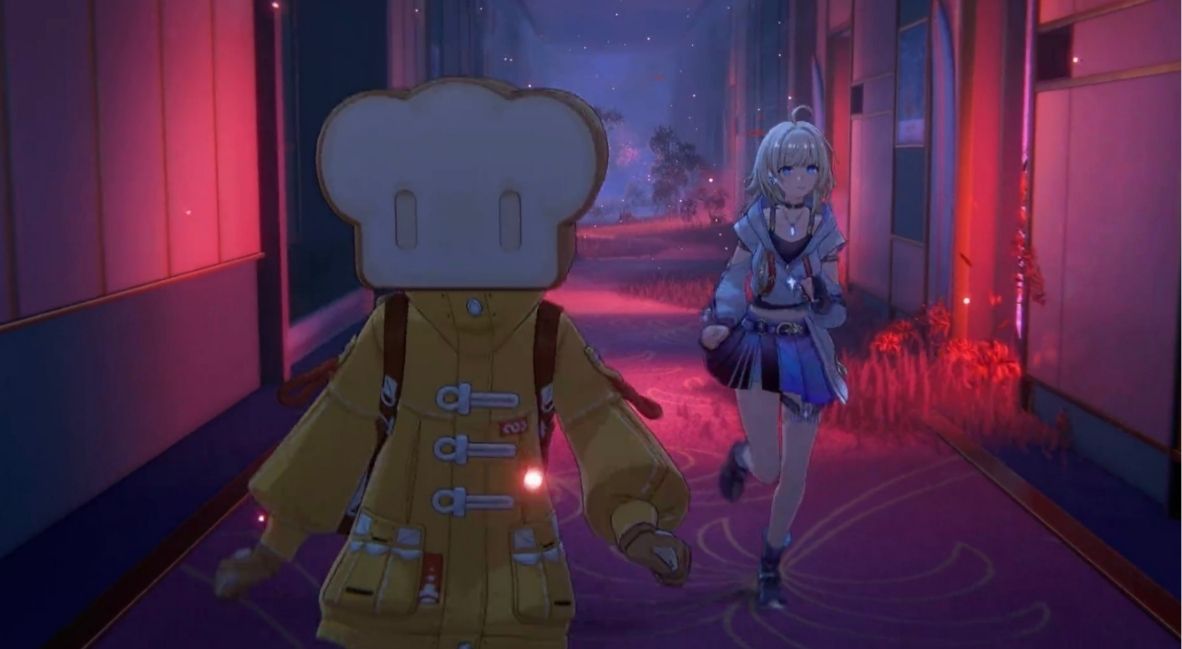
This side of Honaki: Nexus Anima’s story is also aided by some strong personalities. The characters met briefly during the player character’s opening flight from danger leave strong impressions. Nobility, hate, and fear all play out on the stage, leaving an air of drama that lingers even after the hero’s escape is made.
Once the player eludes this opening danger, they find themselves in the town of Iia in the Reality Plane. They are soon caught up in small-time events like competing in tournaments, helping locals, and collecting Anima. The shift from major events to smaller elements works well, as the game uses the quiet time to explain elements of both the world and the gameplay to the player.
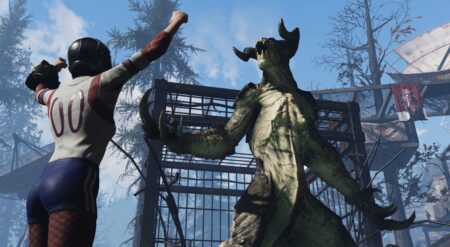
Players can bond with Anima by defeating them.
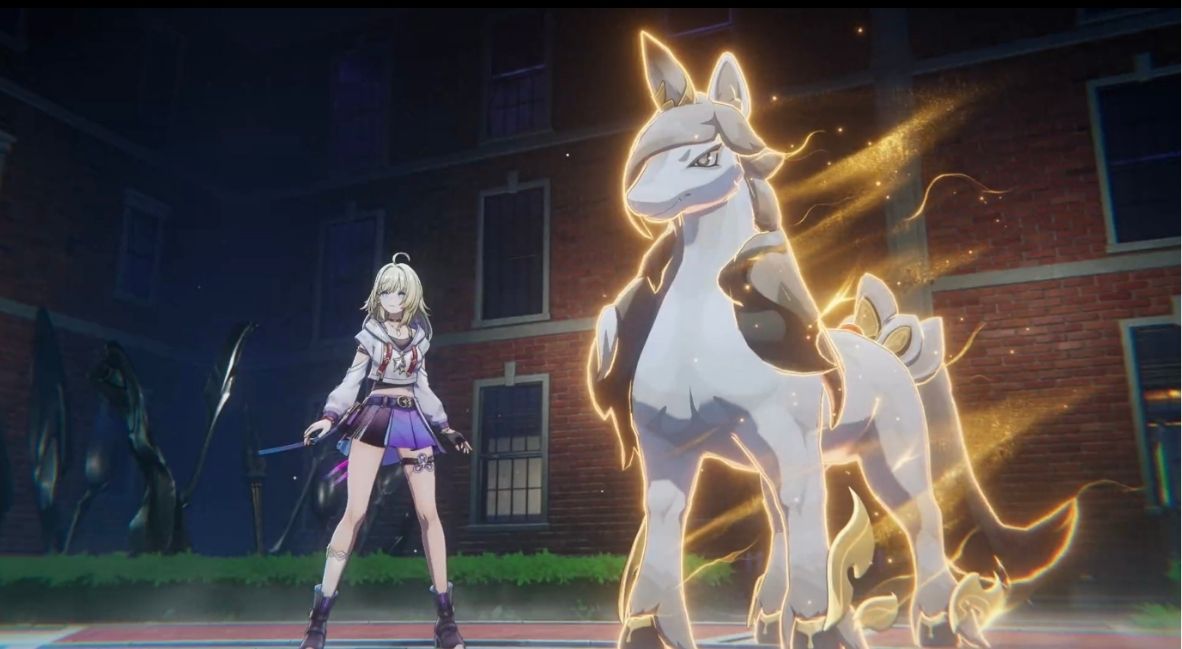
The bulk of the gameplay in Hoyoverse’s latest offering centers on creature collecting and auto-battler combat, with the former feeding into the latter. Gathering Anima builds the player’s roster of options for the auto-battler aspect of the game. The most common way to acquire Anima is by battling them.
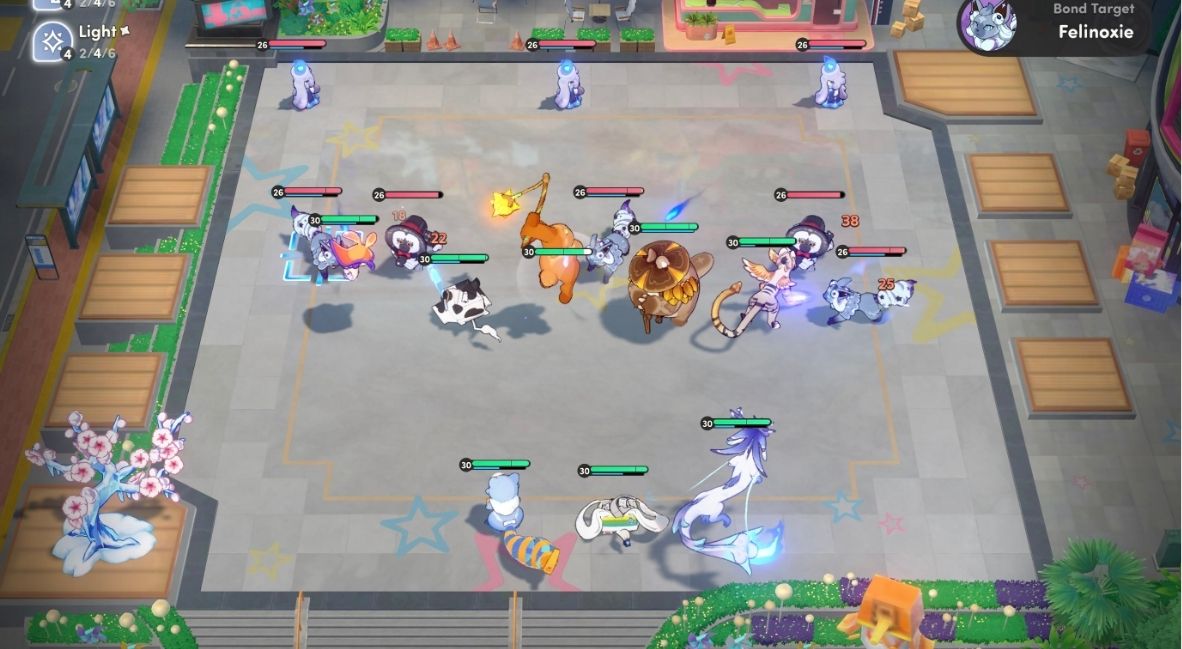
Wild Anima are scattered all over the world. When approached, the player can opt to bond with them, making them their own. This bonding takes the form of a battle. Battles play out on a board, with each participant’s team starting on their side. Once the battle begins, characters automatically attack each other while charging up a special meter to unleash their unique skill. The last side to have combatants standing is the winner.
If the player defeats an Anima, they can bond with it. Bonding requires the expenditure of resources that have a shown percentage chance of capturing the Anima. Different qualities have different odds of success. After a few attempts, if the player hasn’t succeeded, the Anima will run off. Luckily, the respawn timer is short on the main map, so if you fail, you don’t have to wait long to try again, as long as you have the means to make the capture attempts.
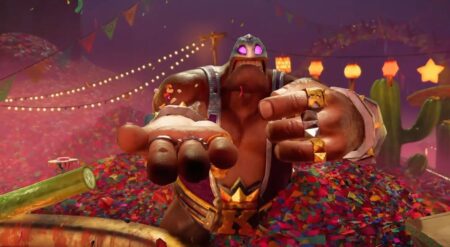
Apex Challenges add a rogue-like quality to Honaki: Nexus Anima.
The capture rate wasn’t terrible when grabbing Anima. While I did fail sometimes, I succeeded far more often than not. And the player is given a small trickle of guaranteed capture items, though those should probably only be used for particularly helpful Anima.
While one-round Anima-capturing battles will make up the bulk of early fights, after a few hours, players are introduced to Apex Challenges. These challenges are multi-round affairs in which players unlock upgrades and equipment to improve their Anima as they strive to reach the finish line. The upgrades earned here are not permanent, giving the mode a rogue-like quality and making it feel more in line with other auto-battlers on the market.
These strung-together fights add a tactical element to the battle system. Having to improvise on the fly, players get to guide their teams into new directions and can even get the opportunity to try out Anima they haven’t gotten to add to their collection yet.
Eidoses represent other characters whose skills aid you in battle.

Like most auto-battlers, the bulk of the gameplay comes in setting up your team, as opposed to when you’re watching them fight. A slew of considerations can be taken into account when building a team, leading to lots of customization depending on your playstyle and collection.
Every Anima is governed by one of the aspects of creation, just like the planes that make up the world. Having more Anima of a matching type brings benefits to those Anima. Along with their aspect alignment, creatures have more specific roles to fill. Whether they belong in the front rows of your board or back, as well as what kinds of damage they deal, is taken into consideration. Your Anima are further broken into classes like Protector and Explorer.
The final aspect of team building in Honaki: Nexus Anima is your trio of Eidoses. Eidoses represent other characters whose skills aid you in battle. Each Eidose provides three skills, two passive and one active. The active skill runs on a timer and, when triggered, can do a variety of things from dealing damage to freezing enemies. The passives provide some form of buff for your units. The first will affect all Anima on your team that share an aspect with the Eidose itself. The other one provides a buff for a certain Anima of that aspect if you have it on the board.
Honaki: Nexus Anima’s gacha system provides extra ways to gather Anima and Eidose.
Trying to balance what you’d like to do with what is available looks like the big strategy element of the game. Questions like whether it’s more important to have an adequate number of frontline fighters or be able to activate the aspect bonuses you want will be key once the fights start getting tough.
Both Anima and Eidoses can also be improved to increase their power. This is done in one of two ways. By farming resources to increase their levels, or by gaining duplicates of them, which unlock static buffs. The Eidoses also have a third set of upgrades that can be used to improve each of their abilities separately, allowing you to prioritize the Eidose’s focus.
While Anima can be gathered in the game world and your initial Eidose come through the story, these elements are also gained through Honaki: Nexus Anima‘s gacha system. While there was no example of how the system would work in full, the game did have standard banners for both Eidoses and Anima available to be pulled from via in-game currency.
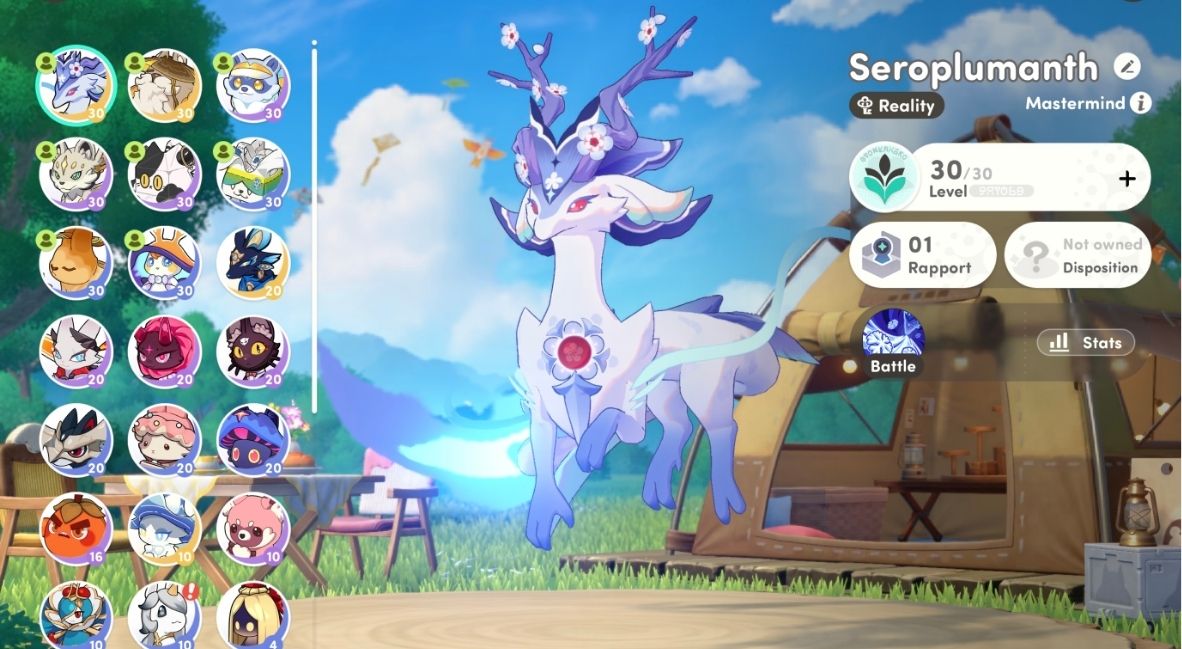
Lower-level Anima can be found in either option, but Eidoses can only be found on their banner, while five-star Anima can only be gained from the Anima banner. Along with the two highlight rewards, players can also gain energy for Anima, used for upgrading as if a duplicate had been pulled, as well as resources that can be used for purchasing materials in the game shop.
The pull rates for rarer elements feel fairly standard, with four-star or better elements guaranteed every ten pulls, and your first five-star in 50. The game also grants an early five-star Eidose selector, letting the player pick an Eidose and their paired Anima to start team building with.
The currency the game offers through playing feels good, as I frequently had enough to get pulls with, and everything I got from my pulls, even the less exciting offerings, felt good to have. All of the numbers here were clearly not final, though, and without knowing how premium banners will work, this element of the game is still largely a question mark.
The Infinite Vortex shows you everything you could have done in a big encounter.
Beyond auto-battling with the Anima you collect, the game offers other side activities to take part in. Early on, the player begins investing in local businesses as a way to make money and experience mini-games. One such game tasked the player with controlling an Anima as they rode around Iia, delivering fast food to waiting customers.
Another interesting system the game uses is the Infinite Vortex. During sizable encounters, the player is tasked with a significant goal that includes optional objectives. When the player completes one of these sequences, like escaping from a reality-warped school or winning a major Anima tournament, the Infinite Vortex will show them everything they could’ve done, as well as allow them to return to the quest and try for a fuller ending.
This concept is great. It allows players to approach more substantial elements more flexibly. You can opt to do a quick cut through the first time to overcome a challenge and progress the narrative when time is tight, and then return later to fully unlock all the side stuff. It also doesn’t punish you for just missing something. Allowing players not to have to act like paranoid nuts, running through every room and area of a space to ensure they don’t overlook anything.
Honaki: Nexus Anima’s elements play out with an energy of a Saturday morning cartoon.
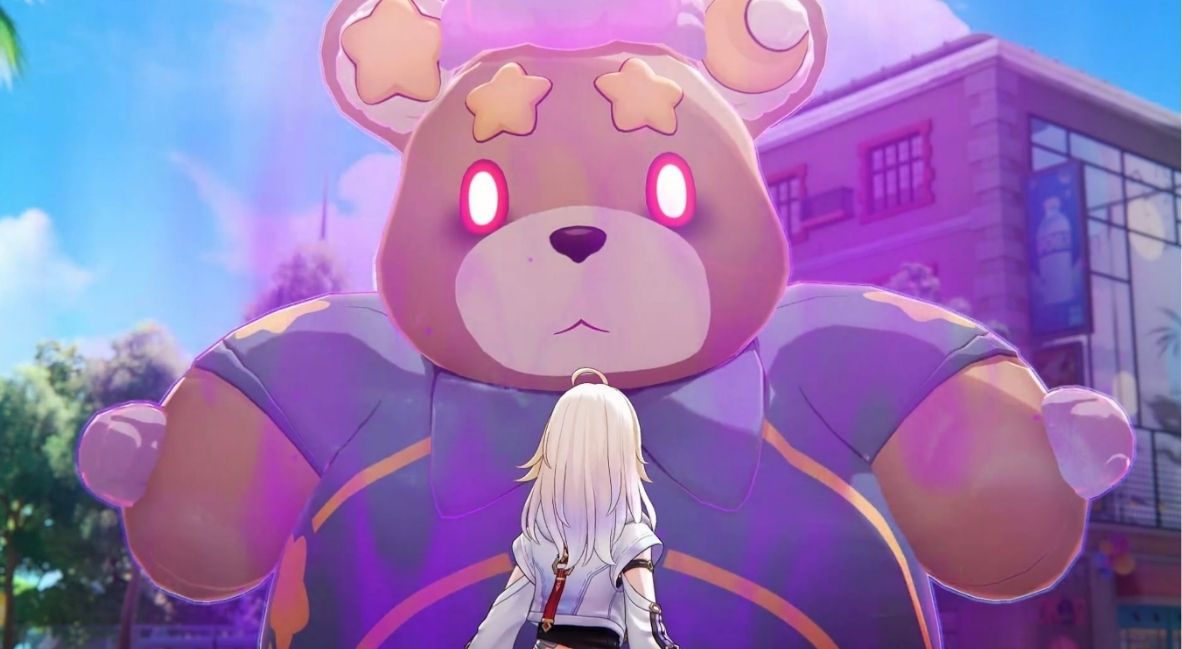
Whether the player is experiencing epic, multi-dimensional conflicts, running around the bright streets of Iia, or watching a battle play out, all of Honaki: Nexus Anima’s elements play out with an energy of a Saturday morning cartoon. Bright color palettes dominate the screen much of the time, and all the characters lean into the brightness of the world. Even the villains feel more “edgy” than actually threatening.
This choice of tone generally holds back the experience, though, through some of the dialogue. Some of the delivery and writing feel a little ham-fisted at times. A couple of moments feature overly excited voice work from characters whose models are not nearly animated enough to pair with the audio. There is even a narrator that, while it is an entertaining element at times, also tends to chime in to spell out an obvious element you almost couldn’t help but notice.
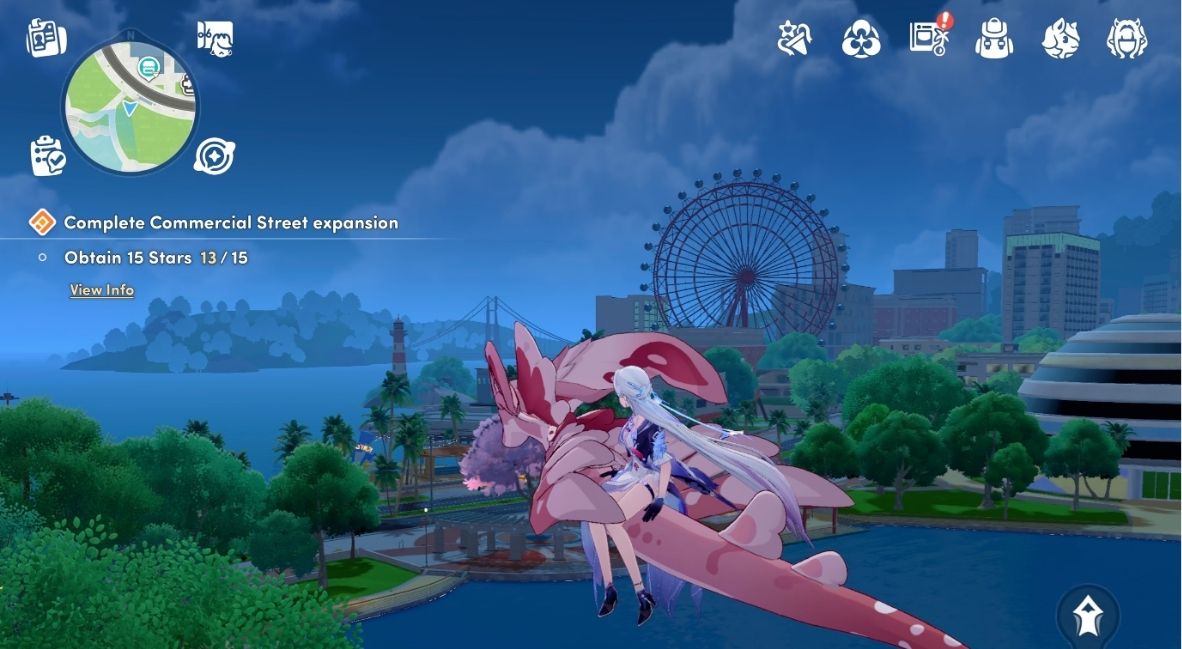
The initial area players have to explore is fairly large in sheer volume. Running down the numerous streets and across parks can take some time, but luckily the game provides mounts to hasten travel. While basic riding is all you can do at first, flying mounts are also eventually unlocked, allowing for very fast and rather scenic exploration of Iia.
Overall, I enjoyed my time with Honaki: Nexus Anima. Despite some hiccups with the characters, the world is interesting, and the gameplay creates a unique loop that feels both fun and addictive. It will be interesting to see how Hoyoverse further polishes the game between now and release.
Honaki: Nexus Anima is currently slated to be released on mobile and PC.