


Master filmmaker Hirokazu Koreeda is no stranger to the intricacies of grief and distinct currents of melancholy. His breadth of work deploys a cavernous depth of sentimentality and a deft, humanist approach. Grief, in his films, can be unassuming, like the quiet tides of survivor’s guilt in Still Walking, or overwhelming, such as the torrential upset of could-have-beens in Monster.
Tied to that central idea come some of his other greatest thematic instincts. Life, death, and all that falls in between, and all who fall between the cracks of societal structures. From the warm mediations of what happens in the space between in After Life, to the cost of neglect in Nobody Knows, and how children are used as bartering pieces, from divorce disputes in I Wish and After the Storm, and societal capitalist decay in Shoplifters, Koreeda has long found a potent narrative path to traverse.
And it all boils down to the complexities of being human. Even Air Doll, his film about a sex doll that awakens one day to realize she has a soul, seeks a way to articulate how we live, breathe, and take in the world around us. It makes sense, then, that Koreeda would ultimately find a film to bridge all his many ideas into a science-fiction package.
Hirokazu Koreeda explores how we interact with technology, nature, and loss.
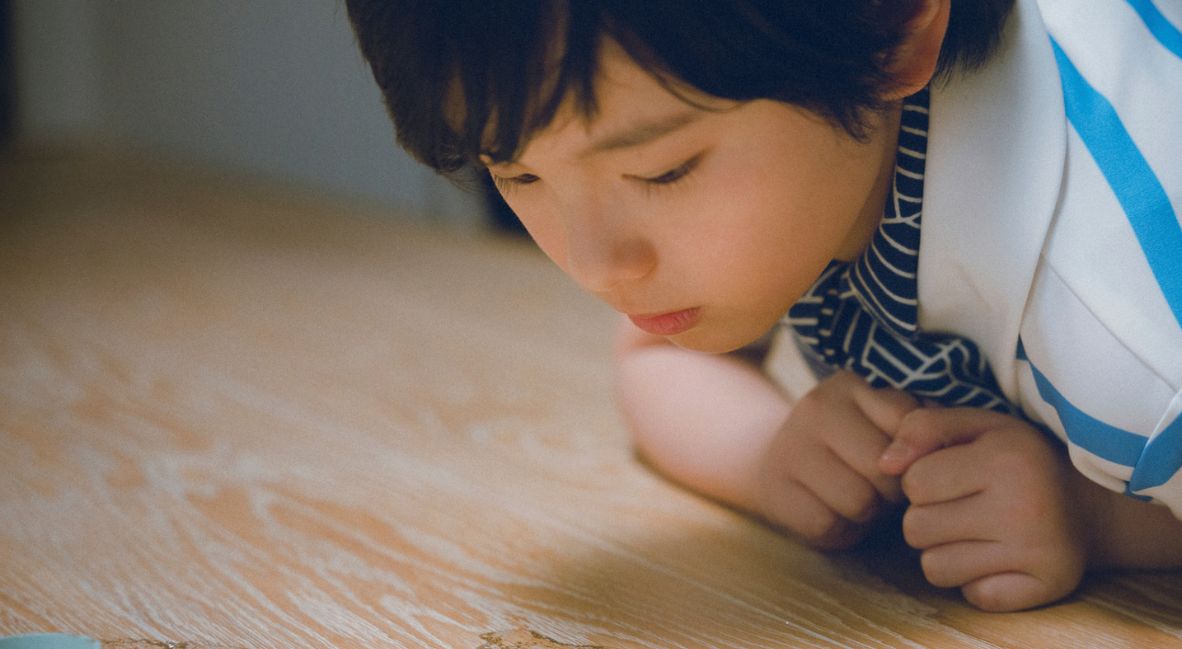
In his latest, Sheep in a Box, all of Koreeda’s thematic instincts are present. The film follows a couple who are grieving the loss of their son, Kakeru (Kuwaki Remu), who died in a train accident two years prior. Set in the near future, Otone (Haruka Ayase) and Kensuke (Daigo Yamamoto) decide to take in an AI humanoid robot identical to their late son.
“There was an idea that set off my plans for the plot,” Koreeda said when asked about the spark of inspiration for the plot. “I’d read a column about a business reviving the dead through technology and the use of AI in China. It felt like the start of something.
There was a similar initiative happening in Japan and Korea that were being written about in such a sensational way and I thought that I could foresee that the shape of grief was about to change in a drastic way. So that’s where I had the idea to write this story about a couple grieving the loss of their child who are reintroduced to them through this humanoid robot and the changing shape of their grief. ”
It’s an interesting approach, considering the filmmakers’ enduring ability to draw forth the ugliest and most profound elements of the human experience. In Sheep in the Box, the AI robot might be at the forefront, but he’s not necessarily the most important part of the story, simply what helps drive the emotions forward.
Finding inspiration in established homes helps build the world of Sheep in the Box.
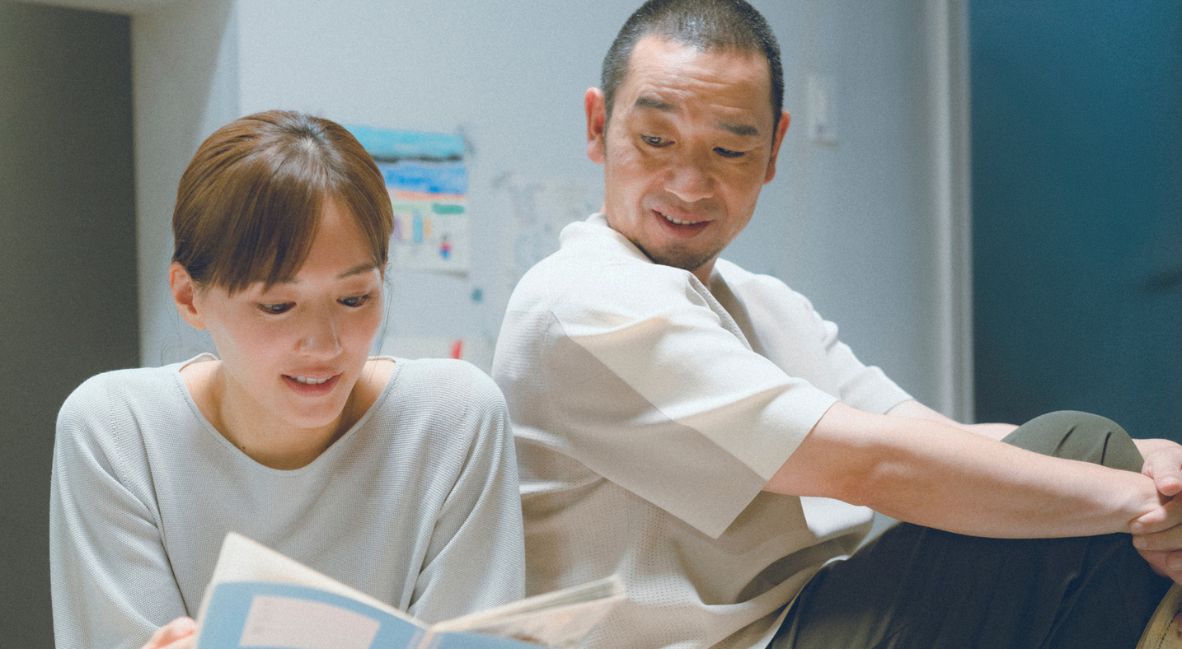
“What I really wanted to focus on was the specific needs of the parents that would lead them to want to reintroduce their son into their lives in the form of an AI robot. So I wanted to think about how their grief would progress, or stop, because of the robot. I think that the humanist perspective and humanist lens of my films is changing, even in this one.”
Otone is an architect in the film and Sheep in the Box deals in the creation of homes. From the models Otone works on to the ones that, unbeknownst to Otone and Kensuke, Kakeru begins building himself in his room, in an effort to find a utopian home for himself and other humanoid replicas who’ve been abandoned and left behind. The idea of home, places to belong, of glass walls and snow globe-style presentations of family are critical to how the plot unravels.
The home’s setting feels almost deliberately sterile, fitting with the uncanny likeness of Kakeru, who looks and speaks like their son but shows signs of being nothing like him at all. He fits, but only just. While Koreeda admits to being the “type of person who has to get out of the house and walk around to find any sort of inspiration,” finding the house to set the story in was a deliberate effort.
Sheep in the Box explores what it means to be human and how grief informs action.
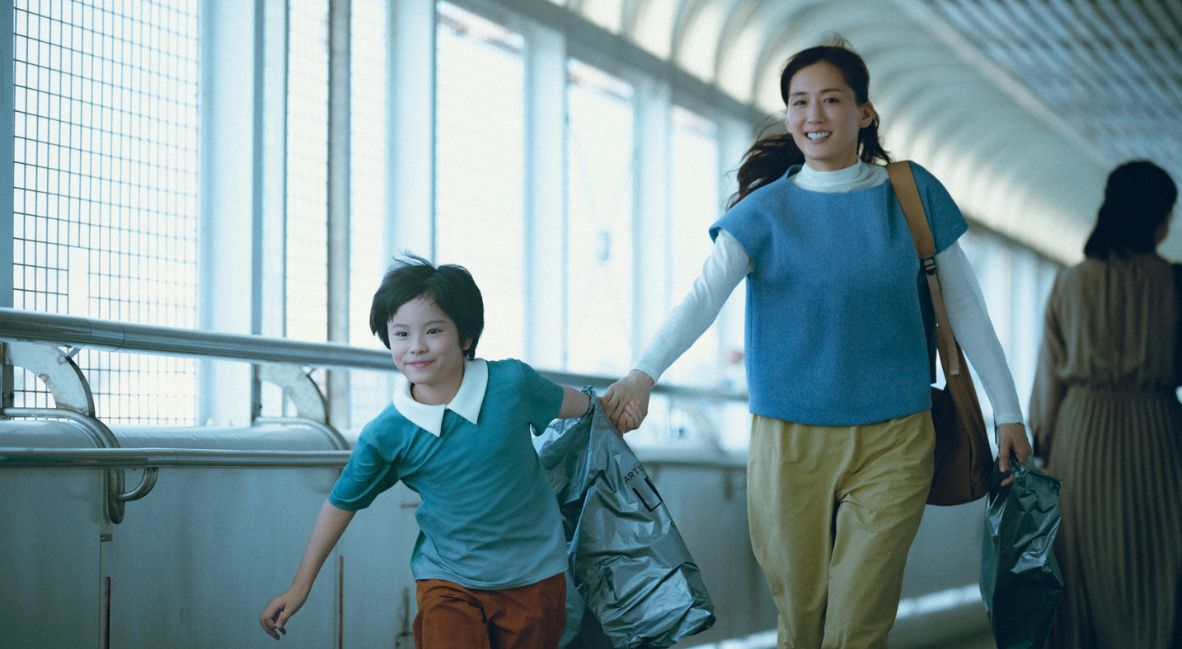
“I asked the production to find the houses of women architects that they built for themselves. They gave me a list of properties, and we went to visit a bunch of them, and I was able to speak to the architects who built the house, and I chose the one that felt the most suited for the story.”
In many ways, the house they live in operates as a living, breathing tomb despite it being overridden by signs of life and nature. Equipped at the start of the film with a tracking device so that Otone can always know where Kakeru is, his world is limited to the white walls of the family home he didn’t grow up in. Otone is told he can’t feel pain or real sadness, and he doesn’t have any memories of Kakeru’s life that don’t come from information given to the company ReBirth, from which he comes.
But he is clearly curious, drawn to the world around him in a way that belies both his android existence and puts pressure on those who seek to control his every movement to ask themselves when their own capacity for imagination and thoughtfulness became so limited.
“By depicting the world of children, it becomes a critique of the societies that adults create.”
This dichotomy of what it means to be human and the responsibility of existence is central to the story. That sense of responsibility lends itself to one of the most consistently poignant features in all of Hirokazu Koreeda’s work: what we owe to children, and what the world takes from them.
Even Koreeda can admit that the pains of adolescence and “children who are robbed of their childhoods” are a constant piece of their stories. From kids caught in between adults figuring out their lives, such as After the Storm, Like Father, Like Son, and Shoplifters, to ones who are trapped in a society that either refuses to recognize them (Monster) or doesn’t reach out to help them when they need it most (Nobody Knows) children, in Koreeda’s works, suffer at the hands of those who know better.
“I think the distortions that exist in society are most apparent in the world of children. I think that is a reflection of the distortions that we experience in the adult world. By depicting the world of children, it becomes a critique of the societies that adults create. I think that’s a very important thing to highlight.”
“Do the dead not also have some rights, like human rights, even in death?”
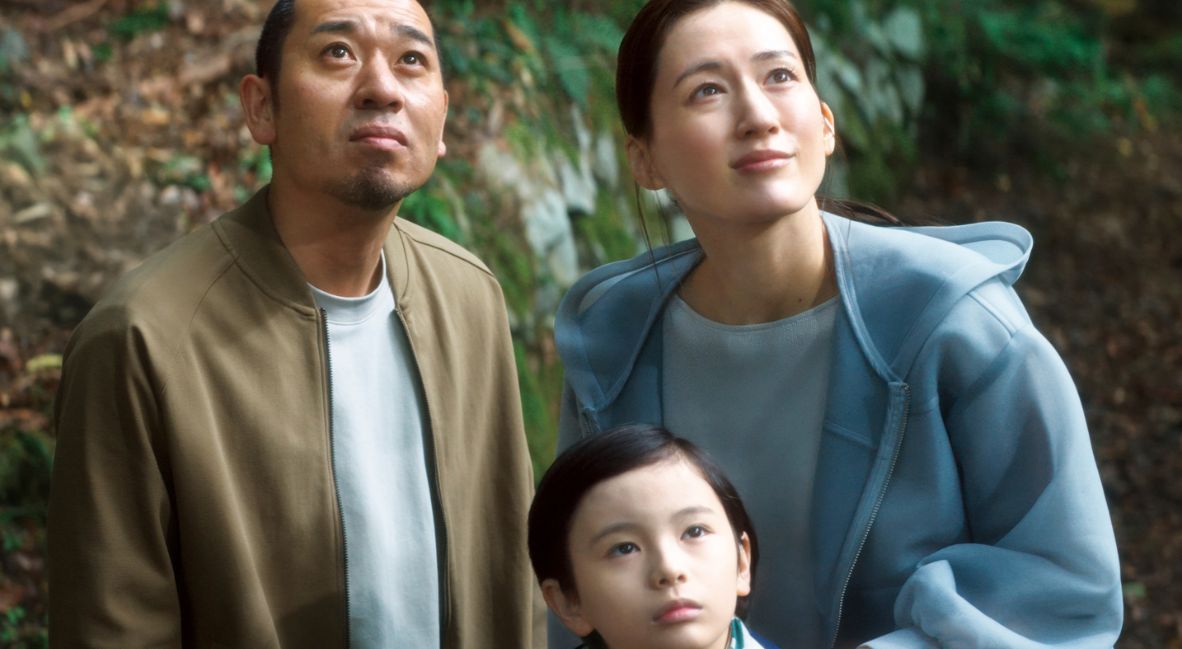
While the theme isn’t intentional, he sees it emerge in his work, stories of “kids who are forced to become adults too early.” We see that even in Sheep in the Box, as Kakeru operates both as a conduit for Otone and Kensuke to change and as a balm they might use to ease their suffering and guilt.
In a pivotal moment in Sheep in the Box, someone asks, “Who do the dead really belong to?” It’s an idea that’s crucial both to the thesis of the film and a timely reflection of culture today – intentional or not – where studios look to commodify the dead for the sake of continual profit.
“After hearing about these businesses in China that were trying to bring back the dead with AI, or even in Japan, where there was this project where a famous singer who’d passed away had been brought back to life and was singing a new song…I felt a tremendous amount of discomfort around that. I couldn’t really figure out if it should be allowed, if it was something forgivable, to bring back to the dead.”
Respecting the dead by continuing to live with the memory of those lost.
It’s a fair question and one that lends itself to the heart of the story. Who does Kakeru exist for? And isn’t his thoughtfulness and search for others proof enough of his soul? When we grieve, how much of that grief is about the loss we feel – the gap in our life – versus the actual absence?
“I was thinking about this idea of whether the dead exist for the living. And can those that are left behind use the dead as they please? Do the dead not also have some rights, like human rights, even in death? I think that when you’re in the middle of grief, in the process of grief, that’s very difficult to understand or something that one doesn’t realize.
Even in this story, there’s the boy, but there’s also the boy who exists in the background, the one that is dead, does that version of Kakeru not also have some sort of human rights? I wanted to depict a story where the couple were two people who realize this fact that maybe the dead don’t belong to the living.”
Sheep in the Box arrives in theaters July 24, 2026.