Forever Ago is likely the closest we’ll get to Up (2009) in a video game. Forever Ago follows an elderly man who decides to embark on a road trip in order to revisit all the places he and his late wife visited in their youth, all in an effort to come to terms with her passing. Right away, the premise is reminiscent of the emotional Pixar film, which in turn follows an older man who makes the decision to travel to a destination that he and his wife had always dreamt of visiting but were unable to go to together.
In my Summer Game Fest demo, I got to play through the beginning of the aforementioned road trip. It took only 20 minutes to make me wish I could hitch a ride to further explore this journey.
Alfred, the protagonist of Forever Ago, begins his journey at a gas station he and his wife, Audrey, used to frequent. The gas station is owned by Alfred and Audrey’s friend, Karl, whom they haven’t visited in years. However, he doesn’t reunite with Karl upon his arrival. Instead, he’s surprised to find that Karl has hired a chatty young clerk named Milton to run the store in his absence.
Forever Ago is an impressive debut from Third Shift.
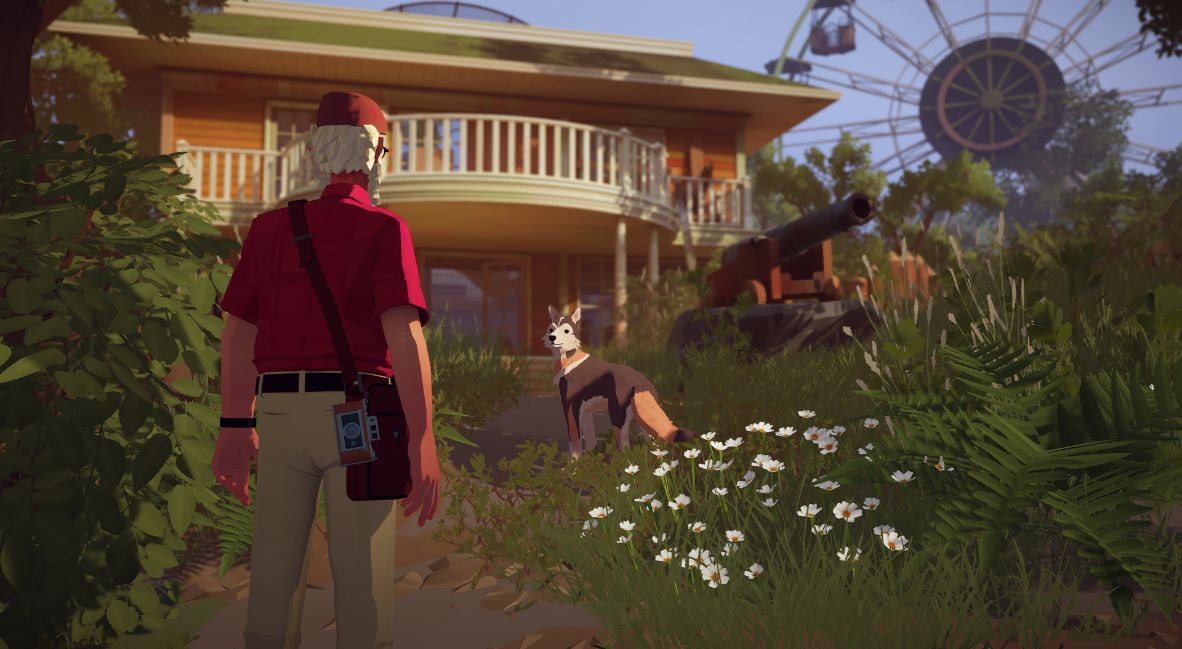
At its core, Forever Ago is a point-and-click narrative adventure with some photography thrown in throughout. Alfred responds to interactable objects with each click, whether it’s about the object itself or the memories behind it. He’s also keeping a road trip journal, so the player is expected to take photos of the locations he visits and create entries to remember them all by.
However, the keyword here is “narrative.” Third Shift spent over six years working on its debut title, and the effort shows with the purposefulness behind the prose of the story at the center. For example, Milton is more of an entertaining caricature than an average teenage clerk. Still, his presence is effective because of how he pushes Alfred’s buttons in a way that exposes his personality to the player early on in the game.
Alfred doesn’t always hear from Milton when reacting to items the player clicks in the store (i.e., cookies, coffee, and so on), but their dialogue reflects how Alfred treats the average stranger. Spoiler: He’s a grumpy old man, but he didn’t always use to be that way.
Flashbacks immerse the player in Alfred’s past and give the game greater relatability.
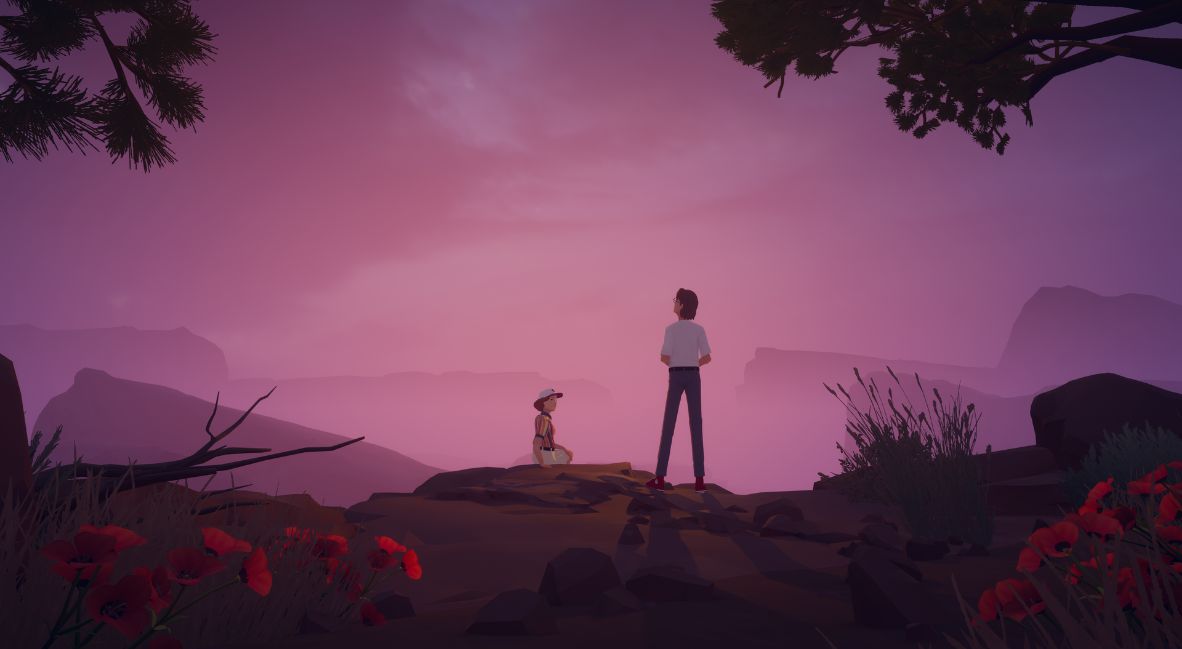
The more relatable part of the story comes from Alfred’s flashbacks. Toward the end of the demo, Alfred recalls a moment with Audrey when they stopped by Karl’s store in the past and characterizes their relationship with him. I only got to see one of these moments, but based on what is evident in the trailer, Forever Ago uses flashbacks like these to offer a more immersive glimpse into Karl’s inner world than mere text references to the past.
It’s rare to find a narrative adventure game about an older protagonist. That doesn’t stop Forever Ago from connecting with people of all ages, as it explores universal, relatable themes such as grief and loss.
However, it never becomes depressing, despite its deeper narrative, thanks to its colorful, cartoonish style, which makes it more approachable. It also didn’t give me the same kind of motion sickness that other narrative adventures like The Death of Edith Finch did. Overall, Forever Ago is satisfying in a way that literary fiction is with its story and peppers just enough interactiveness along the way to make it a promising game worth diving into.