

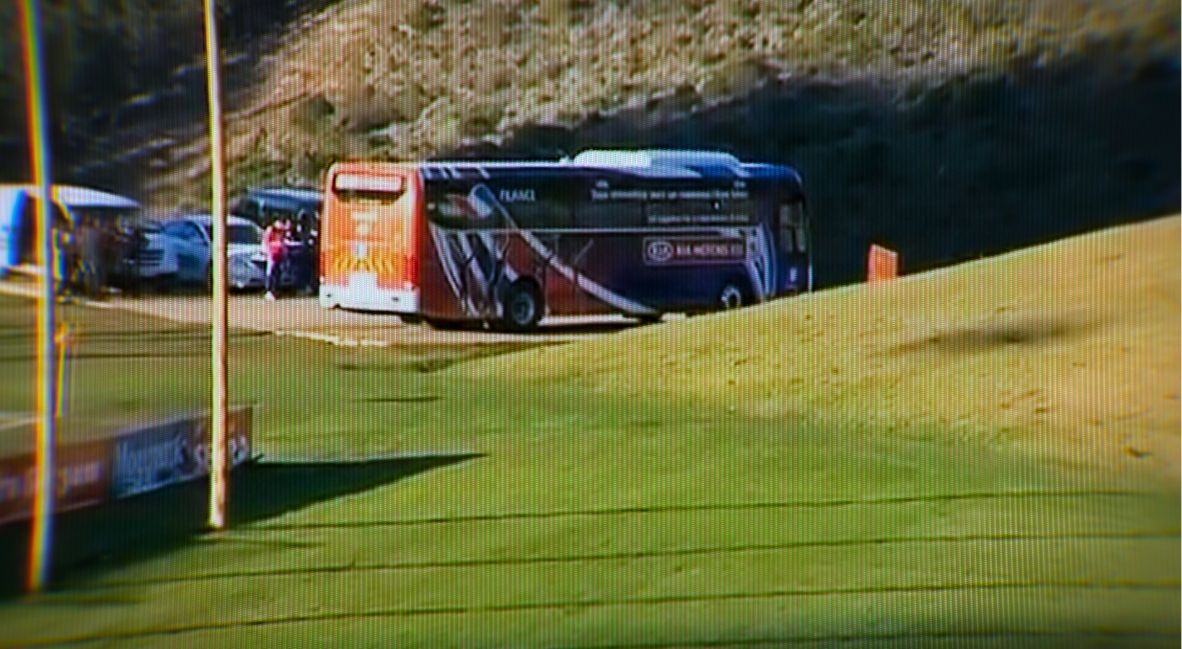
The Bus: A French Football Mutiny is a French-language football documentary directed by Christophe Astruc and Jérôme Fritel. The film follows the French national football team as they enter the 2010 FIFA World Cup in South Africa. With an already unstable squad heading into the tournament, poor performances turn the discontent into outright civil war.
The plot and the way it is developed within The Bus: A French Football Mutiny is incredible. The film focuses largely on two figures. Patrice Evra was the team’s captain and had a storied career at Manchester United. Raymond Domenech is the eccentric manager of the national team. These are the figureheads of both factions of what would become a devastating scandal for French football.
There’s a great intro that shows how the group is already unsettled, with egos upset and real pressure hanging over the team. There is still positivity when they lead in South Africa. But things quickly turn sour, and the group ends up broken and thrown into distrust.
The Bus includes all high-profile interviews.
What should be a story about glory becomes one about mutiny, rebellion, and political maneuvering. The tension and awkwardness are deliciously captured in the documentary, adding to the intrigue. It clearly hurt everyone involved, and there’s shame involved in every corner. The real bonfire ignites when a statement is leaked to the press, an incredibly damaging insult said during a halftime talk that both sides refute, and yet nothing was done in the moment to dispel the rumours.
The press, the government, and the squad itself all get involved, boiling into one huge and humiliating moment of protest. The detail is extraordinary, digging into every conversation, every moment of disruption. Because it’s clear that every single second adds to the catastrophe and the traumatic nature of the plot.
The interviews are special within The Bus: A French Football Mutiny because everyone included is very high-profile in the story. The cast isn’t enormous; not every member of the French squad is included. But Evra, vice-captain William Gallas, and Bacary Sagna are the major interviewees. Evra is a very talkative, honest, and erudite person. There is great intellect among these players, but also a strong code of honor and respect.
You can still feel Domenech’s betrayal, even now.
It would have been more interesting to include fellow French legends Nicholas Anelka and Thierry Henry in this documentary, too, especially given that Anelka is such a major player in the incident.
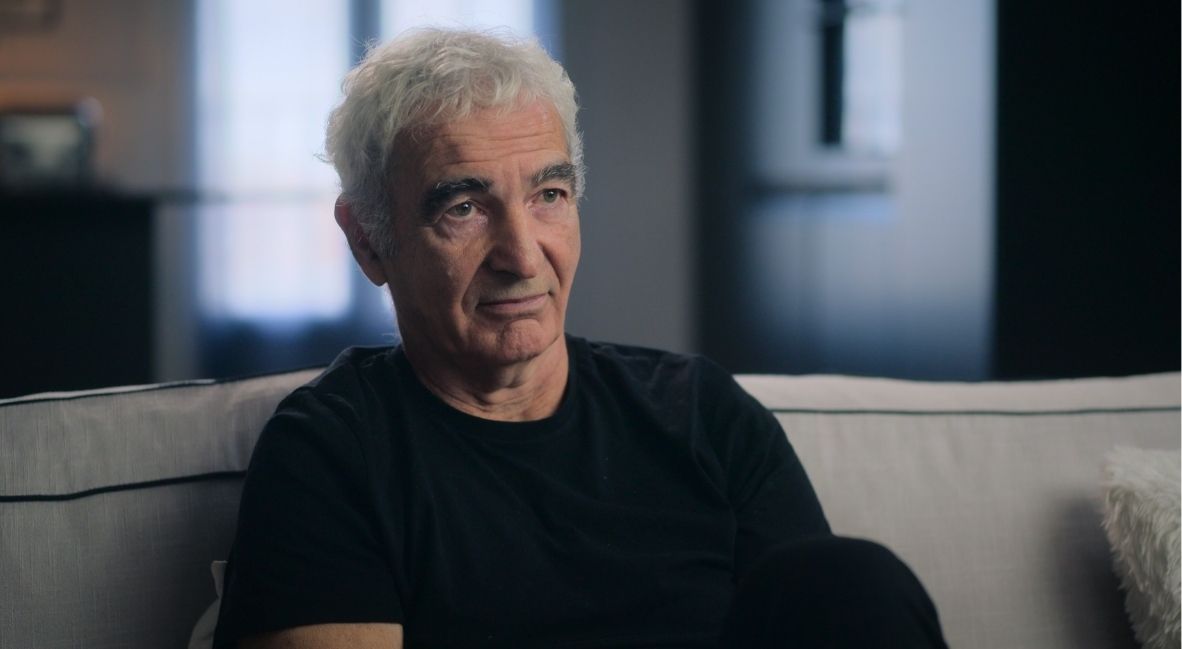
Then there is Domenech, a very peculiar yet also intelligent person. He comes across as arrogant and rude, and has some intriguing approaches to management. For one, he uses star signs to guide how he picks his team. He also obviously feels betrayed by the team, and that can come across in how he speaks about the players. The film makes it evident how the relationship between the players and the manager slowly but irreparably severed.
Other members of the scandal include the French team’s press officer, journalists at the major newspaper L’Equipe, and even the Government Minister for Sport. It highlights how big the scandal got and how out of control it was. With each interview, you can sometimes tell they are trying to hide something and save face in the aftermath. Domenech openly admits to lying, and that makes anything he says hard to believe.
The Bus is a new gold standard in how to craft a sports documentary.
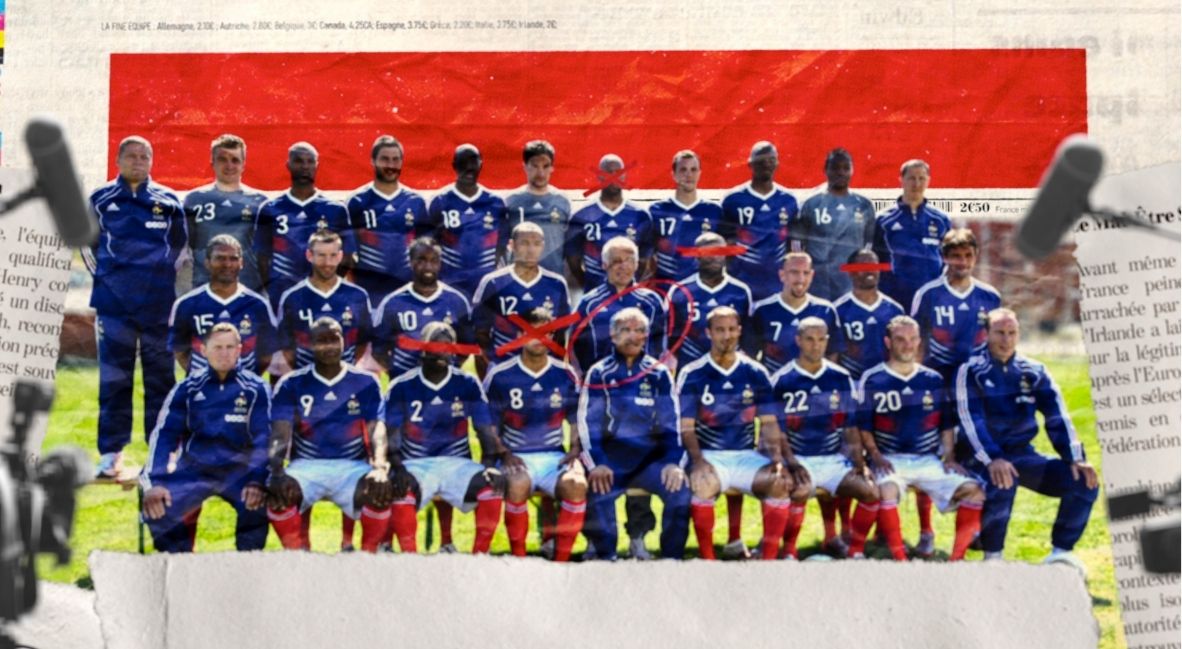
As a production, The Bus: A French Football Mutiny brings the artistic nature of French filmmaking to a sports documentary. There is some intriguing imagery used, with flaming newspapers and a football pitch full of deer, just to name a couple. One of the major features of the film is the addition of Domenech’s diaries, which he wrote during the World Cup and afterwards. The audience sees them typed on a white word processor, which makes the words more stark and drastic.
These diary entries are the most honest features of the documentary. We see only a couple of sentences at time, preventing us from getting buried within the text. It includes some very harsh words about his players. He calls them whiny, sulky, and many worse insults as the situation devolves into chaos. When the infamous headline and front cover of L’Equipe is revealed, the documentary recreates it in Photoshop. This highlights how deliberate each decision was. There were no mistakes; it was a deliberate, damaging sequence of events.
The Bus: A French Football Mutiny is a new gold standard in how to craft a sports documentary. This is because the sports side of it is so inconsequential. What it really is is a power struggle and an investigation into the heart of a boiling pot of ego.
To some, football is meaningless. To others, football means everything.
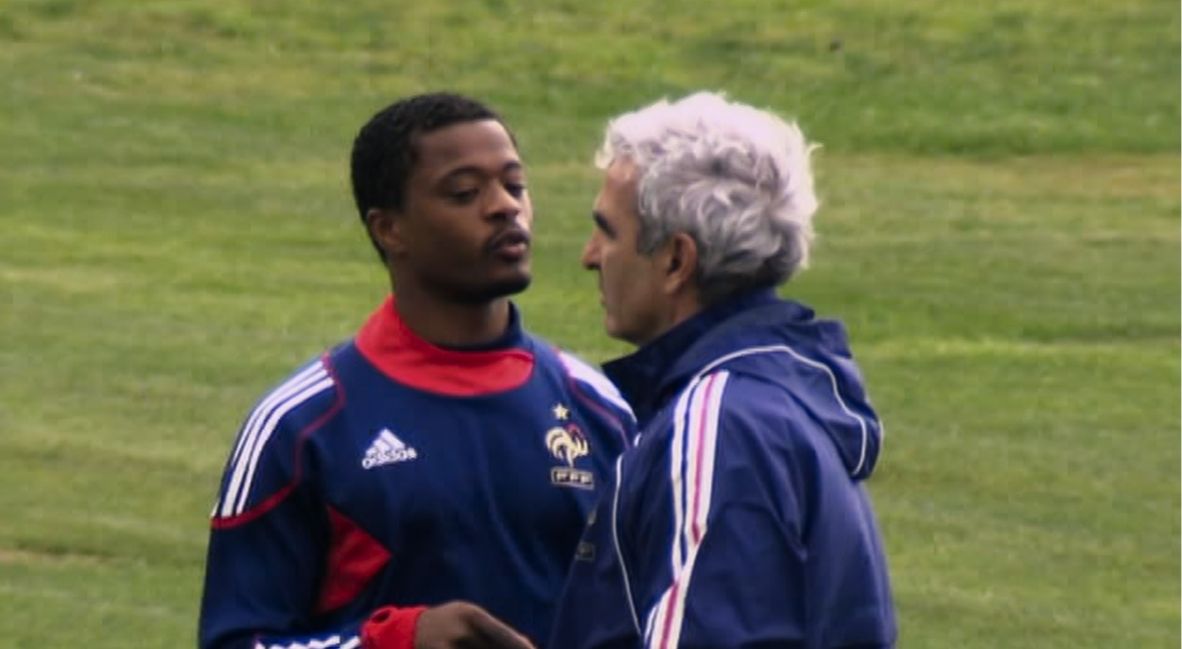
As the relationship breaks down and the various parties grow nervous, the film becomes a fantastic political thriller. It implements a feeling of paranoia, with secret meetings taking place and completely derailing a World Cup campaign.
Other documentaries explore the bliss and elation of when a tournament goes well. This one shows the opposite, when the personalities in a dressing room tear a whole nation apart. To some, football is meaningless. To others, football means everything.
The Bus: A French Football Mutiny is streaming now on Netflix.
The Bus: A French Football Mutiny
-
Rating - 8/108/10
TL;DR
The Bus: A French Football Mutiny is a new gold standard in how to craft a sports documentary, as egos completely dismantle a World Cup campaign.