


No Place For Football is a unique football documentary directed by Brandon Scott Smith and Derek Sullivan Smith. The documentary takes place in the Northern ice-covered landmass called Greenland, one of the most remote locations on Earth. The rocky, snowy, and icy terrain makes it extraordinarily difficult to play outdoor football. And yet, a team from the capital city, Nuuk, travels to compete and hopefully win the Greenlandic Football Championships.
The idea for the documentary is incredible and instantly captivating. There are more football documentaries now than there are football clubs, but No Place For Football has an especially unique aspect. Everything about the country seems opposed to association football. The weather is hostile, the infrastructure makes travel difficult, and, to top it all off, Greenland is not recognized by football associations at continental or global levels. So this story is about a fledgling footballing community where teams and leagues form despite being told it can’t happen.
It’s that drive to play the sport that makes the film enticing. The football aspect itself is universal; that’s what makes the sport so transferable across languages, cultures, and countries. The plot follows B-67, one of Greenland’s best football teams, which hasn’t won the championship in some time. This provides No Place For Football with protagonists who can win without being dominant.
No Place For Football shines a light on the shortest league in the world.
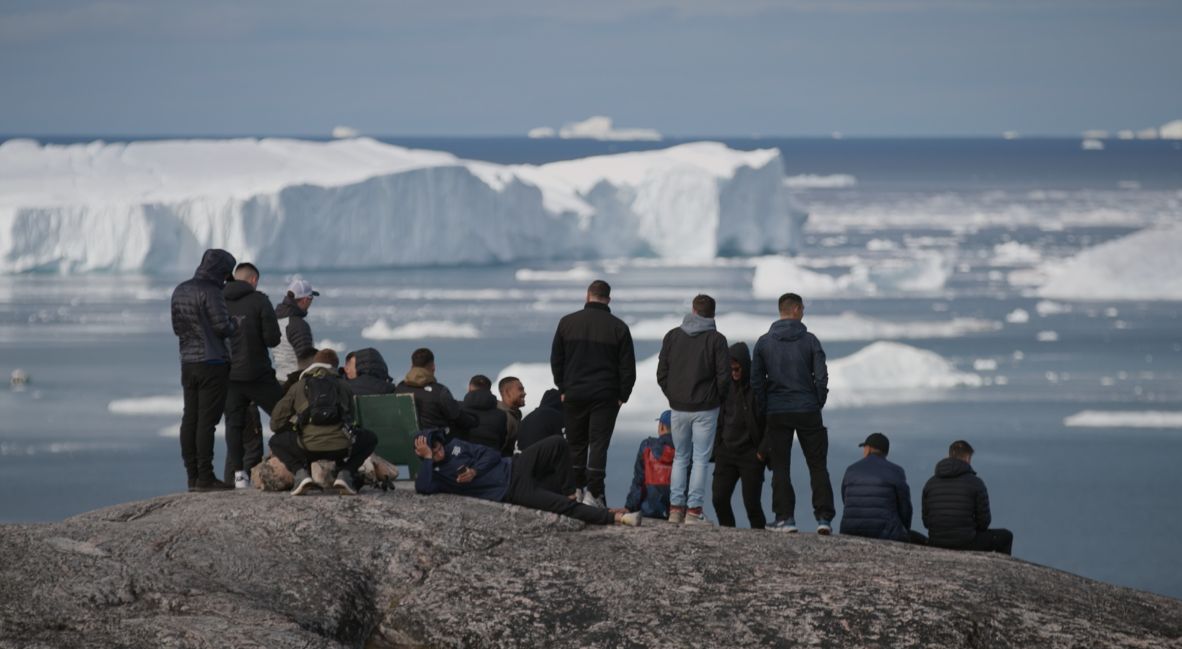
The opening of the story explains the difficulties and basic idea of the tournament, before the rest of the film consists of the championship itself. The Greenlandic tournament is the shortest league in the world, lasting only a few days. It leads to a digestible contest, one where all the games can be depicted within the 90-minute runtime. However, there are times when the pacing slows and even becomes a little boring. After introducing the audience to Greenland, there is just football. It would’ve been beneficial to intersperse scenes that showcase more of Greenlandic culture.
The core characters in No Place For Football are a selection of employees at B-67. There are two who serve as the club’s voices, but a host of other players are also interviewed. Patrick Frederiksen is the captain of the club, whilst Nicolai Nielsen is the assistant head coach. Frederiksen is the first player we see, and is easily likable. He’s a family man and a natural leader, as seen in how he takes responsibility and communicates with other players. Nielsen often lets the captain make decisions, rallying his fellow players as they listen.
Nielsen is also entertaining and interesting. At the start of the documentary, there are a few moments when he comes across as a little cringeworthy. When he cheers at his player scoring a goal whilst researching clips, it just seems a little awkward. But that can also be due to having a camera pointed at you whilst you’re doing your normal job, especially when you’re not used to the attention.
The documentary could have afforded more time to the athletes home lives.

There are a variety of interviewees, from the chairmen of the multiple teams to the commentator of the whole event. It helps provide more context about the clubs and the country itself. But that’s what the whole documentary could do with more of. Every footballer featured in this film is not purely amateur, as they’re not paid whilst playing.
It would have been great to get a better example of what these players are like at home and what they do. By doing so, it would strengthen the bond between the audience and the subjects. There are attempts to do that, especially with Nielsen. He is not a native of the island, so exploring the isolation is interesting. But for many others featured in the movie, the detail is only surface-level.
The production and the cinematography are fantastic. It presents the football against an incredibly gorgeous, yet stark, backdrop. The football pitches are often placed alongside a gallery of icebergs and water. Each shot of the player’s surroundings is mesmerizing for its uniqueness. The football facilities are very rudimentary, which is understandable considering how relatively new the sport is to the community. The dressing rooms are makeshift tents and gazebos. The wide shots superbly convey the isolation and hostility, with so much emptiness around the communities.
How football inspires people to train, triumph, and travel despite the odds.
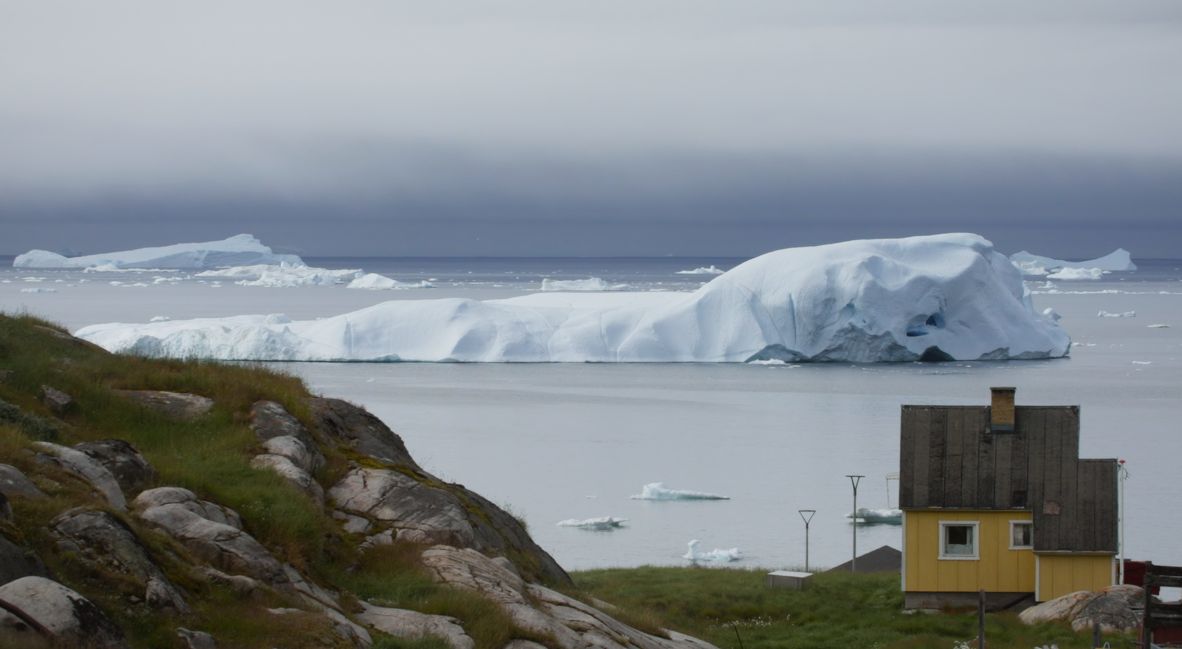
Much of No Place For Football feels like a nature documentary with football plonked in the middle. The editing and depiction of the sport itself is fantastic, too. There are some surprising displays of skill from many of the players. In the most crucial periods of the matches, a real sense of drama is generated. Football can be entertaining and exciting at any level.
The soundtrack is often very quiet, relying solely on diegetic sound. Music that does appear often comes from the players’ phones. The silence is important to the movie’s sense of loneliness. The dialogue comes in the form of multiple languages: English, Danish, and Greenlandic, which is an interesting example of the variety of voices on the island. There are even some voices that seem North American, such as American or Canadian.
No Place For Football highlights the game’s resolute and resilient nature. No matter the continent or culture, football always finds a way to materialize as people travel, train, and triumph. The stakes are relatively low aside from the players of B-67 and every other club. Some of the players talk about how getting scouted and playing abroad just isn’t possible considering the isolation, so this championship is the only chance they’ve got. It truly feels like football at the furthest reach of the world, and it could have honed in on that aspect even further.
No Place For Football is available for digital download from May 29th.
No Place For Football
-
Rating - 7/107/10
TL;DR
No Place For Football highlights the game’s resolute and resilient nature. No matter the continent or culture, football always finds a way to materialize as people travel, train, and triumph.