

The Last Viking (Den sidste viking) is a reminder that experimenting with and pushing the limits of genre blending can pay off (and should be done way more often). In the latest cinematic collaboration between writer/director Anders Thomas Jensen and actors Nikolaj Lie Kaas and Mads Mikkelsen, what initially seems like a heist film transforms into a familial drama born of a fable that confronts the uncomfortable conversations about accommodations and disabilities in our culture (with no easy answers in the end).
The Last Viking centers around two brothers, Anker (Nikolaj Lie Kaas) and Manfred (Mads Mikkelsen). After a bank heist, Anker is sentenced to 15 years in prison, leaving his brother and sister, Freja (Bodil Jørgensen), behind. Before he is sent off to jail, he entrusts Manfred to bury his portion of the heist money somewhere safe, unaware of how his brother’s mental condition would transform with his absence.
When he’s finally released, Anker is left to grapple with the discovery that Manfred has developed Dissociative Identity Disorder (DID) and is unable to recall where the money was hidden. After his former heist partner threatens him for the money, Anker whisks Manfred away to his old family home (now an Airbnb under the current owners). The hope is to locate the money and rediscover a new life for himself, but what follows is a tale of painful truths, some healing, and a whole heck of a lot of Beatles and ABBA throwbacks.
The Last Viking weaves a twisting web of activities, culminating in a deeply emotional family drama.
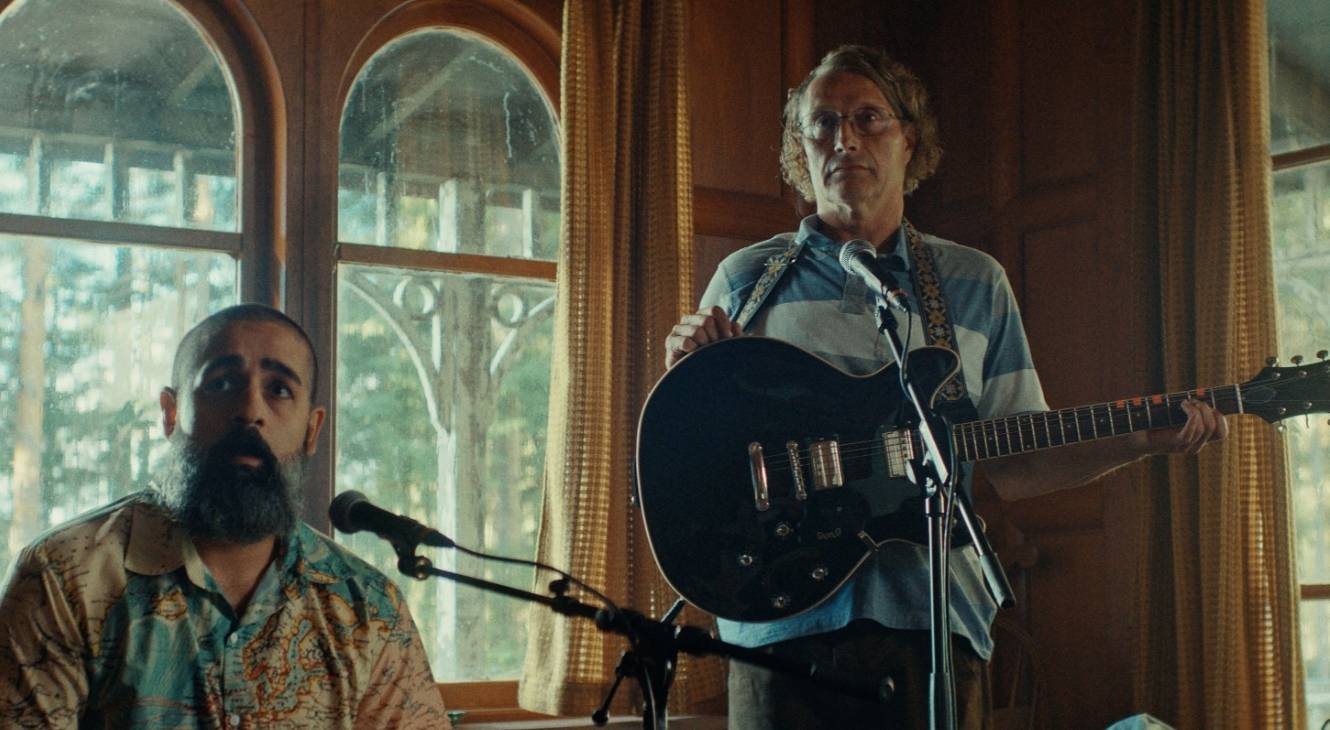
Opening with an animated fable sequence, Thomas Jensen sets the immediate expectation that The Last Viking isn’t just a heist film. However, it takes time for the bigger picture to make itself known as the story takes a flurry of twists and turns, keeping viewers (as well as Anker, operating like a straight-man type) on their toes.
Surprisingly, most of these tonal pivots work, amplifying the inherent chaos of the story’s ever-evolving situation while also coming together to make a surprisingly effective family drama in the end. That doesn’t mean that there aren’t twists that don’t land. There are, and they don’t help the plot’s busyness, but the overall film succeeds in finding and effectively utilizing the elements of surprise here.
What holds everything together in The Last Viking is the complementary performances between Mads Mikkelsen and Nikolaj Lie Kaas. Lie Kaas plays Anker with a composed straightforwardness, the seemingly normal one amid a sea of confusion. It’s what makes his bursts of anger all the more shocking when Anker allows his frustrations and internalized rage to boil over. These moments also easily connect to a poignant line from the opening fable: “If everyone is broken, then no one is broken.” And as Anker remembers the past, the cracks begin to show.
Mad Mikkelsen’s crazy swings in The Last Viking are balanced out by Nikolaj Lie Kaas’s more stoic approach.
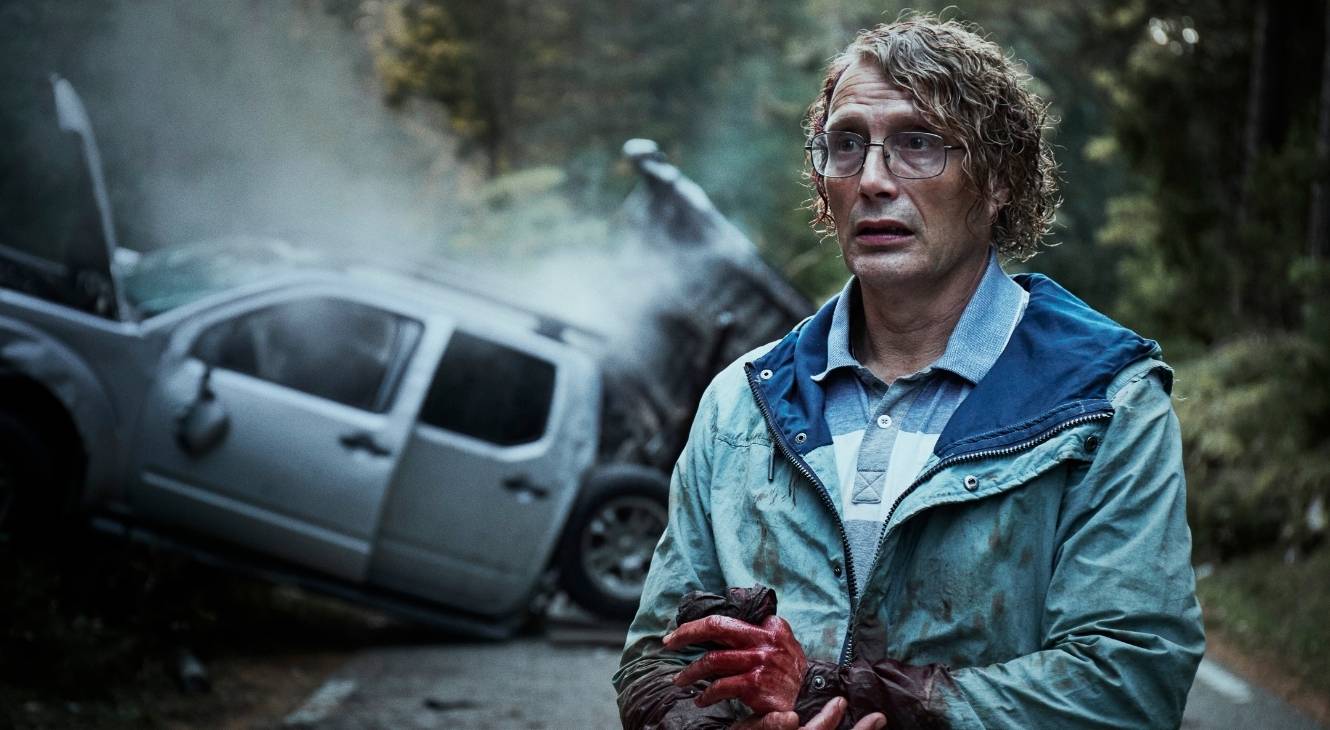
The chaos is further amplified by Mads Mikkelsen’s Manfred, who goes from 0 to 100 at the sound of his character’s name, resulting in some of the film’s more darkly comedic beats (with a well-deserved payoff in the film’s final act). The dynamic can be uncomfortable to witness at times, as Anker grows increasingly frustrated with his brother’s mental illness. Yet the more you learn about the family’s history, the more sense it makes. And sadly, the more realistic the conversations are when frustrations come to a head.
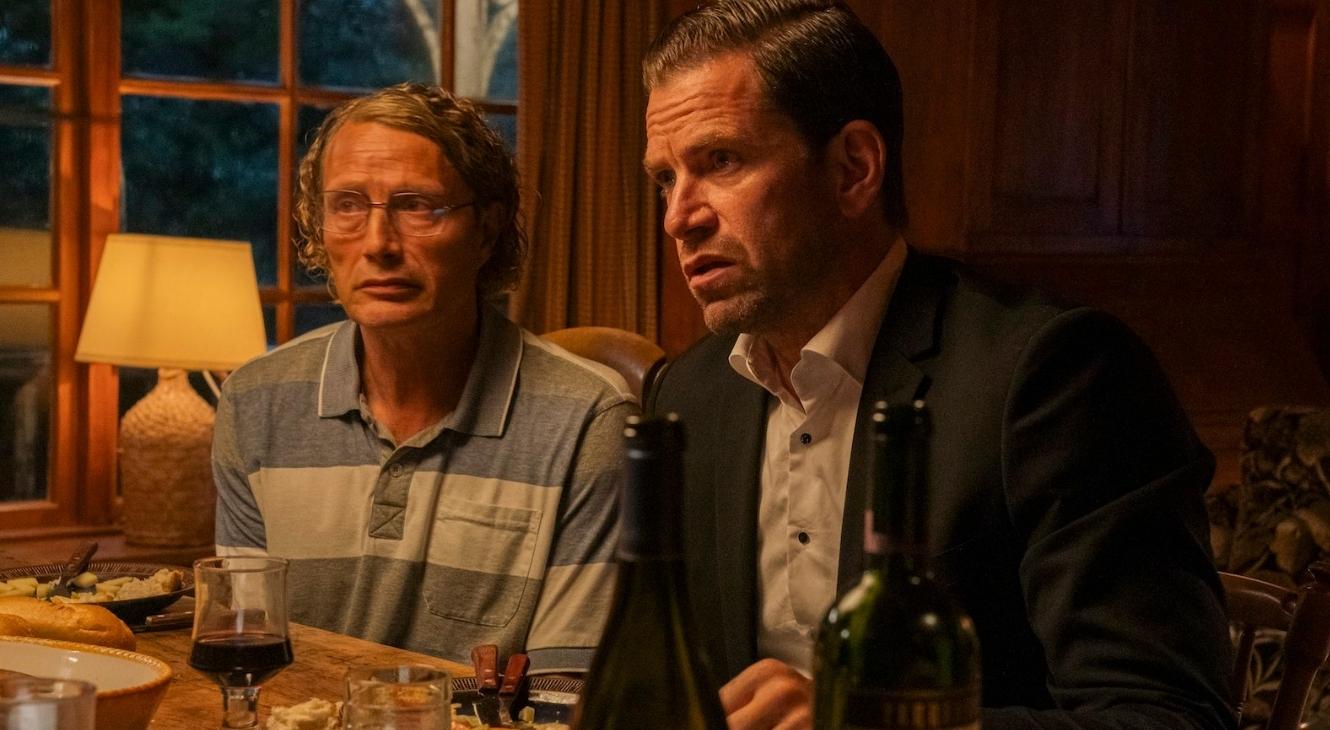
This comes across most in how people around Manfred treat him and discuss his disabilities. For his part, Mikkelsen never shies away from leaning into Manfred and his alter ego, John’s, eccentricities. And how people respond to both personalities changes depending on what information they have, as shown in the introductory scene with the Airbnb owners. It raises questions about how we treat people with disabilities. But the most compelling—and uncomfortable—part is a conversation between Anker and Freja about their brother.
Manfred cannot be left alone. His suicidal impulses and his need to kidnap dogs, while hilariously demonstrated in The Last Viking, make it so that he needs constant care and supervision. And in a deeply weighted moment of frustration, Anker and Freja discuss the strain this places on them. It’s an important yet unsettling conversation to take in, especially if you’ve been in a caretaking role, because while it’s a moment of weakness for both characters, it resonates. And in a film that wholeheartedly embraces chaos, this conversation grounds it.
For a film that embraces chaos, The Last Viking never shies away from the reality of mental illness.
Thomas Jensen also doesn’t shy away from showing the beauty that can come from mental illness. The correlation between artists and mental illness is one that has been dissected across time, and we see how this manifests in Manfred/John and Hamdan/Paul-George (Kardo Razzazi). One of the film’s most pleasant surprises, Kardo Razzazi, steals each scene he’s in while spotlighting his vocal talents, whilst Hamdan has switched alters.
The same care is placed with the runes we see Manfred carve throughout his familial home, both in the past and present. These manifestations of art aren’t always seen as helpful in The Last Viking, and in Manfred’s case, more like a nuisance. But Thomas Jensen demonstrates their use and place in a society that is losing touch with the arts, despite desperately needing them.
Therein lies what makes The Last Viking refreshing. It is unequivocally what the arts should aspire to. Anders Thomas Jensen’s experimentation with storytelling genres, as we’re familiar with them, opens up a wide realm of opportunities for conversation while also being equal parts entertaining and challenging. From its many twists and turns to its eccentric cast of characters and all-too-game cast to the almost fairytale-like setting that stokes both wonder and suspicion, this is not a simple heist film. It’s so much more.
The Last Viking is now in theaters and available On Demand and Digital.
The Last Viking
-
Rating - 8.5/108.5/10
TL;lDR
The Last Viking is unequivocally what the arts should aspire to.