

Developed by Beethoven & Dinosaur and published by Anapurna Interactive, Mixtape has been one of the most anticipated indie games among my peers since its announcement. Inspired by the John Hughes-style teen comedy of the late ’80s, Mixtape is a narrative-driven adventure game that takes players into the last night of one friend group’s high school years.
In Mixtape, players dive into the last night of one friend group’s high school years. Beethoven & Dinosaur’s approach to storytelling pulls together cinematic language, music, and video gameplay to craft an immersive story that feels like a memory (for both the characters and the player).
Highlighting the bittersweet process of growing up, Mixtape is a coming-of-age story that explores how we grow in our friendships and what happens when our dreams take us away from our community.
Mixtape takes a cinematic approach to storytelling.
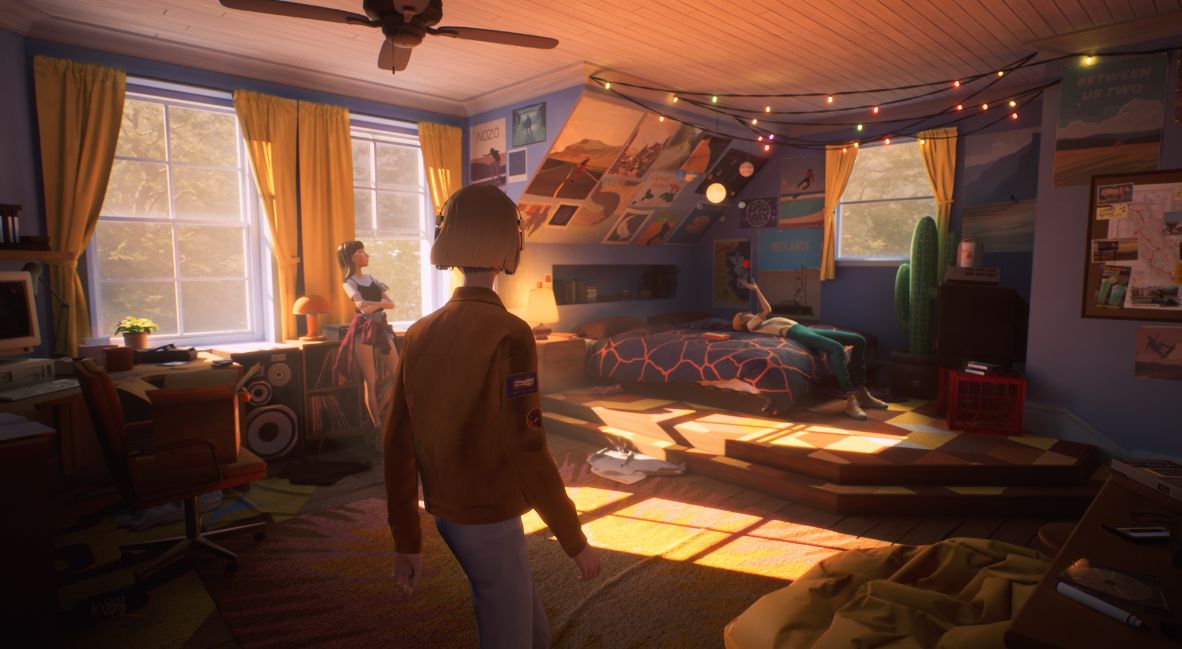
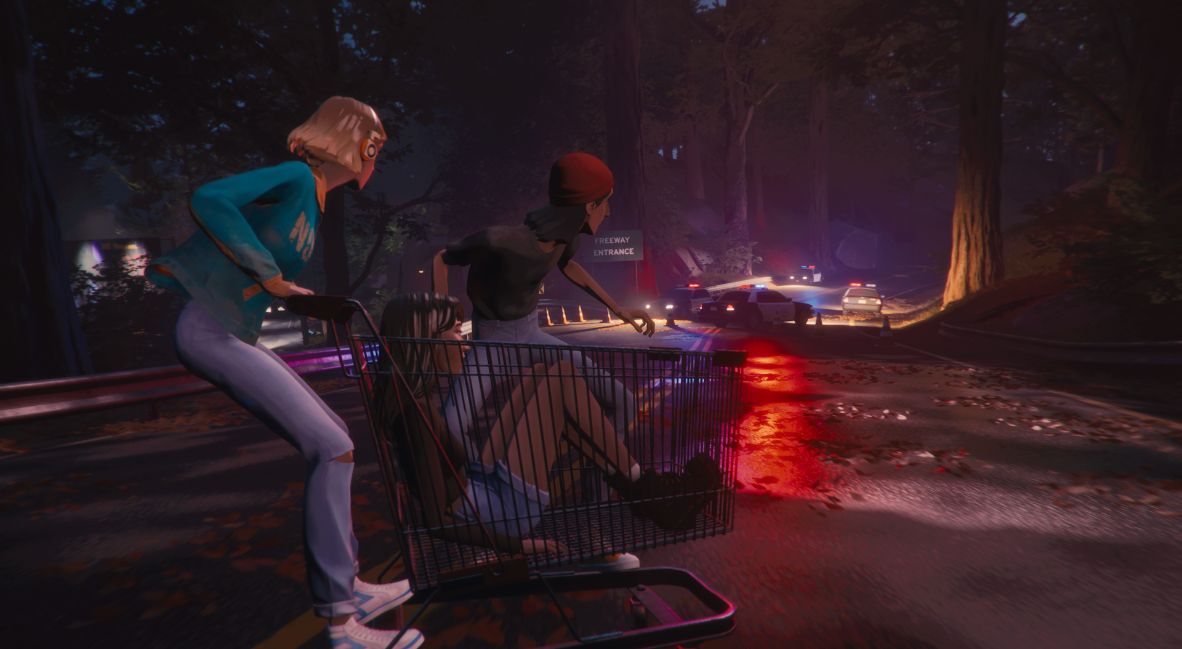
Cinematic in scope, Mixtape is more about watching than playing. Small moments of game mechanics ask you to steer a cart or your character, or just press A, X, or B to headbang. At around three to four hours of playtime (depending on if you haven’t put it down), there are moments when it feels difficult to decide if you want to play Mixtape instead of just watching it as an animated movie.
The animation quality throughout the game is gorgeous, but it also makes every gameplay element feel awkwardly prominent. But more often than not, simple inputs end up crafting a unique experience that prioritizes storytelling over gameplay. Traditionally, this is a style of game I get bored with extremely easily. However, Mixtape kept me engaged, and I never once thought about putting it down until it was done.
There isn’t any intense gameplay to speak of, yet Mixtape doesn’t bore you. No matter how simple the button input is, it’s extremely easy to sit down to play the game and not get up until it’s done. Mixtape succeeds in the blurry line between cinema and video games, but its simplicity of play also means the barrier to entry is nonexistent. This is a story anyone can come into, and even more importantly, can begin to identify with.
Mixtape is now the second cinematic title that I have picked in as many months that has made me change my stance on games with minimal gameplay. Guided by its soundtrack and rooted in emotional connections to people, places, and music, Mixtape is a special experience that unfolds in the moments between gameplay elements as tracks turn over and the player begins to see their own experiences in the story.
While Mixtape is about the end of an era for a group of high school friends, it’s also about crossing the gaps in their friendship that selfishness or miscommunication has widened. This is shown beautifully in the relationship between Cassandra and Stacey that develops over the course of the game. While Slater’s impact isn’t felt much, the friendship between these two young women allows players in either position to see the other’s perspective, and it works wonderfully.
Out of the two of them, however, it’s Cassandra’s story that caught my eye, particularly as her overcontrolling father becomes the game’s big bad. While the larger story is about holding on to youth on the cusp of adulthood, it’s the minutiae of Cassandra’s life that reminded me of mine.
Cassandra’s story is one of the most compelling elements of Mixtape.
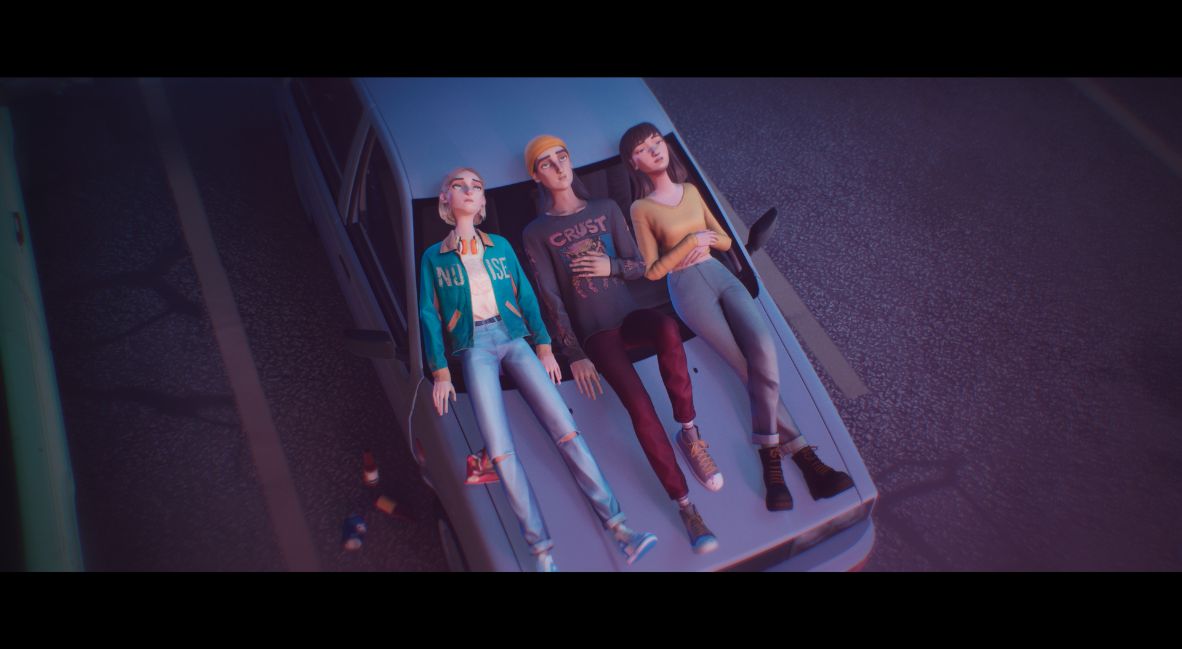
The daughter of a cop, she excels at everything that she does. She’s a good student and a better softball player, but all of that is for her parents. After first becoming friends with Slater and Stacey out of an act of rebellion, it’s with her crew that Cassandra feels like herself.
With Stacey and Slater, Cassandra can live for herself and make decisions for the life that she wants. This is why Stacey missing the planned road trip to Los Angeles hurts Cassandra so much. The road trip is Cassandra making a choice for herself, far outside her father’s reach.
Cassandra isn’t meant to be perfect; she’s meant to reflect what happens when you are forced to be someone you’re not. This makes Mixtape one of the very few coming-of-age video games to capture how I view my own experience at that point in life. And as the anchor of the narrative’s conflict, Cassandra’s importance can’t be overstated.
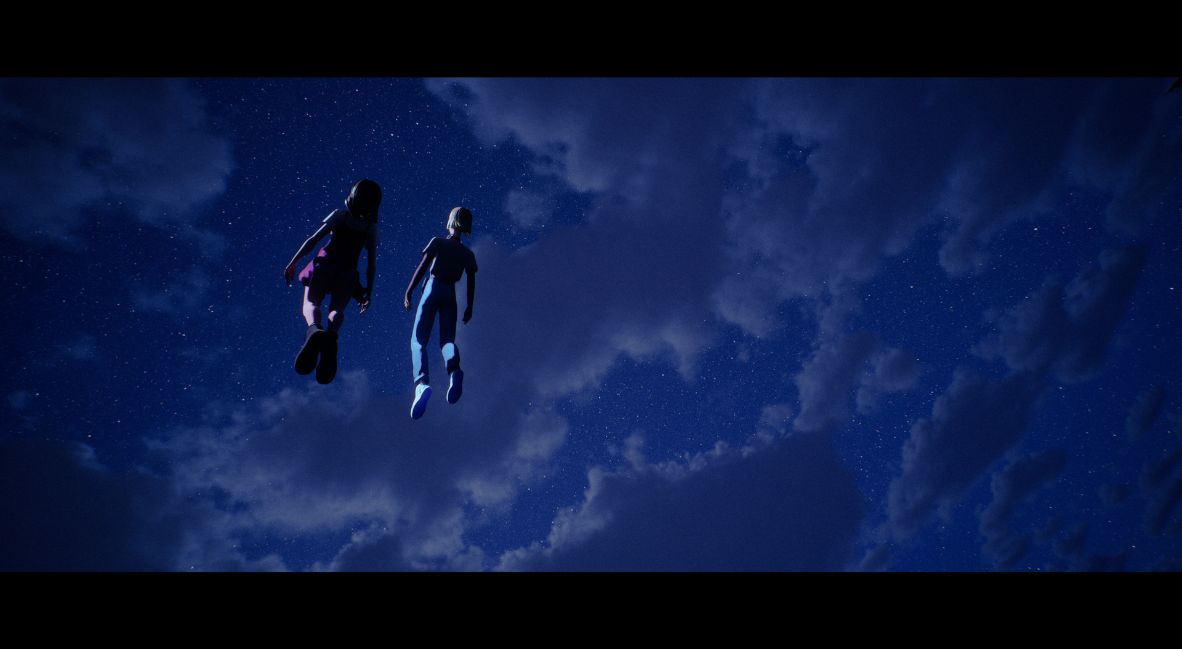
Mixtape’s melodrama is handled excellently, with emotion taking precedence. The John Hughes-inspired aesthetic is always at the forefront of the game’s artistic vision, but the vulnerability on display as the game enters its final act sets it apart from anything else in the genre. Additionally, the game’s near-fantastical moments help to keep its storytelling vibrant and unique.
Driven by its soundtrack, unpacking the story of Stacey’s last summer in her town unearths everything that the friends have left unsaid. By using Stacey’s mixtape, which was the soundtrack for the night, as a guide through the story, the game hits home on the attachments we form with songs. And for Stacey, how she uses music to communicate the feelings she can’t voice.
The choice to use songs that are not immediately recognizable to the audience helps teach the player the emotion attached to the music they are hearing for the first time. The blank memory-making slate for these songs allows the game’s narrative to build, unimpeded by personal attachment to Mixtape’s music.
Mixtape’s use of magical realism sets it apart from others in its genre.
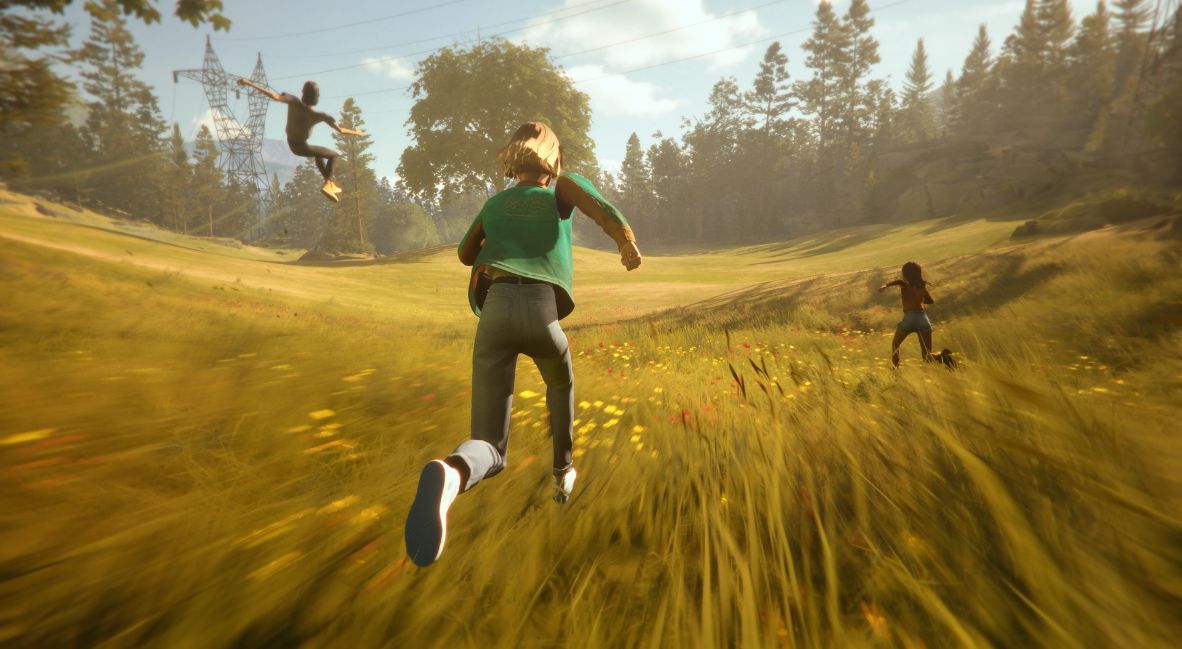
Additionally, magical realism is a language for Mixtape. When the trio of friends begins to fly through a field on wind currents, with flowers erupting beneath them, it’s clear that the game’s story is a memory. And memory is a fragile but potent thing.
Throughout the game, you move through other memories like your first kiss, the first time Cassandra snuck out, or Stacey’s childhood with Slater. Each memory has its own minigame interaction, and they all paint the friend group’s past, informing the main elements of the narrative.
In Mixtape, the past is sweet and simple, and sometimes it changes everything. Beethoven & Dinosaur has created a game that wonderfully embraces the messiness of being a teenager and the power of memory. The use of magical realism throughout the story makes the narrative feel fantastic yet never detached from the characters’ emotional reality.
And all of this is done without Mixtape overstaying its welcome. The game’s short length is its strength. It keeps the player engaged and makes the game easy to roll credits on. There is only so much angst you can show before offering your audience resolution, and Mixtapes understands that.
Mixtape offers a unique experience, even if it looks familiar at first. The narrative approach to memory and growing up creates a coming-of-age story that weaves through the messiness of teenage emotions. While the very brief gameplay can feel repetitive, the story mitigates that weakness. If minimal interaction, beautiful animation, and a strong coming-of-age story are in your wheelhouse, Mixtape is a must-play.
Mixtape is available on PC, PlayStation 5, Xbox Series X|S, and Nintendo Switch 2.
Mixtape
-
Rating - 8/108/10
TL;DR
Mixtape offers a unique experience, even if it looks familiar at first. The narrative approach to memory and growing up creates a coming-of-age story that weaves through the messiness of teenage emotions. While the very small amount of gameplay can feel repetitive, the story mitigates that weakness.