

World of Warcraft has been part of my life long enough that returning to Azeroth in any form brings plenty of expectations. There are places I want to revisit, classes I immediately gravitate toward, and people whose names I remember more clearly than whatever gear we spent weeks trying to get. Bringing that world to Dungeons & Dragons feels like a natural extension of what made those experiences memorable. Get some people together, give them a reason to explore, and leave enough room for things to go wrong in ways everyone will remember.
D&D: World of Warcraft provides plenty of material to make that happen. Character options, professions, factions, dungeons, and creatures give players several ways to build an adventure around the parts of Warcraft they enjoy. Its strongest sections understand how much there is to do in Azeroth beyond fighting through the next room. Its weaker sections leave the impression that some character fantasies received considerably more attention than others.
The book builds on D&D’s existing rules, with regular references to the Player’s Handbook, Dungeon Master’s Guide, and Monster Manual. That relationship is worth understanding before picking it up. Knowing how to play a Warcraft class does not automatically translate into knowing how its tabletop counterpart works. A veteran D&D player will recognize much of the foundation, while someone arriving from the MMO will have additional reading ahead of them.
D&D: World of Warcraft makes itself approachable with all of its recommendations.
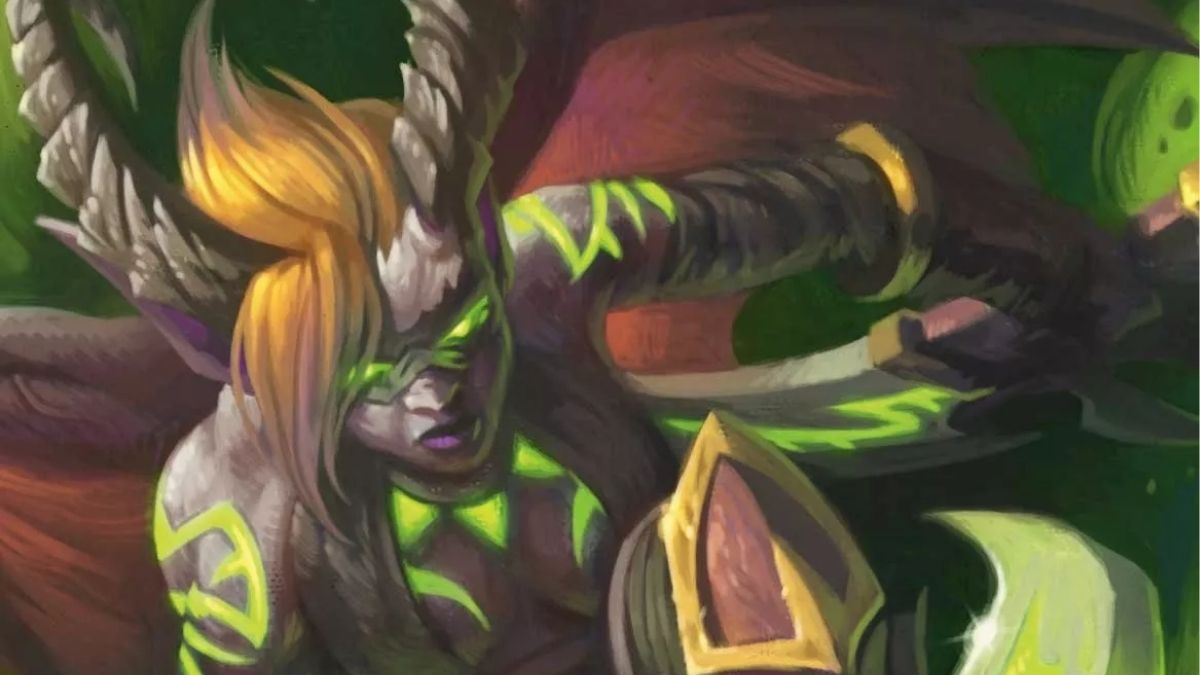
The character chapter in D&D: World of Warcraft makes that transition more approachable by organizing its recommendations around all thirteen Warcraft classes. Six new subclasses and three updated subclasses support those adaptations, alongside existing options that already fit certain specializations. Holy Priests use the Life Domain Cleric, Retribution Paladins follow the Oath of Vengeance, and Beast Mastery Hunters build from the Beast Master Ranger. Players can begin with a familiar identity and follow the book toward the choices that support it.
That guidance has value, especially for a group learning together. Choosing a class, subclass, spells, and feats can be a lot before someone has even taken a turn. Recommendations tied to a character they already understand give them somewhere to start. It also helps a DM preparing characters for a one-shot, where getting everyone comfortable with their abilities matters more than presenting every option.
That level of reinvention is uneven across the D&D: World of Warcraft. Warriors lean on existing Fighter subclasses, with additional maneuvers helping supply Warcraft flavor. Rogues receive an updated Swashbuckler alongside recommendations for other familiar subclasses. Those choices can fit the intended characters, but a player’s excitement about the new material may depend heavily on which class they came to recreate. Someone opening the book for a Death Knight will have a different experience from someone hoping for an equally extensive reworking of their Warrior.
Shamans require one of the larger adjustments in expectations. They use the Barbarian as their foundation, with Totems replacing Primal Knowledge at level three and subclass choices expressing their elemental abilities. The approach gives them a durable presence in combat, but players who associate Elemental and Restoration Shamans with spellcasting will have to reconsider how that identity functions here. It is a conversion worth examining closely before committing to a character, especially if recreating a particular play style is the main attraction.
The character origins help establish a broader sense of Azeroth. Draenei, Forsaken, Pandaren, and Worgen sit alongside familiar peoples with histories and allegiances specific to Warcraft. Those connections can also provide starting Renown with factions, giving a character relationships within the setting before the adventure begins. A party can arrive with different loyalties and experiences instead of needing its first quest to supply everyone with a reason to care.
Professions deserve more attention than they might initially receive from someone flipping ahead to the classes or bosses. Gathering resources and using them to produce equipment gives travel another purpose. Mining, herbalism, fishing, and other activities connect the places a party explores to things its members can actually use. Profession advancement follows Proficiency Bonus, allowing those capabilities to develop alongside the characters.
D&D: World of Warcraft feels just right in both worlds.
The decision to measure gathered resources by gold-piece value keeps the system manageable in D&D: World of Warcraft. A player can collect useful herbalism materials without requiring the table to account for every plant along the road. Groups that enjoy specific ingredients can add that detail, although the book leaves those expanded resource lists and recipes to the DM. There is enough structure to make gathering useful without requiring everyone to bring a second character sheet for their shopping list.
Crafting also becomes accessible to more characters. Recipes and ingredients supply the magical requirements, so producing magic items does not necessarily require Arcana proficiency or the ability to prepare the spells an item creates. The underlying crafting rules still apply, including the need to account for time. This system gives players more reasons to gather and make things, but the DM will still need to decide where those activities fit into the campaign.
Faction Renown offers a similar opportunity to give adventures lasting consequences. The Alliance and Horde are part of that structure, but organizations such as the Cenarion Circle, Earthen Ring, and Kirin Tor give characters more specific relationships to develop. Rewards provide practical reasons to maintain those connections. More interestingly, they give a DM people and organizations that can remember what the party has done.
That is particularly useful in a setting this large. Azeroth becomes easier to invest in when players have a few relationships they understand and reasons to return to particular places. A group doesn’t need to absorb the entire history of Warcraft before getting involved in one community’s problems. The faction material provides ways to build outward as the campaign continues.
The seven dungeon adaptations in D&D: World of Warcraft offer more immediate destinations. Deadmines, Shadowfang Keep, Blackfathom Deeps, Dire Maul, Scarlet Monastery, Azjol-Nerub, and Onyxia’s Lair cover different stages of play. Deadmines supports early-level adventurers, while Onyxia occupies the much more demanding level-seventeen-through-twenty range. Scarlet Monastery divides its wings across different level bands, giving DMs flexibility in how much of the location their group explores.
Deadmines was the first place I wanted to build a session around, and its treatment captures much of what makes the book appealing. Captive workers, contractors, pirates, and machinery give the party several things to investigate or interfere with before reaching VanCleef. The text supports disguises, sneaking, and exploiting distrust within the operation. Players can learn how the place works and use that knowledge.
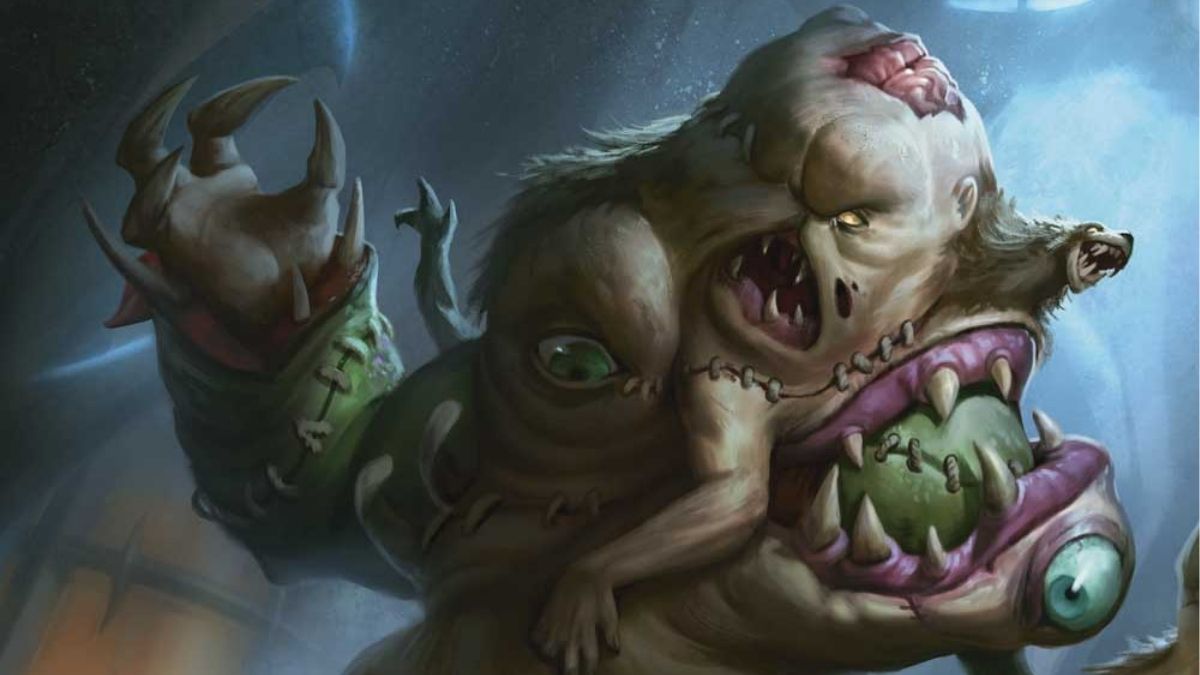
D&D: World of Warcraft has a huge bestiary.
VanCleef’s history also gives the dungeon a conflict worth discussing. Stormwind’s treatment of the Stonemasons helps explain the Brotherhood’s origins, while the people suffering under its operation give the party immediate reasons to intervene. A tabletop group can spend time with those circumstances. It can question someone, negotiate passage, help the workers, or develop a plan that changes how the final confrontation unfolds.
That freedom comes with preparation. A dungeon’s suggested level range does not decide which encounters belong in a four-hour session or how a particular party will handle them. Planning the Deadmines one-shot meant choosing what to emphasize and finding a manageable objective. The book supplies useful locations, hooks, and encounter material, but the DM still has to bring those pieces together. Experienced groups may welcome that flexibility. A first-time DM will likely need more support than a love of Warcraft alone can provide.
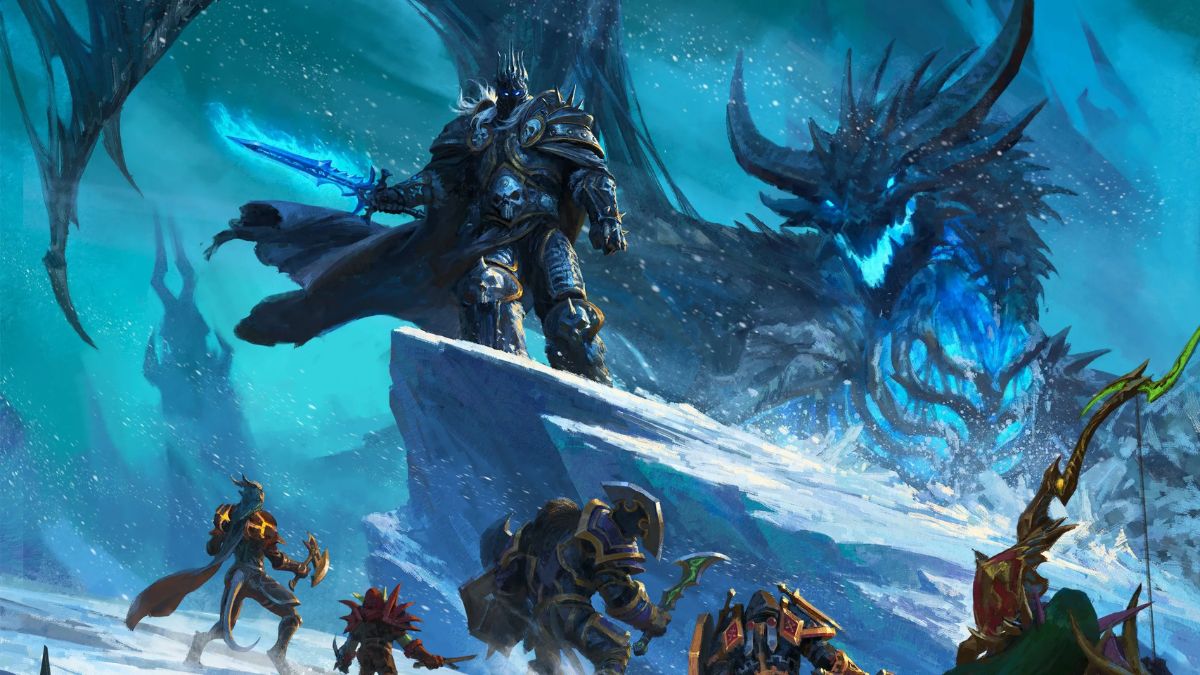
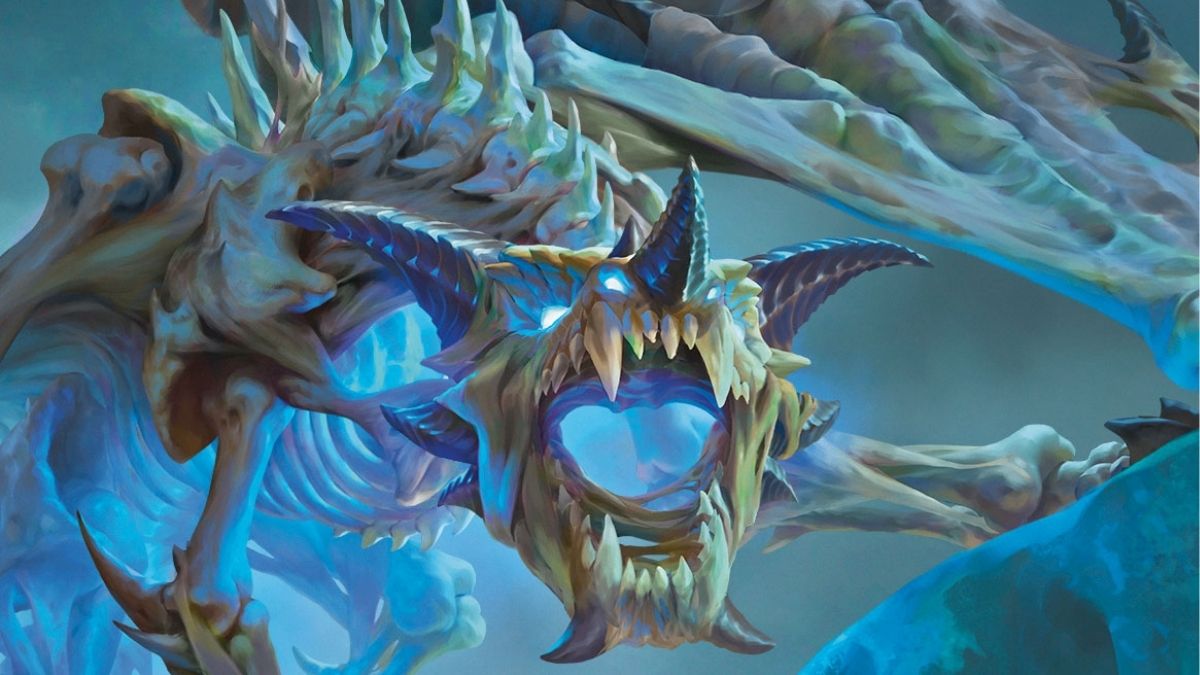
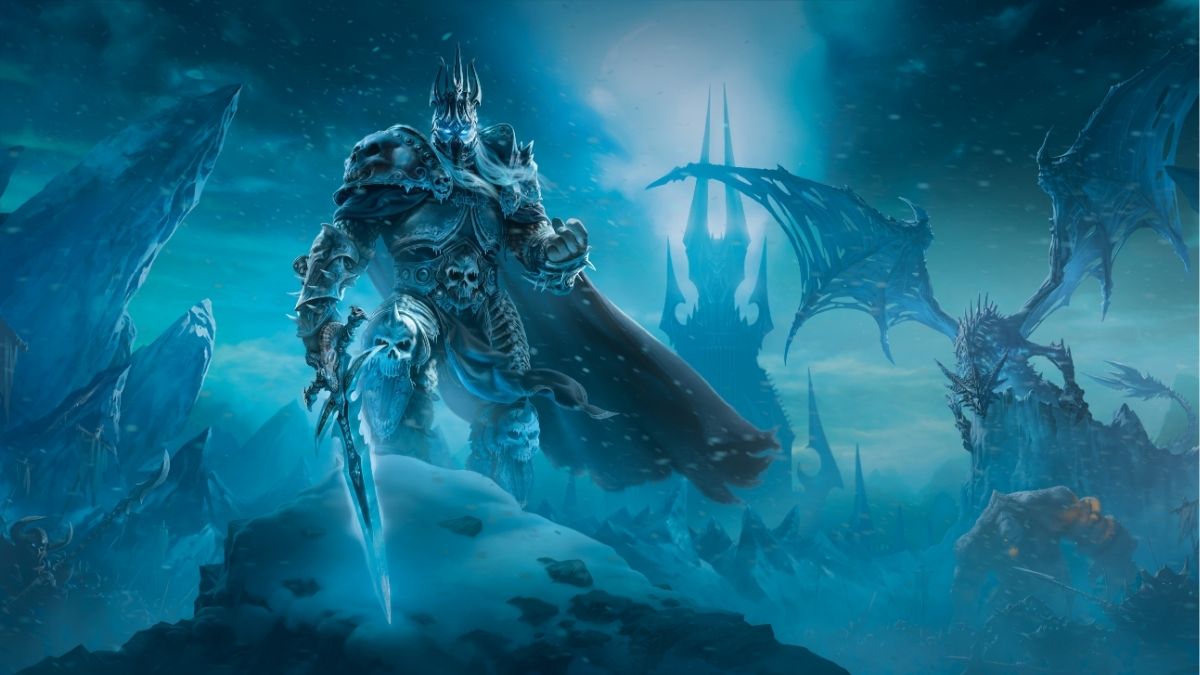
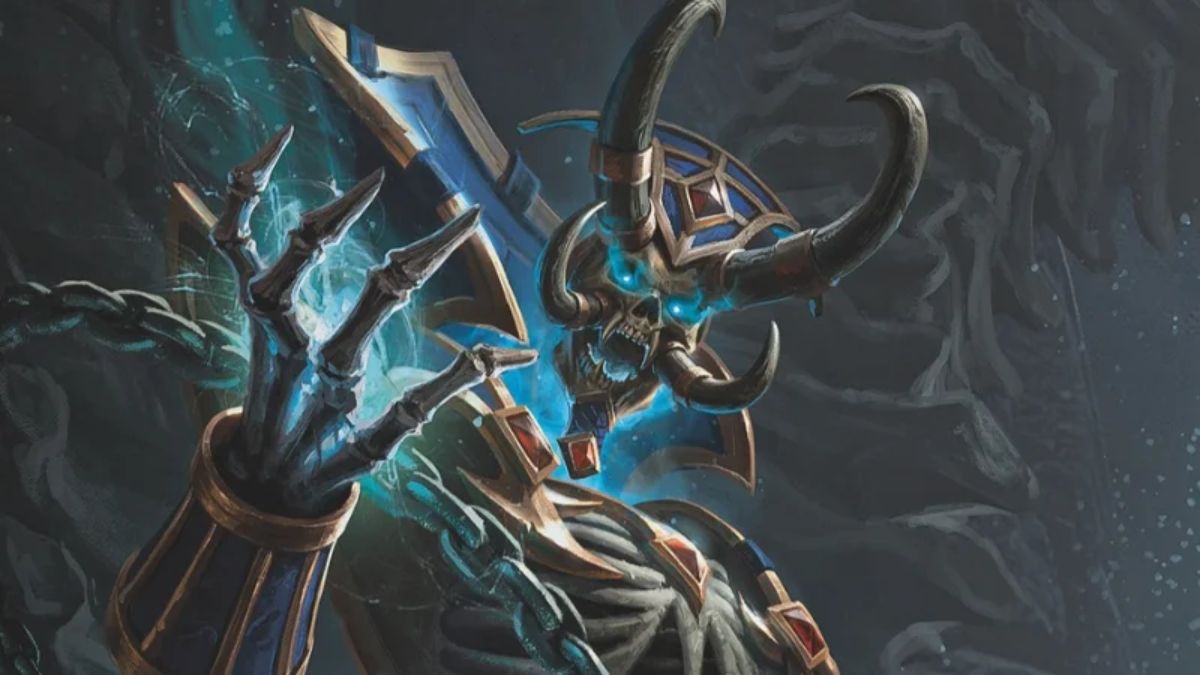
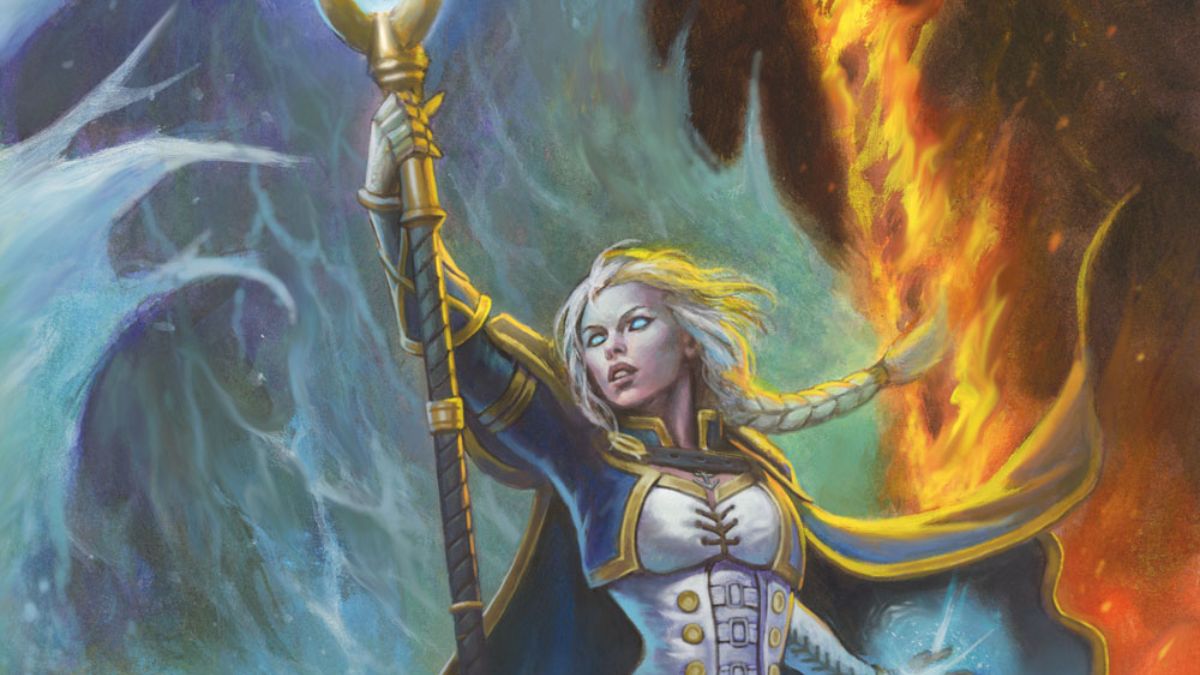
The bestiary gives DMs additional material to extend those adventures. Warcraft creatures, Dragonflight options, and major figures such as Jaina, Sylvanas, and Arthas make more ambitious encounters possible. Their presence is exciting, but preparing a memorable confrontation takes much more than choosing a recognizable opponent. Readers specifically interested in running Icecrown Citadel should also know that it’s a separate product.
Integration with D&D Beyond can make preparation more manageable.
D&D Beyond’s integration can help make that preparation more manageable, particularly with so many changes to familiar classes. For players with digital access to the book, the character builder offers Warcraft-specific classes with their adapted features built in and specializations organized beneath them. Being able to select a Death Knight directly simplifies a process that otherwise involves building a Paladin and working through its replacement features.
That is especially useful when preparing characters for newcomers who are already learning what everything on their sheet means. The DM still needs to shape the adventure, but having those character options organized in one place makes getting a group ready to enter Azeroth feel considerably less daunting.
Chromie’s introduction helps address the continuity surrounding all of this by giving groups a separate timeline to shape. It is a welcome allowance in a world with decades of interconnected history. Players can use familiar events and characters without worrying that every decision will put their campaign at odds with an expansion. The setting offers plenty to draw from, and the table has permission to decide what happens next.
D&D: World of Warcraft gives players plenty of reasons to gather a party and return to Azeroth.
That flexibility also extends to when an adventure takes place. Groups can draw from different eras of Warcraft, revisiting the threats of the early MMO or building a campaign around the expansions that brought them into Azeroth. For longtime players, that opens up the possibility of returning to a favorite period with a different character and seeing it from another perspective.
Newcomers can start with a conflict that interests them and learn the surrounding history as they play. D&D: World of Warcraft provides a foundation for those campaigns, though developing a particular era beyond its included material will require additional preparation from the DM.
D&D: World of Warcraft gives players plenty of reasons to gather a party and return to Azeroth in every timeline. Its flexible dungeons, unique profession rules, and faction relationships make it a worthwhile addition for groups willing to do the prep. The appeal of revisiting a favorite expansion is strong, but sharing those places with people making their own decisions is what makes this book exciting. I already know where the ship is waiting in Deadmines. Finding out what a new party does when it gets there is enough to bring me back.
D&D: World of Warcraft is available November 17, 2026, with Master Tier early access open now.
D&D: World of Warcraft
-
Rating - 8/108/10
TL;DR
D&D: World of Warcraft gives players plenty of reasons to gather a party and return to Azeroth in every timeline. Its flexible dungeons, unique profession rules, and faction relationships make it a worthwhile addition for groups willing to do the prep.

