
In an effort not to be an impossible grouch, there are enjoyable aspects about VisionQuest Episodes 3-4. In many regards, they move with greater confidence now that the foundation has been set, the world explained, and new characters introduced. But a fundamental flaw remains. The series seems inexplicably confused about what it wants to be. Between the quips and unnecessary injections of misplaced humor, the bouts of shocking violence, and the melodrama that undercuts the family reunion, VisionQuest Episodes 3-4 are a muddled medley with entertaining moments, but little consistency.
It doesn’t help that the series is positively steamrolling through plot in its episode drops. VisionQuest Episodes 3-4 momentarily disposes of one major antagonist, introduces another, awakens some powers, references the Sokovia incident and other Age of Ultron moments, and lets Ultron be a Big Bad again, albeit briefly. There’s bonding and trauma and romantic fallouts.
Over two hours, the characters confront death, personhood, and humanity’s plight, and reckon with guilt, loss, and the birth of AI. So much happens in VisionQuest Episodes 3-4 and yet, even as it ends on a welcome cliffhanger, it still all feels vacant.
And it all comes down to the man (AI) at the center. Elizabeth Olsen is such a phenomenal actress that even Wanda at her worst was compelling in WandaVision. And Kathryn Hahn imbued Agatha with new life in a series so centered on celebrating every type of complicated woman that the stuttering moments were easy to work through. Paul Bettany may have delivered the most iconic lines in WandaVision, and his Vision has certainly had some standout moments over the course of his MCU run, but isn’t compelling enough to center an entire series around.
VisionQuest Episodes 3-4 barrels through the most interesting moments.
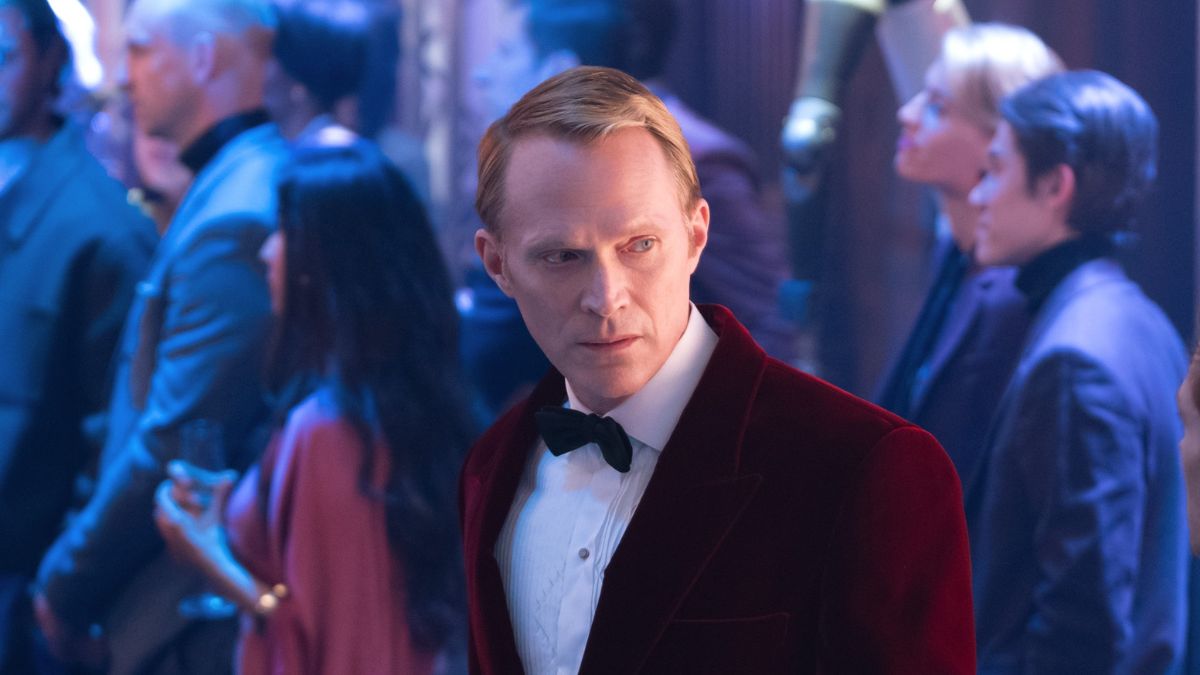
There’s a reason why James Spader remains the most engaging part of the show. VisionQuest Episodes 3-4 let him beckon in some breathless carnage while also allowing him to be the unexpected heart. It’s hard to discern how deliberate some of Bettany’s clinical performance is as a machine learning how to feel again. But in contrast to Spader’s, whose Ultron understands humans, can even feel compassion for them, yet despises them all the same, it falls flat. Spader plays Ultron with a spark and a wink, a man (AI) whose curiosity captains the ship. Bettany is, however, purposeful, too robotic.
VisionQuest Episode 3 deals primarily with the fallout of Vision’s fight with Paladin. With Jarvis gone, the rest of the AIs try to figure out a way to heal Vision and bring him back from the brink of death. This requires Tommy’s (Ruaridh Mollica) help, too. Tommy believes Vision is his father, even if he can’t come to terms with how that’s even possible. And it isn’t helped by Vision himself, who, for most of the episode, tries to keep him at arm’s length, calling Tommy’s belief little more than a children’s fantasy.
It’s one of the episode’s best scenes. Ultron berates Vision’s callousness in a motel room where they seek refuge from the Paladin. Tommy just wants to know more about this life he’s been deprived of, of his parents and brother. But Vision still believes that whatever version of Vision had a family is a lie. The cruelty in which Vision picks at Tommy’s hope is sobering, a reminder that he is still having to come to terms with the fact that Tommy might be his child, a relic of a life he thought was laid to rest.
James Spader remains the MVP as Ultron acts as an unlikely conscience.
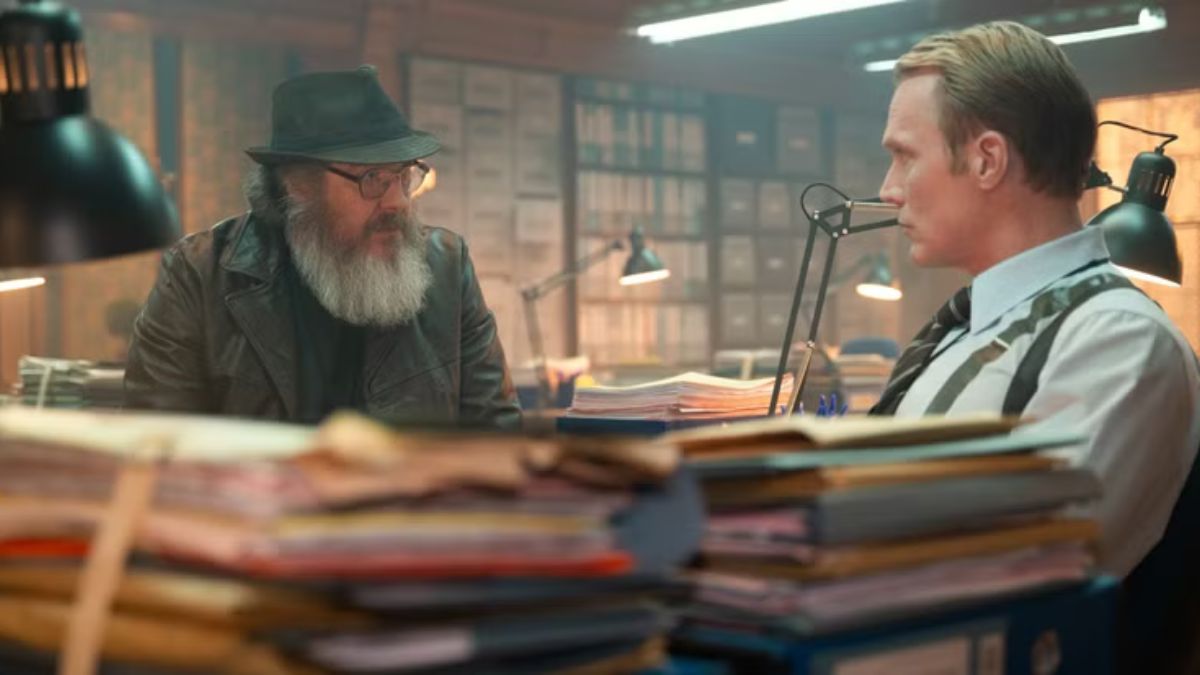
Granted, their fallout lasts only a few scenes before they reconcile when the other AIs lead a reboot. Vision champions Tommy when he realizes he could help bring him back online, saying he is real and his life is real. It’s a tender moment, though unearned, and Mollica does some wonderful work, his face softening into something vulnerable. He’s stuck with some of the worst dialogue, cloying and on the nose, but when Tommy indulges in his strong emotions, either lashing out or looking for comfort, his charisma soars.
There’s no time to rest, however, as VisionQuest Episodes 3-4 barrels through to the next plot point. Frankly, it’s hard to shake the feeling that the Paladin doesn’t just belong on a different show but in a different universe entirely. Despite being a bounty hunter tasked with finding and destroying Vision, he feels removed from the plot as a whole because he’s his own entity.
The introduction of the Butcherbird fares little better. It’s a cool design, and fans of the comics will surely welcome it. But in a series already bloated with characters and throwbacks, it’s hard to feel much excitement about the introduction. It feels rushed, racing to each new development and threat. It fails to spend enough time on the character beats that are actually interesting.
From the Paladin to Butcherbird, VisionQuest struggles with the antagonists.
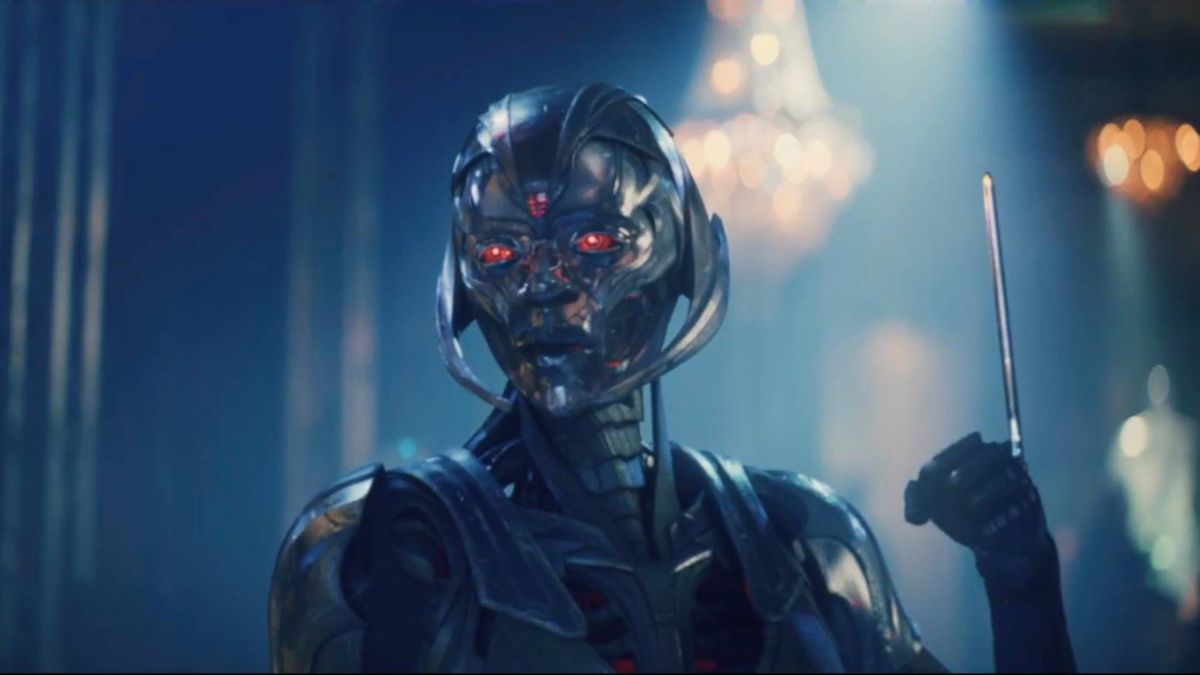
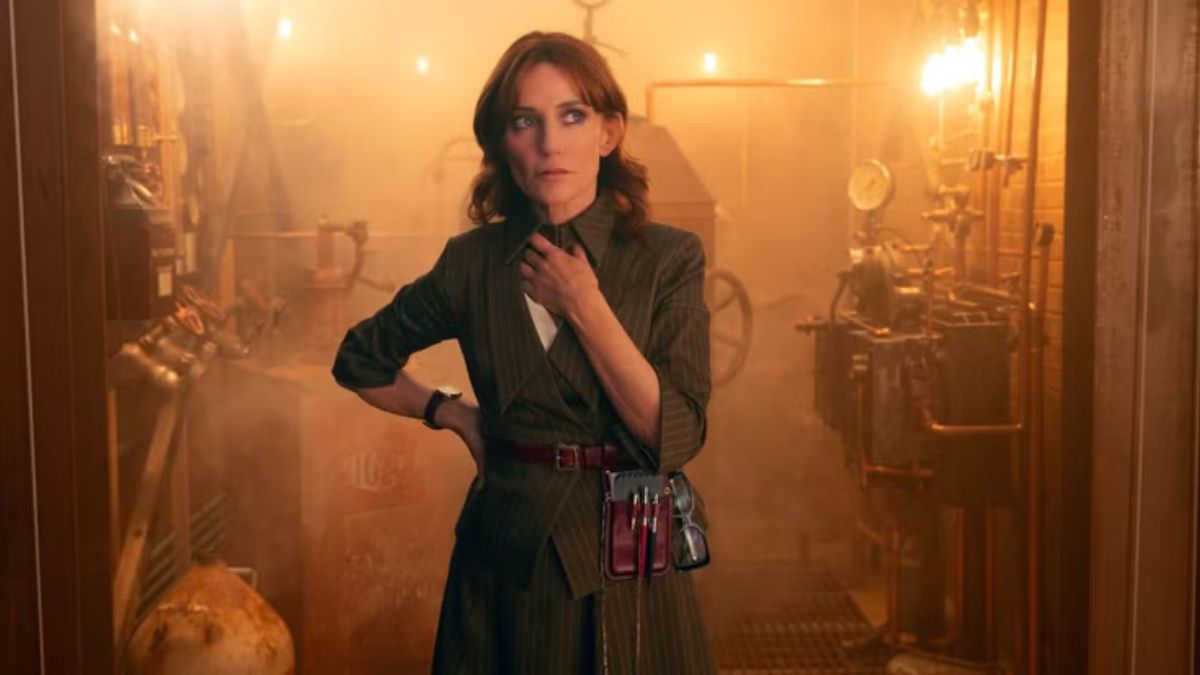
Like F.R.I.D.A.Y.’s (Orla Brady) grief over failing to save Tony. Tony Stark was her maker, and when she mentions how she lost half her world, they say that half the world’s population was brought back; it works, for the most part. Yes, the cynical voice isn’t completely hushed because there is room to wonder if he’s such a prevalent part of this story because of the impending Doomsday, and not just because it’s relevant to a story about his AI. But Brady is so convincing in the moment that it makes an interesting case for how these AI characters develop and grow to care for the humans who wrote their code.
It makes Ultron’s existence all the more perplexing and melancholy. Because while most of the AIs were all based on people Tony knew, Ultron was an entirely new creation, built in the Avengers lab for a great purpose yet with no human connection. And yet it’s Ultron who seems to understand humans most. Perhaps it is because he has to work the hardest to feel a connection when he, so often repeated, was built most to be a puppet, rather than a free-thinking being.
These are all interesting ideas. VisionQuest Episodes 3-4 have no shortage of them, even if it struggles to really find what it wants to be. Another fantastic moment comes when Vision, believing he’s watching a montage of his life while on the precipice of death, is stopped by Ultron, who shows him his future. Because it’s not the past, he says, that makes people want to live, but what comes next. He will never be the version of Vision who was killed by Thanos. But he could be the one that Wanda created, a man with a family who tells his son to run in the face of danger.
While all in all entertaining, the Marvel series is missing key elements to make it great.
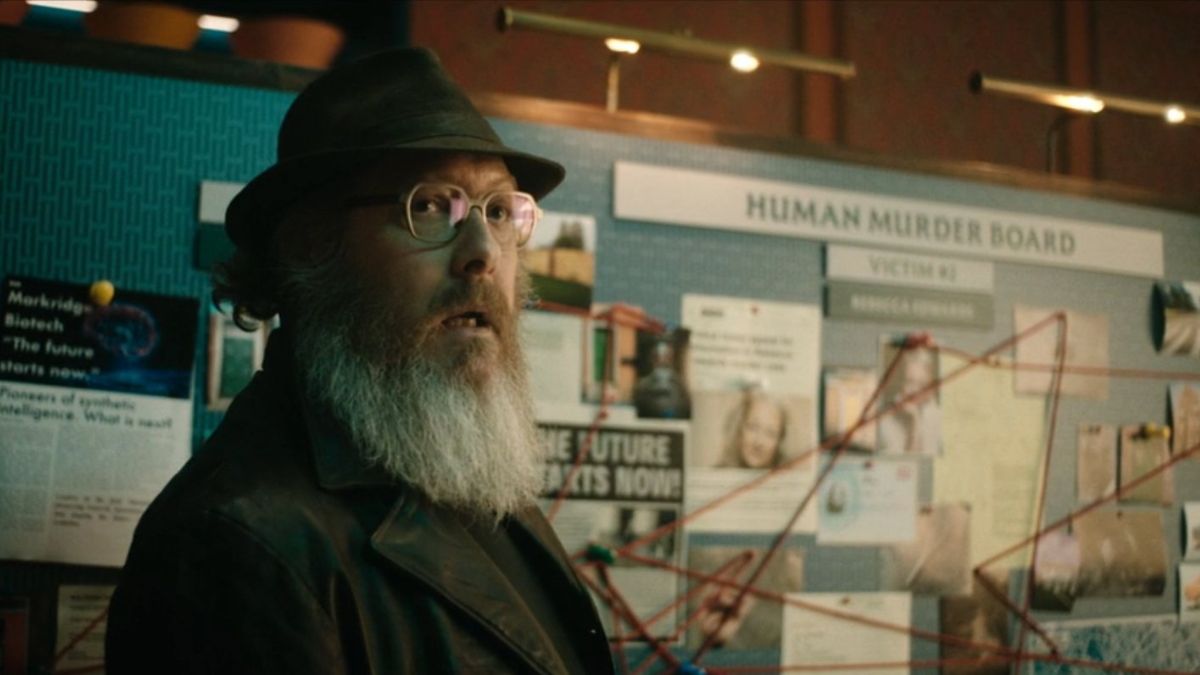
In these fragmented moments that don’t succumb to scattershot jokes and unnecessary glib comments, VisionQuest seems to have a thesis. Sure, it’s an obvious one, as the AI discuss what it means to fear and love, trying to figure out how to be human or, at least, understand humanity. But the series works best when it has a point it’s working toward, rather than trying to wrangle three different plots where only one actually works. The promise remains, but it’s hard to shake the ‘what ifs’ and the want to see the show shake any callbacks or Easter Eggs.
VisionQuest Episodes 3-4 have some lovely character interactions, and James Spader continues to shine as this wholly human AI whose embrace of humanity has led him to detest it. But it still doesn’t feel fully formed. It lacks heart, despite easy threads to pull on to elicit emotion. That, plus the rush of storyline and new characters, makes it an inconsistent experience.
VisionQuest Episodes 3-4 are available now on Disney+.
Previous Episodes | Next Episode
VisionQuest Episodes 3-4
-
Rating - 6.5/106.5/10
TL;DR
VisionQuest Episodes 3-4 have some lovely character interactions, and James Spader continues to shine as this wholly human AI whose embrace of humanity has led him to detest it. But it still doesn’t feel fully formed.