


Zach Cregger’s Resident Evil (2026) is the most “accurate” video game adaptation of all time, but not in the way you’d expect. If most movies based on games handle their source material as you would with a novel — by adapting the story — this latest trip to Raccoon City makes a big discovery: for non-narrative-centric series like Resident Evil, it makes way more sense to adapt what it’s like to play one of these games, rather than reconstruct the thin plot. Resident Evil is equal parts hilarious and harrowing, a pulse-pounding 90-minute thriller that, like its source material, is a gross-out delight.
This journey into hell begins when medical courier Bryan (Austin Abrams) agrees to take precious cargo to a nearby hospital. It’s a cold winter night, and his next destination is an out-of-the-way town in the mountains. On the surface, Bryan taking the gig may seem noble, and he halfheartedly explains to a cop who pulls him over, “This could be a heart for a kid or a dying guy!” In reality, his intentions are anything but altruistic.
He takes the job because the overtime pay is good, and it lets him delay a difficult conversation with his girlfriend, who just told him over the phone that she’s pregnant. As Bryan grabs the goods and runs away from his problems, the nurse tells him where he’s headed. Raccoon City.
Resident Evil drums up an overwhelming sense of dread as Austin Abrams’s Bryan faces the impossible.
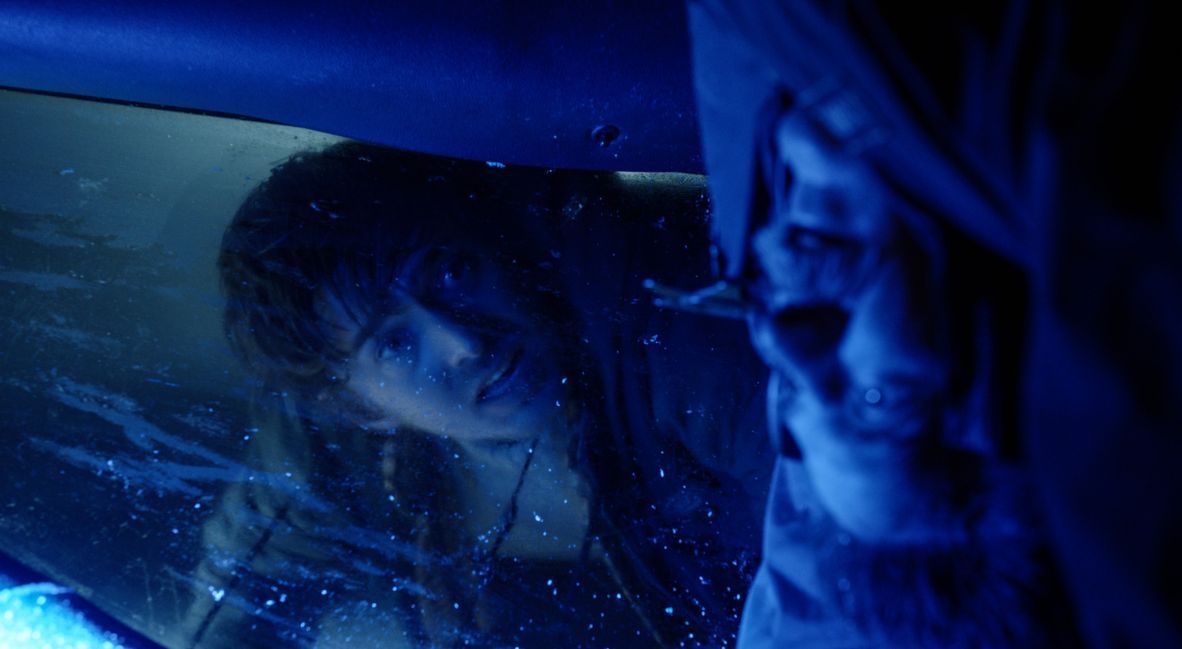
Like much of the screenplay from Cregger and Shay Hatten, this title drop lands with self-aware relish as this clueless protagonist walks straight into what we know will be a living nightmare. There’s an “are you seeing this shit?” glee as Bryan is forced into nightmarish situations that replicate what it’s like to be stuck with the living dead in a Resident Evil game.
He goes through the familiar dread of staring down cartoonishly foreboding corridors; the adrenaline of being chased by unstoppable bioweapons; and the scariest prospect of all, another arcane lock that can only be opened with a matching key.
Dariusz Wolski’s cinematography flirts with video game-esque camera angles, at times using a first-person perspective reminiscent of Resident Evil 7: Biohazard and Resident Evil Village, while at others relying on more traditionally cinematic compositions that slowly pan to sprinting pursuers. Meanwhile, Bryan slowly creeps forward like a horror game player reluctant to cross some invisible threshold that will trigger yet another monster attack; where’s an ink ribbon when you need it?
Zach Cregger continues his gleeful deconstruction of genre tropes.
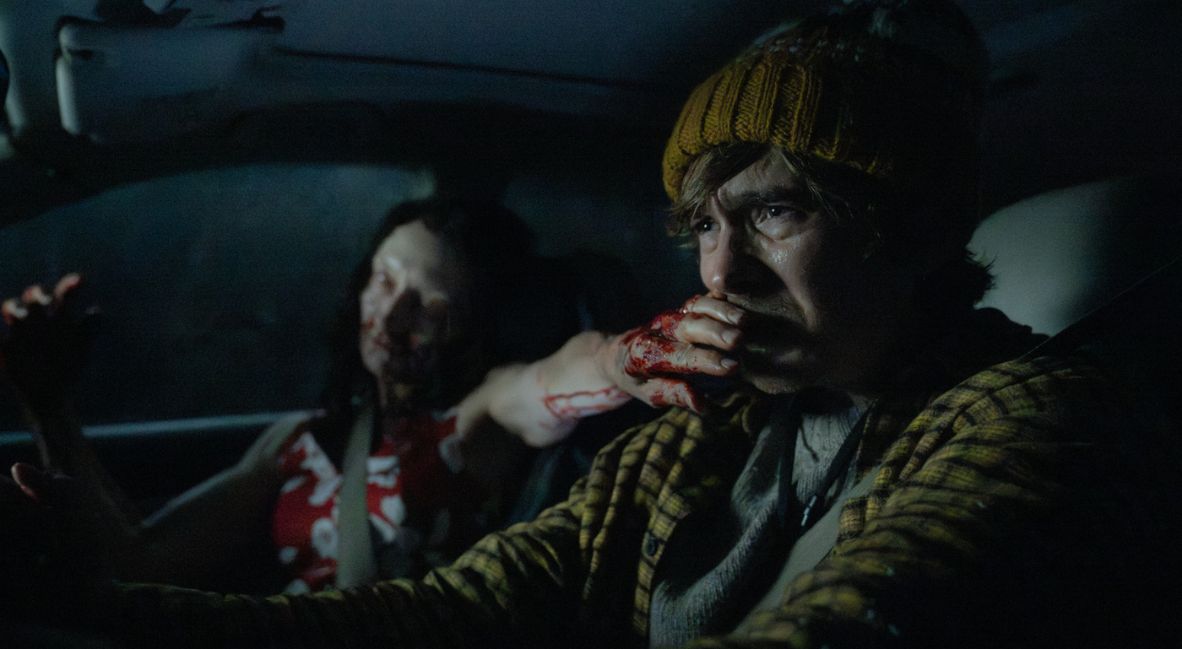
Resident Evil was clearly written with existing fans in mind, but thankfully, it should still play well with those who’ve never picked up a controller. Like the rest of Cregger’s work, the film is a puckish reaction to genre tropes that introduces clichés before a novel idea or presentation takes things in a different direction. Each dreadful pause before the umpteenth horrible event carries an intense self-awareness. Still, Cregger once again rides the thin line between horror and comedy, poking fun at these dire circumstances without undermining the tension.
Whenever the balance risks tipping into full-on lamp shading, the tone snaps in another direction, as Bryan’s shaky hands drop shotgun shells and a hidden figure suddenly leaps out of the dark. Campy hyperviolence and gore explosions give way to genuinely uncomfortable sights.
The film is funny, but it’s damn scary too. It pushes forward at a tempo that leaves just barely enough room to breathe before the next white-knuckled set piece has our protagonist dangling from escalators and navigating highway tunnels.
Resident Evil (2026) borrows from body horror classics while maintaining a sense of humor.
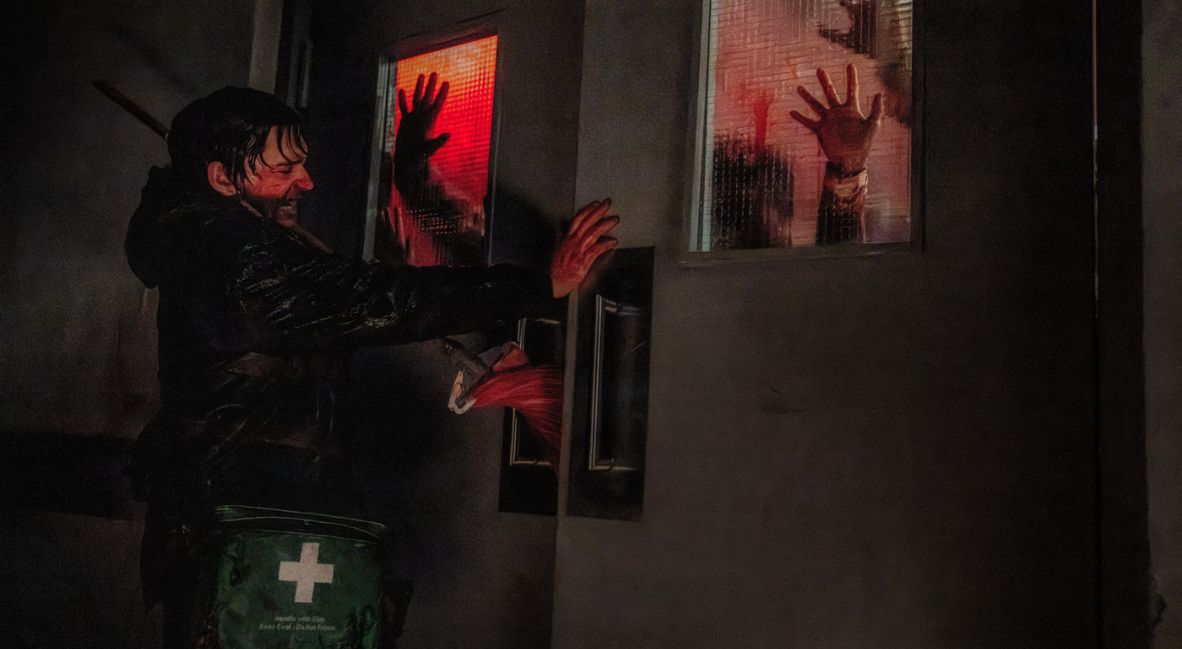
In crafting these unpleasant encounters, Cregger and co. draw on more than just these video games, borrowing liberally from body-horror classics with creatively depraved monster designs. It’s honestly a bit surprising how fast the film moves past its classic zombies into the off-putting biopunk abominations Capcom usually saves for their closing act. This once again shows an understanding that goes beyond surface details: this movie and the game it’s based on are as much inspired by The Thing as they are by Night of the Living Dead.
The creepy creatures capture the feel of Resident Evil while doing something fresh, making this movie feel more like a new entry in the series rather than a half-hearted remake that plays the hits. Cregger and Hatten reject nostalgic, playing-with-action-figure moments, instead crafting their own scares.
That doesn’t mean there aren’t easter eggs and nods for those in the know — again, this picture is structured like these games, scrounging for loose bullets and all. But the carnage works just as well for neophytes as for those who’ve beaten Resident Evil 2 as a sentient block of Tofu (don’t ask).
Cregger leads the audience to a divisive but intriguingly cynical end.
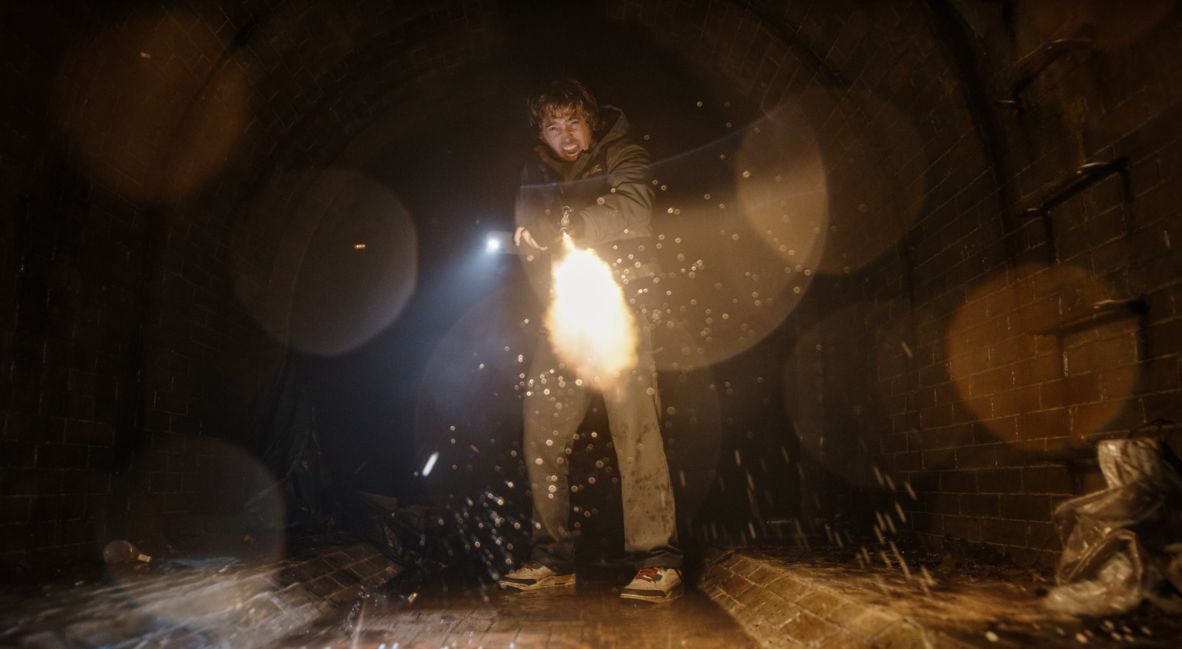
If there’s one slightly jarring element to Resident Evil (2026), it’s the film’s ending, which reveals an even more niche elevator pitch than “a movie that captures what it’s like to play the games.” To avoid spoilers, as Bryan gets closer to his destination, the mood darkens before leading into a surprising and borderline cynical climax.
Despite the film’s unspeakable horrors, its scariest concept is that if a real Umbrella Corporation were to come along, there probably wouldn’t be a Jill Valentine-type hero to save us, only us and several layers of ineffectual, pro-corporate, post-Citizens United bureaucracy. That sobering point may feel a bit out of step with a movie mostly dedicated to genre thrills, but it’s hard to be too upset given everything that came before.
Resident Evil (2026) arrives in theaters September 18, 2026.
Resident Evil
-
Rating - 8.5/108.5/10
TL;DR
Resident Evil is equal parts hilarious and harrowing, a pulse-pounding 90-minute thriller that, like its source material, is a gross-out delight.