

Ubisoft’s Tom Clancy Franchise, Rainbow Six, has always had an audience. From its start to its current incarnation, Tom Clancy’s Rainbow Six Siege, players have loved Tom Clancy’s world. More importantly, though, audiences have fallen in love with the franchise not because it’s a first-person shooter, or because of the esports around it, but because of the strategy involved in finding success in a match. In Tom Clancy’s Rainbow Six Tactics, Ubisoft Paris has taken strategy to a new level.
While we didn’t know what to expect from the live demo of Rainbow Six Tactics at Gamescom 2026 in Cologne, Germany, the game ultimately spoke for itself. With reactivity from your opponent key to shaping a truly great experience, a turn-based tactics game in the world of Rainbow Six doesn’t immediately seem possible.
How could a turn-based tactics title reach an audience that is used to immediate reaction? How could it capture the consequences of making a wrong move and immediately taking fire? The answer is, well, it’s all the same core principles of design.
At the core of the game’s design, players take on the role of Six, the leader of the elite Rainbow squad, deploying his Operators on missions that use their synergy to take down enemies, capture intel, and make it back home. But players aren’t just any Six. Tom Clancy’s Rainbow Six Tactics brings back Paul Bishop from Rainbow Six Vegas 2 fame, and Ubisoft Paris has done so in order to add emotional weight to the decisions that players make in this narrative-driven tactics game.
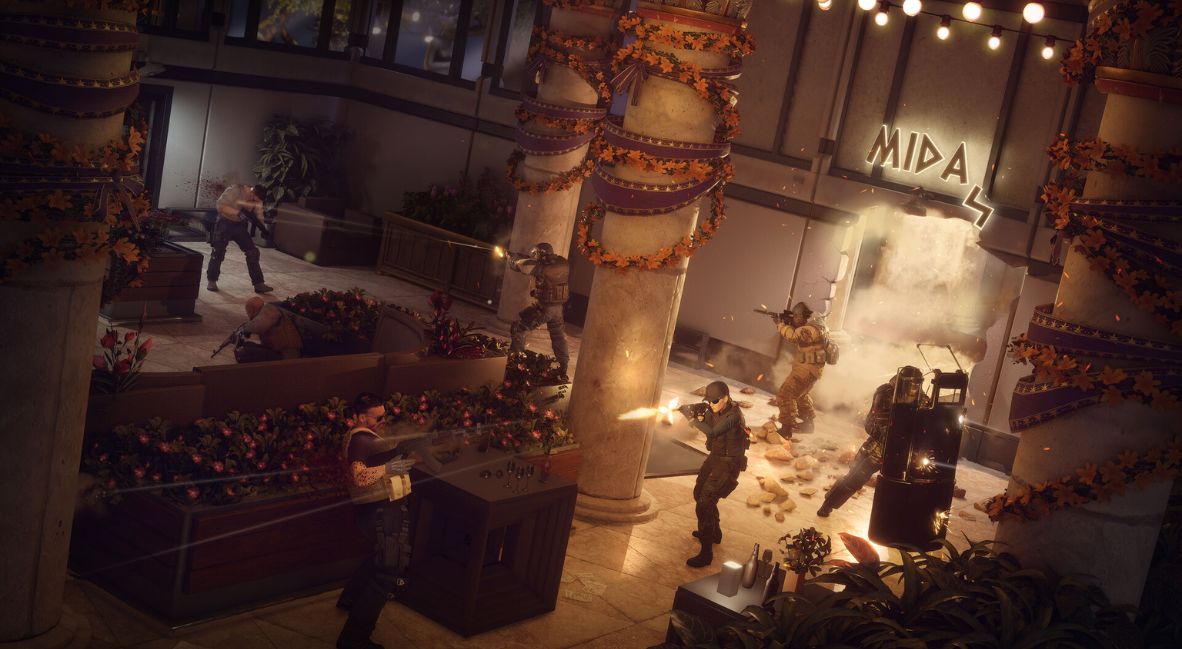
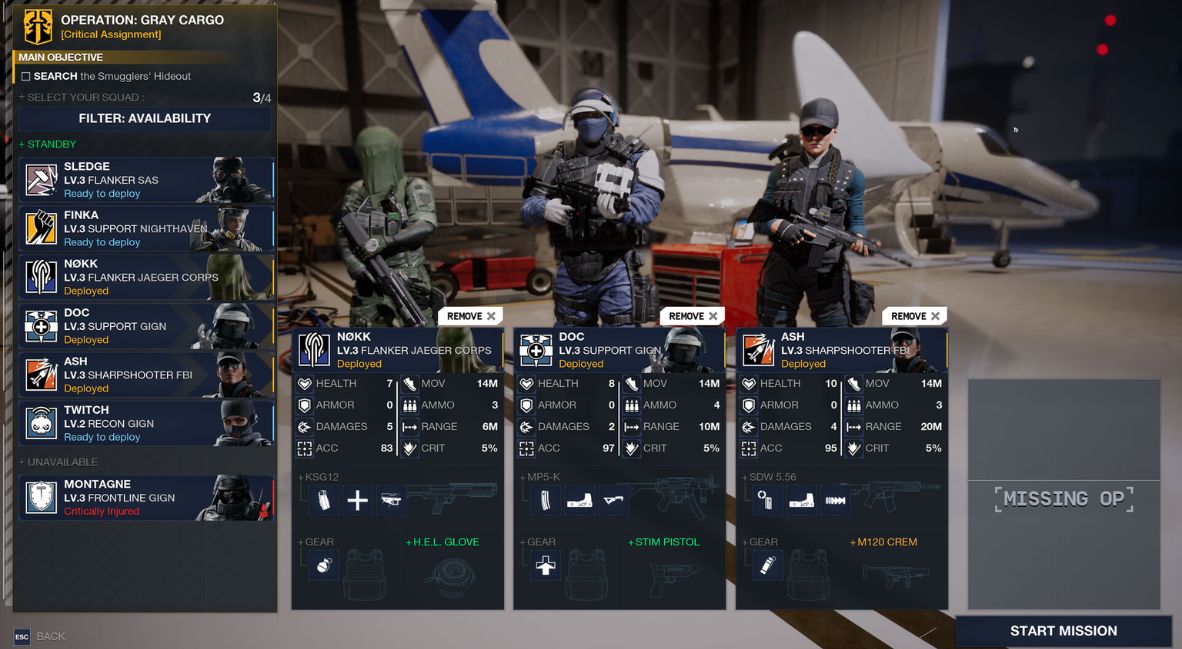
The game will feature 15 Operators at launch, each with unique abilities, specialized gadgets, and distinct skill trees, distinct mission types (Hostage Rescue, Bomb Disposal, and Target Elimination), and over 45 diverse locations to test your skills. In the field, turn-based combat can show just how the best-laid plans can go awry if you don’t pay close attention to everything from field of vision to specialties.
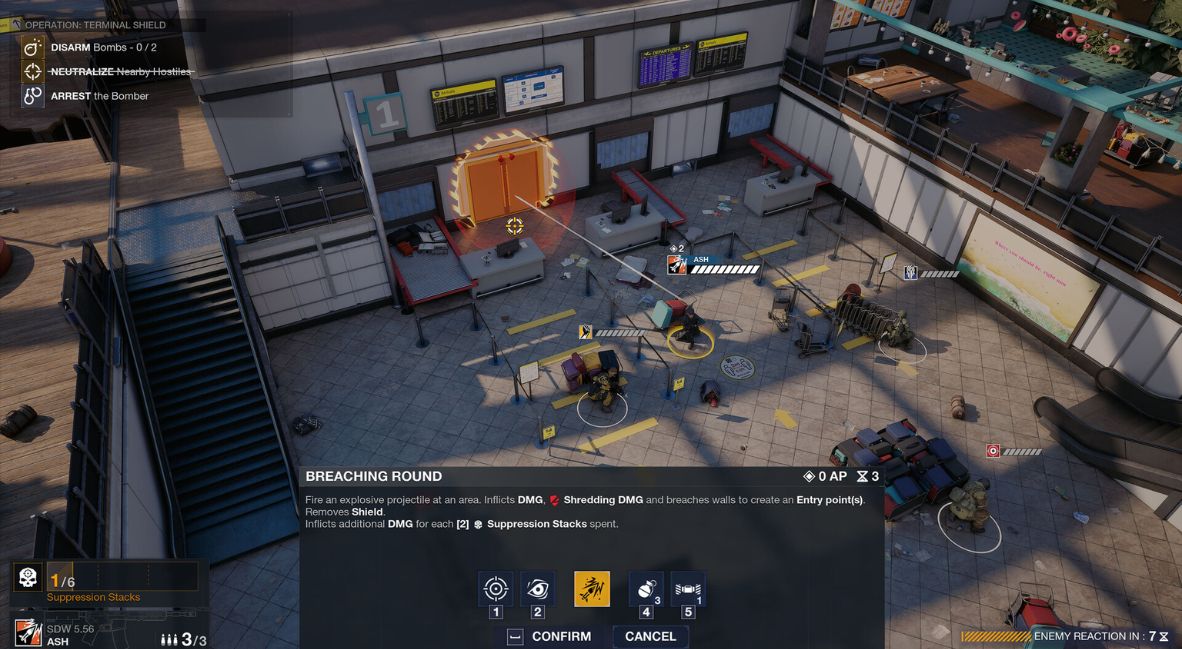
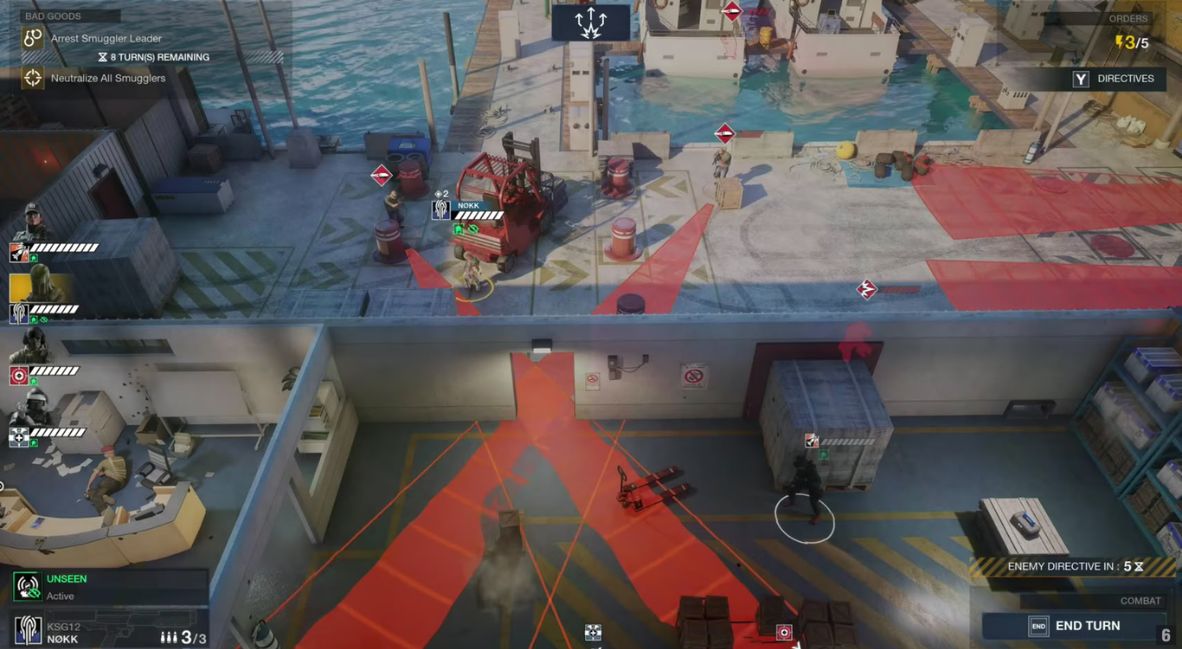
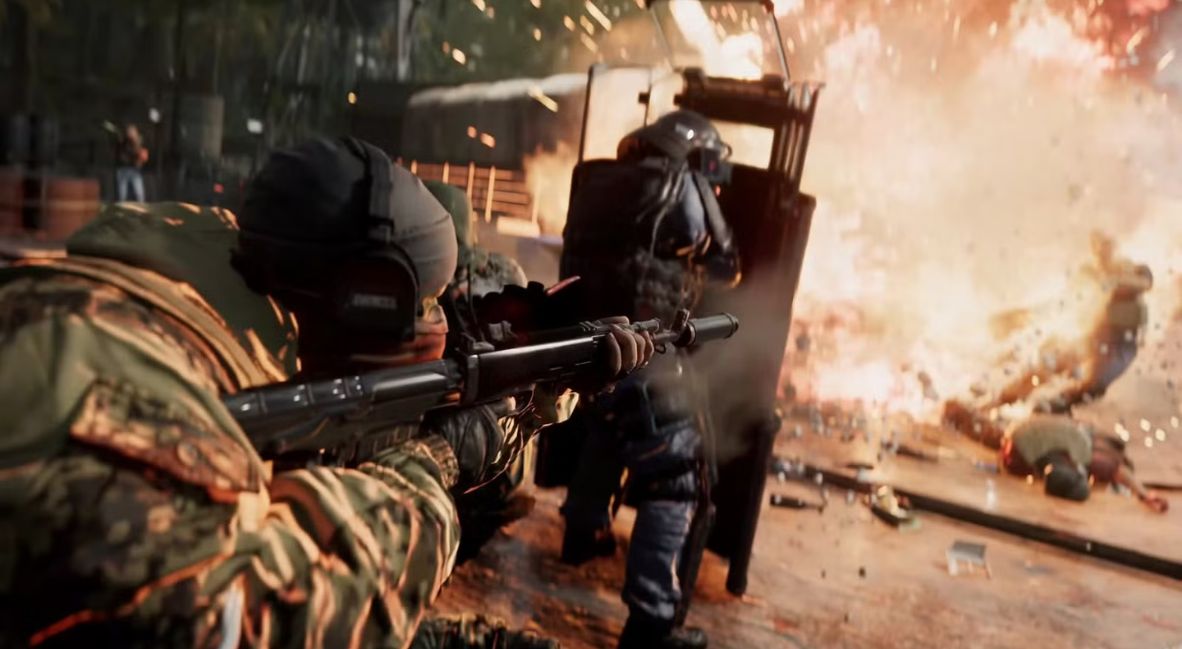
Instead of bringing back some of XCOM’s worst qualities, like a bullet stopping because of the number of spaces you have for an action, Rainbow Six Tactics takes each action the way that it would conclude in any Rainbow Six FPS title. Different ammunition has different reach and impact, and moving Operators into the enemy’s field of vision doesn’t end in a next-turn death, but in a real-time interaction.
We spoke with Rainbow Six Tactics Creative Director, Elie Benhamou, during Gamescom 2026 and walked away with a newfound appreciation of adapting Rainbow Six into a new genre, and a new understanding that the Venn diagram of players who love Siege and who play tactics games may just be a circle. From adapting old tactics design philosophies to bringing back a Rainbow Six legend, Benhamou discusses why Rainbow Six Tactics may be exactly what the Tom Clancy franchise needs right now in video games.
This Tom Clancy’s Rainbow Six Tactics interview was conducted onsite at Gamescom and has been edited for length and clarity.
BUT WHY THO: I’m going to be honest, when this was first announced I immediately thought, “How are they going to do that?” Because Rainbow Six and the franchise itself is so reactive, even though it’s also extremely tactical. I used to play Vegas way back in the day, probably a little bit too much. So I want to ask: How did you all approach designing for that iconic reactivity within a turn-based system?
ELIE BENHAMOU: It’s true! There’s reactivity in Rainbow Six and Rainbow Six Siege, for instance. But I believe the most unique point of Rainbow Six, in general and in Siege, is that it is more than a tactical shooter. It’s a smart shooter. It’s a shooter where you basically have to think before acting, and it’s not necessarily the most brutal or fast-paced [squad that] wins. The one that wins is the one with the right plan and the right decisions, because every decision matters.
All the value of Rainbow Six is in being smart, being prepared, using the right tool at the right moment, and being together and synchronized. [That is] what matters, and this is the core DNA of any technical Tom Clancy game. That’s why it was quite a natural fit between the genre of the game and the franchise, because the values we’re matching [work] so well together.
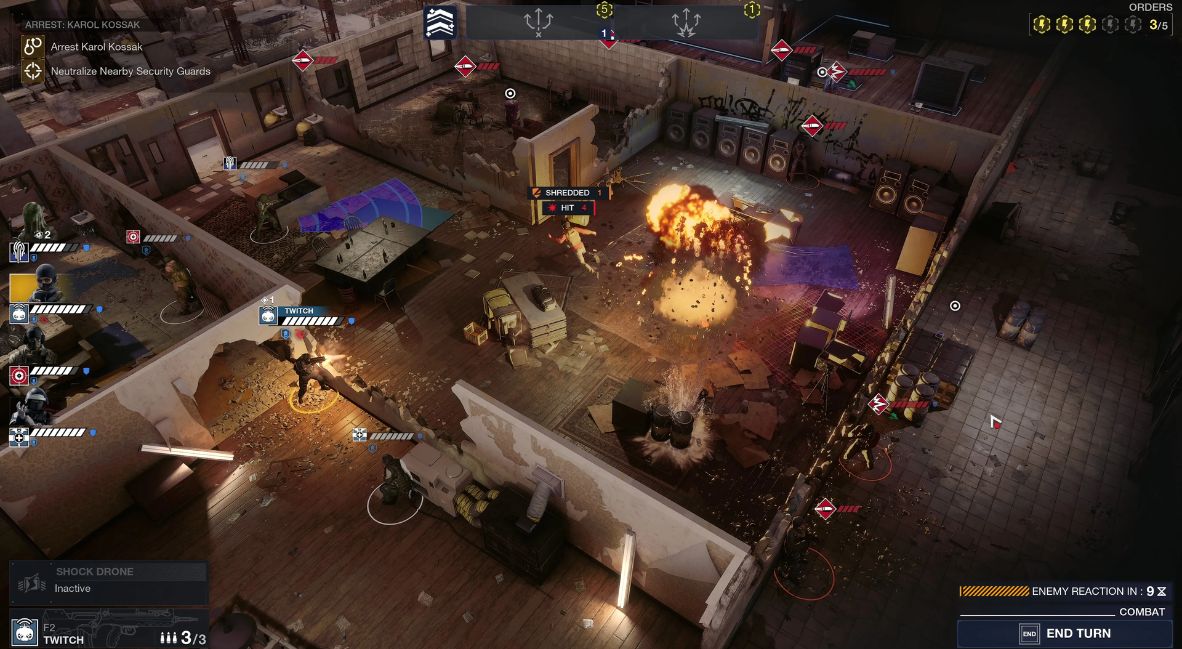
BUT WHY THO: What was exciting for me when I was watching the demo playthrough is that when you move your operators and you shoot, you’re not just shooting two spaces ahead like in other tactics titles like XCOM. In Rainbow Six Tactics, the bullets are flying throughout the map, especially piercing rounds and all the different types of ammo that you can shoot with.
Why make that choice? Why didn’t you stick to what traditional turn-based tactics limited projectile range?
ELIE BENHAMOU: In fact, what was fun during the development is that we iterated a lot to find the right formula [for shooting] that was fun to play but [also] matched Rainbow. And one day we discovered that having this viscerality—as I mean, it’s not just I’m seli always correcting and ordering a firing of the target, but aiming was viscerally more powerful—but also that it opened so much freedom in terms of aiming not only to shoot at people but also to shoot on targets.
Destruction is a key part of the Rainbow Six franchise, so we definitely wanted to embrace this feeling of destruction. So we believe this aiming and targeting system was the right choice to maximize this aspect of the front line. Because the goal isn’t just to say who I’m shooting or if I can shoot; it’s that I might shoot something and create a hole, and then another operator can use that opportunity to get a line of fire. So, we are pretty happy about this discovery.
BUT WHY THO: And it seems like right now, especially with the TV adaptations that have come out, Tom Clancy is everywhere again. A lot of people want that strategy in their entertainment, it seems.
What has it been like reaching potentially developing a game that will reach new audiences who maybe were intimidated by jumping into Siege or jumping into Rainbow Six at all because of its very long legacy and how difficult it can be working with the team they don’t know?
ELIE BENHAMOU: Personally, I’ve been at Ubisoft a long time, more than 25 years, and I was at Ubisoft at the very beginning of Tom Clancy. I used to work on many different Tom Clancy titles, and I saw the evolution of the franchise. Again, the times change, the stresses in the world are changing, but the fundamental value [of Tom Clancy] remains, and so that’s why it’s still really modern, and that we keep exploring and developing [new things] based on the current world and the current trends and all these new thematics that are still relevant to who Tom Clancy was, basically.
And also, it’s true that, with Rainbow Six Siege going into Tactics, it allows us to have a fresh, new perspective, which we hope will bring a new type of player who maybe wants another take than shooters. We are really happy to provide a great future for the Tom Clancy franchise. But I think bringing something different also highlights the value of the modern military and the best of their field, with tension. It’s something that we believe is interesting.
BUT WHY THO: One of the other things that’s really interesting to me is the fact that you can arrest people once their health has gotten low. So, because you’re awarded intel points for it, it also makes you think strategically: are you going to take out the whole room and win that way, or maybe leave a couple there? What was the approach to doing that, and how do you balance the incentive of, you know, maybe that visceral feeling of clearing a room?
ELIE BENHAMOU: So it’s, in terms of gameplay, it’s an opportunity; it’s a risk versus reward. [Aresting enemies] is riskier; it’s more challenging. But if you succeed in doing so, you have a benefit. But still, ultimately, your main goal is to accomplish the mission. So don’t forget that. After all, accomplish the mission, and if you can succeed along the way, it will be better.
It’s not just gaming. In fact, this is grounded in when we speak with special forces [consultants]. Because when we talk to them, [they say that] having someone who can provide intel afterward and on the mission is always beneficial. So again, it’s also the case when we think that we are not doing standalone missions, one by one; they are all connected.
When we make a mission, in fact, it is to get clues, not just to stop the crisis or the fire which are all over the world, but to get the clue and to finally be able to get to the final steps and to stop it. So that’s why I think it matches quite well.
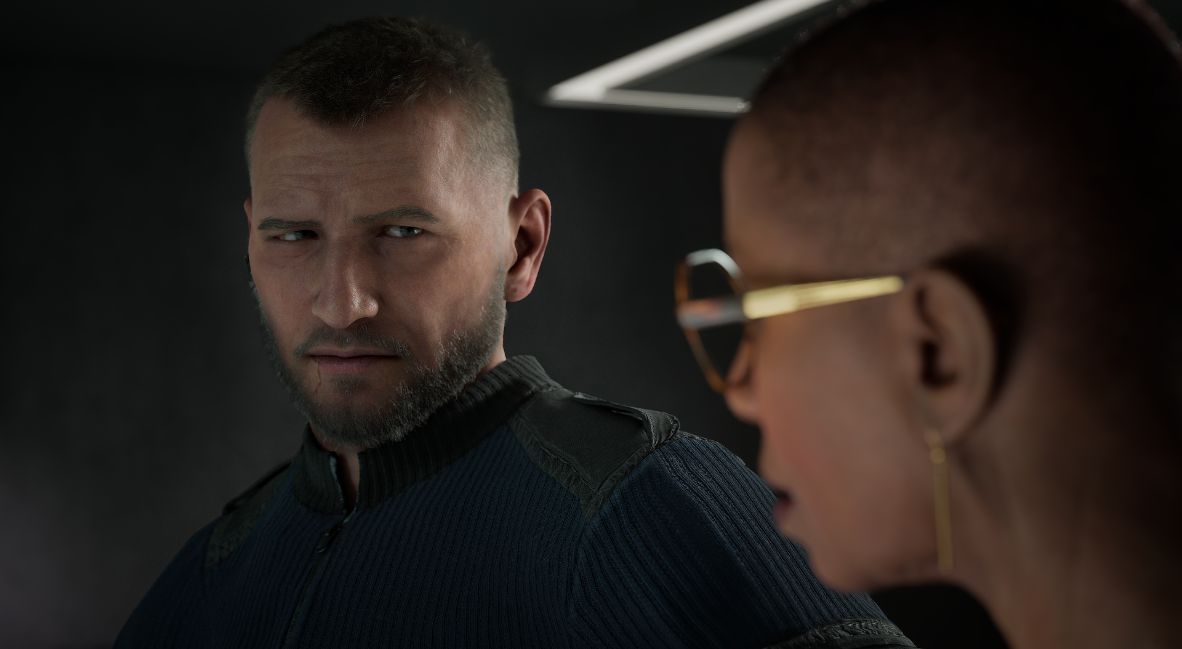
BUT WHY THO: One of the other things that I find fascinating is that we see an old face in Rainbow Six Tactics. We’re seeing Rainbow Six in a new light, but we’re also seeing an old face come back to the franchise. What was the choice to position the player in his shoes and specifically calling the shots instead of having them play as an operator on the ground?
ELIE BENHAMOU: From the very beginning, when we started the project, we had the ambition to develop another perspective again. We have different perspectives of gameplay, but also in terms of innovation. So this time, we wanted to be in the shoes of the management of Rainbow. So, because operators are putting their lives on the line, and it’s tough to be an operator in Rainbow Six, being the staff of Rainbow is a tough job as well.
As Six, you have life in your hands, you have crises to solve, and it’s hard. You have to make choices [as Six]. You have to live with the consequences of your choices. Living this experience of the Six and staff was super important. Bishop from [Rainbow Six] Vegas 2 is the new Six, and it was a natural candidate for us because he has experience on the field. He was there, so he’s able to relate with his Operators.
You see what it takes, in fact, to take the responsibility and to work under pressure. So even if we want the player to feel this pressure, because ultimately, as a player, you make all the calls and decisions. But for us, it was quite a natural fit to bring him back to solve this strong crisis that you will face.
BUT WHY THO: Has there been anything that you’ve kind of learned in this process of adapting the [Rainbow Six franchise] to the tactics genre? It could be about yourself, it could be about Tom Clancy as a storyteller, or even just about your time developing the game for so long over your tenure with Rainbow Six.
ELIE BENHAMOU: As developers, we always learn through iterations. What I learned, in fact, maybe even more right now, is the value of player fun. We work with people who were huge fans of Rainbow, but also huge experts and fans of tactics [games], and it was super interesting to see how both people matched in terms of emotion and feedback; it was surprising.
We were kind of—not afraid, but we questioned at the beginning—I mean, we asked these two [kinds of players], who seem to be far away from each other, if they would be able to match each other. Can we please both of them at the same time?
I think we first of all do please both [audiences], but they [are] like each other. I think that was the lesson, like the values, so well that we were. I was super pleased to see that Tactics player getting the Rainbow Six universe and getting the love and the value of the Rainbow Six universe. On the other hand, seeing the Rainbow fan who has played shooters for years and years, in fact, get so efficient and so excited, with immediate fun and learning in a tactical role. Because basically, what a player feels and sees is what matters. So this was quite a fun learning experience along the way.