


At Gamescom Opening Night Live 2026, Paradox Interactive, Iceflake Studios, and the LEGO Group revealed a new city-builder, LEGO Skylines. LEGO Skylines will be bringing the LEGO universe to the Cities: Skylines franchise, allowing players to build their own personal LEGO city.
We got a chance to go hands-on with LEGO Skylines at Gamescom 2026. This game may share many similiaries with the Cities Skylines games, however right from the start players will recognize that is not just a Cities Skylines game skinned with LEGOs. Players start with a single plot of land and begin their journey of building a neighborhood.
LEGO Skylines is designed to be a more personal experience, giving players much more control over building their city. Control of what you build is a major focus the team talked about, as they wanted players to control not only what they build but also where buildings are located.
LEGO Skylines is familiar to Cities: Skylines players, but also completely original.
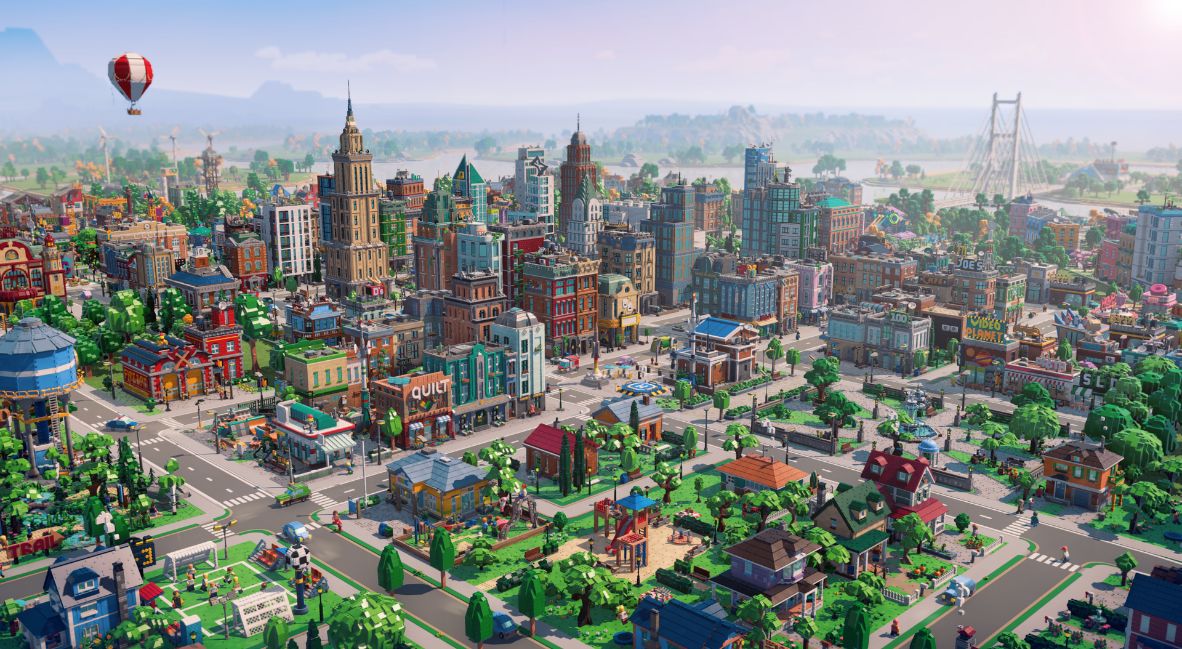
During our Q&A with the Iceflake Studios developers, they explained, “[We want you to feel] like you can find your own way to progress faster. You can focus on performance and effectiveness, but you can also do that customization side [of building] very much.”
Adding, “You can make it personal and please people and citizens, and make it look visually appealing based on their wishes. It’s up to you to both increase progress in the game. No matter what you do, it progresses the game. But you can decide if you play like city style and it’s great, or like a more cozy, customizable city builder.”
In Cities: Skylines games, players just make sections for types of buildings they wish to build there, especially when it comes to residential and commercial buildings, but they have no real control of what those buildings look like or even what they are. This is completely different in LEGO Skylines, where players get to dictate exactly what they build and where they build it.
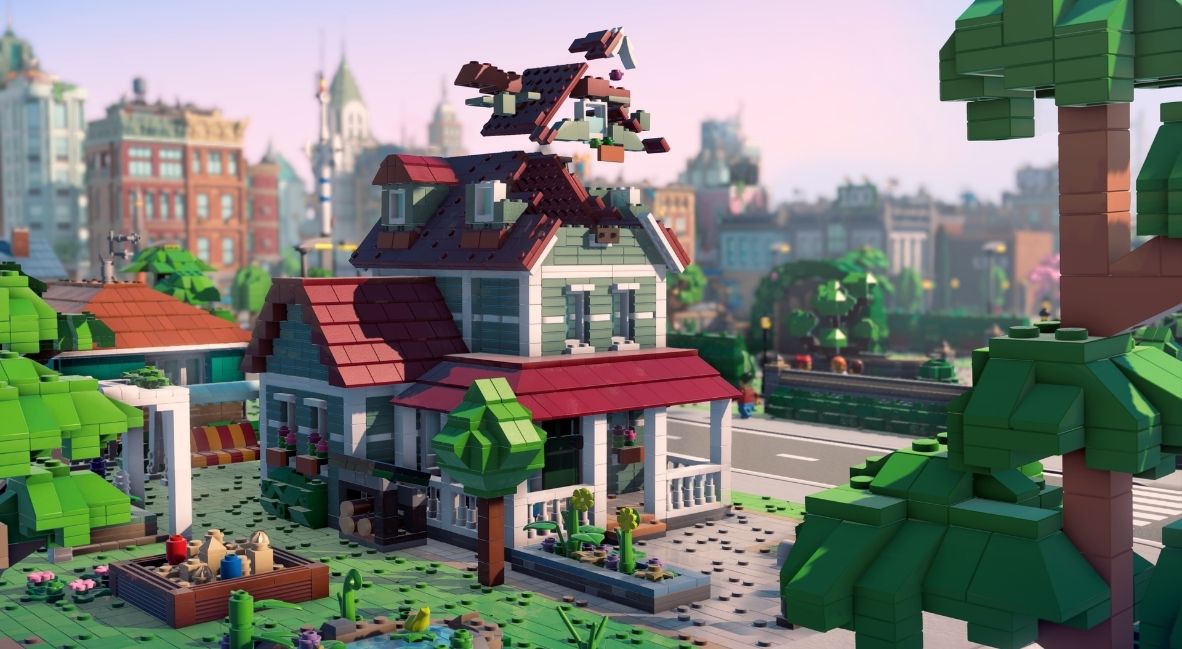
This was very apparent right from the start of building my first house as I was able to select the location, theme, color pattern, and even add decorations within the housing plot. According to the LEGO Skylines developers, this is something they are really aiming for: they wanted to give players a cozy, personal feel when building their cities.
Beauty building is a major component and will be just as important as functionally optimized building. This was showcased early within my play session as I was required to build decorations to improve my residents’ happiness.
LEGO Skylines is Paradox Interactive’s coziest game, and that was Iceflake Studios’ goal.
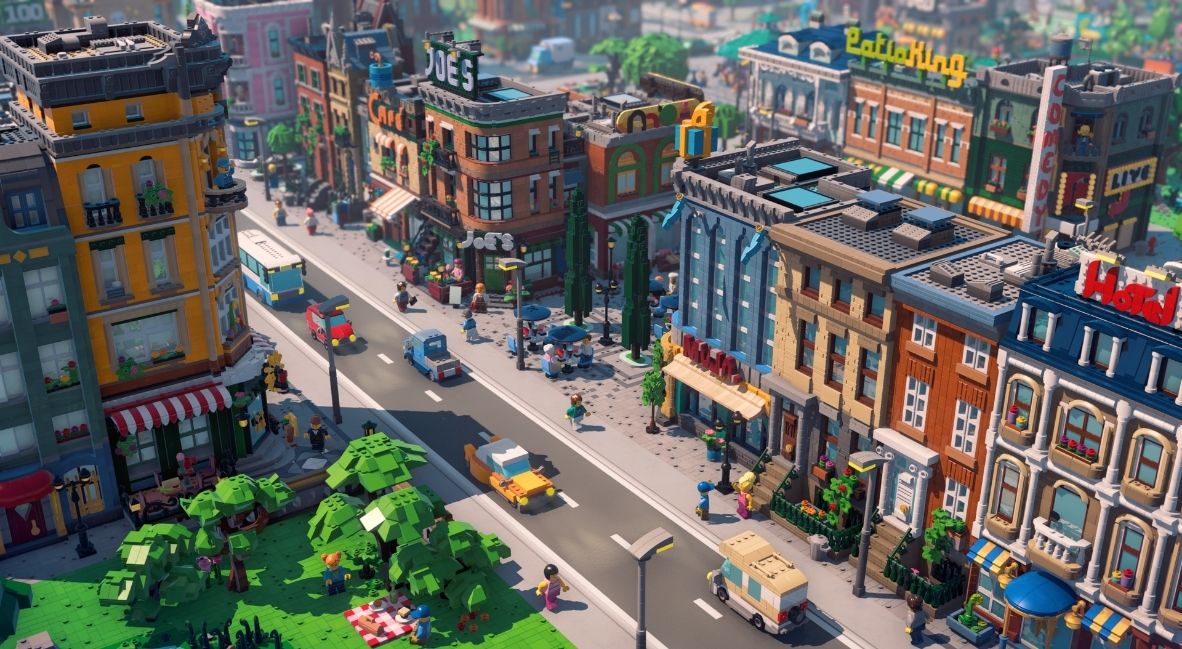
Customization is another layer of this beauty-building component, as each home, shop, and building can be customized to fit your desires. This is either by using different themes or different types of shops or just by choosing your own color palettes.
All of these customization options lean into this cozy personal experience that allows players to really theme and make their cities their own. Creativity is a big part of LEGO, and the team wanted to make sure that something could be seen throughout the game, and this includes getting to watch your buildings do the signature LEGO building we all have become used to seeing in other LEGO properties.
That doesn’t mean players will not need to worry about things such as electricity, production, and making sure their residents are happy and have jobs. As you scale up your neighborhood to a village and eventually a city, these components do start to matter. The team, though, did not want players to have to feel like they weren’t progressing and getting stuck in the weeds with all these management systems.
These management systems, including the long-hated traffic, are a part of LEGO Skylines, but they are meant to expand the experience, not be the experience. I got to check out a more endgame city, and the first thing I did was open the traffic menu to see what it looked like, and there was basically no traffic.
When asked about the differences between the two Skylines titles, Iceflake Studios said, “Cities: Skylines is a traffic management game, really, and it’s very deep in the systems and simulation. How do you transition all that depth and complexity into an environment that is accessible, understandable, and playful?”
“This is a happy game. LEGO Skylines is a cozy game. Cities: Skylines is also kind of a relaxing game, but it has a very different twist in how you see it and how you play it, and it’s relaxing. [LEGO Skylines] is cozy. [Cities: Skylines] is relaxing. I would define them a little bit differently, and the challenges are completely different in these two games,” they explained.
For anyone who has played Cities: Skylines or Cities: Skylines 2 knows that after a certain point the game almost turns into just a traffic management simulator. The LEGO Skylines team is quite aware of this, and they made sure that while traffic does exist, it should not bog anyone down.
As mentioned, there is more than just building and traffic, such as keeping residents happy and employed. Shopping is a resident need that requires players to build a variety of shops and diners, but they do not provide jobs, and instead the team chose to make this system more streamlined.
The Skylines traffic simulation is exchanged for vibrant, personal building in LEGO Skylines.
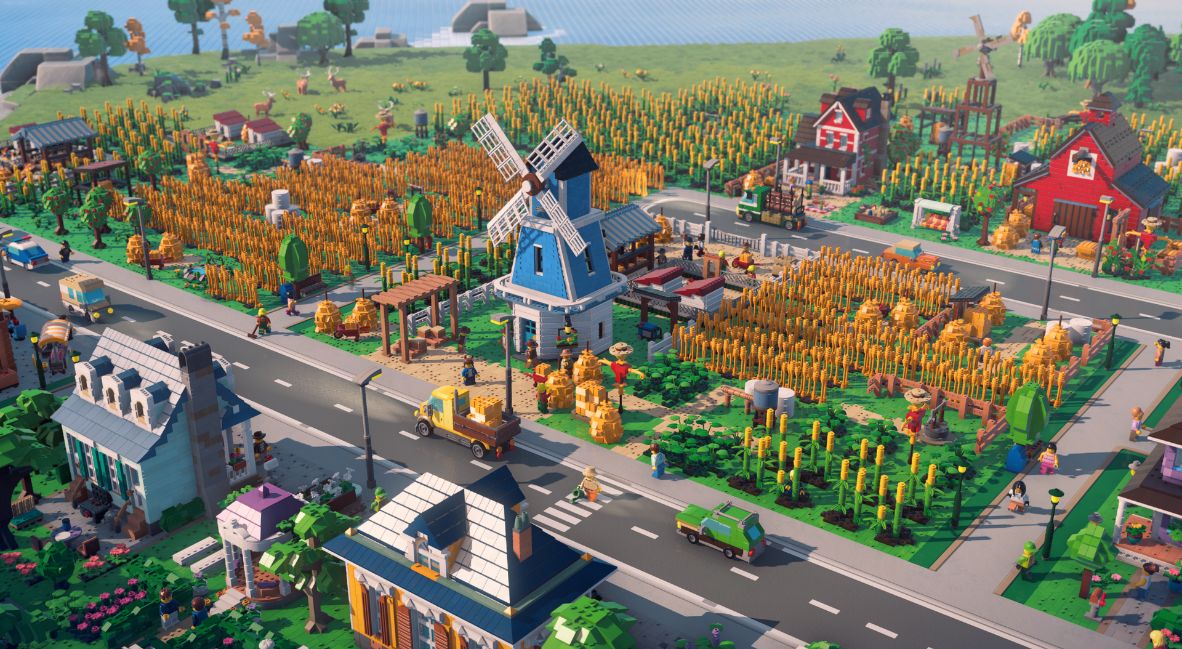
This is done through the production of resources such as farms to keep residents employed. Of course, as more advanced production is unlocked, then residents need more qualifications, which can be acquired through schools.
All of these systems are where the players will recognize all the Cities: Skylines bells and whistles. Making sure garbage isn’t piling up, children having schools to attend, or making sure buildings have electricity. These will help players keep residents happy and progress their buildings to upgrade.
I really enjoy the Cities: Skylines franchise, but after seeing the announcement, I was worried this would just be a skinned Cities: Skylines; however, after even just an hour, it’s clear this is something different. In just my hour play session, I was blown away with how much fun the game is.
From the buildings and systems to that LEGO atmosphere, there is so much to get excited for. There also is just something special about seeing everything as LEGO, whether it is something small like a decorative fountain or the clouds moving around the city; it makes everything feel so vibrant.
LEGO Skylines isn’t set to release until 2027, so there is still plenty to come on the game; however, LEGO Skylines was easily my best in show at Gamescom 2026. The LEGO Skylines team talked about wanting this game to be playful, approachable, and understandable for everyone, the way LEGO has done over the years, and bring it to Cities: Skylines.
In just an hour of playing, I was immersed and connected to my little penguin-dressed master builder who was doing his best to help grow this inspiring family neighborhood, and that is something I very much want to spend more time doing.
LEGO Skylines has no set release date.