


Widow’s Bay begins with a simple small-town ambition. Mayor Tom Loftis (Matthew Rhys) wants to transform an isolated New England island into the next Martha’s Vineyard. The town needs tourists, its businesses need money, and Tom needs its residents to believe he can build them a better future. The problem is that everyone else believes Widow’s Bay is cursed. Tom thinks superstition is holding the town back. As it turns out, those superstitions may be the only reason anyone is still alive.
Created by Katie Dippold, Widow’s Bay carries the deadpan comedy and municipal absurdity of Parks and Recreation into a town that feels pulled from a Stephen King novel. That combination is exactly what it sounds like, and Dippold understands why it works. The residents approach impossible situations with complete sincerity. Their matter-of-fact reactions generate the comedy, while the supernatural threats retain their danger.
The result? A series that fits comfortably within the kind of head-scratching genre television Apple TV has increasingly made its specialty. Widow’s Bay introduces a strange place, establishes rules it has no intention of immediately explaining, and trusts viewers to sit with the uncertainty. Every answer creates a larger question about the island, its history, and the people living there.
Widow’s Bay steadily shifts the audience’s perspective. Tom initially seems reasonable for dismissing the town’s folklore. Widow’s Bay is populated by deeply superstitious people who can barely present a unified front to the outside world. Their warnings sound ridiculous until the creatures, rituals, and old stories begin surfacing one after another. As Tom’s tourism campaign succeeds, every new arrival increases the pressure on a place that may have remained isolated for good reason.
The island is only part of the mystery in Widow’s Bay, and nearly everyone in the ensemble carries secrets.
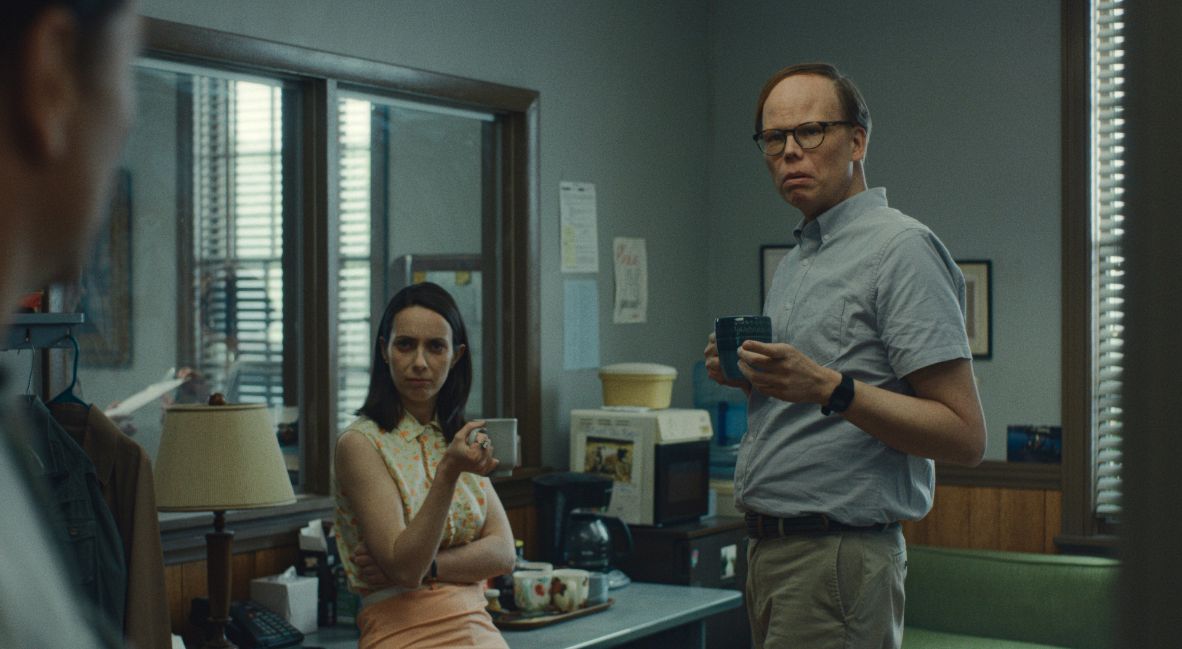
By the time Widow’s Bay reaches the historical revelations, the existence of the curse is no longer the central mystery. The more compelling questions concern what controls Widow’s Bay, why it keeps drawing people into its orbit, and how much its residents have sacrificed to remain there. Even the flashbacks resist settling on a clear explanation. The force beneath the town could be the Devil, a demon, or something older that people have only been able to describe through the language available to them.
The island is only part of the mystery. Nearly everyone in the ensemble carries secrets, buried relationships, and personal histories that complicate their responses to the supernatural threat. Tom’s relationship with his son, Evan (Kingston Rumi Southwick), contains its own withheld truths. The danger surrounding Widow’s Bay gradually exposes fractures that existed long before the monsters returned.
That makes the people almost as mysterious as the force controlling the island. A strange look or incomplete conversation can carry the same sense of danger as any local legend. Widow’s Bay understands that learning why someone has lied to the person they love can be as important as identifying the creature moving through the fog. The supernatural mythology provides the larger puzzle, while the characters give every revelation consequences.
That mystery plays into a recognizable part of the small-town experience. People talk about leaving, but many never do. Others arrive and become caught in the town’s orbit. Eventually, remaining there can stop feeling like an active choice. As someone from El Paso, Texas, I recognize that gravitational pull. El Paso is considerably larger than Widow’s Bay, but it can possess the same small-town mentality. People born there tend to stay, and those drawn into its vortex can find it surprisingly difficult to escape. That pull can represent comfort, obligation, community, or its own kind of horror.
The horror in Widow’s Bay works because these choices speak directly to the human experience.
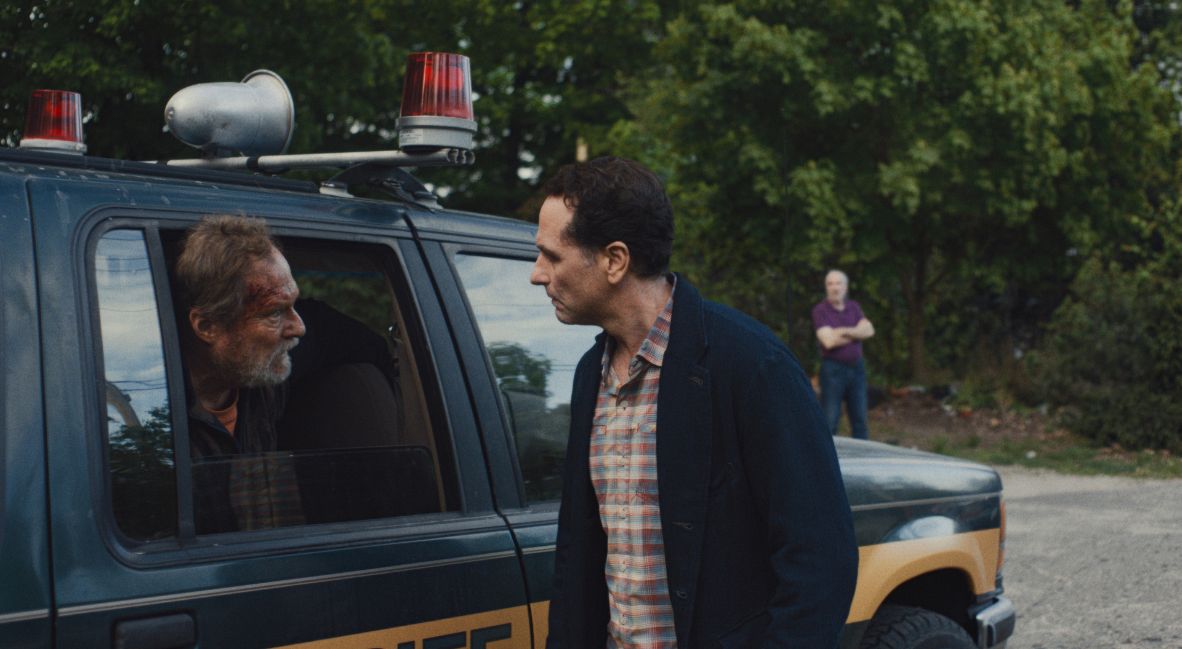
Widow’s Bay transforms that feeling into something literal. The island is a home worth preserving and a trap that may never release its residents. Tom’s attempt to save it therefore carries an unavoidable contradiction. Reviving the town means drawing people toward a place that may consume them. He wants to protect his community and create a future for Evan, but his version of that future requires his son to remain connected to the very place he wants to escape.
Matthew Rhys captures the insecurity beneath Tom’s civic optimism. Tom is stubborn, fearful, and desperate to be respected by people who openly doubt him. Rhys keeps those qualities human even as Tom’s refusal to listen helps awaken the island. His motives remain understandable. He wants to help a forgotten town survive. Once that mission leads to real danger, he must continue making decisions long after his confidence has fallen apart.
The horror works because these choices speak directly to the human experience. Who are we during an emergency? What do we owe the people around us when fear takes over? How far can someone go to protect a community before that protection becomes another form of violence? Widow’s Bay keeps applying pressure until civic responsibility, personal loyalty, and basic survival can no longer coexist peacefully.
The ensemble gives those questions personality. Stephen Root brings absolute conviction to Wyck, one of the island’s loudest believers. Dale Dickey makes Rosemary’s bluntness consistently funny because she never appears to be searching for a laugh. Kevin Carroll grounds the group as Sheriff Bechir, giving even the strangest emergencies a sense of immediate danger.
Widow’s Bay allows its residents to remain funny when the situation becomes frightening.
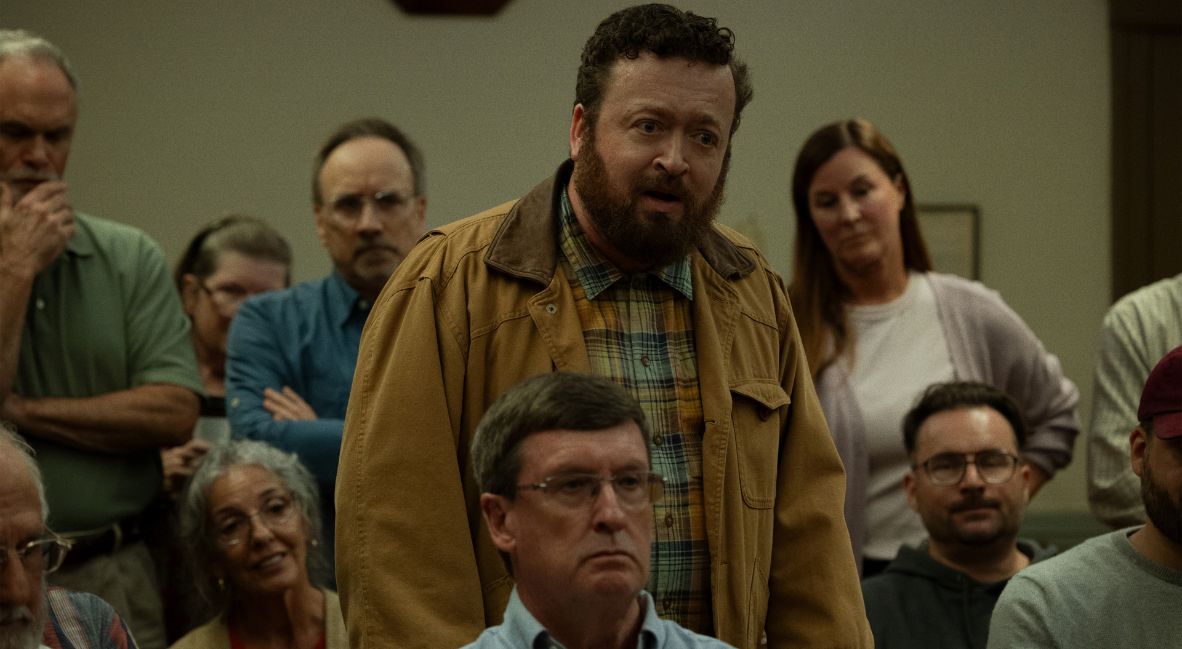
Kate O’Flynn, without a doubt, steals the season as Patricia. She initially appears to occupy a familiar comedic role as Tom’s peculiar, socially awkward assistant. O’Flynn steadily reveals the fear, loyalty, and complicated history behind Patricia’s behavior. She understands the island more clearly than Tom, yet her devotion to him repeatedly places her in danger. O’Flynn can earn a laugh through a pause or an unexpected delivery before making Patricia’s terror feel painfully real. Her eccentricities remain part of her character without becoming the only part to care about.
That tonal control defines the series. Widow’s Bay allows its residents to remain funny when the situation becomes frightening. The humor comes from who they are and how they process the impossible. The horror emerges from the fact that their strange traditions were created in response to something real. Dramatic irony runs through the season as Tom keeps searching for rational explanations while everyone around him already knows what kind of story they are living through.
Evan’s storyline is where the writing struggles to find the same specificity. He should offer the clearest view of what it means to grow up inside a town that refuses to release people. Instead, he often plays as the familiar teenager who hates his hometown and wants to leave. Southwick reaches the necessary emotional intensity when the story gives Evan something substantial to confront, but much of his dialogue sounds like an adult approximation of Gen Z speech.
Widow’s Bay finds depth in its premise.
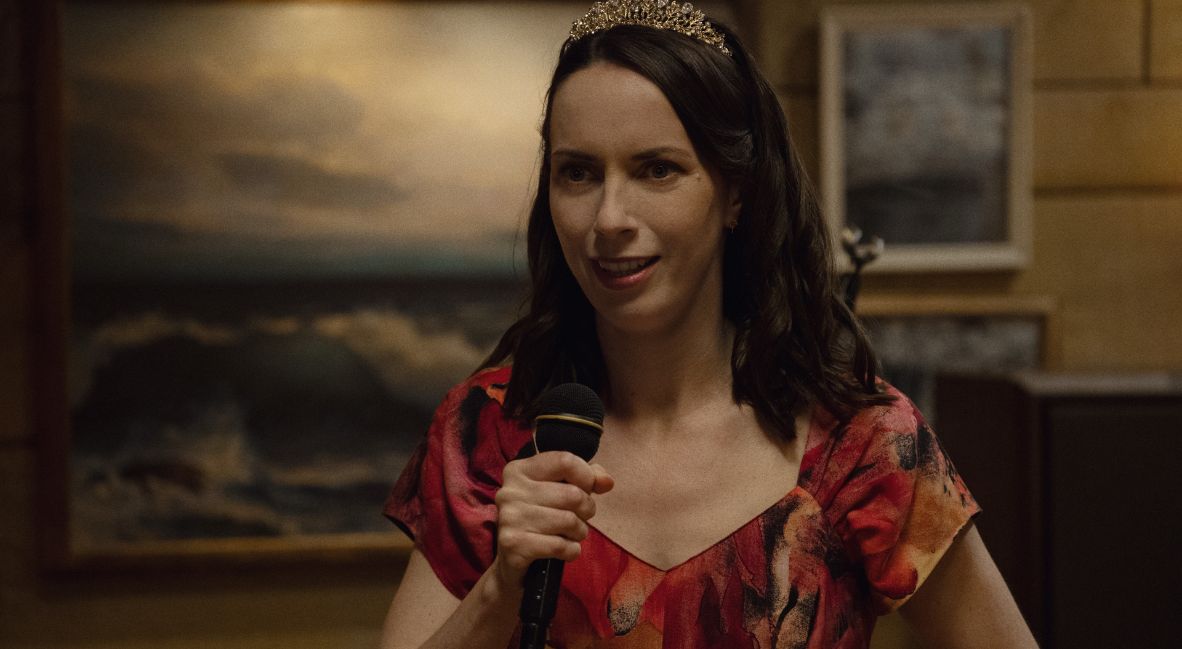
That thinness stands out within an ensemble full of people whose relationships to Widow’s Bay feel intensely personal. Evan’s frustration is essential to the season’s larger ideas, especially as the secrets in his relationship with Tom begin to surface. The character needs more dimension for those revelations to carry their full weight. Season 2 now has an opportunity to explore whether Evan’s desire to leave comes from ordinary teenage restlessness, a deeper understanding of his father, or the instinctive knowledge that the island has already begun deciding his future.
Widow’s Bay finds depth in a premise that could easily have become a supernatural workplace comedy. Its monsters are frightening, its residents are ridiculous, and both belong to the same carefully constructed world. The town’s civic concerns, interpersonal secrets, and supernatural history gradually become different expressions of the same anxiety. Everyone wants to protect something, and every attempt at protection creates another person who may need saving.
Widow’s Bay is at its strongest when the mystery surrounding the island becomes inseparable from the mysteries within its people. Widow’s Bay holds onto its history, its residents, and their secrets with equal force. By the end, the town feels like a community worth fighting for and a place anyone should be terrified to call home.
Season 1 of Widow’s Bay is now streaming exclusively on Apple TV.
Widow's Bay
-
Rating - 8/108/10
TL;DR
Widow’s Bay is at its strongest when the mystery surrounding the island becomes inseparable from the mysteries within its people.