Few tales have been picked over, reimagined, and retold more than the Odyssey. By its nature as an oral poem, it’s been shaped by countless storytellers, a staple among authors, screenwriters, and playwrights from James Joyce to the Coen Brothers. Given this lofty legacy, it isn’t easy to make a dent.
It’s all the more impressive, then, that Christopher Nolan’s The Odyssey takes its place in this pantheon. Deftly blending myth and historical truth, this adaptation maintains the grandeur of this classic journey while finding its own singular voice. You may be familiar with this epic, but like its wily protagonist, this version has a few tricks up its sleeve.
The rough outline is the same as Homer left it: after concocting a scheme that allowed the Greeks to win the Trojan War, Odysseus (Matt Damon) sets sail for Ithaca with his compatriots. There, his wife, Penelope (Anne Hathaway), his son, Telemachus (Tom Holland), and his kingdom await his rule. Unfortunately, this return trip doesn’t go as planned. After angering Poseidon, our hero and his crew face a winding journey full of divine interventions and unspeakable horrors. It’s a very bad time.
Christopher Nolan blends the supernatural with grounded humanity.
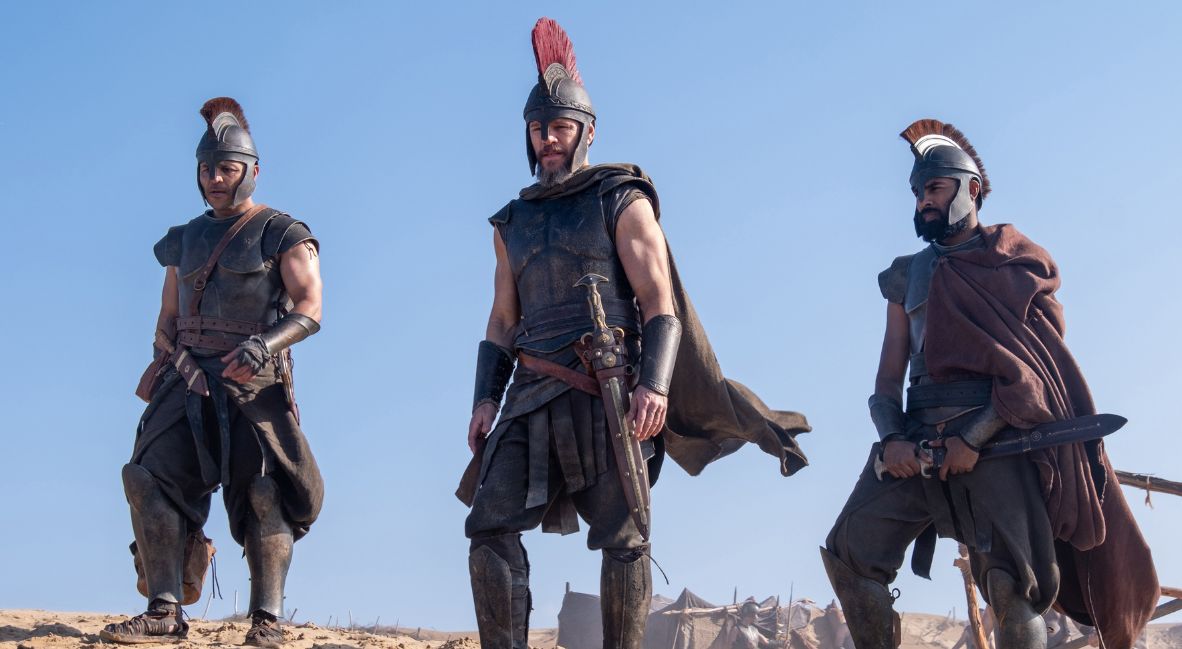
As the promotional materials hinted at, Nolan’s version of The Odyssey hits most of the major plot points: the nasty encounter with the cyclops Polyphemus, a battle (if you can call it that) with the man-eating Laestrygonians, an encounter with the whirlpool, and other misadventures. Even at a well-paced 173 minutes, there isn’t quite enough space for everything, but the greatest hits are here. What sets this rendition apart is how these filmmakers deftly mix grandiose fantasy with visceral human details.
The dangers Odysseus and his men encounter are unabashedly supernatural. Still, Nolan’s screenplay is equally concerned with the dirt under their fingernails as it is with one-eyed monsters: these soldiers are forced to wade through mud, vomit, and the gore of their comrades to make it to the next leg of their doomed trek.
It’s a tone best summarized when Menelaus—played with a hint of manic desperation by Jon Bernthal—interrupts the usual renditions of the Iliad with a question: “Do you know what it was like inside the Trojan Horse?” As you can imagine, being trapped in this hollow bronze statue for days as it baked in the sun and took on seawater wasn’t very pleasant.
The Odyssey finds spectacle and beauty even in the most horrific moments of bloodshed and trauma.
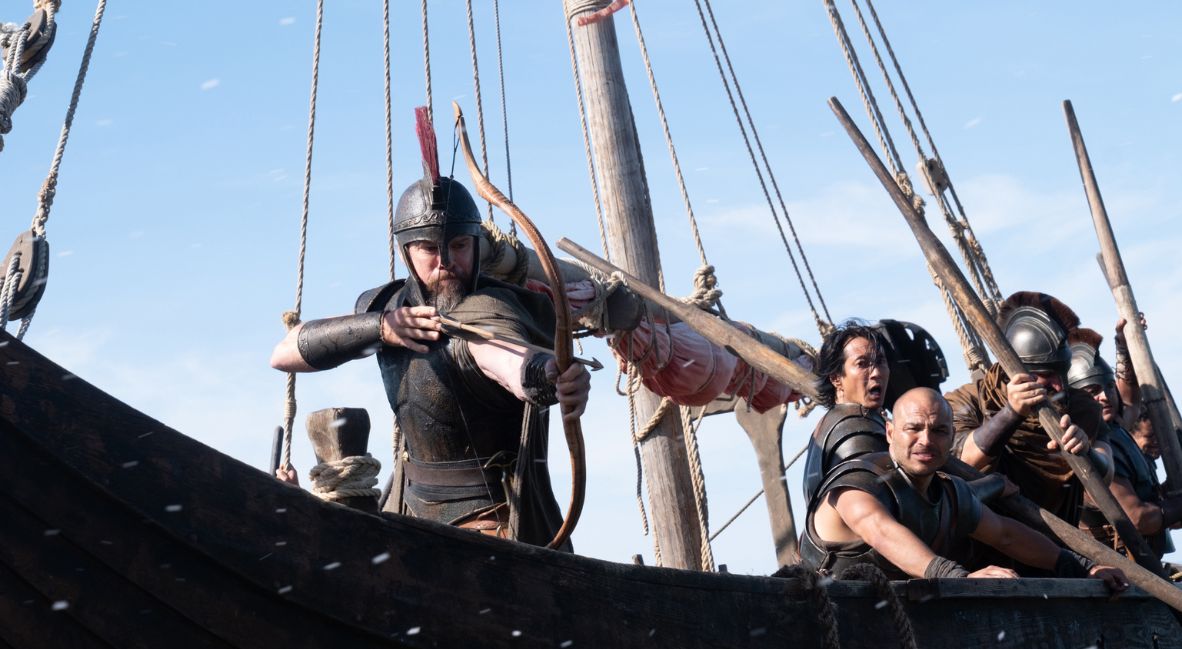
This grit and grime isn’t just external, either. While Greek “heroes” tend to be an immoral lot by modern standards (the ancient Greek concept of hērōs is not 1:1 with modern definitions of the word), in this telling, these warriors are often motivated by political nuances and historical specifics instead of broad notions of glory. For example, we eventually learn that the Mycenaean king Agamemnon (Benny Safdie) started the Trojan War more out of statecraft than because of his oath to return Helen (Lupita Nyong’o) to his brother Menelaus.
These grounded details in The Odyssey place the audience in the muck alongside these homesick veterans, a move that escalates the many moments of wide-eyed terror. We’re there with Odysseus and his men when a certain hungry giant traps the Ithacans in a cave before tearing them apart like Saturn Devouring His Son. It’s gnarly, but somehow the most gruesome sequence in a film full of bloody beaches and cannibalism is a creatively depraved stretch of swine-themed body horror.
Hoyte van Hoytema’s brilliant camerawork brings a dark beauty to these unseemly sights, ensuring that, however bleak and dismal the proceedings can be, there’s also the same sense of wonder and adventure that has kept this story alive over the centuries.
The entire cast, from Matt Damon to Robert Pattinson, delivers gripping performances.
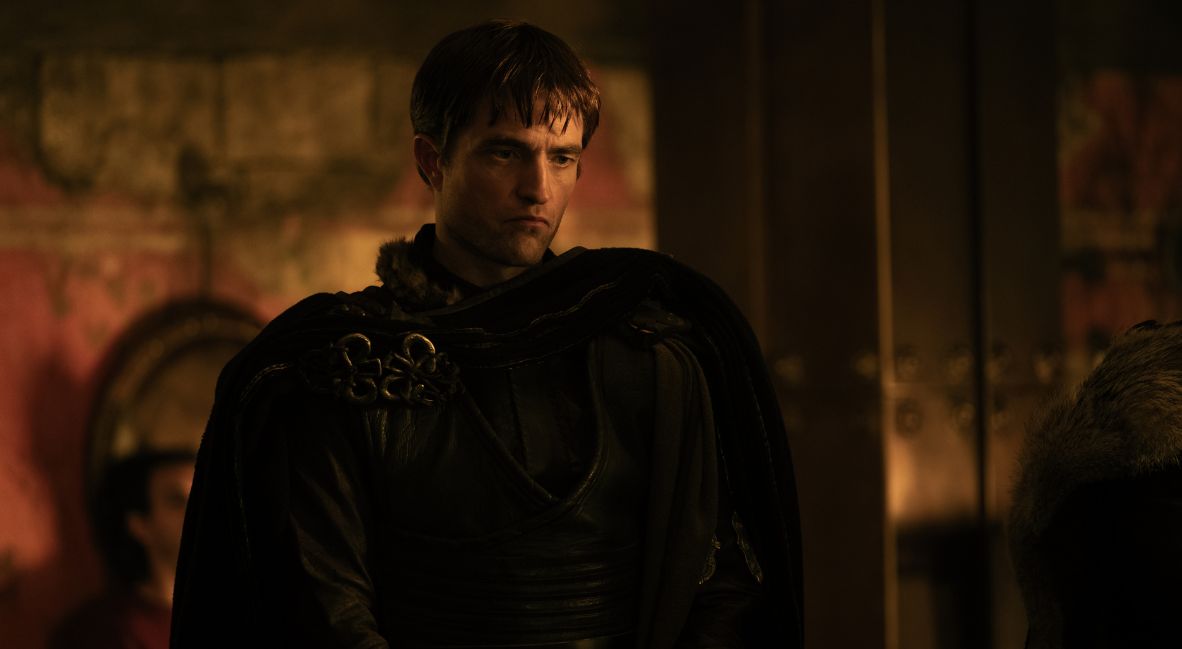
While those familiar with this tale may think they know what’s coming when they see an island full of strange animals or a foreboding forest, the cinematography buzzes with such malice and mystery that everyone becomes a first-timer. The set design is similarly inspired; in Ithaca’s feasting hall, Penelope is separated from her cruel suitors by a thin, translucent barrier, this flimsy protection visualizing her and her son’s imminent peril.
Still, there’s an elephant in the room. The Odyssey’s casting choices. Setting aside right-wing weirdos who are mad that having non-white actors in the film “desecrates” Western culture or something, there was an understandable concern that the Bostonian Matt Damon had perhaps been in too many Dunkin’ Donuts commercials to make a convincing Greek hero. In practice, these performances build a bridge between the audience and this ancient story, with its A-listers amplifying rather than distracting from this epic quest.
Robert Pattinson slides into the role of the scumbag suitor Antinous with his trademark zeal, providing a suitably hateable foil. Elsewhere in Ithaca, Holland successfully makes the jump from Marvel flicks (and various bad movies) as he helps make Telemachus’ coming-of-age story surprisingly compelling—this is probably the character your high school English class hated the most.
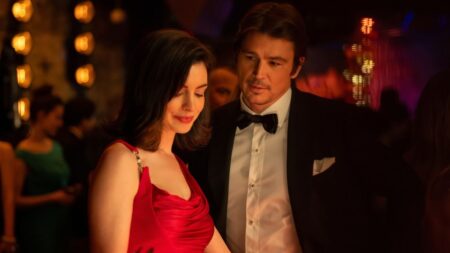
It is Anne Hathaway as Penelope whose performance reaches tour-de-force levels.
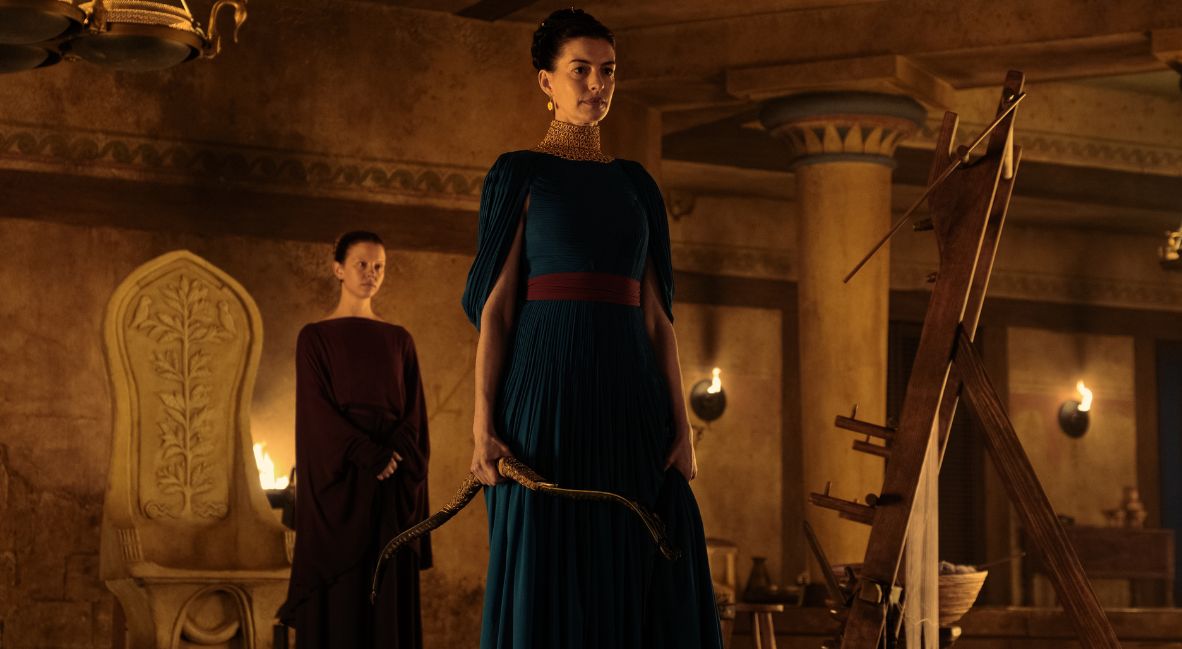
As for Telemachus’s mother, Penelope, Hathaway is a tour de force. She captures a complicated mixture of rage and loyalty toward her absentee husband, alluding to the unjust gendered expectations that define the times she lives in.
Then there’s the star of the show, Odysseus. It turns out there’s a rational reason for casting Damon as this legendary figure beyond the fact that Nolan likes to work with familiar faces. This take on the character overlaps with an archetype Damon has played many times before, an Everyman.
To be clear, Odysseus is still clever (and a king). But in addition to these qualities, this performance evokes vulnerability and mortality, teasing at the poem’s undercurrents of survivor’s guilt and wartime trauma.
The Odyssey makes a several-thousand-year-old story feel new.
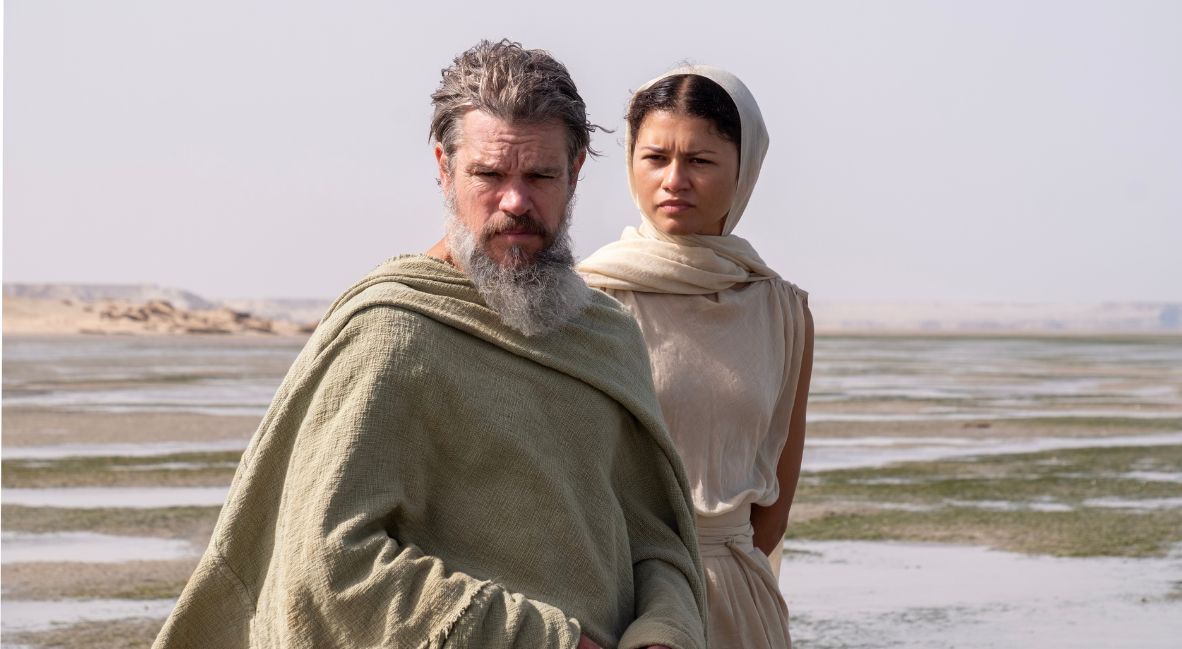
Nolan’s thematic muses of memory and time come to the forefront as comrades, and the years slip between our hero’s fingers. Each horrible stop on this journey becomes an act of self-flagellation, as the ashes of a burned city cling to these Greek warriors. This certainly isn’t the first take on this story that leans into PTSD and grief—the 2024 film The Return, starring Ralph Fiennes as Odysseus, did the same—but the striking imagery and performances leave a unique psychic imprint.
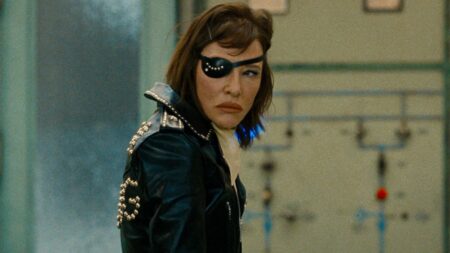
Nolan’s The Odyssey stands apart for a certain type of showmanship, teasing and then pulling off a stunning sleight of hand. Suddenly, everything connects: allusions to Zeus’ right of hospitality, a mysterious invading force threatening Greece, and the underlying reason Odysseus stayed with Calypso (Charlize Theron) for as long as he did.
You wouldn’t think it’d be possible to do a rug-pull in a retelling of a several-thousand-year-old story that everyone knows already. Still, somehow, it all comes together in a single moment of cinematic truth. It’s nothing short of movie magic.
The Odyssey is playing now in theaters everywhere.
The Odyssey
-
Rating - 9/109/10
TL;DR
Nolan’s The Odyssey stands apart for a certain type of showmanship, teasing and then pulling off a stunning sleight of hand. You wouldn’t think it’d be possible to do a rug-pull in a retelling of a several-thousand-year-old story that everyone knows already. Still, somehow, it all comes together in a single moment of cinematic truth. It’s nothing short of movie magic.